
High-Precision Dental Castable 3D Resin for Investment Casting
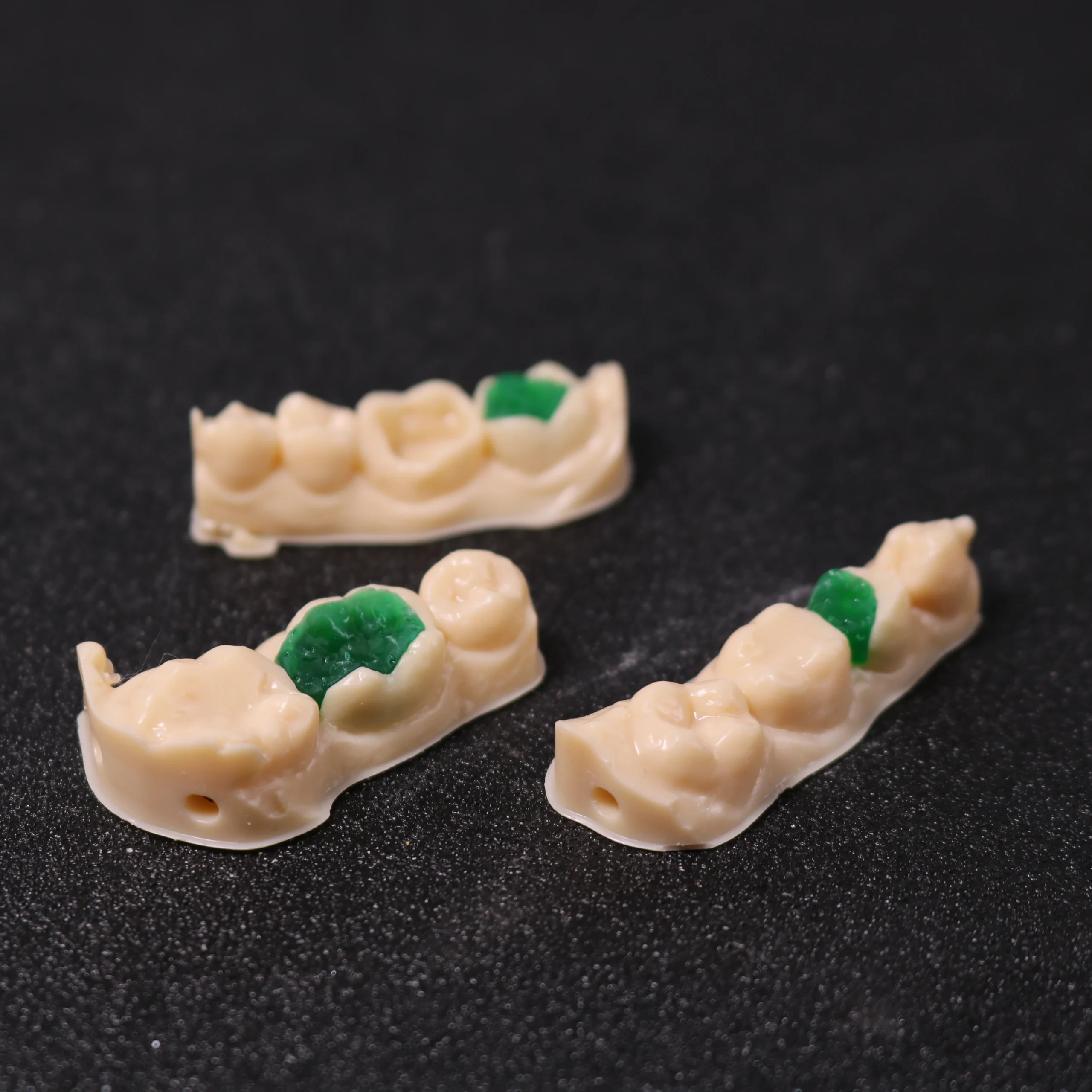
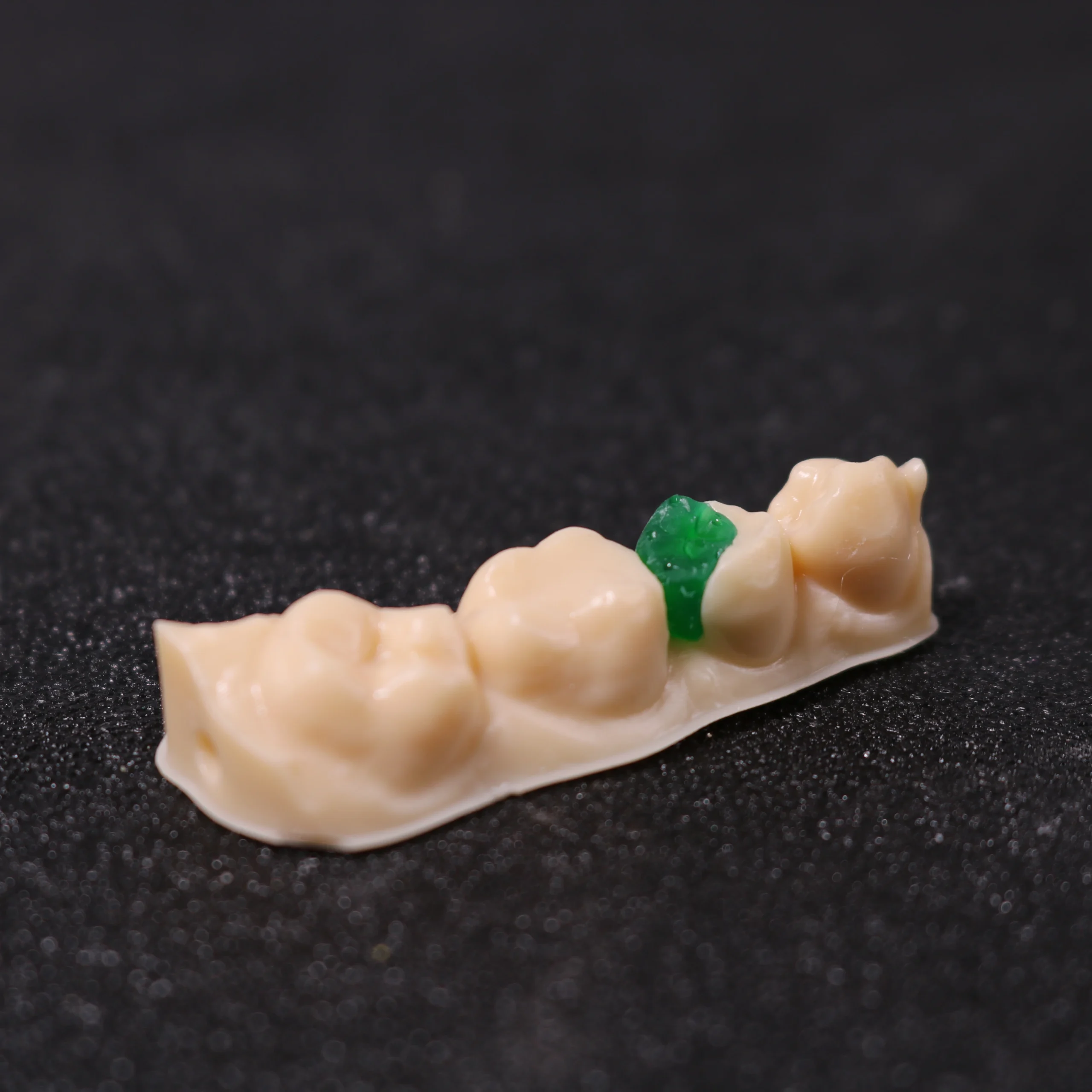
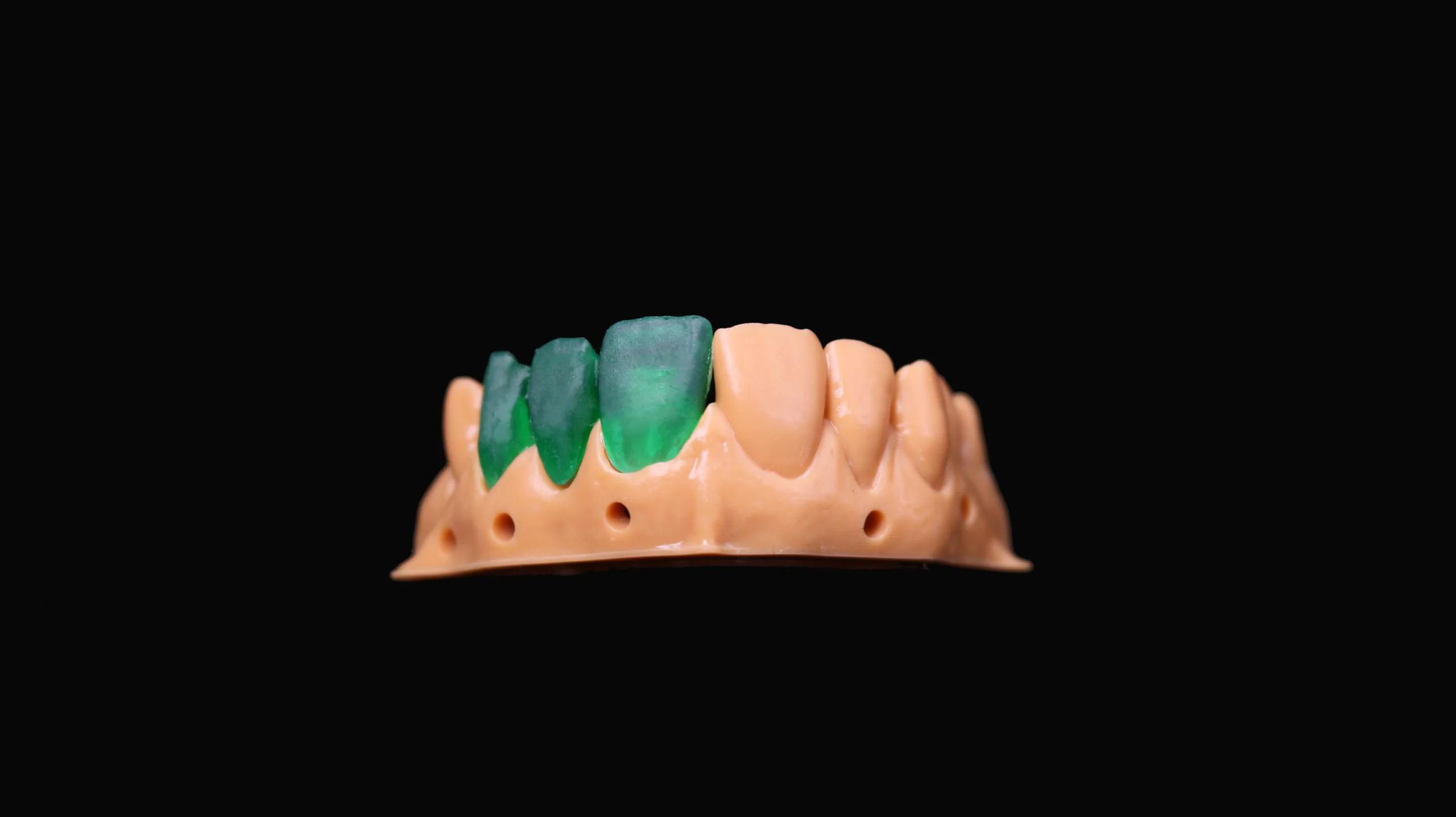
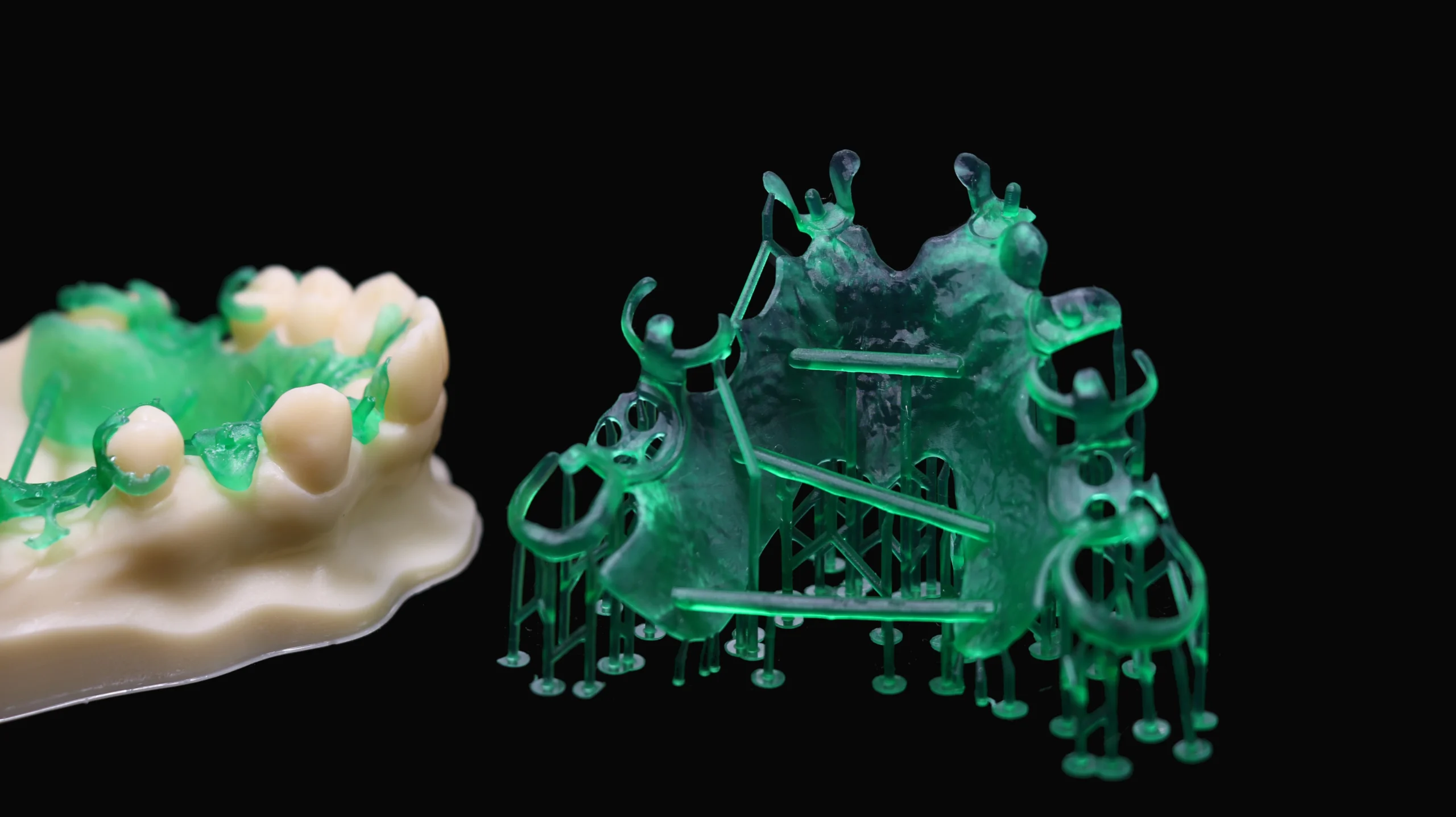
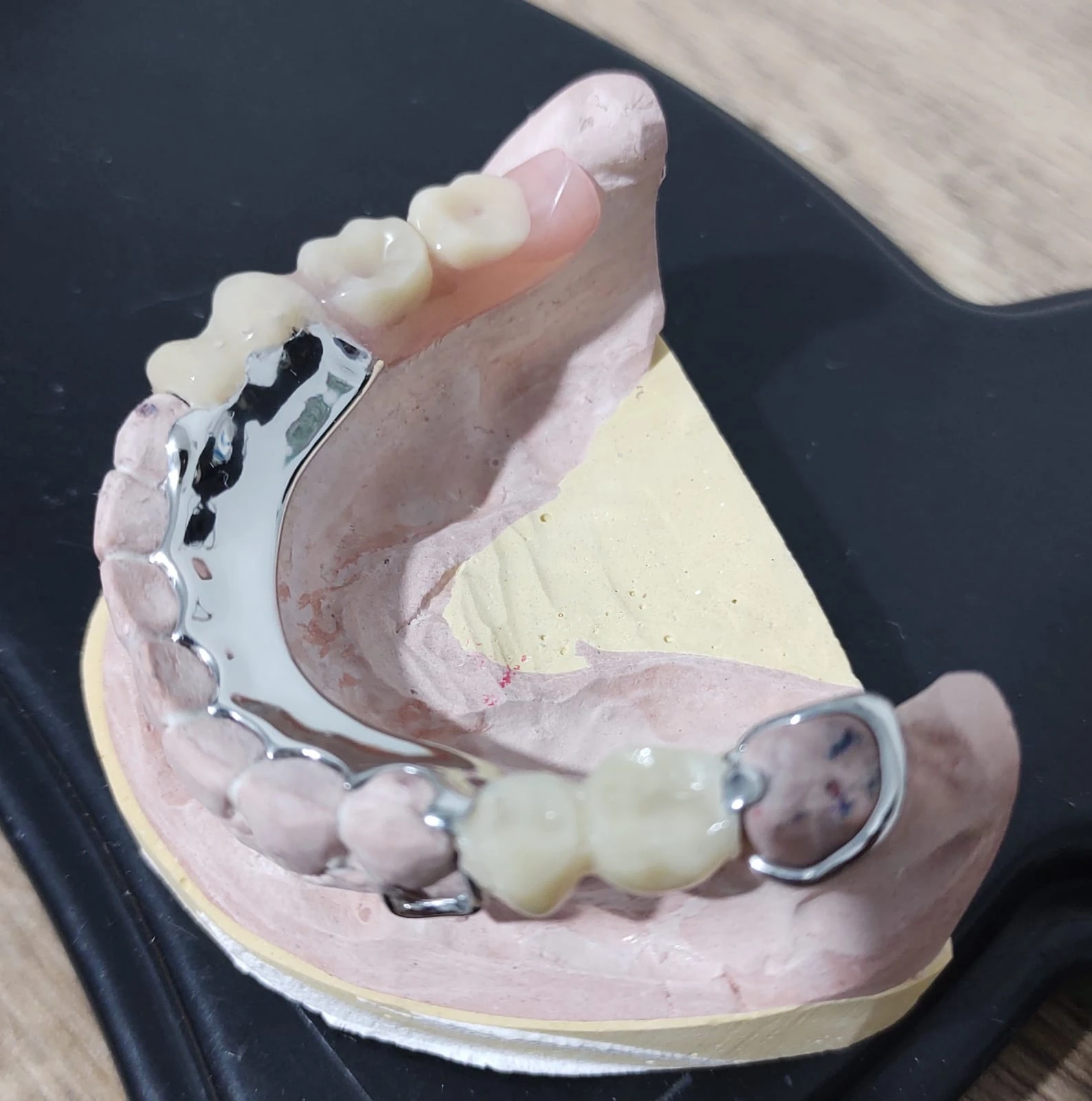
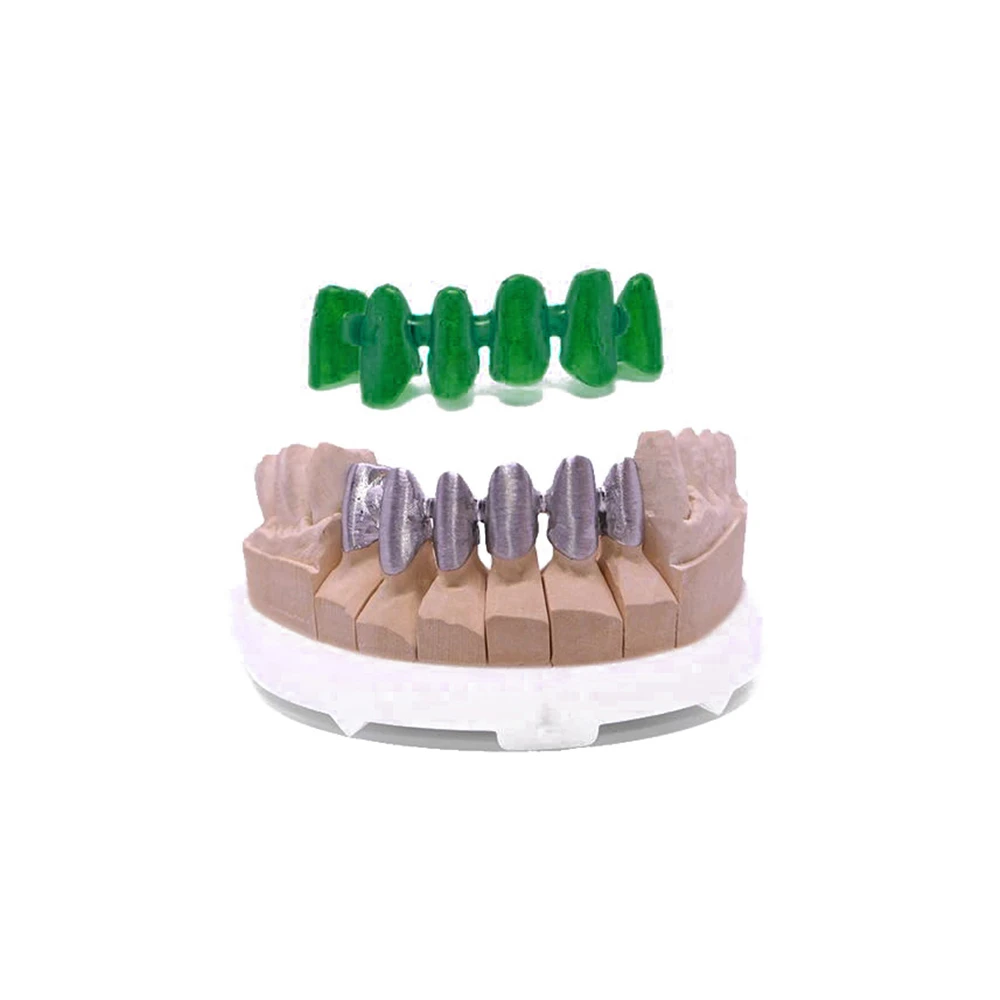
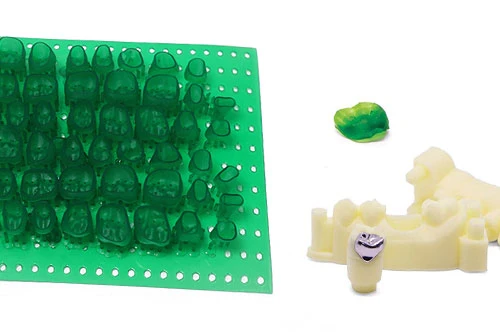
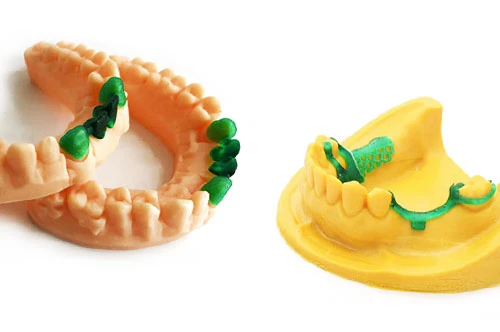
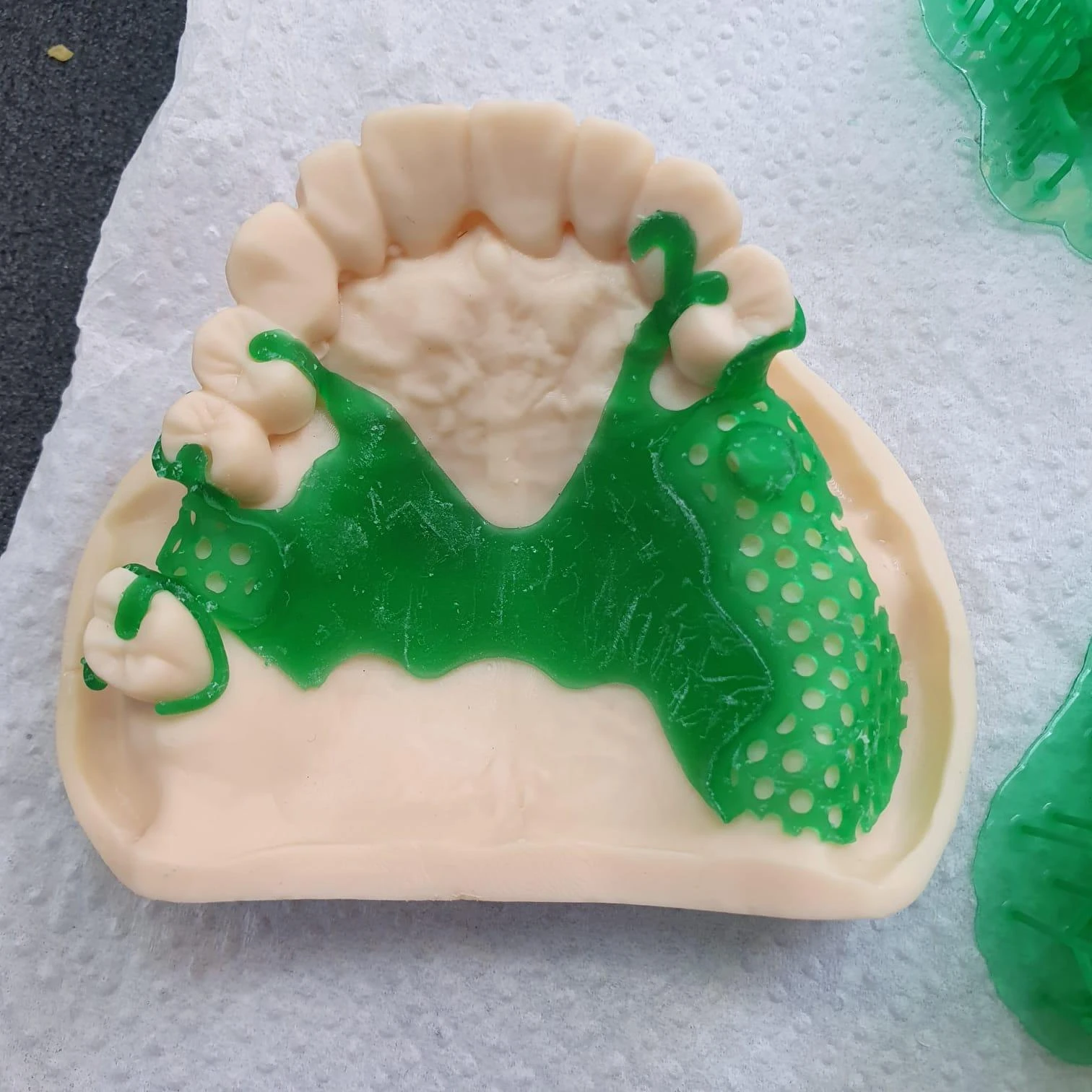
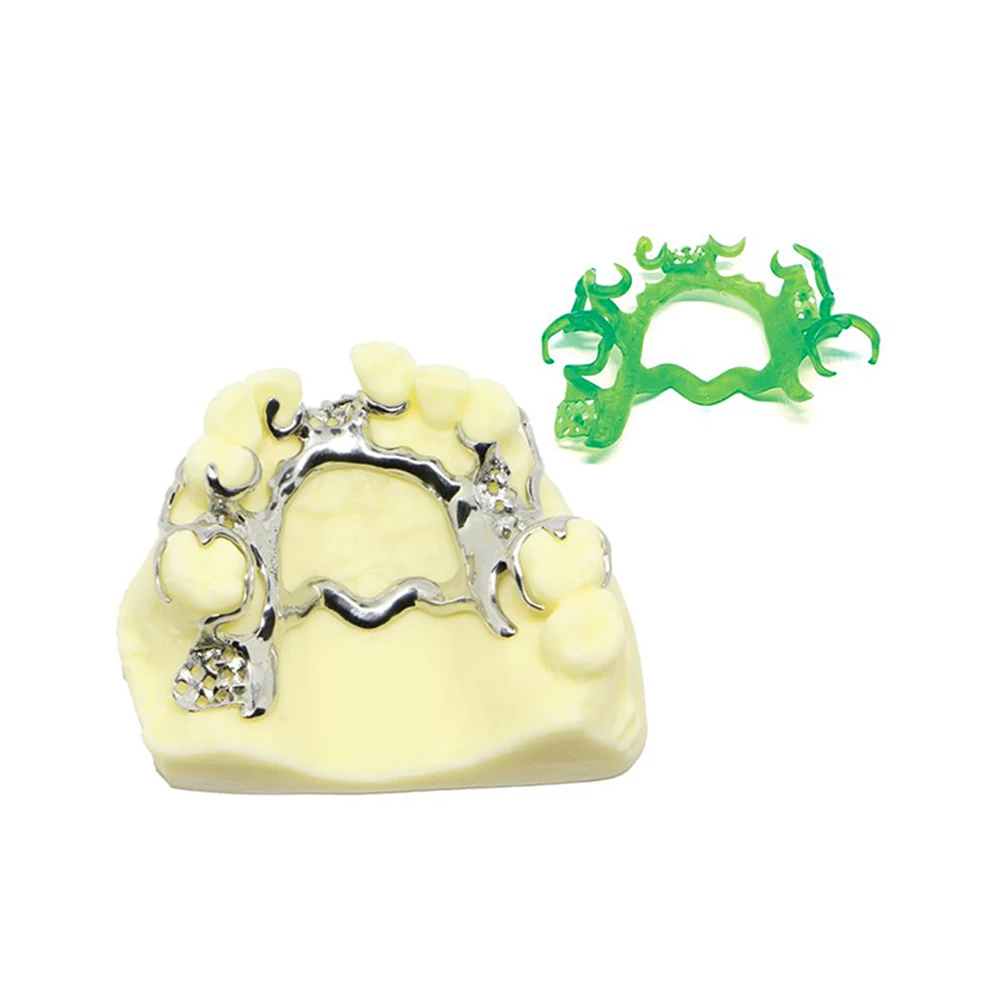
IFUN Dental Casting Resin 3163 is a low-viscosity, 100% ash-free 3D printing resin engineered for high-precision dental investment casting. Designed for Co-Cr/Ni-Cr crowns, bridges, and RPD frameworks, it delivers ±50μm accuracy and prints 110 crowns in 40 minutes with zero pattern distortion.
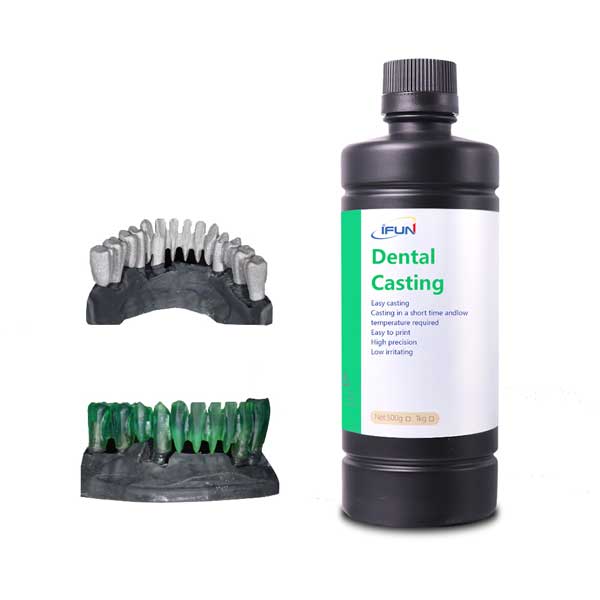
Engineered for Industrial Repeatability
Overcoming the limitations of traditional resin 3D printing with precision optical hardware and robust closed-loop motion systems.
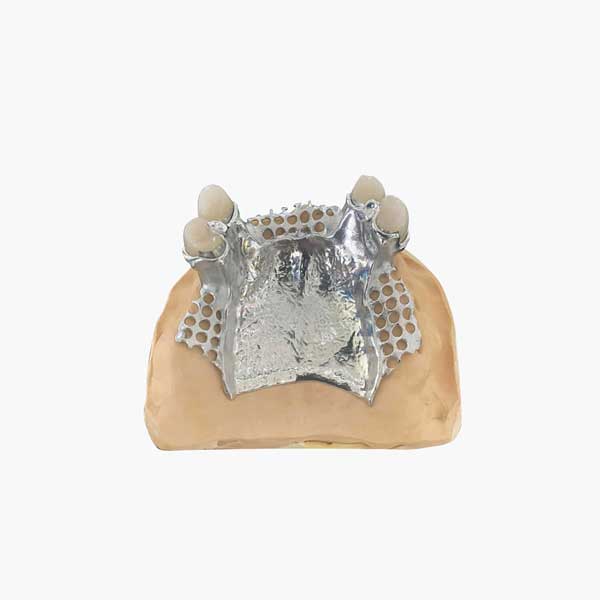
Ash-Free Burnout for Defect-Free Castings
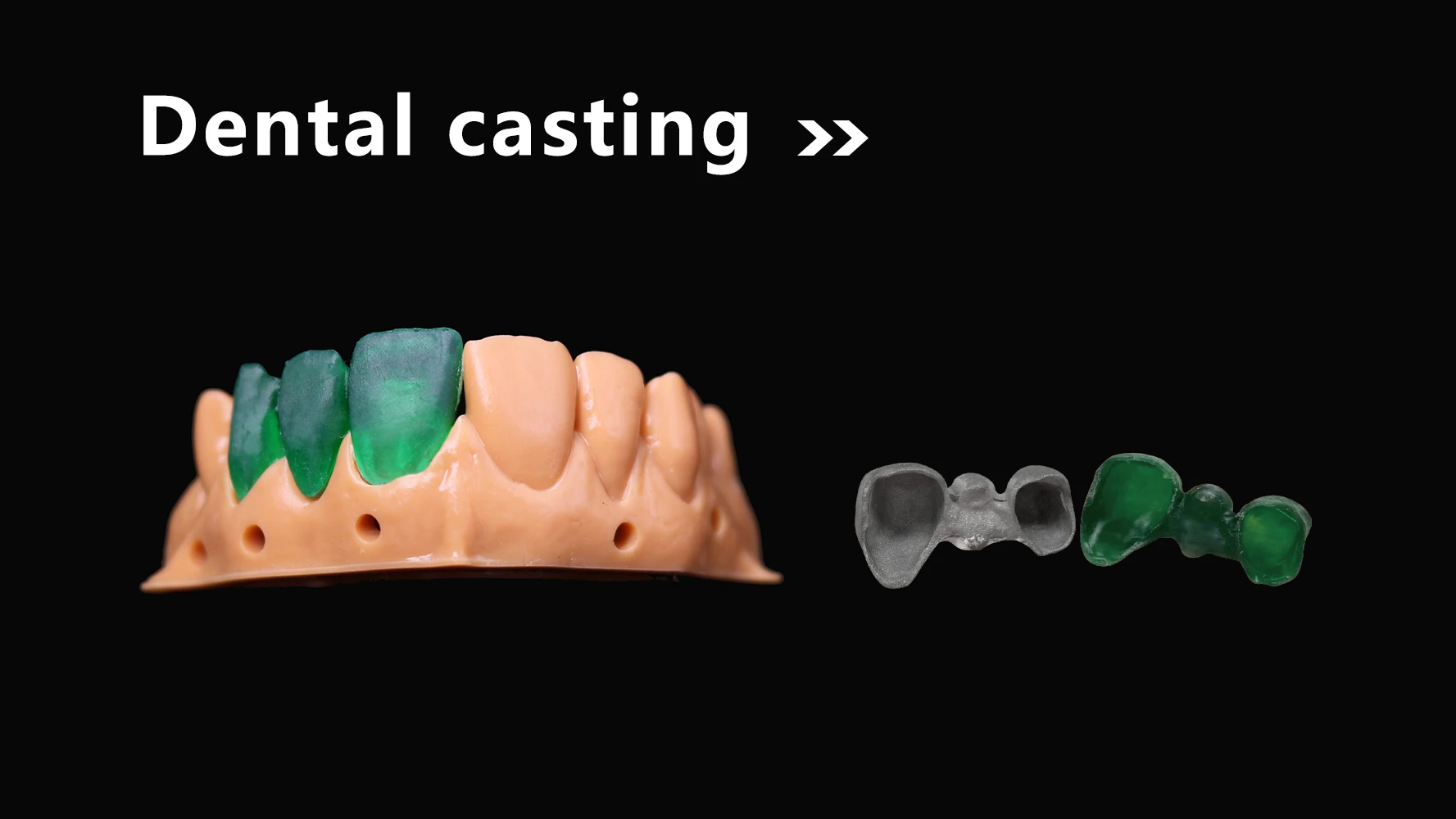
Formulated for complete thermal decomposition, this resin leaves near-zero ash residue (<0.01%) during standard dental investment burnout cycles. By eliminating carbon deposits, gas pockets, and surface pinholes inside ceramic cavities, it ensures smooth, clean surfaces on cobalt-chromium, nickel-chromium, and precious gold alloy restorations—reducing manual grinding and finishing time by up to 60%.
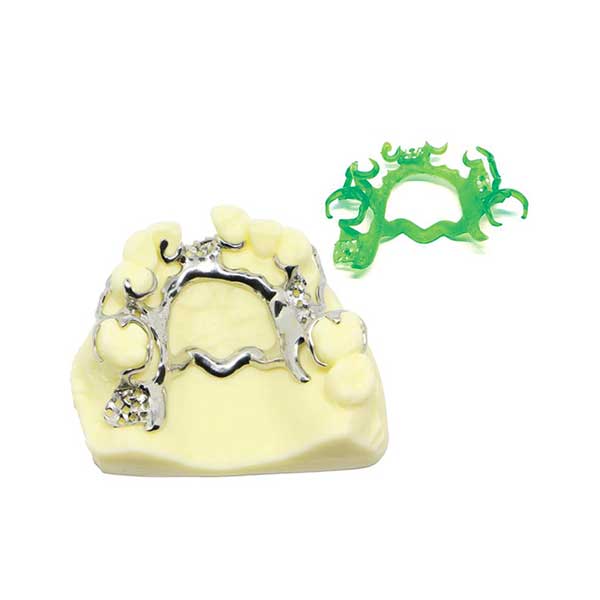
High-Precision Fit with Ultra-Low Shrinkage
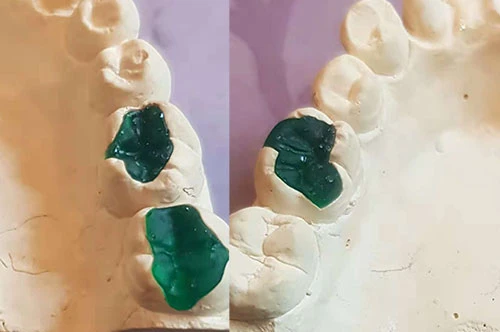
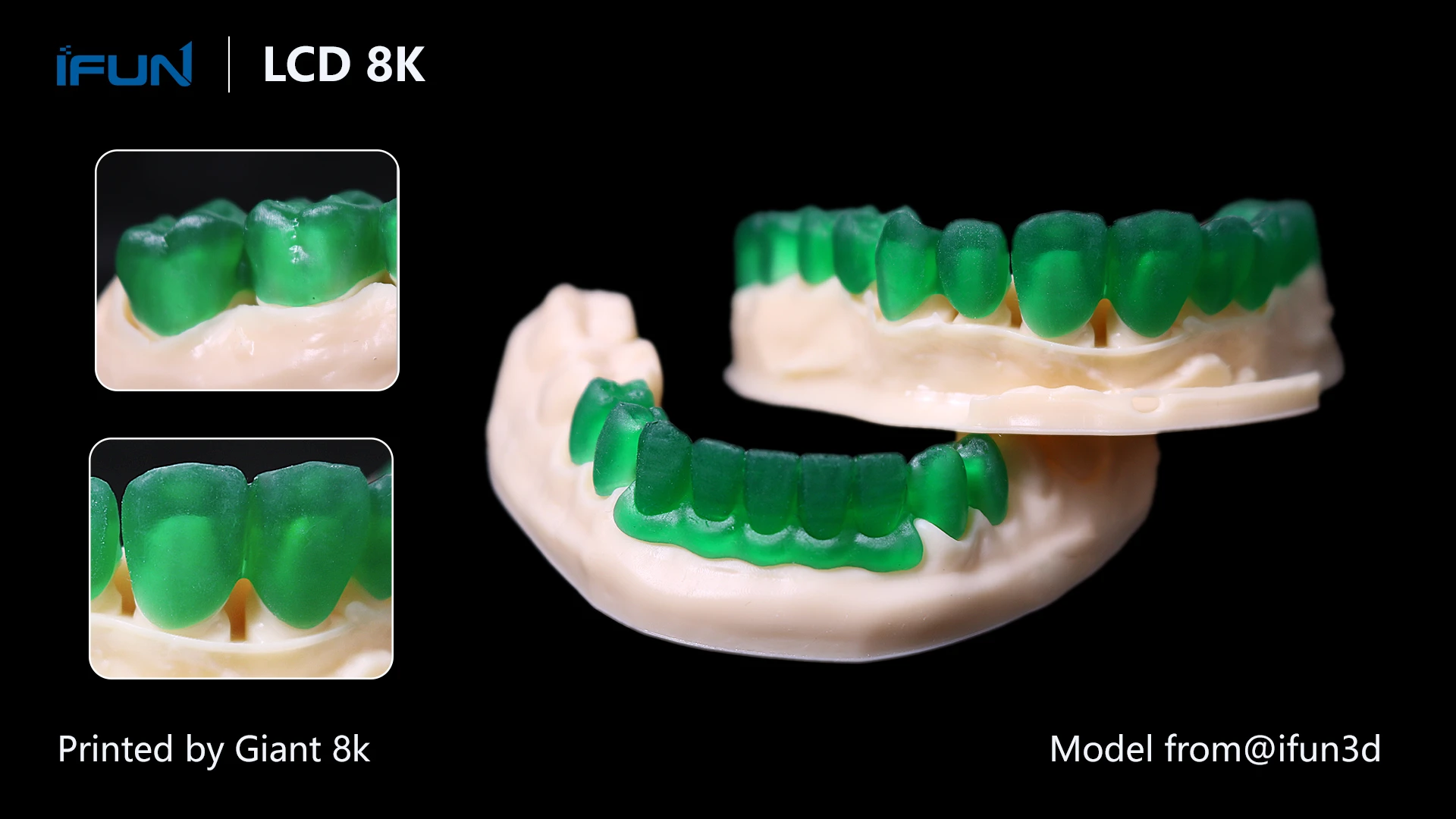
Featuring volumetric shrinkage under 0.5% and dimensional tolerances controlled within ±50μm, this material maintains anatomical fidelity and sharp margin integrity. Designed for long-span bridges, full-contour crowns, and complex inlay/onlay patterns, it delivers consistent passive seating onto master models and minimizes chairside adjustments for clinicians.
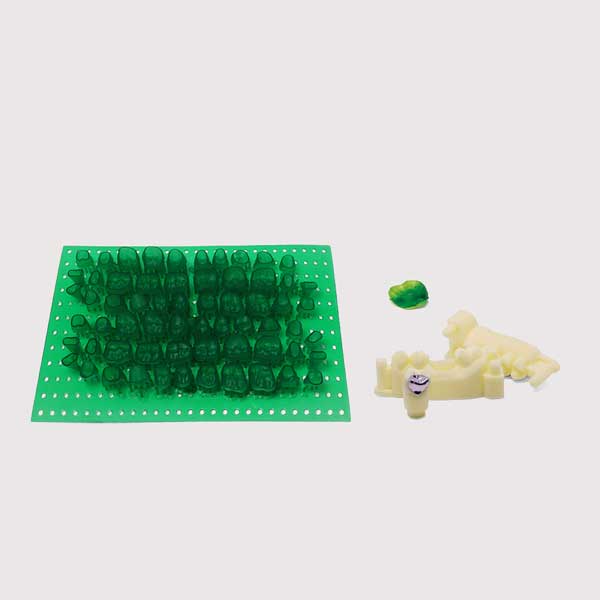
Rapid Batch Printing for Dental Workflows
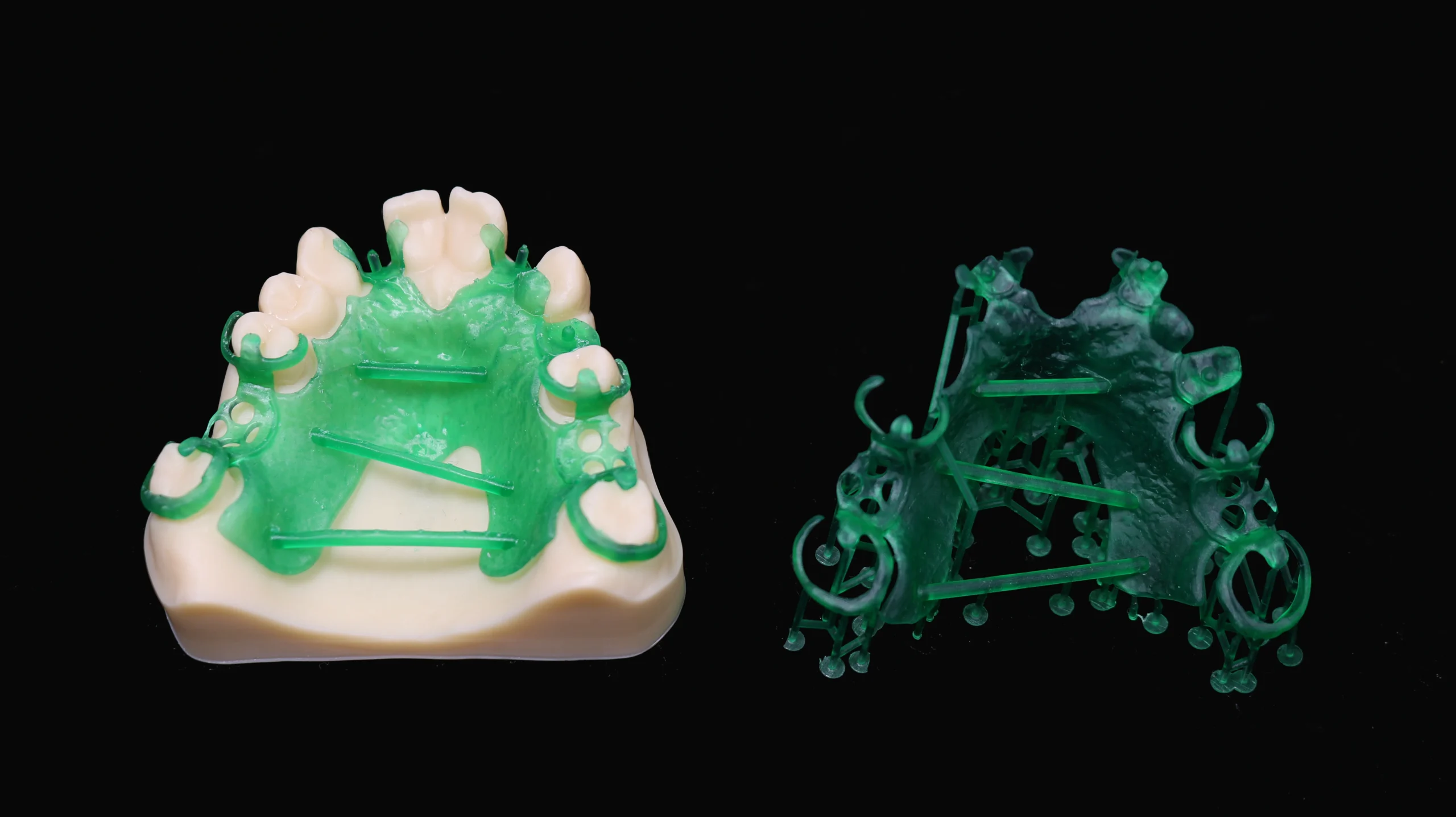
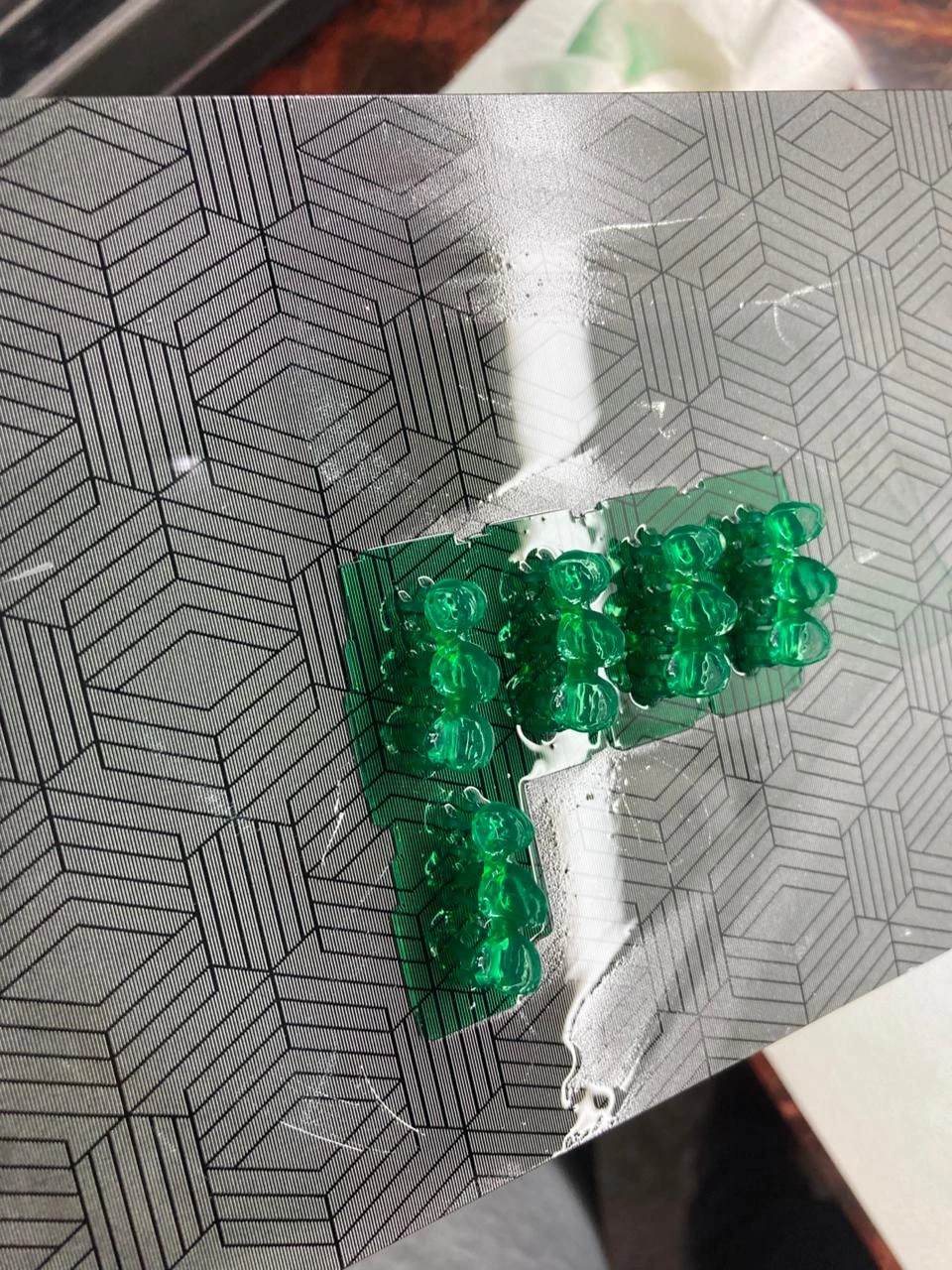
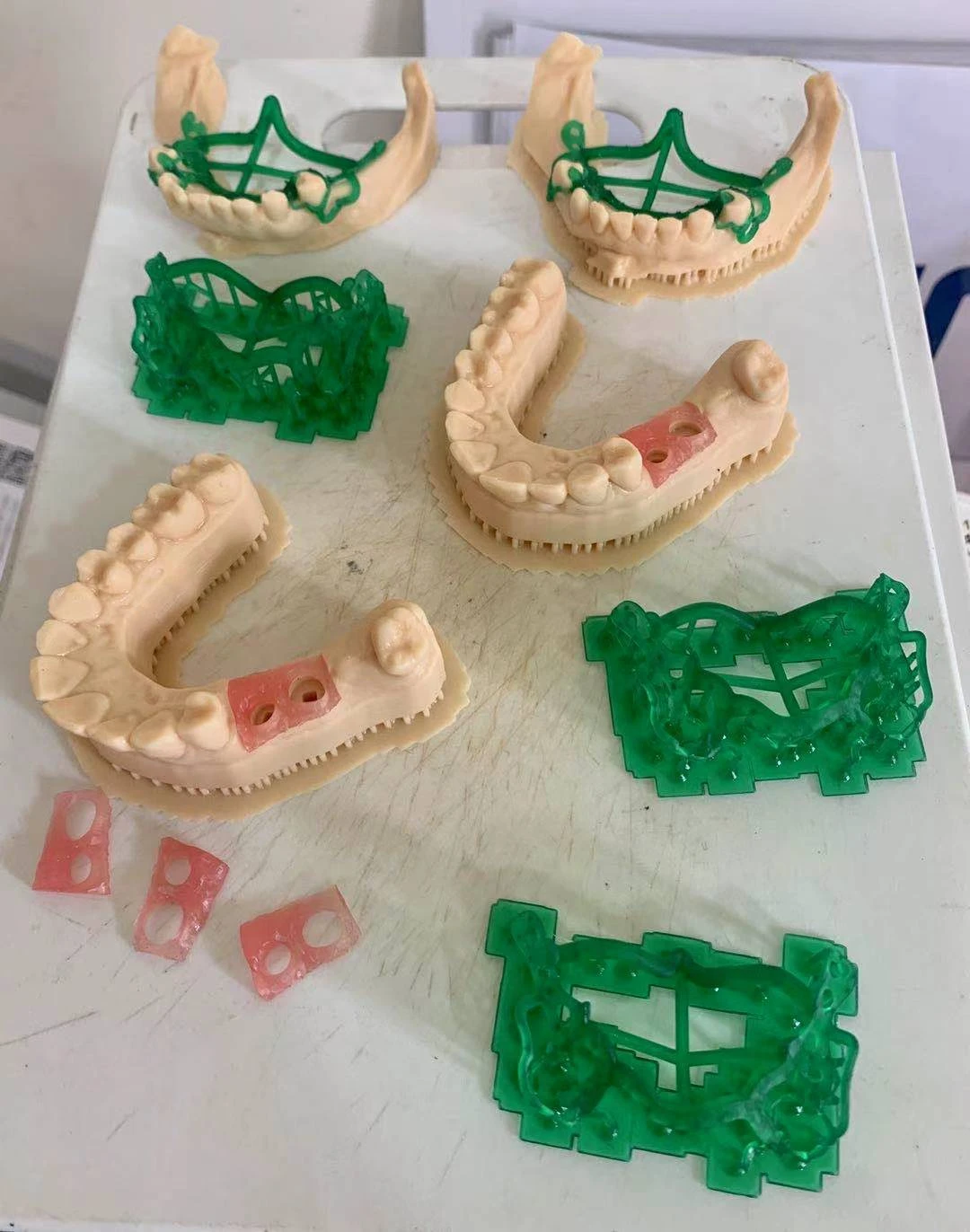
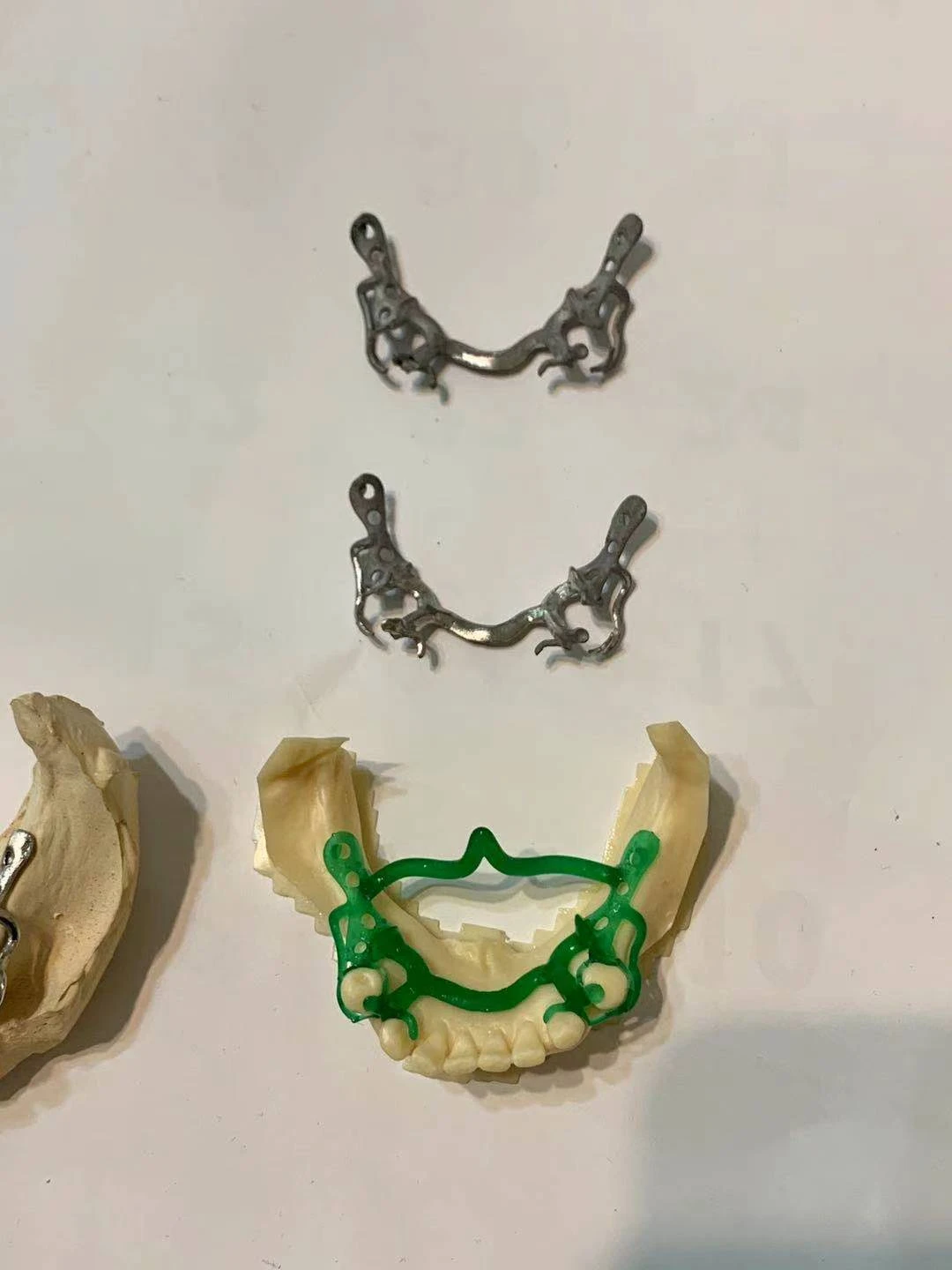
Engineered with high light reactivity and low viscosity, this resin optimizes layer exposure cycles on standard 4K/8K MSLA dental printers. It enables high-volume production schedules—producing up to 110 crowns in 40 minutes or 7 complete RPD frameworks in 2.5 hours—helping dental laboratories increase daily output and shorten turnaround times.
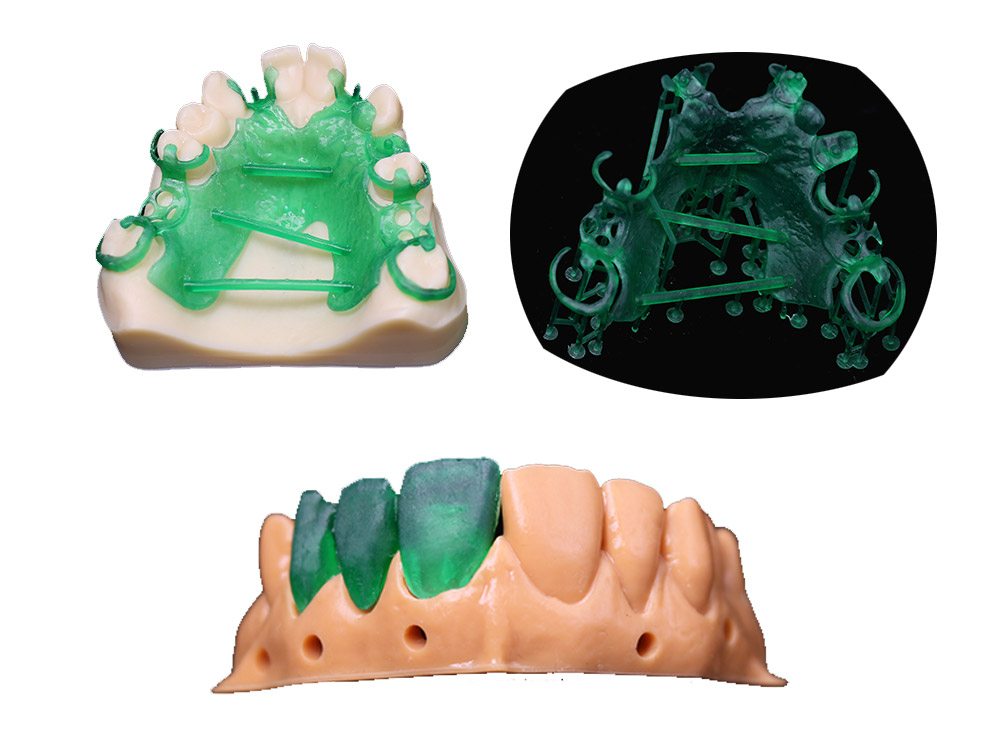
0.2 mm Thin-Wall Stability & Flexural Rigidity
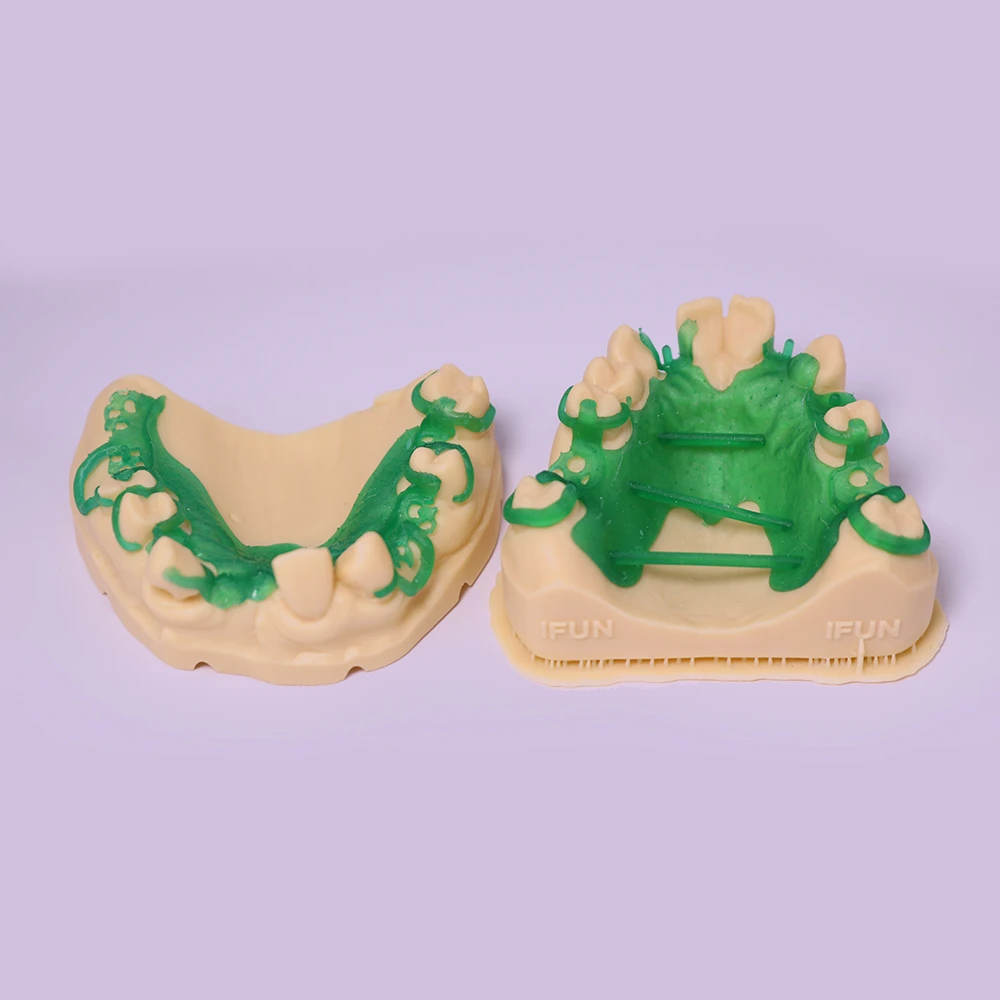
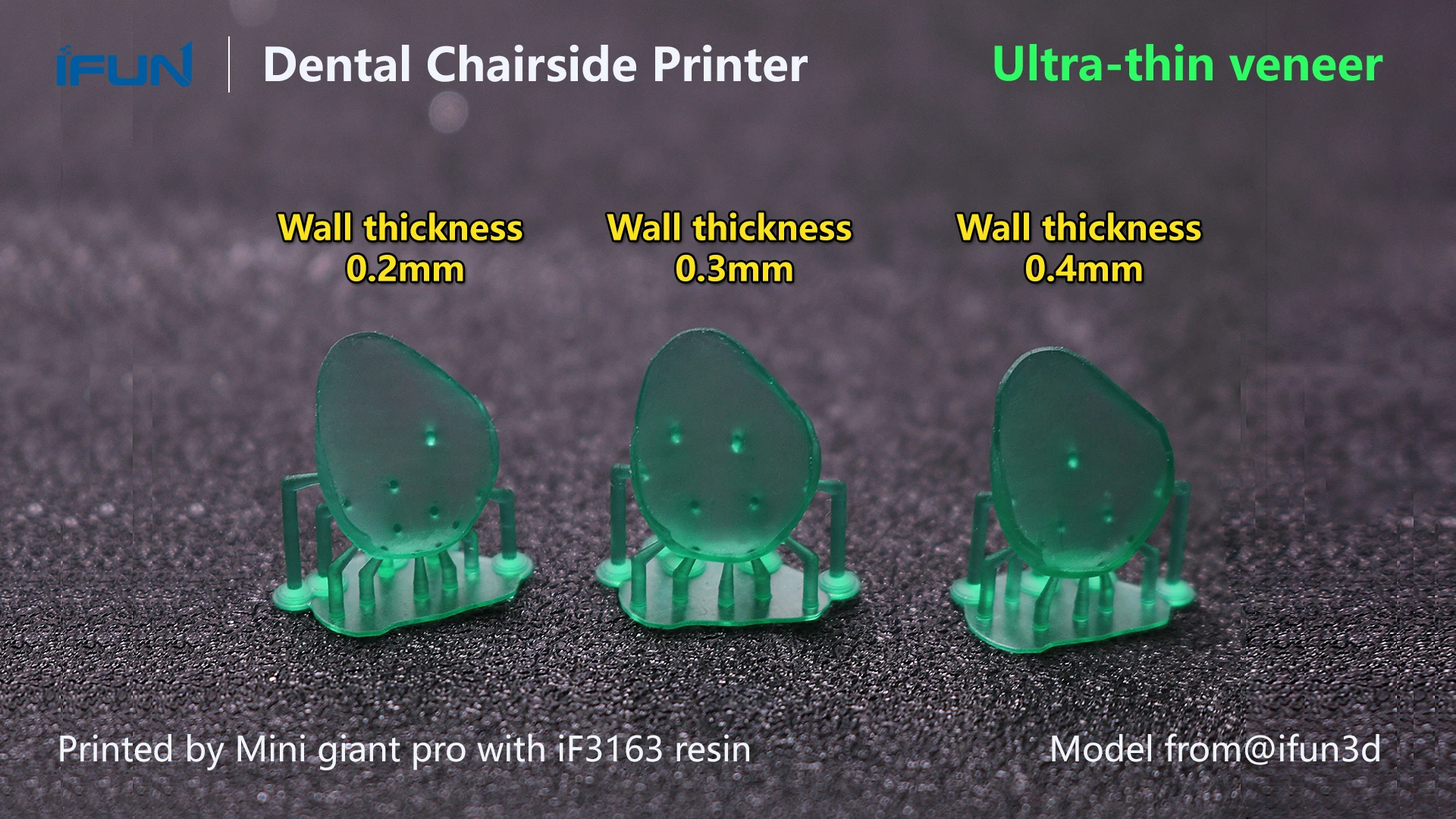
With a post-cured Shore D hardness of 63D and a flexural modulus of 650 MPa, this resin strikes the optimal balance between rigidity and toughness for ultra-thin 0.2 mm wall sections. It prevents pattern flexure or breakage under investment slurry weight during handling, cleaning, and dipping, ensuring high casting success rates for delicate partial denture clasps, lingual connectors, and thin copings.
Technical Performance Matrix
Verified parameters and testing protocols for jewelry casting validation.
| Content | Data Value | Testing method |
|---|---|---|
| Viscosity | 350-280cps(25℃) | ASTM D1084-1997 |
| Density | 1.09 | ASM D1875-69(1980) |
| Shrinkage | <0.5% | Capillary method |
| Hardness | 63D | ASTM D2240-05(2010) |
| Breaking strength | 20-25MPa | ASTM D1781 |
| Flexural modulus | 650MPa | ASTM D1929 |
Engineering Notes & Technical Interpretation
Engineering insights into how IFUN 3163 resin ensures zero-warp fit, ISO-certified biocompatibility, and long-term oral stability.
Why is 100% ash-free burnout critical for dental casting, and how does 3163 eliminate surface defects?
Residual ash or carbon particles inside an investment mold cavity react with molten dental alloys (such as Co-Cr, Ni-Cr, or precious metals) during pouring. This reaction generates gas bubbles, internal porosity, and carbon pits, forcing technicians to spend hours grinding away defects with carbide burs. Under standard burnout schedules (750°C–900°C), IFUN 3163 thermally decomposes completely into volatile gases, leaving less than 0.01% ash residue. This leaves a pristine ceramic cavity wall, producing metal castings with smooth, defect-free surfaces and razor-sharp margin edges.
How does <0.5% volumetric shrinkage directly lower lab remake rates?
When light-curable resins polymerize, molecular cross-linking causes volumetric contraction. In dental prosthetics, shrinkage higher than 1% distorts internal die relief space and shortens bridge spans, preventing restorations from seating passively onto master dies. With volumetric shrinkage controlled under 0.5% (verified via density differential testing), 3163 maintains linear deviation well below 0.2% across the entire arch. This guarantees that crown margins seal passively within the strict clinical 50-micron threshold, significantly reducing lab remake rates.
Why does low viscosity (280–350 mPa·s) matter for printing delicate 0.2 mm wall sections?
High-viscosity resins exert strong hydraulic drag forces on printed parts during Z-axis lift and peeling cycles. For ultra-thin geometries like 0.2 mm inlay margins or removable partial denture (RPD) clasp tips, these peel stresses cause pattern bending, layer separation, or tearing. A low viscosity of 280–350 mPa·s ensures rapid resin reflow across the vat release film, minimizing suction forces. Additionally, thin surface liquid washes off effortlessly, shortening solvent bath exposure and preventing solvent-induced softening of delicate wax-up details.
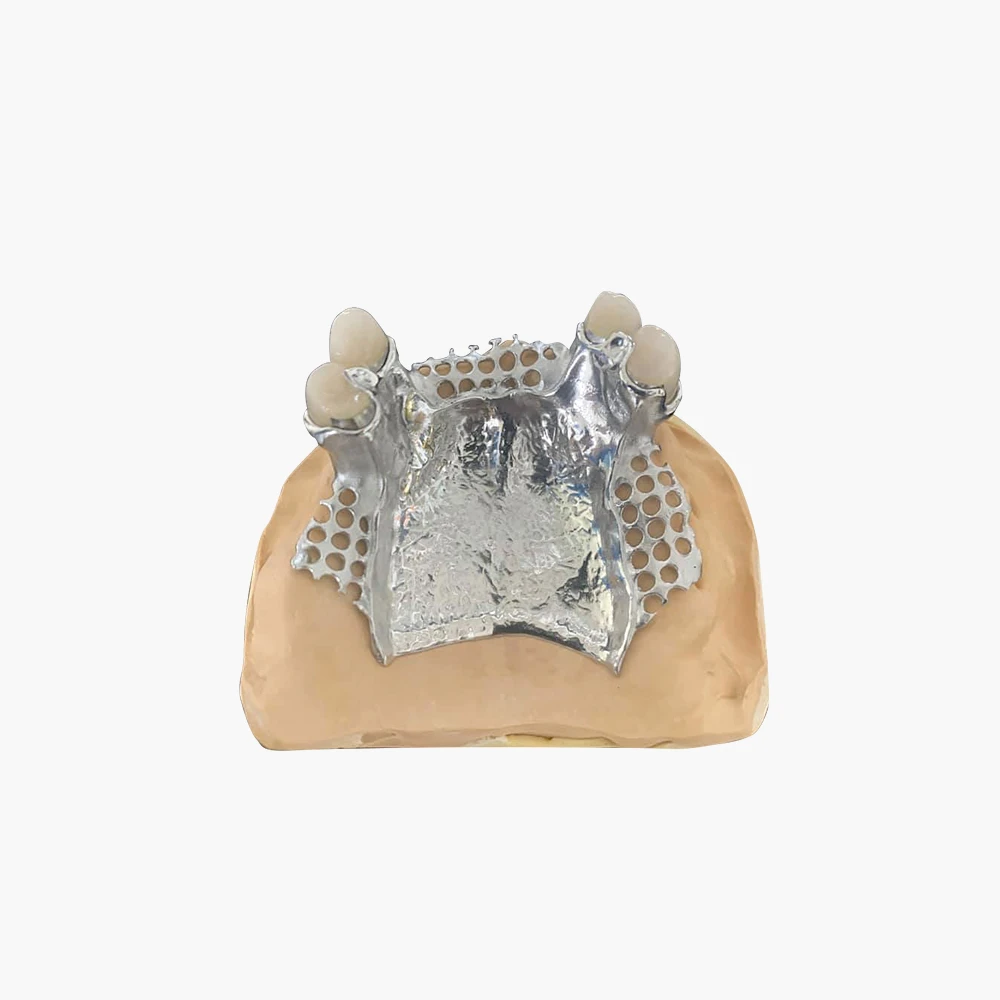
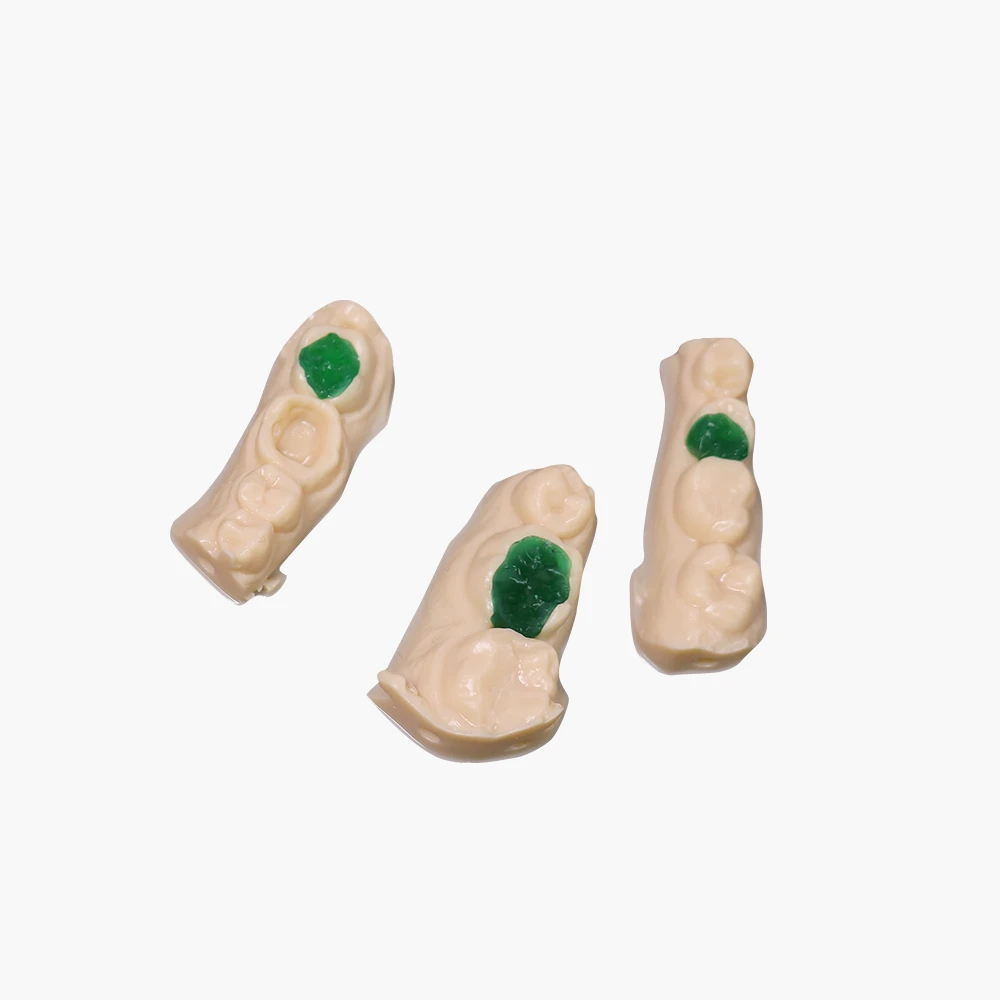
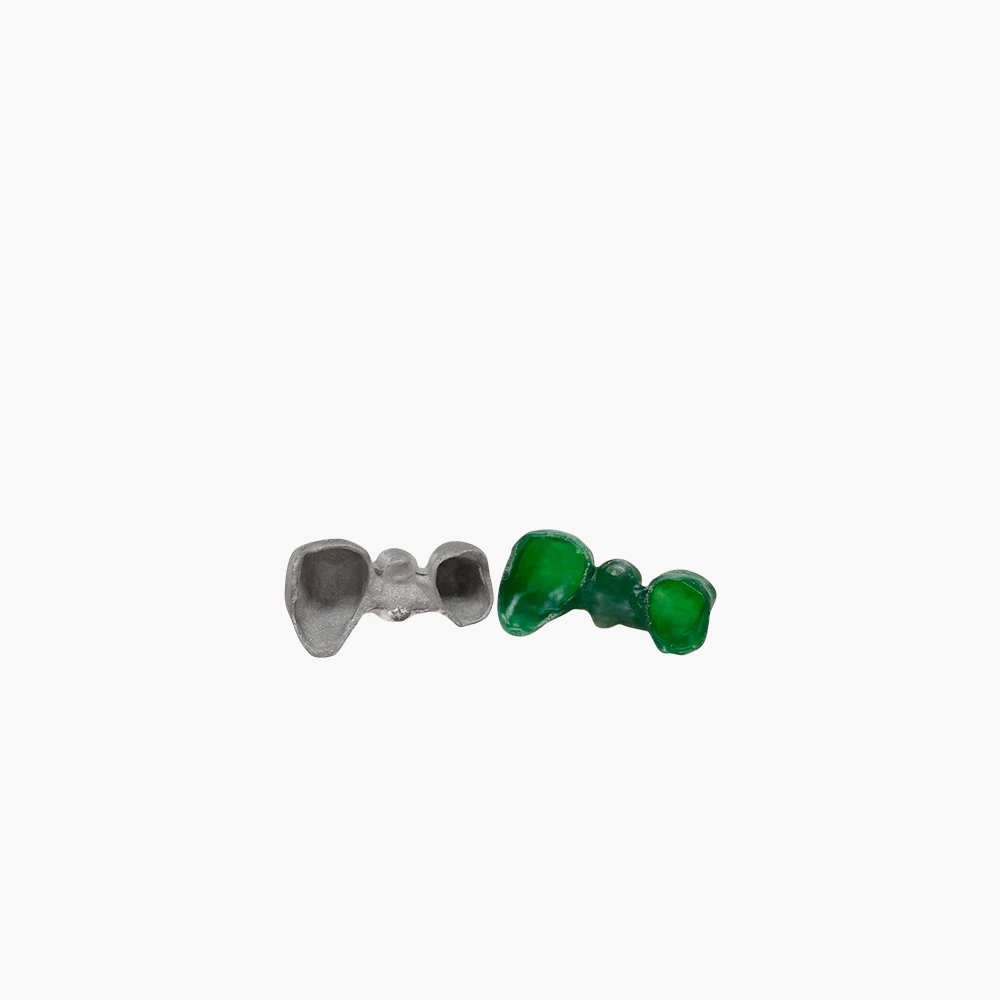
Print & Clinical Results
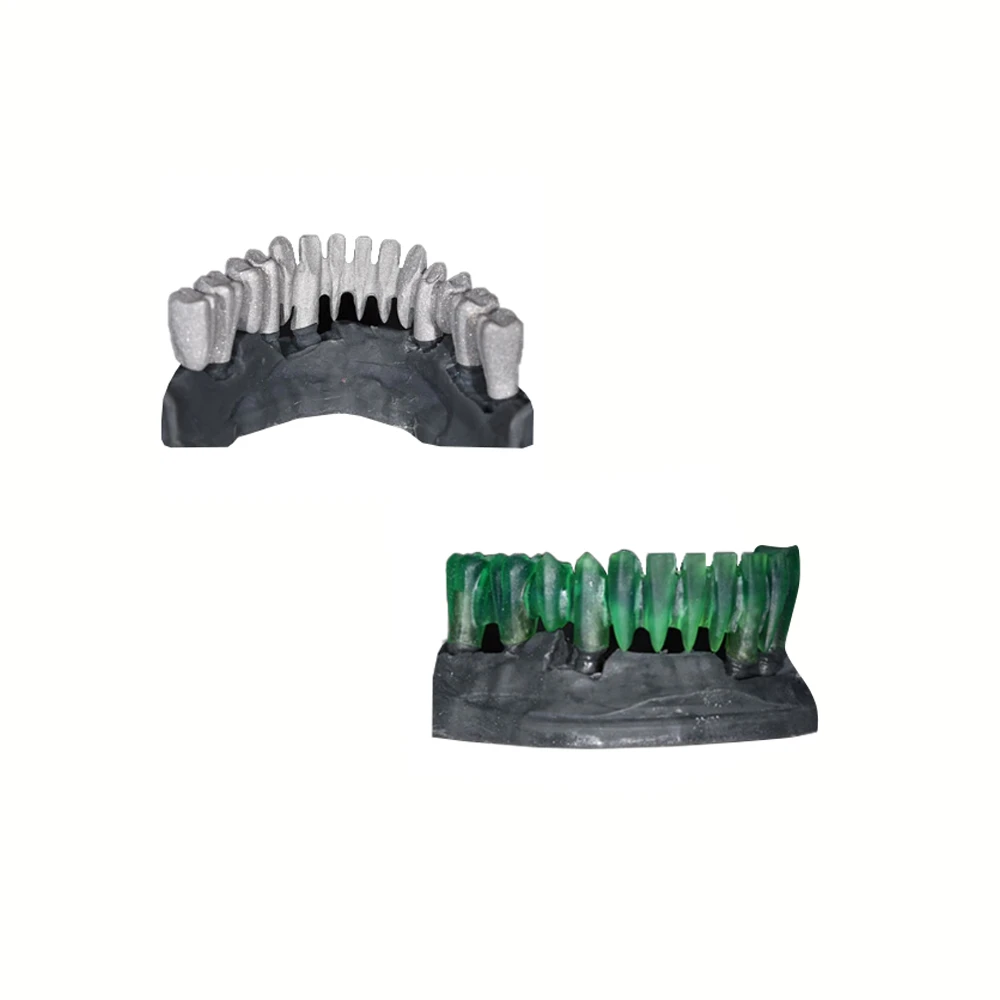
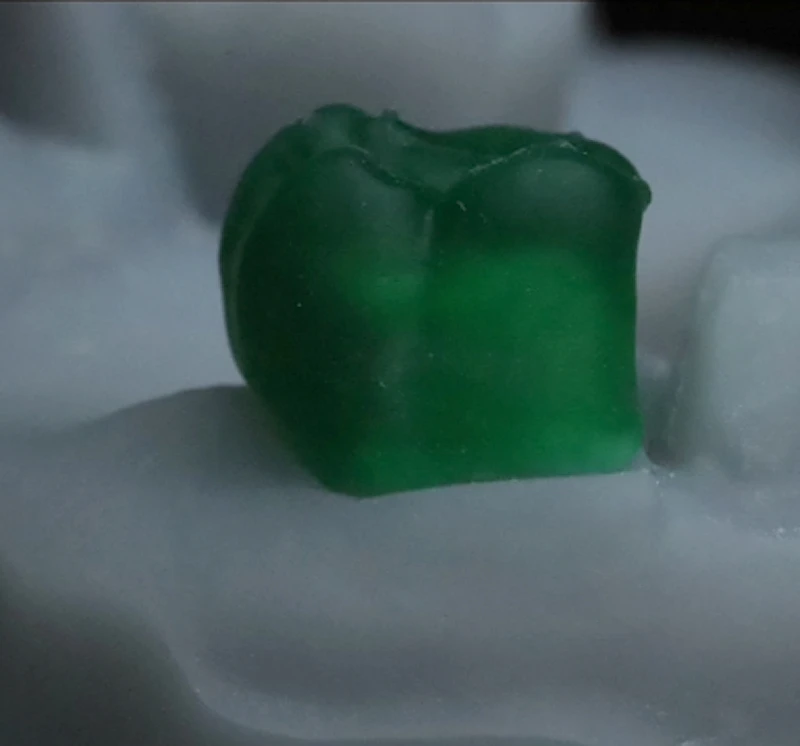
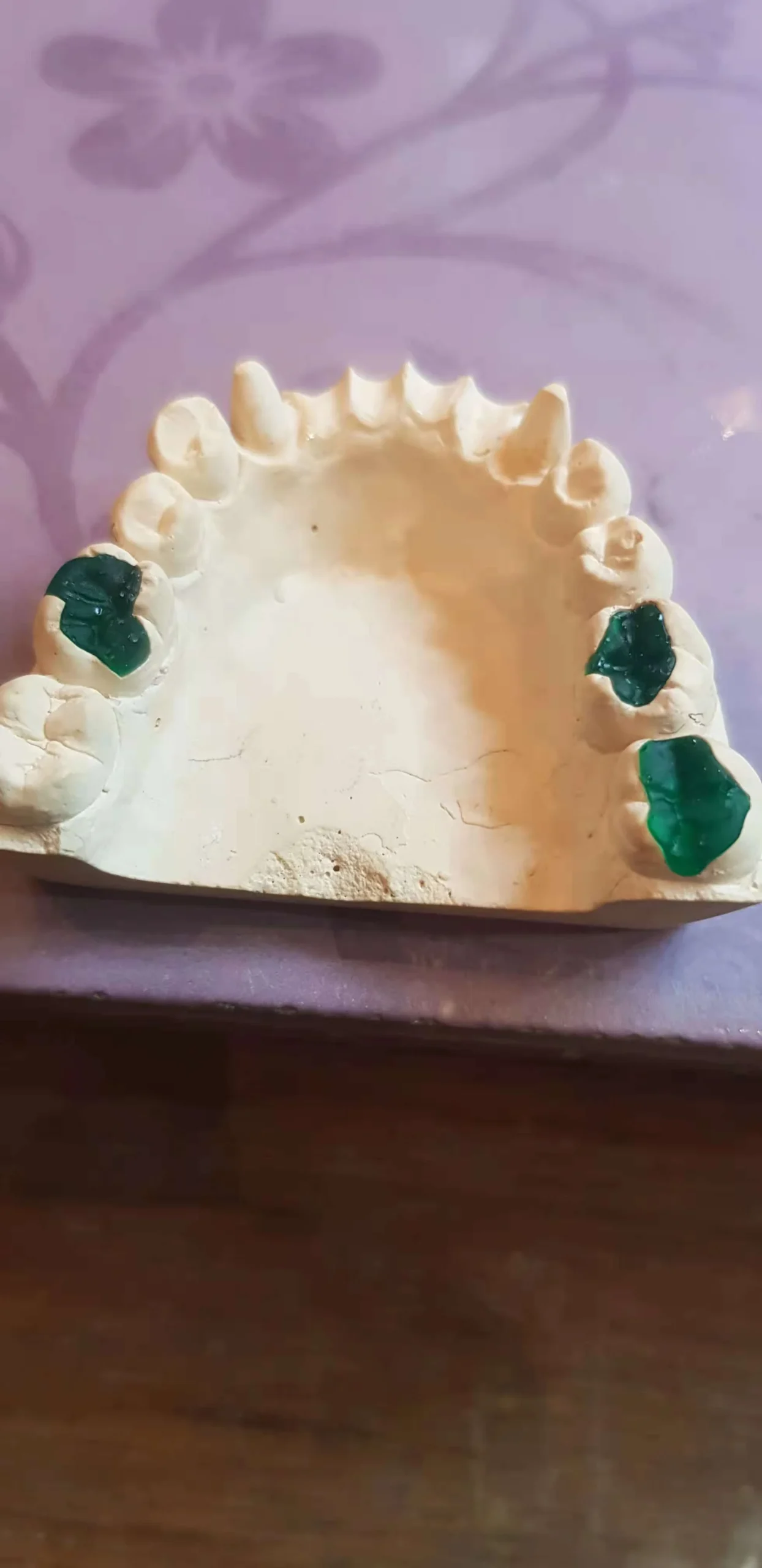
Explore 3D printed dental resins, precision models, and real-world clinical restorations.
Related Products & Solutions
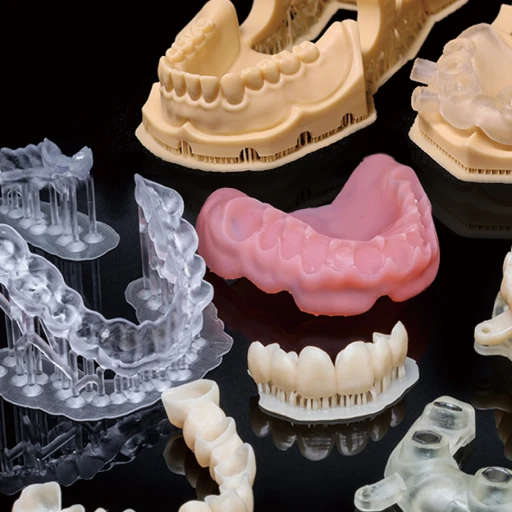
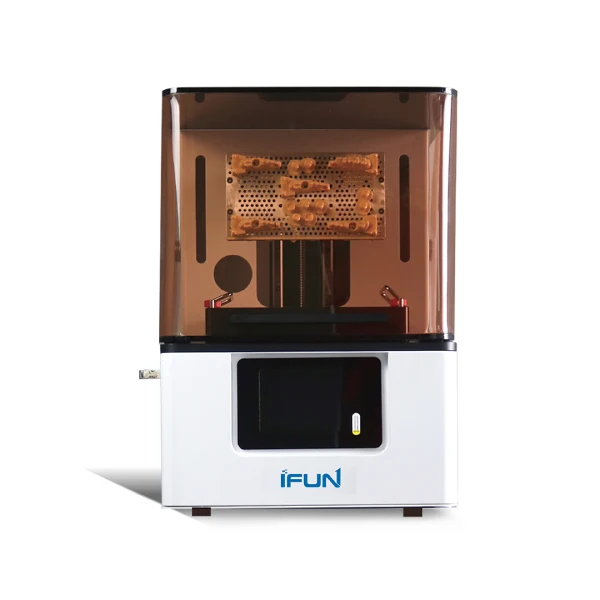
Discover high-performance 3D printing equipment, specialized resins, and end-to-end digital solutions tailored to your manufacturing needs.
Get an Instant Quote for Your 3D Printing Setup
Connect with our application engineers to select the ideal 3D printer (Resin/Wax) and materials (Dental/Jewelry) for your production, complete with unit cost calculations and a customized proposal.
Need a Faster Response?
Chat directly with our sales engineers on WhatsApp for quick price estimates, resin matching, or bulk ordering details.