
Clear Biocompatible Dental Occlusal Splint Resin 3162
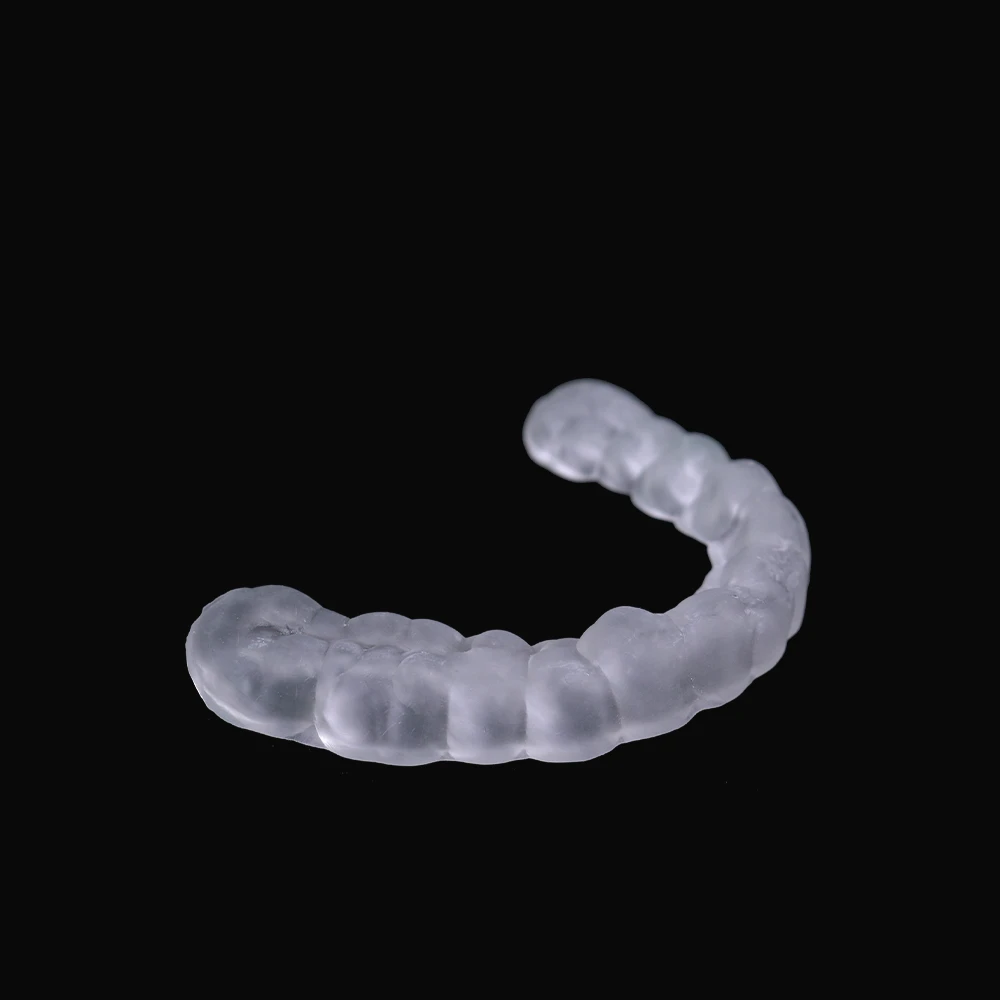
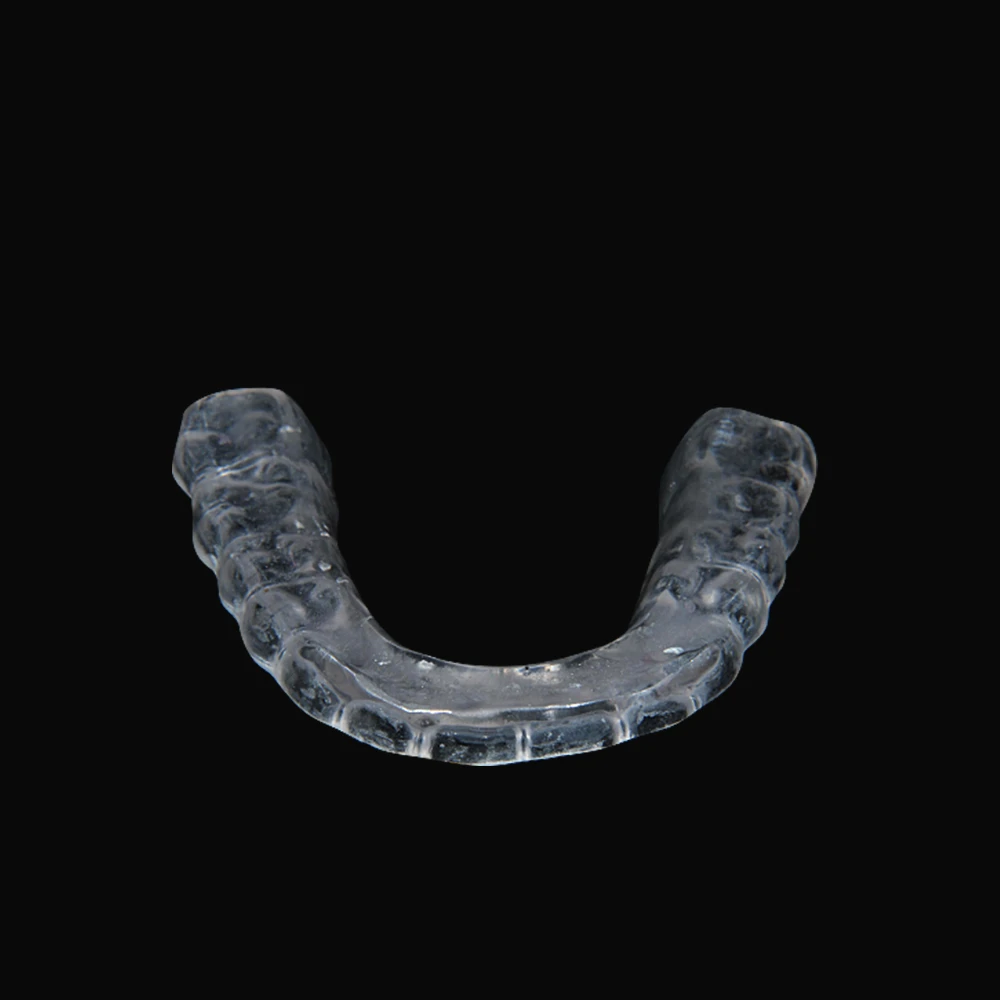
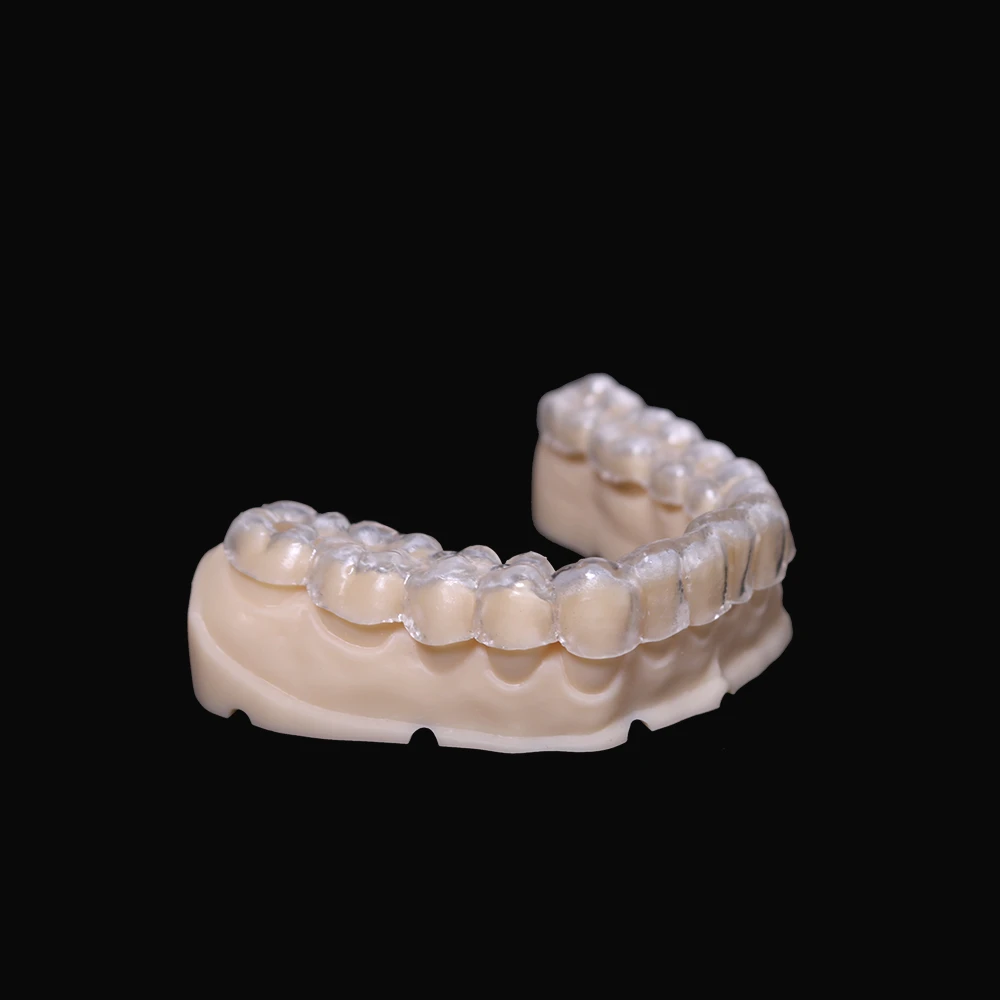
Dental Occlusal Splint Resin (#3162) is an ISO 10993 certified, biocompatible photopolymer engineered for 3D printing precision night guards and TMJ therapeutic splints. Featuring ultra-low shrinkage (0.5–1.0%) and high light transmittance (>80%), 3162 resin delivers glass-clear, dimensionally stable appliances that eliminate post-cure warping, drastically reduce remake rates, and resist degradation in oral environments.

Engineered for Industrial Repeatability
Overcoming the limitations of traditional resin 3D printing with precision optical hardware and robust closed-loop motion systems.
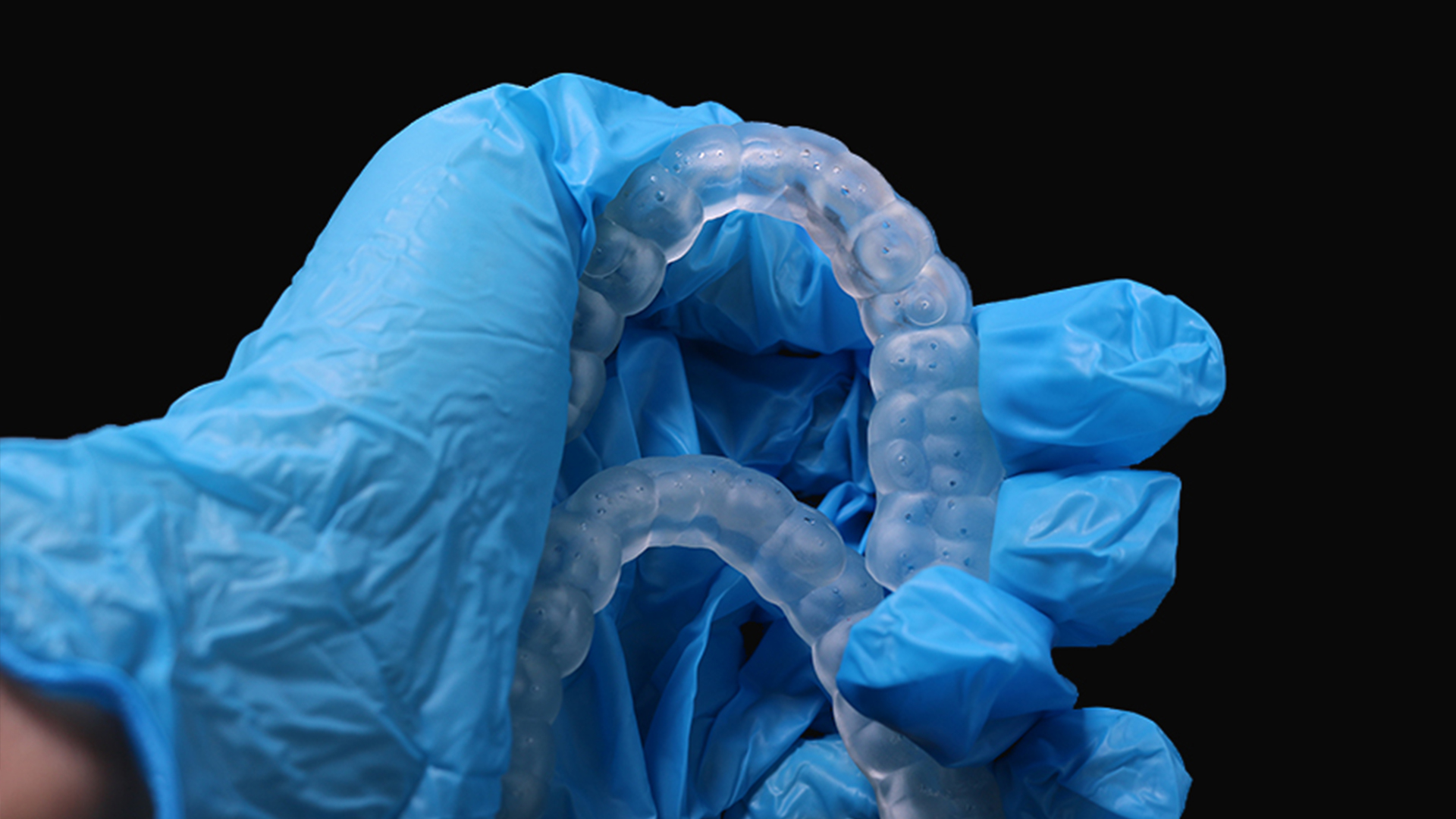
Safe for daily wear
We tested it by simulating the oral environment. After soaking for 48 hours, the appearance of the model is intact, the mechanical properties are unchanged, and there is no softening or brittleness.
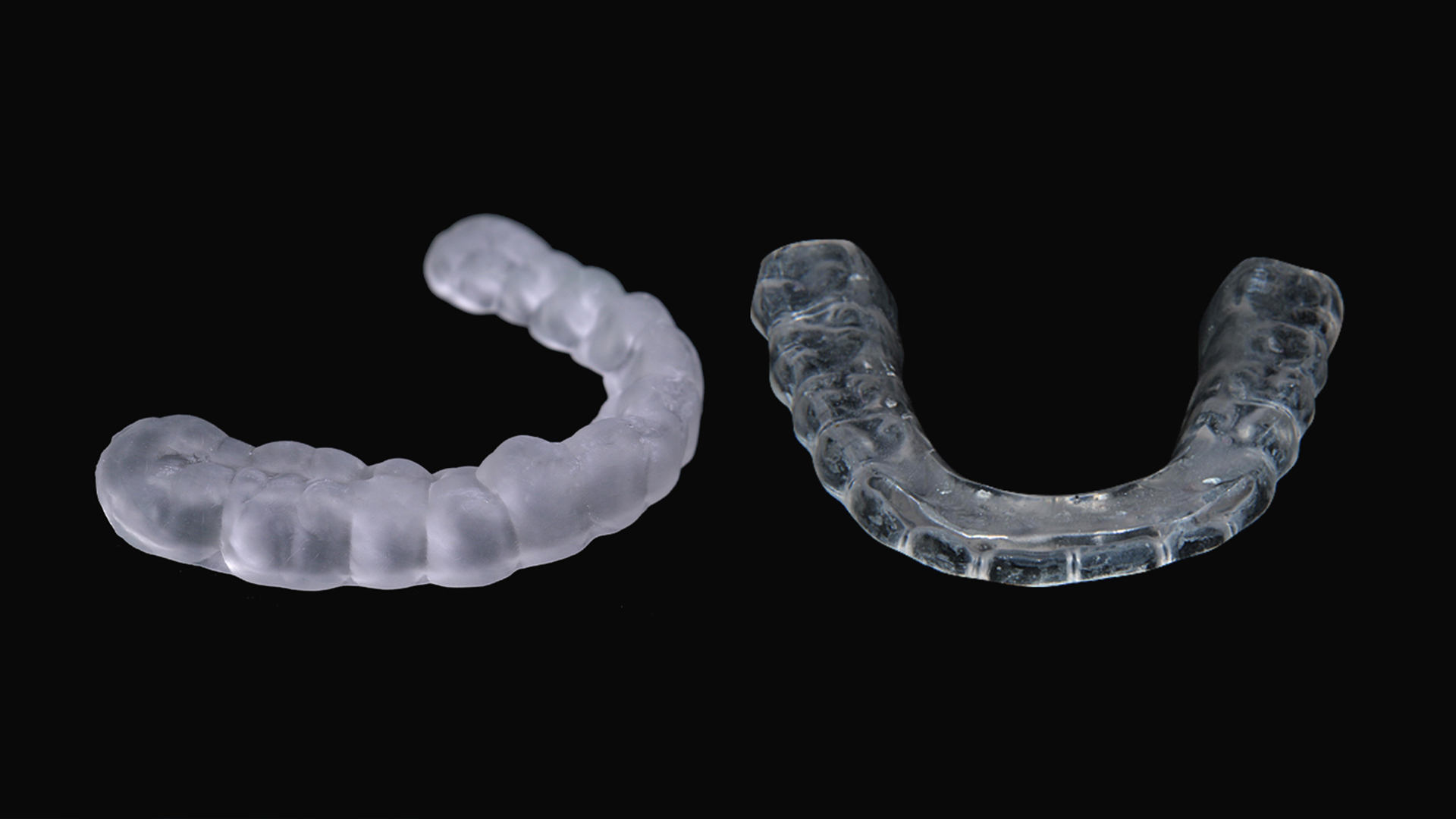
Suitable strength and toughness
3162 resin has strong physical properties, combining strength and toughness, and is very suitable for bite splint applications.
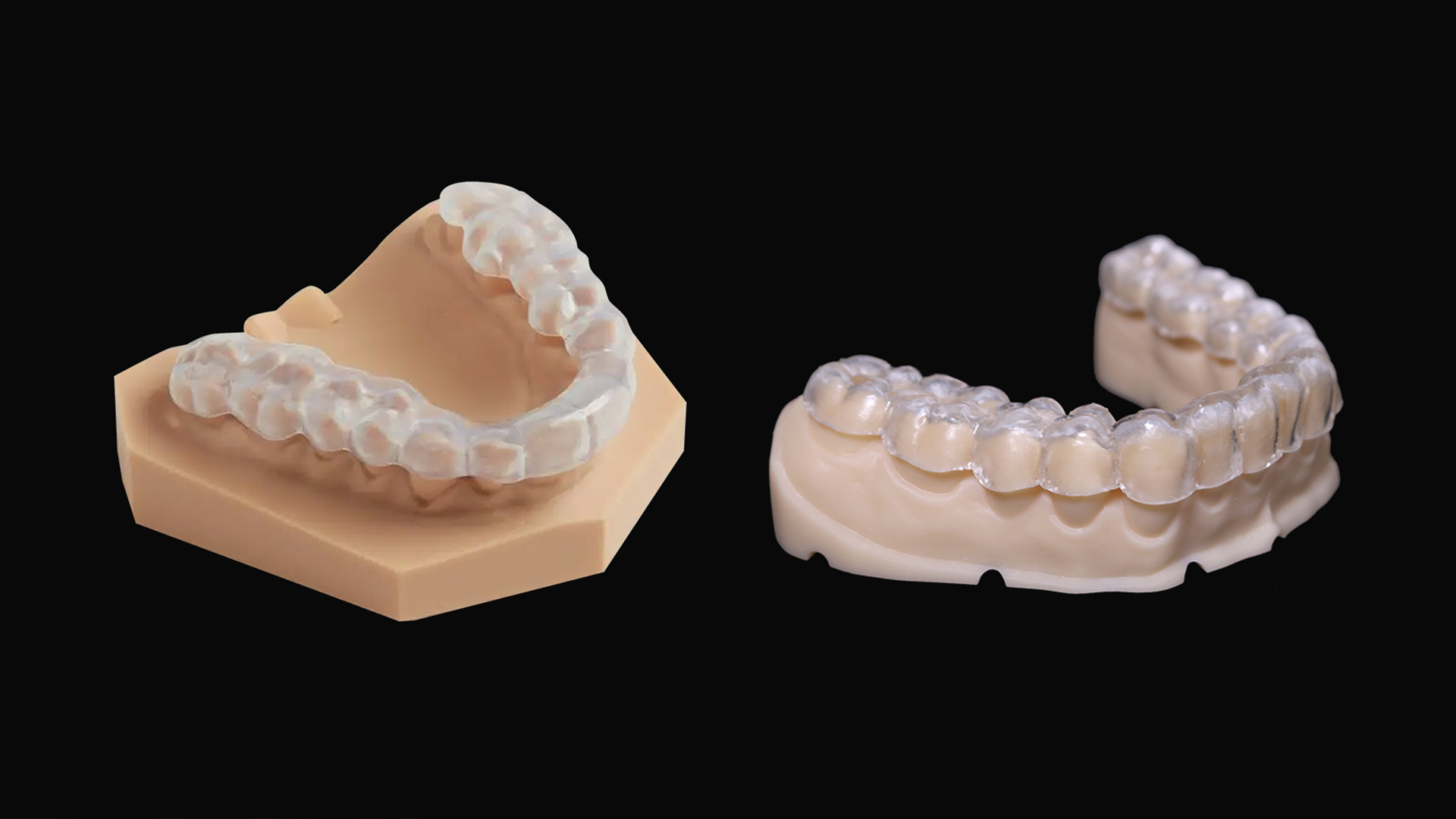
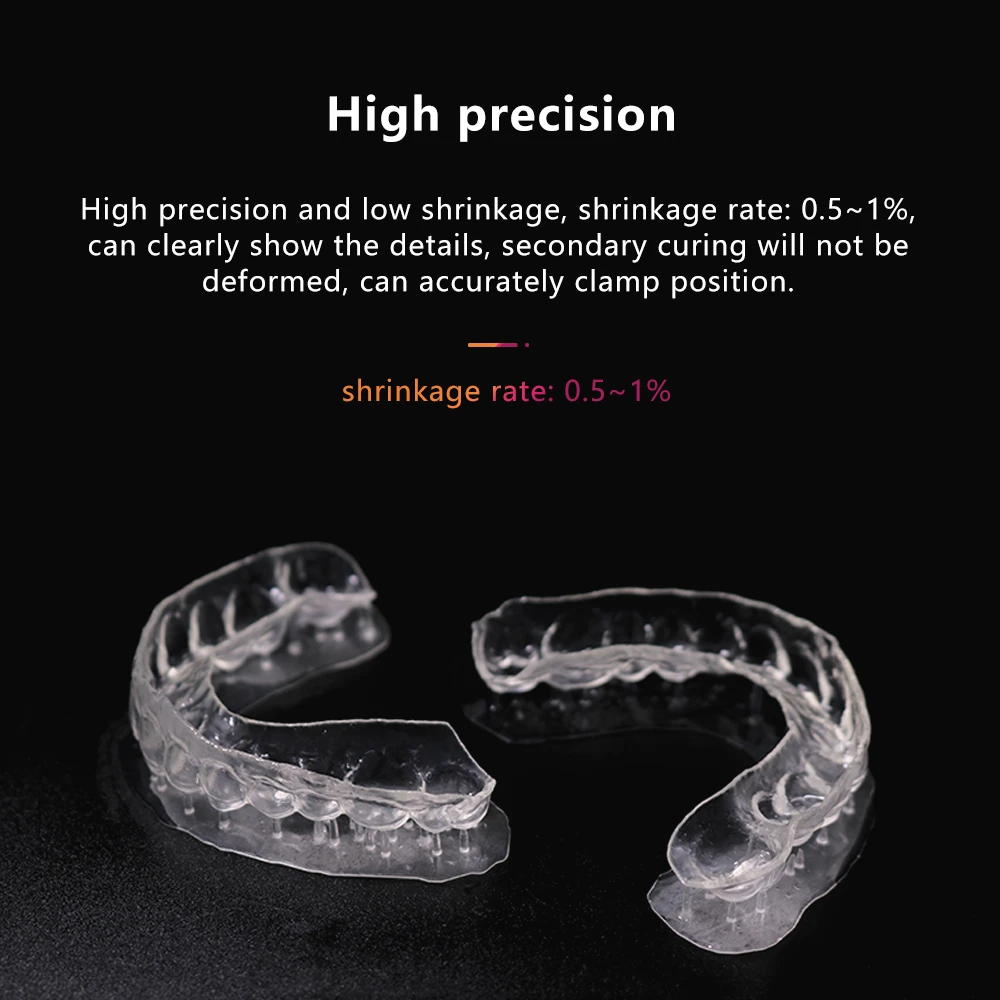
Shrinkage rate: 0.5~1%
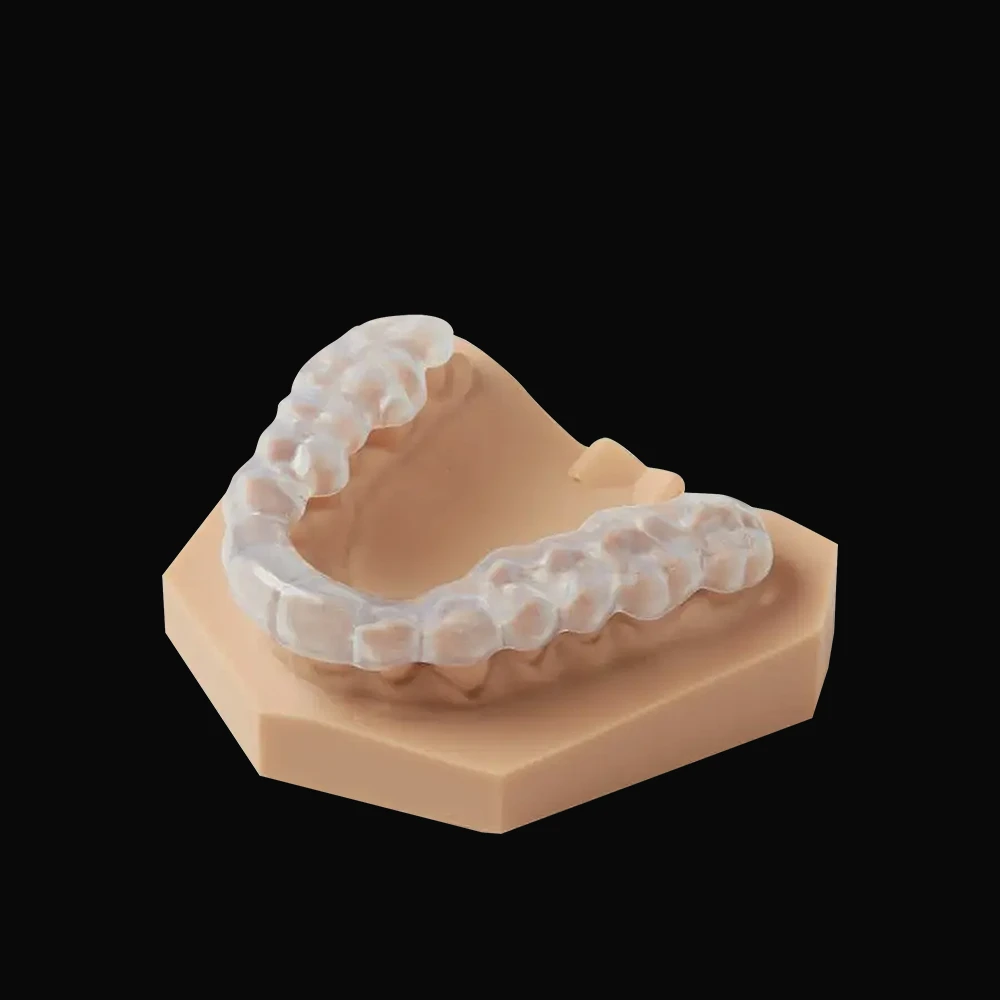
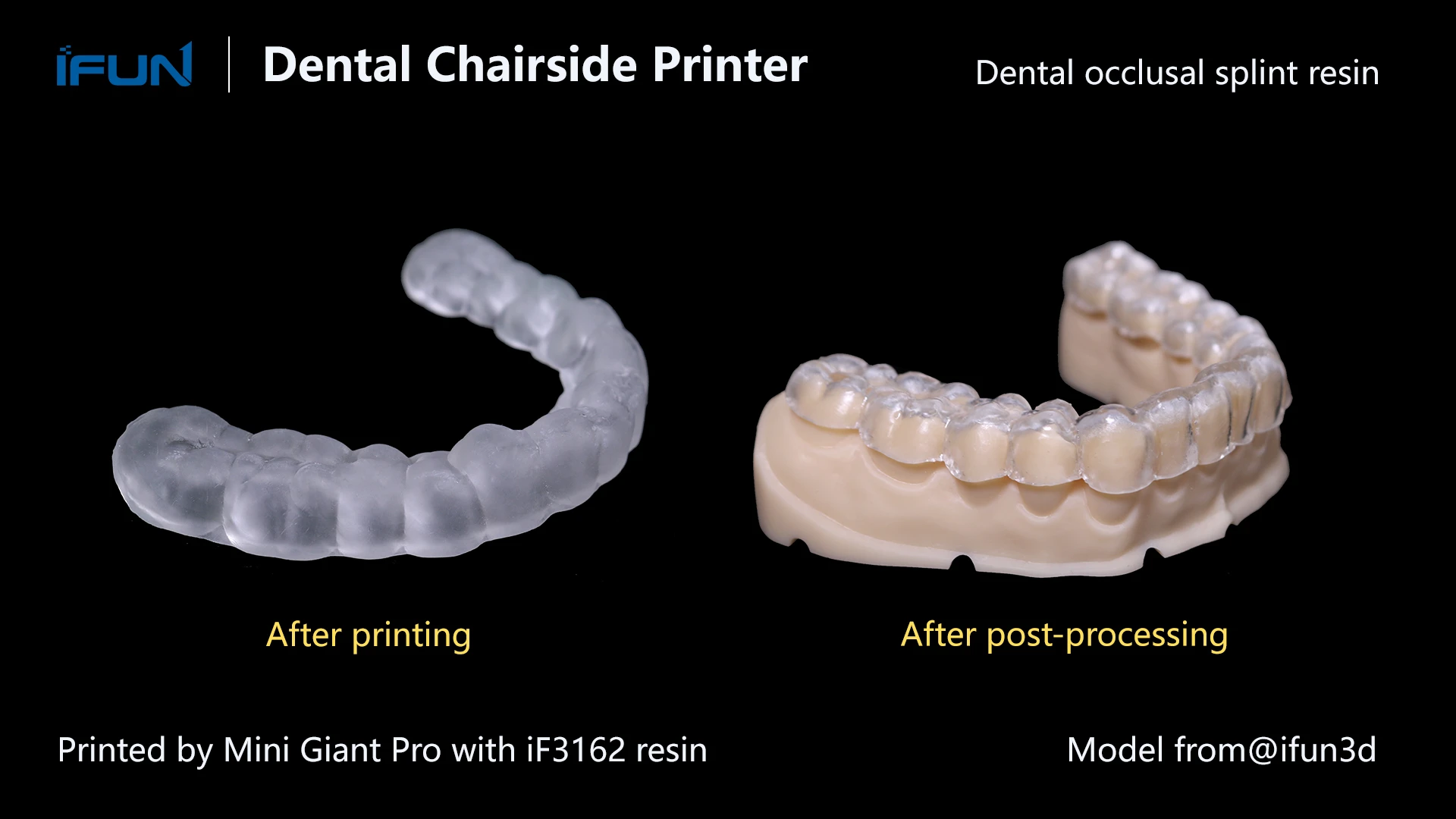
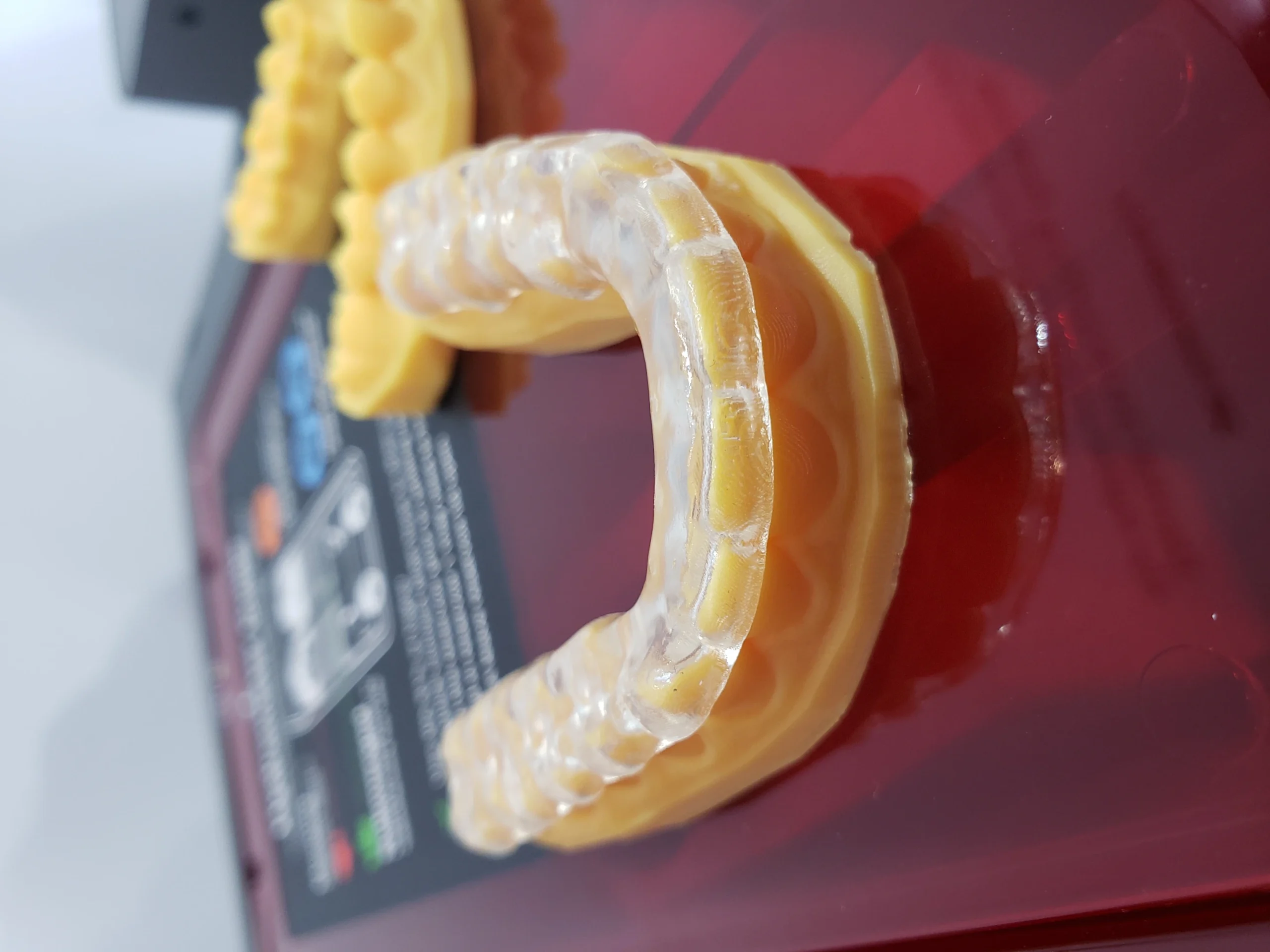
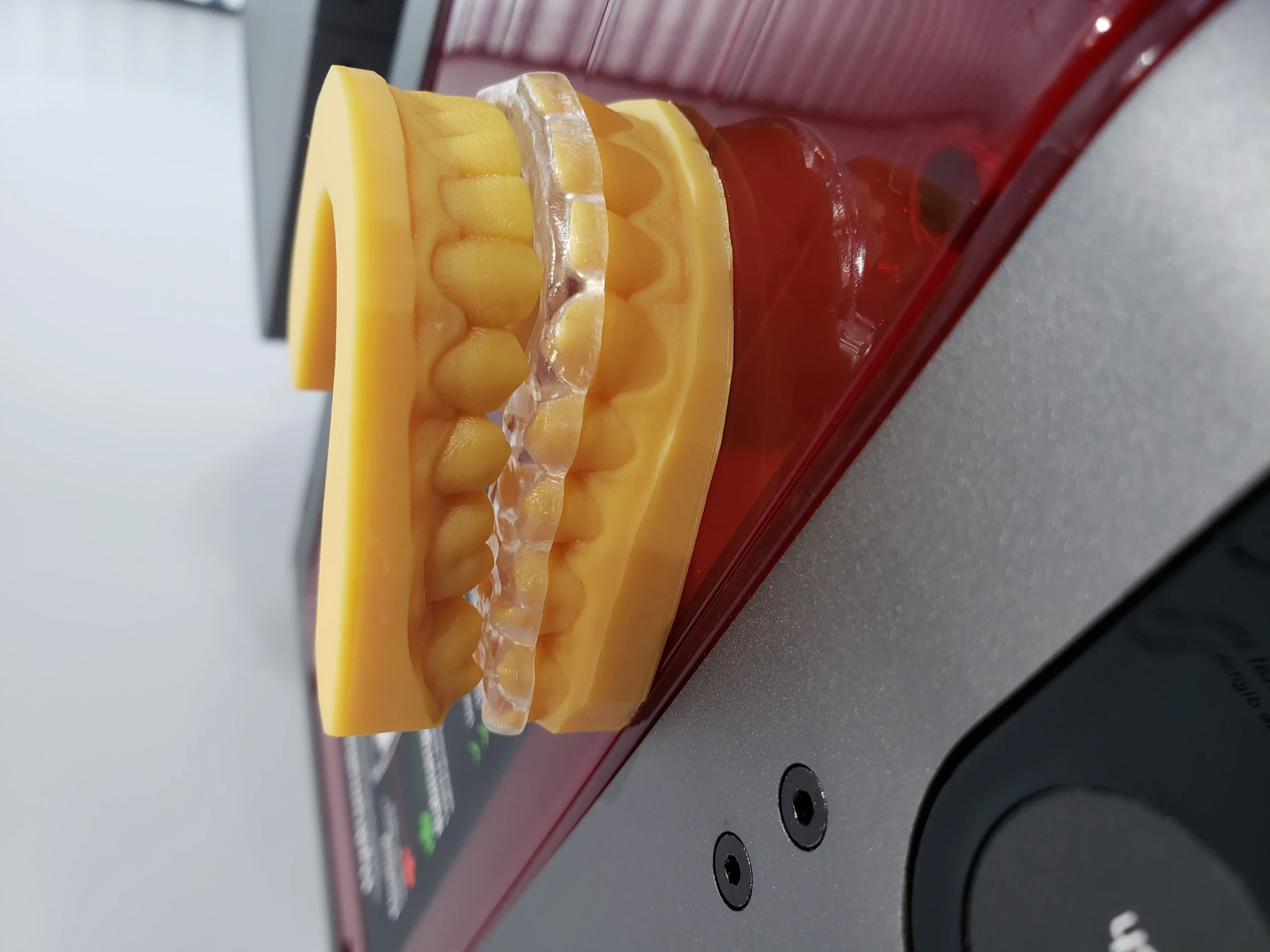
The details of the model can be clearly printed, and it will not deform after the second curing, which can accurately fit the tooth.

light transmittance > 80%
After grinding and polishing, the model is more transparent. No discoloration or yellowing.
Technical Performance Matrix
Verified parameters and testing protocols for jewelry casting validation.
| Content | Data value | Testing method |
|---|---|---|
| Physical and chemical properties (before curing) | ||
| color | Clear | – |
| Viscosity | 330-350 cps(25℃) | ASTM D1084-1997 |
| Density | 1.15 | ASM D1875 |
| Physical and chemical properties (after curing) | ||
| exposure time | 11mj/cm² | 405nm |
| Shrinkage | 0.5-1% | – |
| Hardness | 75D | ASTM D2240 |
| bending strength | 50 MPa | ASTM D1781 |
| tensile Strength | 50-65MPa | ASTM D5041 |
| flexural modulus | 1000MPa | ASTM D747 |
| Biocompatibility | ||
| Biological test | suitable for | ISO10993-1 |
| Biological test | suitable for | ISO10993-10 |
| transparency | ||
| Transmittance | >80 | – |
Engineering Notes & Technical Interpretation
Engineering insights into how IFUN 3162 resin ensures zero-warp fit, ISO-certified biocompatibility, and long-term oral stability.
Why is a low volumetric shrinkage rate (0.5–1.0%) critical for dental occlusal splints?
In digital dentistry, an occlusal splint relies on precise friction fit across multiple interproximal tooth undercuts. Uncontrolled resins often exhibit volumetric shrinkage exceeding 2–3%, inducing internal stress and arch distortion during secondary post-curing. By constraining volumetric shrinkage to 0.5–1.0% (corresponding to <0.3% linear deviation), 3162 resin maintains physical dimensions within sub-100-micron tolerances across the entire dental arch. For dental labs, this eliminates fit discrepancies between the printed splint and the master model, preventing costly chairside adjustments.
How does the balance of 75D hardness and 1000 MPa flexural modulus protect appliances against heavy bruxism?
Resins that are too rigid (>85D) are prone to brittleness, snapping under sudden impact forces during nocturnal clenching. Conversely, overly flexible materials (<60D) deform under bite pressure, allowing unwanted tooth movement. With 75D Shore hardness and a 1000 MPa flexural modulus, 3162 resin strikes the optimal balance between rigidity and impact toughness. It maintains structural integrity under heavy occlusal loads while absorbing shock energy to resist flexural fatigue and cracking from lateral bruxism forces.
What happens to 3162 resin after prolonged exposure to human saliva?
Many photopolymer resins absorb intraoral moisture over time, causing plasticization (softening), mechanical degradation, or monomer leaching. Tested under accelerated oral environment protocols (submerged at body temperature, 37°C, for 48 hours per dental water sorption standards), 3162 resin demonstrates minimal water absorption. Test results showed intact model dimensions, unchanged flexural strength, and zero softening or degradation—ensuring long-term hydrolytic stability and physical integrity throughout months of daily intraoral wear.
Why does intrinsic light transmittance above 80% reduce production costs for dental laboratories?
Patients expect clear night guards to be visually inconspicuous. Resins with high yellowing indices or poor clarity require labor-intensive multi-stage hand polishing, pumicing, and buffing to achieve acceptable aesthetics. 3162 resin features an intrinsic optical transmittance exceeding 80% paired with an ultra-low yellowing index. Because the base polymer is inherently crystal-clear, lab technicians can achieve glass-like optical transparency with simple automated washing and minimal light polishing or glazing, drastically cutting manual labor hours per unit.
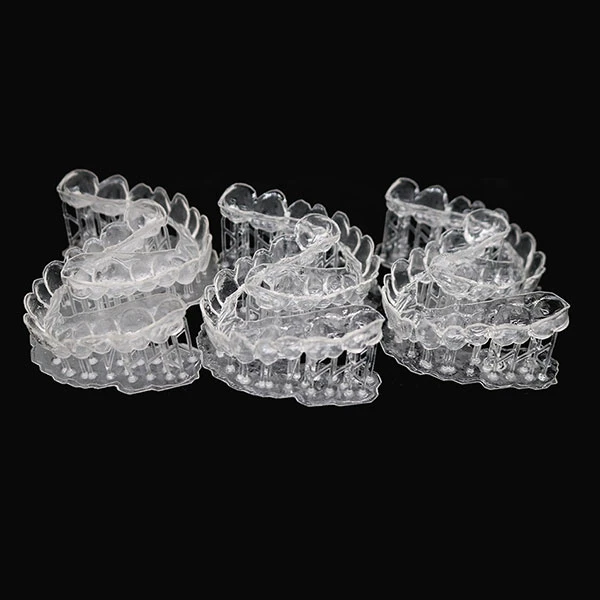
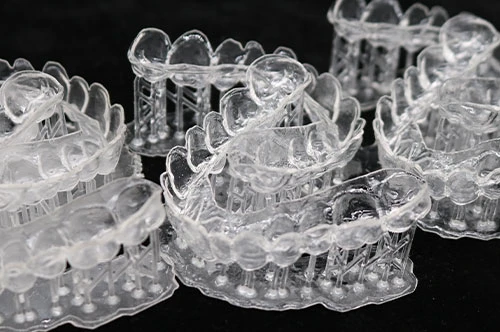
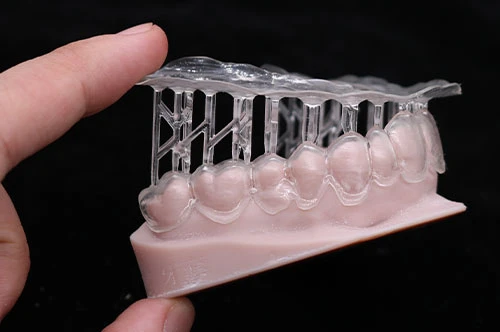
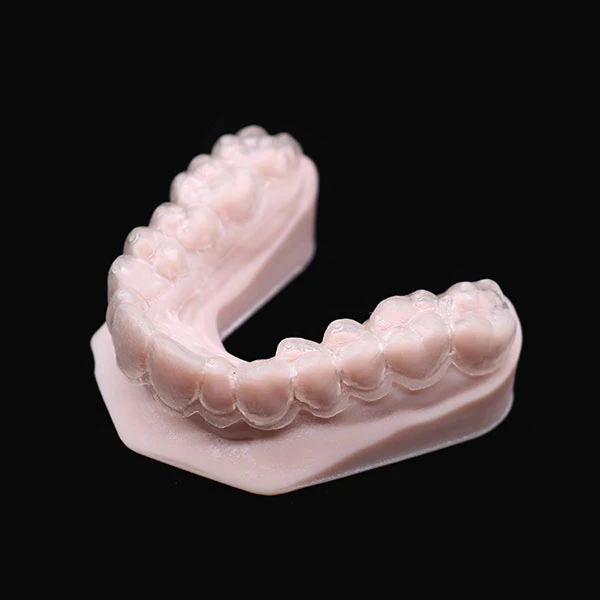
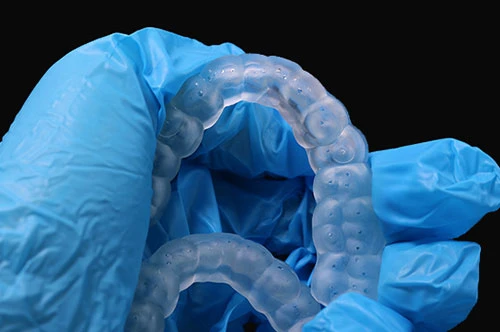
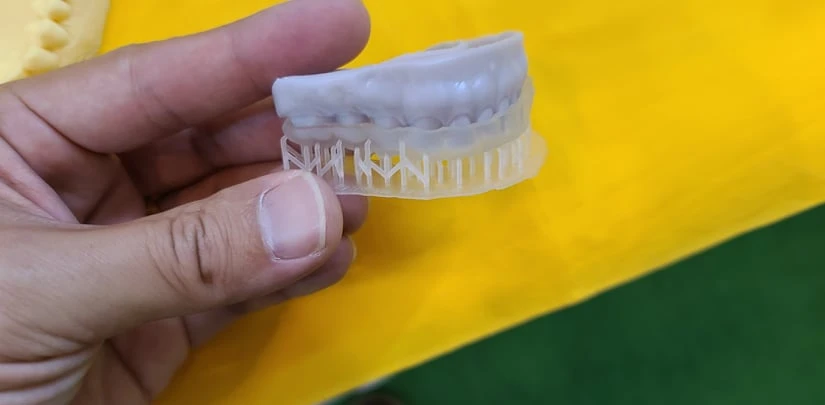
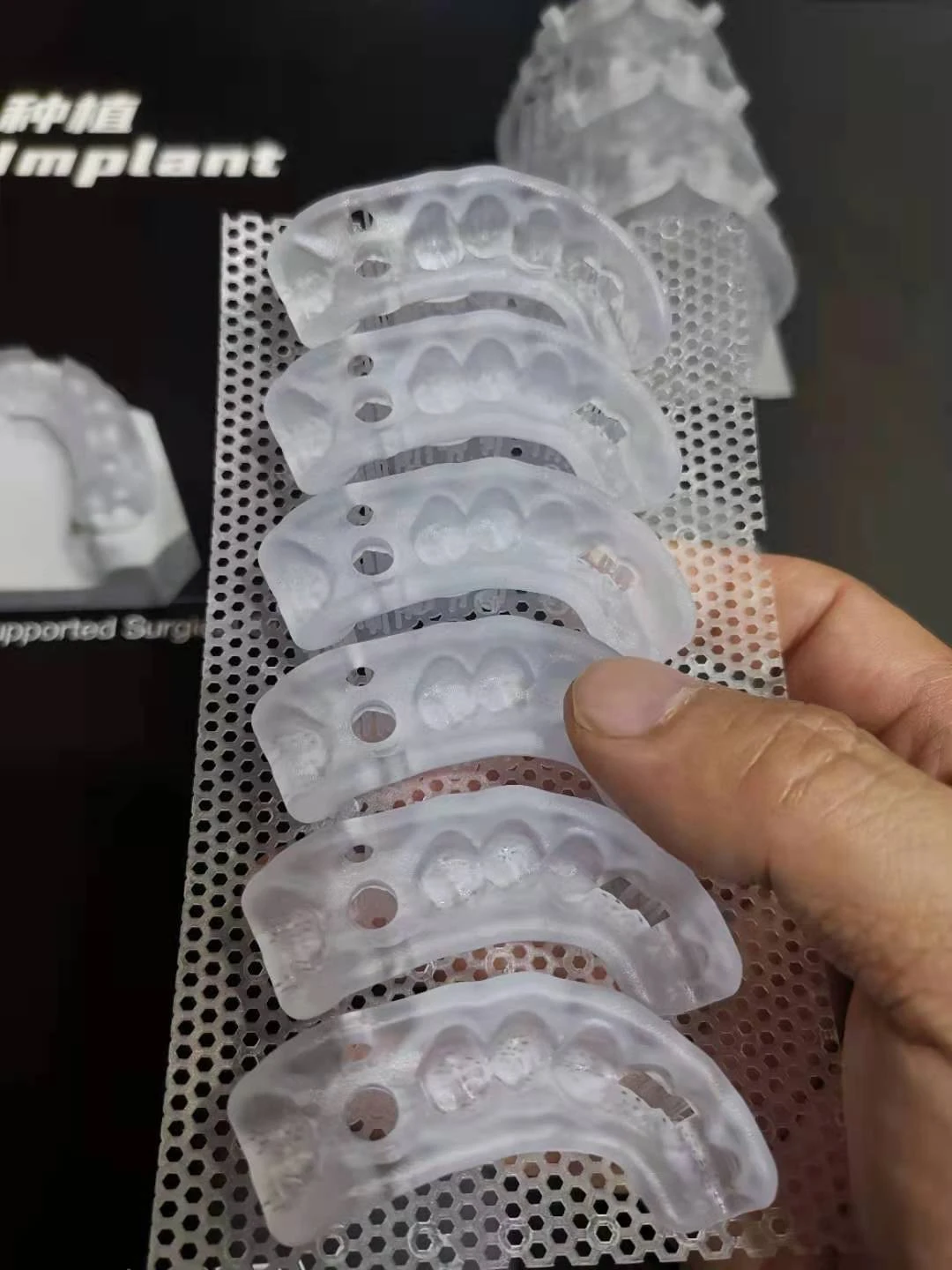
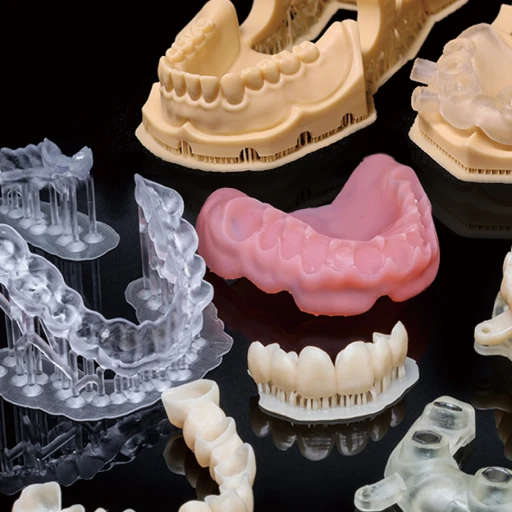
Print & Clinical Results
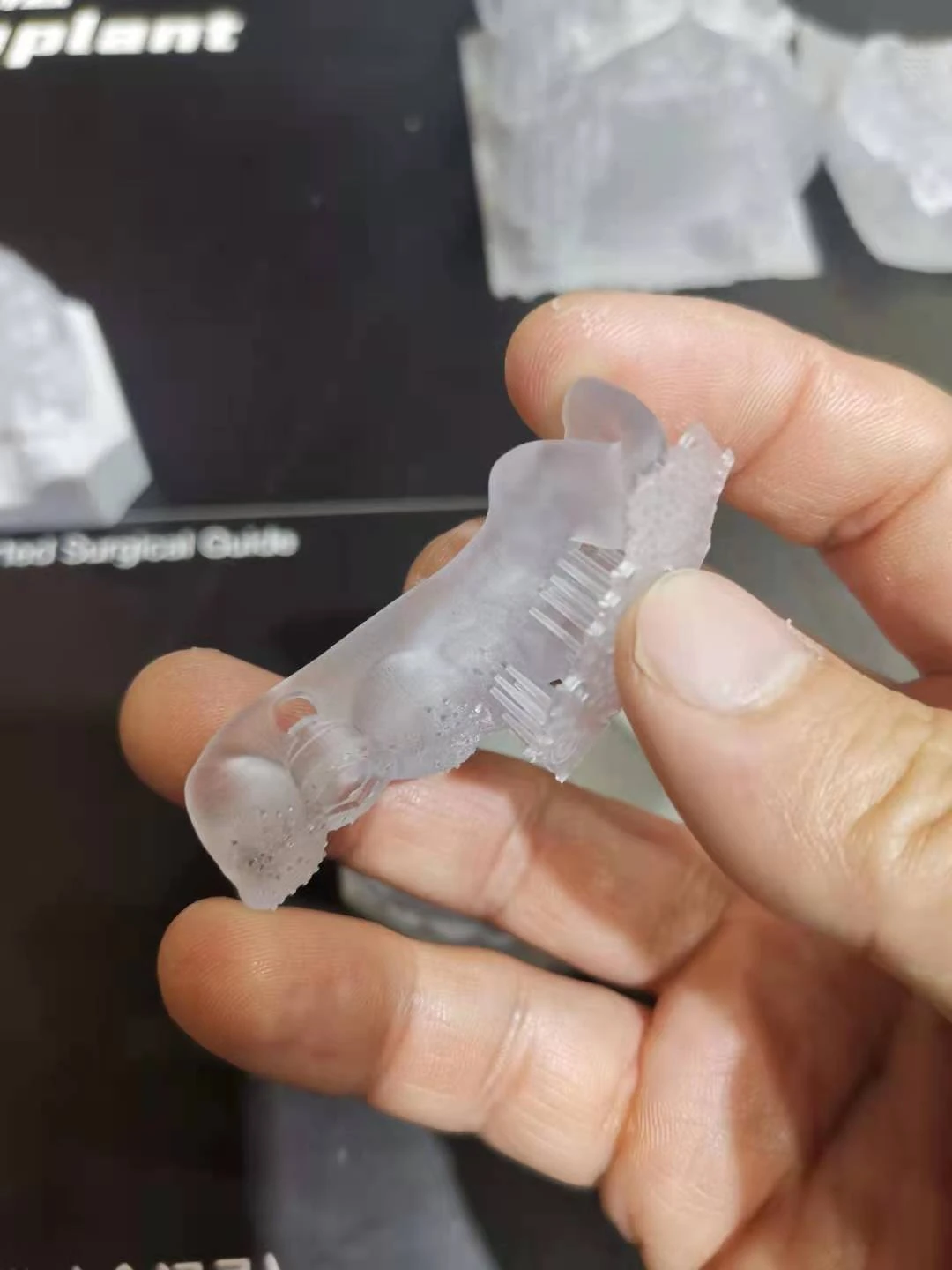
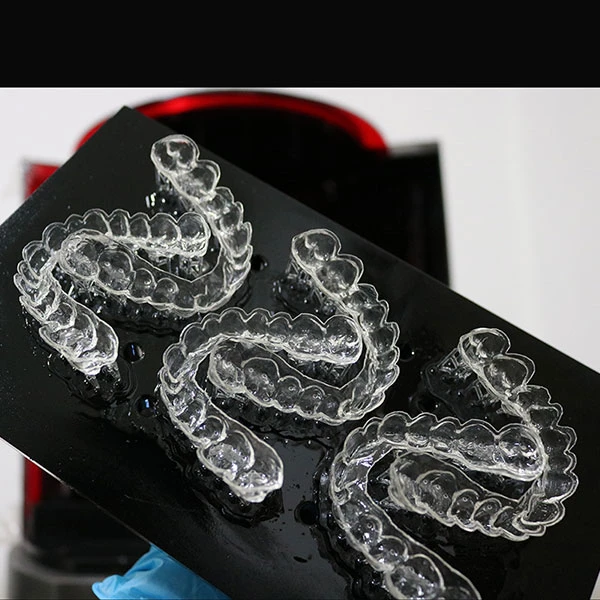
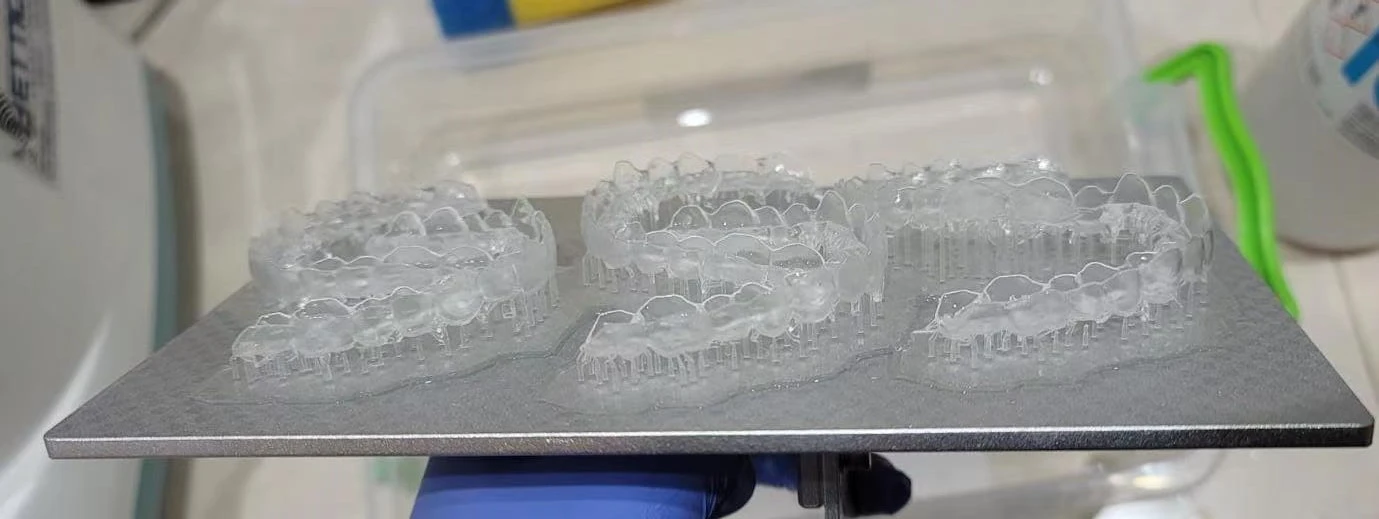
Explore 3D printed dental resins, precision models, and real-world clinical restorations.
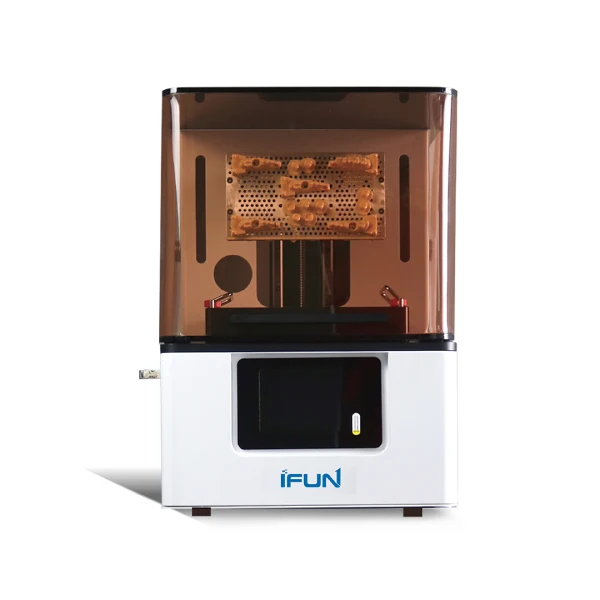
Related Products & Solutions
Discover high-performance 3D printing equipment, specialized resins, and end-to-end digital solutions tailored to your manufacturing needs.
Get an Instant Quote for Your 3D Printing Setup
Connect with our application engineers to select the ideal 3D printer (Resin/Wax) and materials (Dental/Jewelry) for your production, complete with unit cost calculations and a customized proposal.
Need a Faster Response?
Chat directly with our sales engineers on WhatsApp for quick price estimates, resin matching, or bulk ordering details.