
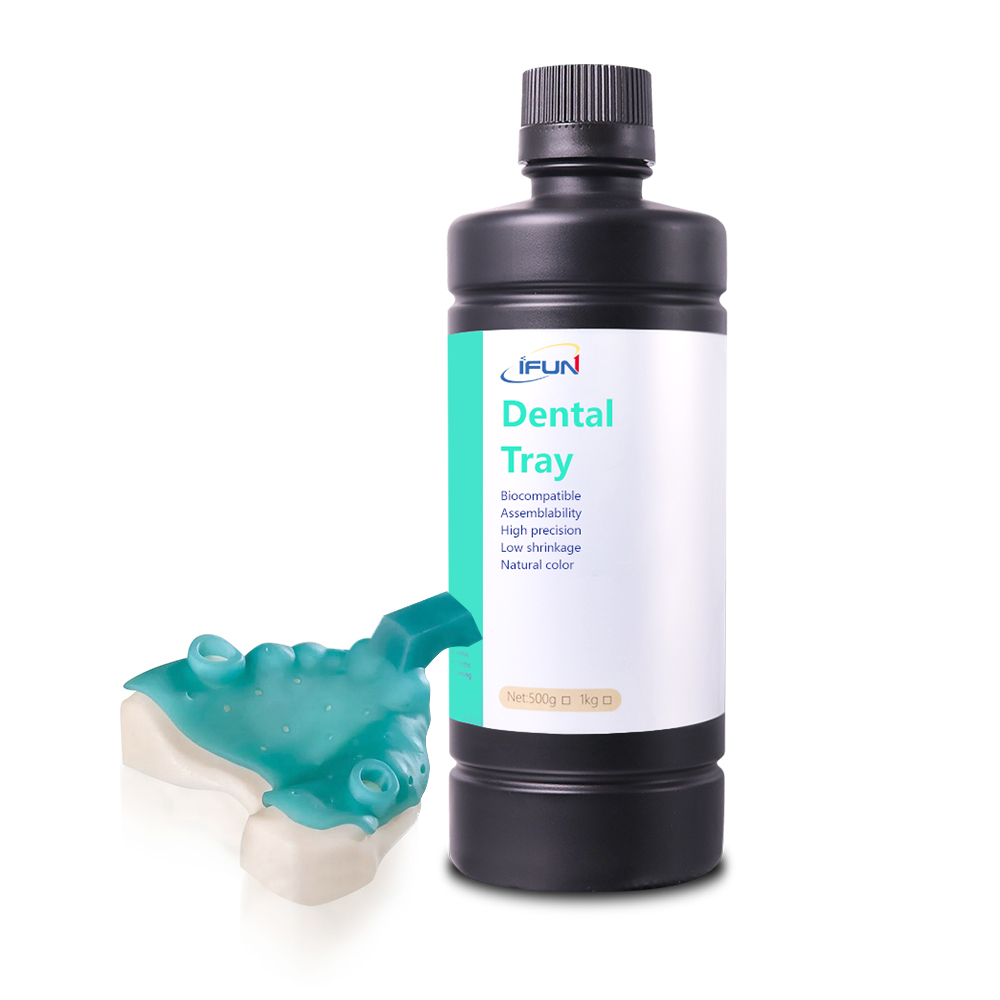
IF3167 Biocompatible 3D Printing Resin for Custom Dental Impression Trays
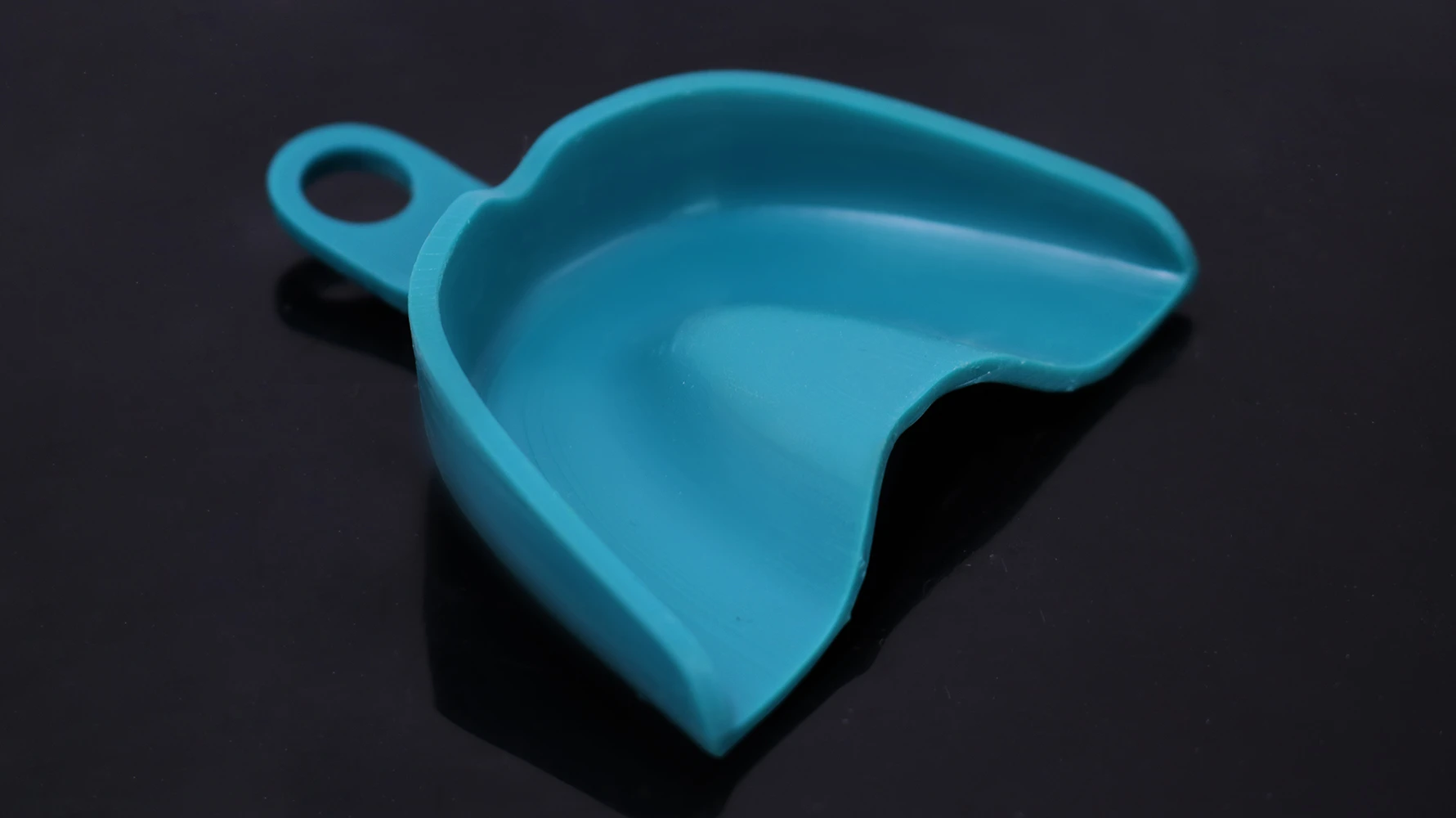
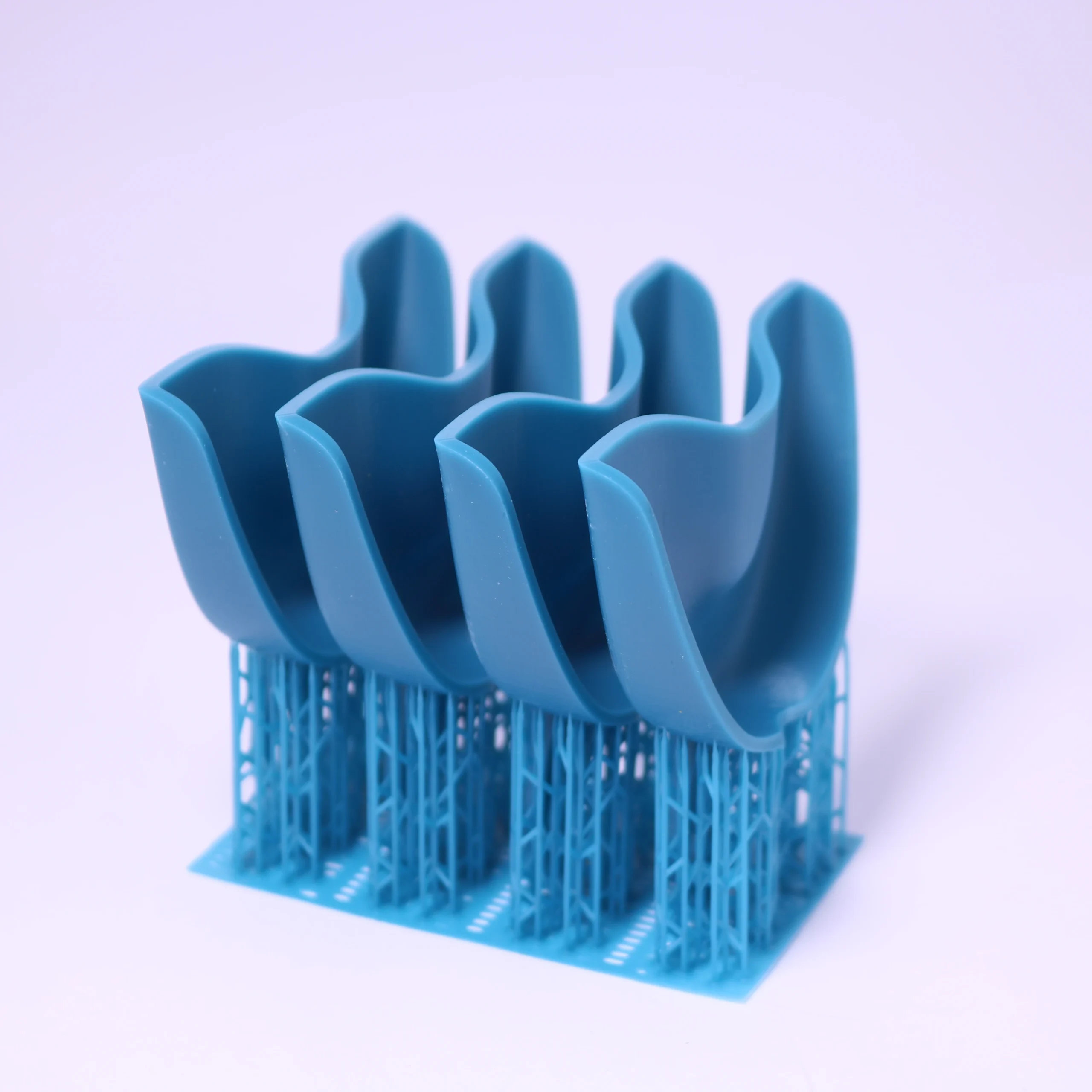
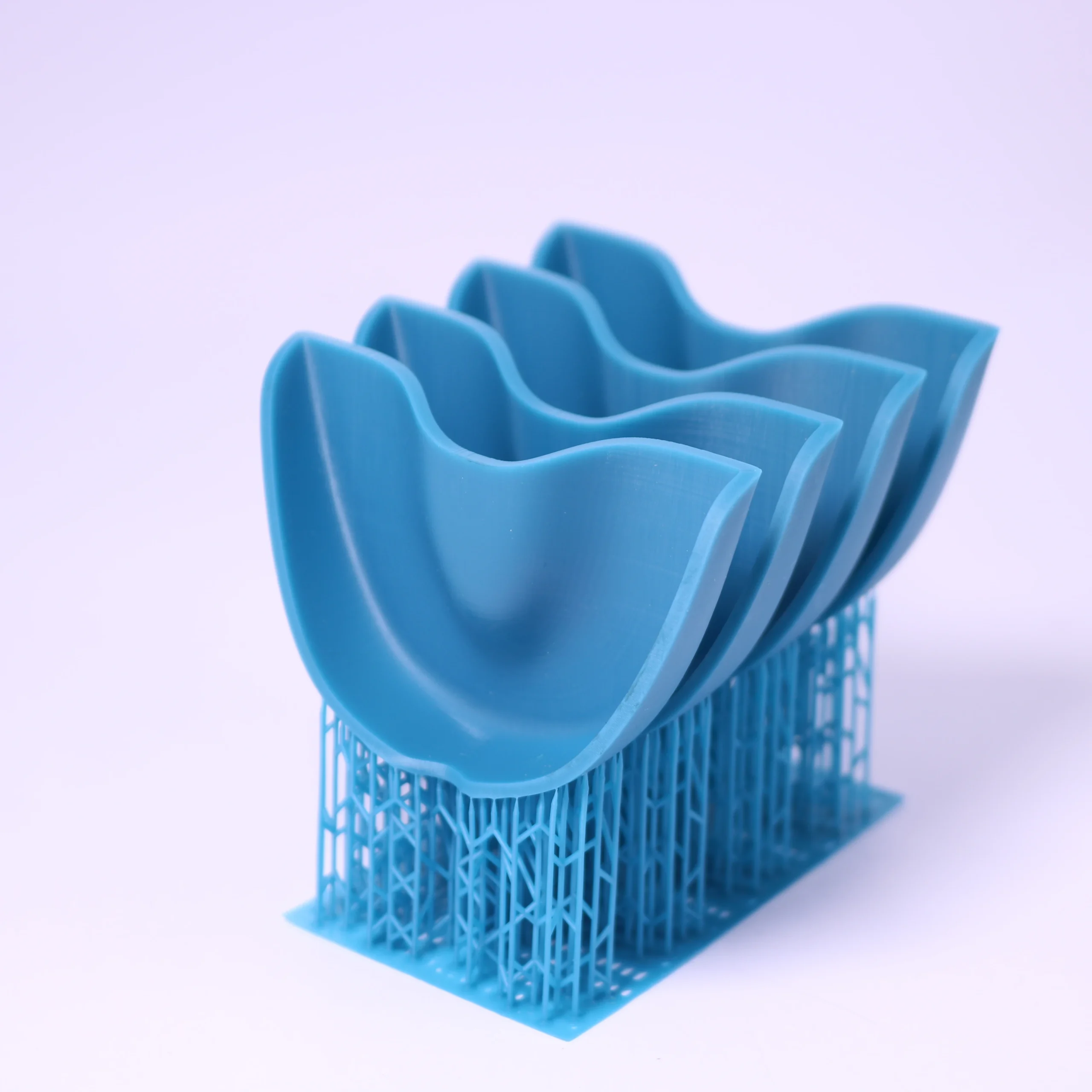
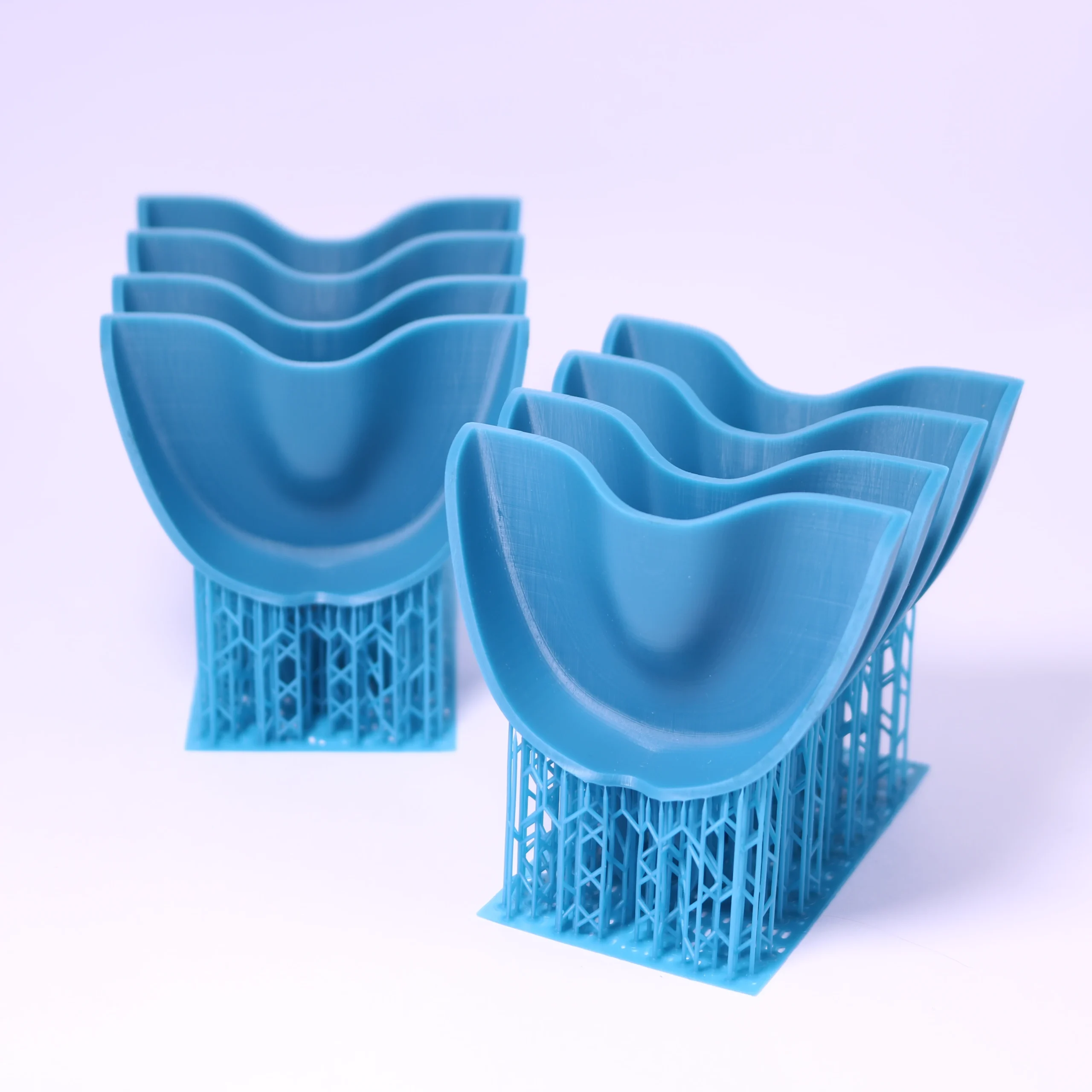
IF3167 is an ISO 10993-certified biocompatible 3D printing resin engineered for high-precision custom dental impression trays and base plates. Formulated with sub-1% linear shrinkage and a 1700 MPa elastic modulus, it prevents structural distortion under heavy impression materials. Featuring 72 MPa flexural strength, 75D hardness, and low viscosity (380–400 cps), IF3167 ensures reliable clinical fits and fast print throughput for dental laboratories.
Engineered for Industrial Repeatability
Overcoming the limitations of traditional resin 3D printing with precision optical hardware and robust closed-loop motion systems.

High-Rigidity Impression Transfer
Engineered with an elastic modulus of 1,700 MPa (ASTM D790) and linear shrinkage under 1%, this resin maintains structural geometry under heavy clinical impression loading. It resists flexing during the placement and intraoral removal of heavy-body PVS materials, ensuring distortion-free anatomical transfer for high-precision crown, bridge, and implant master models.

Certified Intraoral Biocompatibility
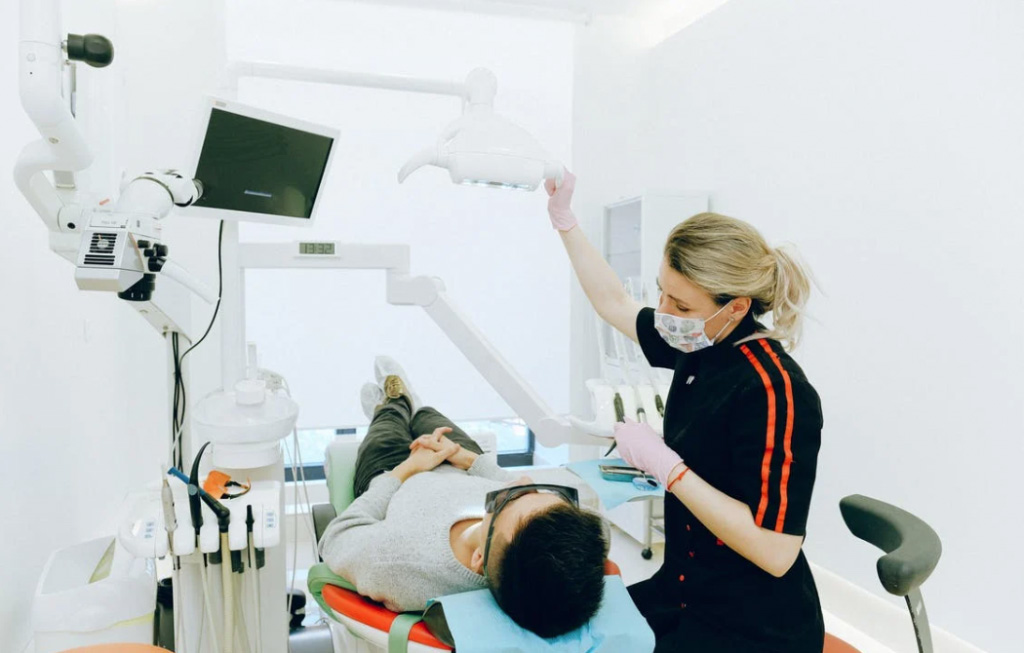
Formulated using medical-grade raw materials, this resin is evaluated under ISO 10993-5 (cytotoxicity) and ISO 10993-10 (irritation and sensitization) standards for biological safety. It guarantees safe intraoral mucosal contact during functional impression taking, trial fittings, and custom base tray evaluations.
Impact Resistance & Structural Integrity
Featuring a flexural strength of 72 MPa (ASTM D790) and a surface hardness of 75D (ASTM D2240), this tray resin withstands substantial mechanical stress during detachment. It prevents tray cracking or snapping when separating from dense impression materials or rigid stone models, protecting completed impressions and eliminating reprint cycles.

Low-Viscosity Flow for Rapid Printing
Formulated with a low viscosity of 380–400 mPa·s at 25°C (ASTM D1084), this liquid resin promotes rapid material reflow across the vat during exposure cycles on MSLA, LCD, and DLP 3D printers. The reduced fluid drag speeds up layer transitions, facilitates resin drainage from deep tray contours, and simplifies post-print IPA cleaning.
Technical Performance Matrix
Verified parameters and testing protocols for jewelry casting validation.
| Content | Data value | Testing method |
|---|---|---|
| color | Green | – |
| Viscosity | 380-400cps(25℃) | ASTM D1084-1997 |
| Shrinkage | <1% | – |
| Hardness | 75D | ASTM D2240-05(2010) |
| bending strength | 72 MPa | ASTM D1781 |
| Elastic Modulus | 1700MPa | ASTM D5041 |
| Biological test | suitable for | ISO10993-1 |
| Biological test | suitable for | ISO10993-10 |
Engineering Notes & Technical Interpretation
Engineering insights into how IFUN 3167 resin ensures zero-warp fit, ISO-certified biocompatibility, and long-term oral stability.
Why is an Elastic Modulus of 1700 MPa critical for dental impression trays?
In custom impression tray manufacturing, structural rigidity is paramount. When a clinician injects high-viscosity impression material (such as heavy-body PVS or polyether) into a tray and seats it intraorally, hydraulic pressure exerts strong outward force on the tray walls. If the resin’s elastic modulus is insufficient (<1200MPa), the tray walls flex outward during seating and spring back upon removal. This elastic recovery permanently compresses the impression material, inducing invisible spatial distortion that ruins master model accuracy. A 1700 MPa modulus guarantees complete structural rigidity under peak seating pressure, ensuring reliable, deformation-free impressions.
How does linear shrinkage under 1% affect clinical fit?
Custom trays feature wide geometric curves matching patient dental arches. High-shrinkage resins suffer from non-uniform thermal and polymerization contraction during post-curing, causing the distal borders of the tray to warp inward (the "banana effect"). A controlled linear shrinkage rate below 1% prevents cross-arch distortion, ensuring that the tray maintains a uniform 2–3 mm impression material space across the entire arch. This allows the tray to seat passively without pinching soft tissue or causing localized impression material burn-through.
Why does a low resin viscosity (380–400 mPa·s) benefit high-throughput dental labs?
Resin viscosity dictates fluid velocity inside the resin vat. High-viscosity materials (>800 mPa·s) require extended "rest times" before layer exposure to allow fluid leveling, substantially prolonging total print cycles. IF3167’s low viscosity (380–400 mPa·s) enables rapid fluid reflow across the release film for faster peeling and printing speeds. Furthermore, the fluid resin drains effortlessly out of deep impression troughs and handle contours during platform lift, reducing material waste and shortening IPA wash cycles.
What is the clinical significance of ISO 10993 biocompatibility testing for tray resins?
Custom impression trays come into direct contact with vascular intraoral mucosal tissues. Standard industrial photopolymers contain extractable monomers and photoinitiators that can leach out, triggering chemical mucosal irritation or cytotoxic reactions. IF3167 successfully passes ISO 10993-5 (cytotoxicity) and ISO 10993-10 (irritation and skin sensitization) testing. This certifies that cured trays are fully biocompatible and safe for short-term mucosal contact during intraoral impression taking and trial fittings.
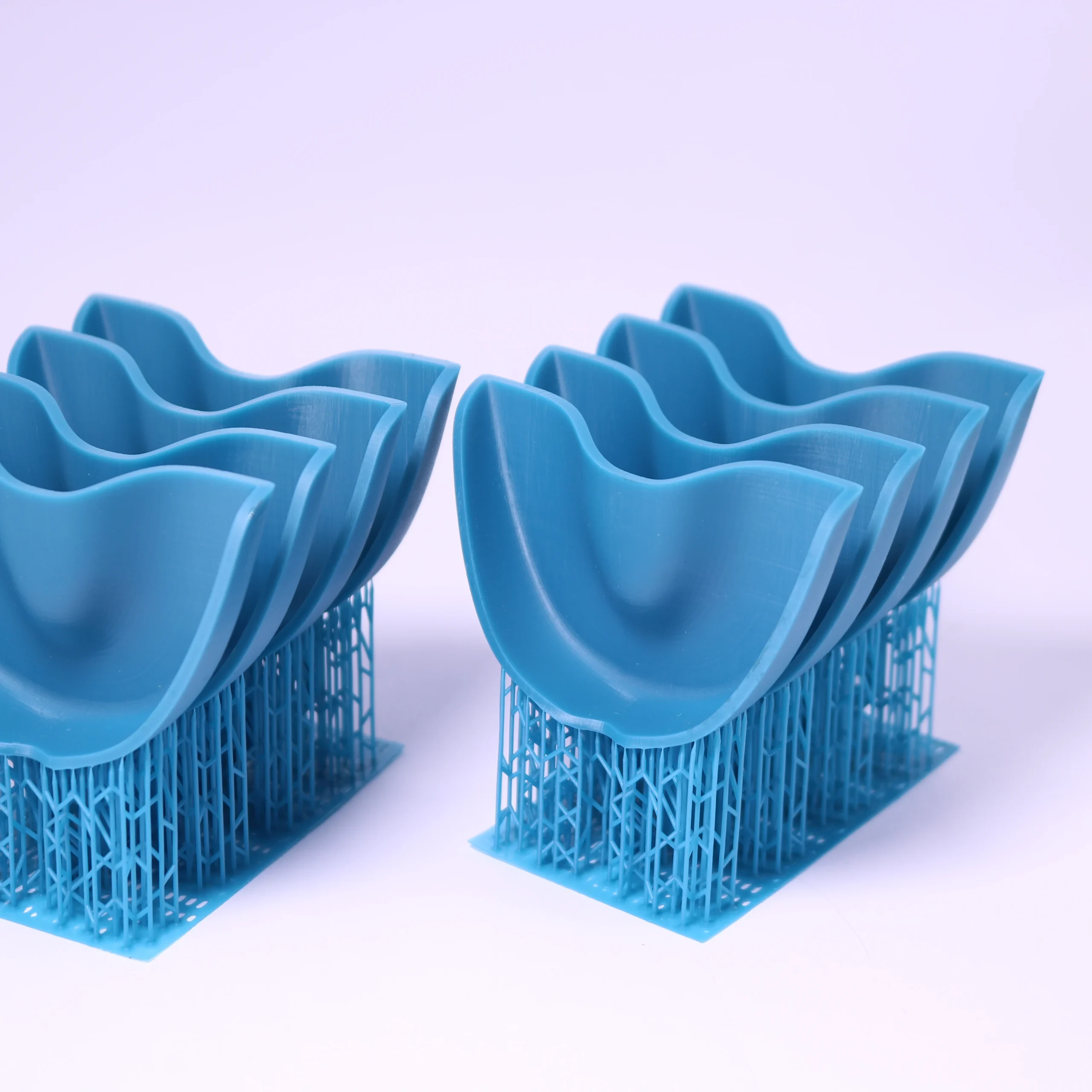
Print & Clinical Results
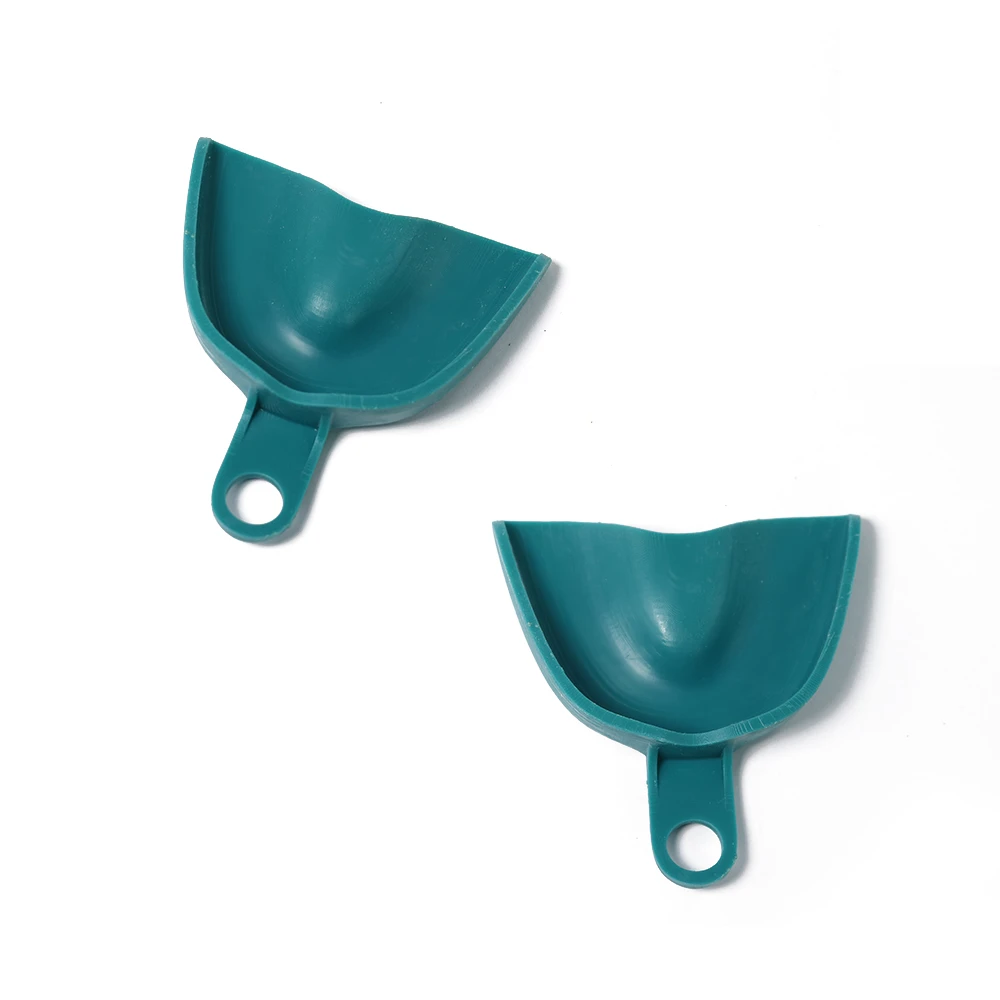
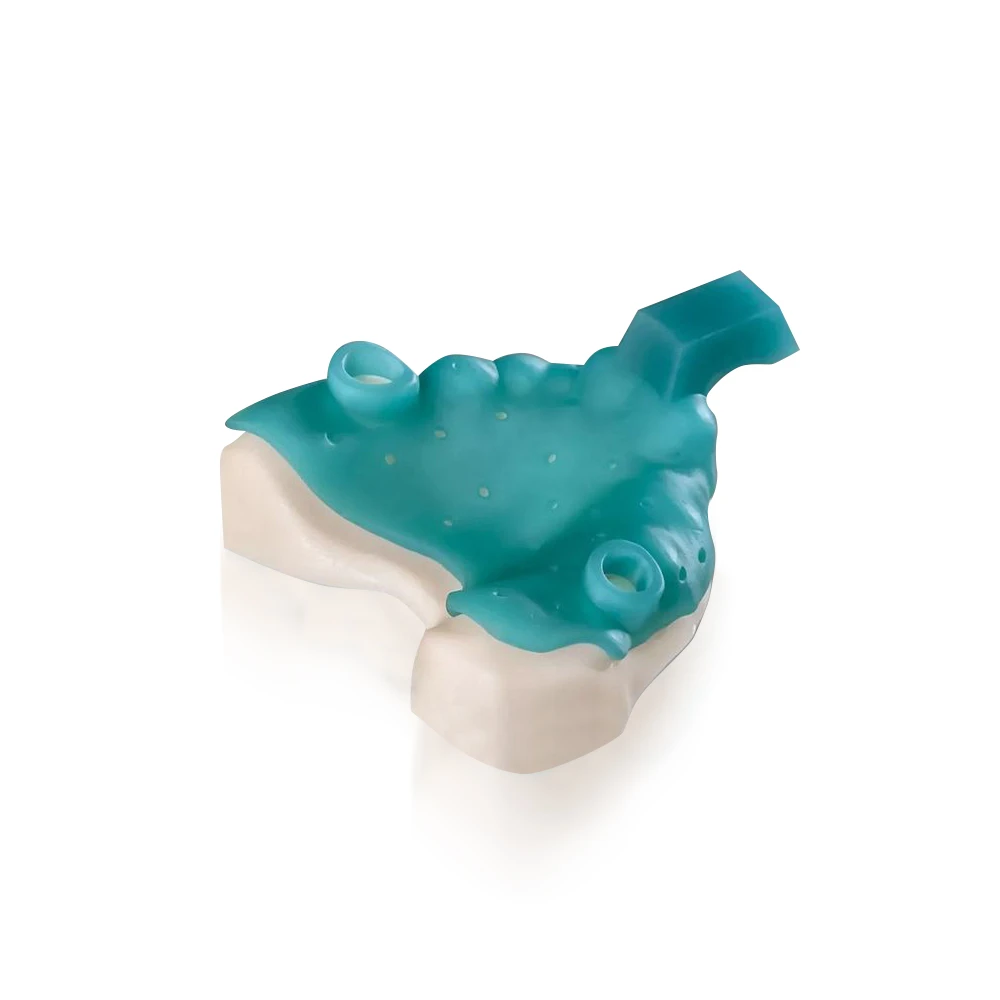
Explore 3D printed dental resins, precision models, and real-world clinical restorations.
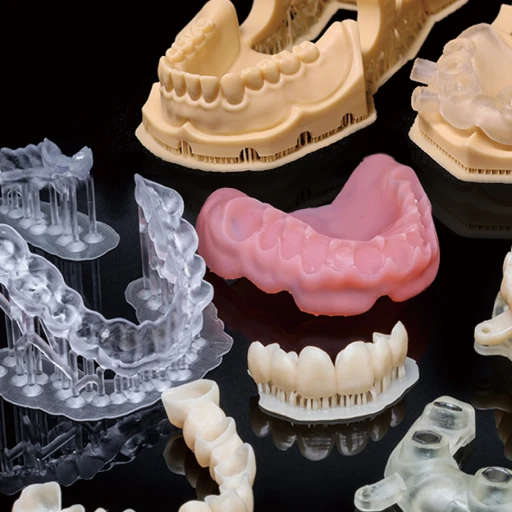
Related Products & Solutions
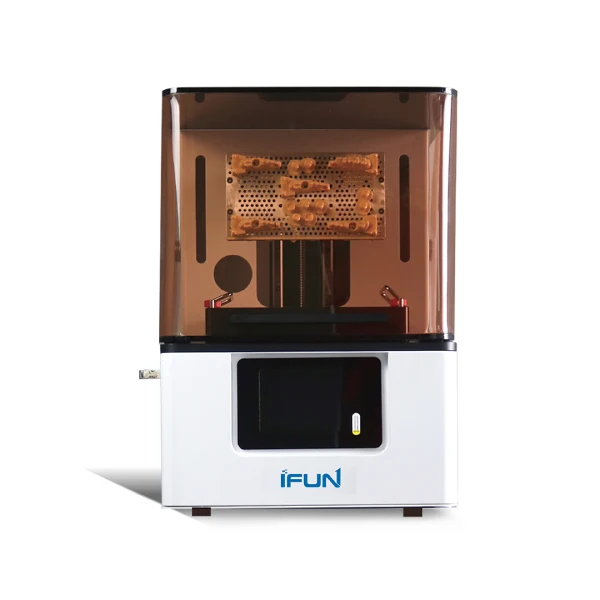
Discover high-performance 3D printing equipment, specialized resins, and end-to-end digital solutions tailored to your manufacturing needs.
Get an Instant Quote for Your 3D Printing Setup
Connect with our application engineers to select the ideal 3D printer (Resin/Wax) and materials (Dental/Jewelry) for your production, complete with unit cost calculations and a customized proposal.
Need a Faster Response?
Chat directly with our sales engineers on WhatsApp for quick price estimates, resin matching, or bulk ordering details.