
Black Wax Castable Resin for Gold & Silver Jewelry Casting
Black Wax Castable Resin (500B) is a 40% wax-filled 3D printing resin engineered for high-precision gold, silver, and copper investment casting. Featuring an ultra-low volumetric shrinkage (<0.25%) and 52D hardness, 500B eliminates thermal-expansion mold cracking, burnout ash, and pattern distortion. It delivers clean 0.18 mm feature resolution for complex jewelry filigree while maximizing casting yield and reducing post-cast polishing costs.
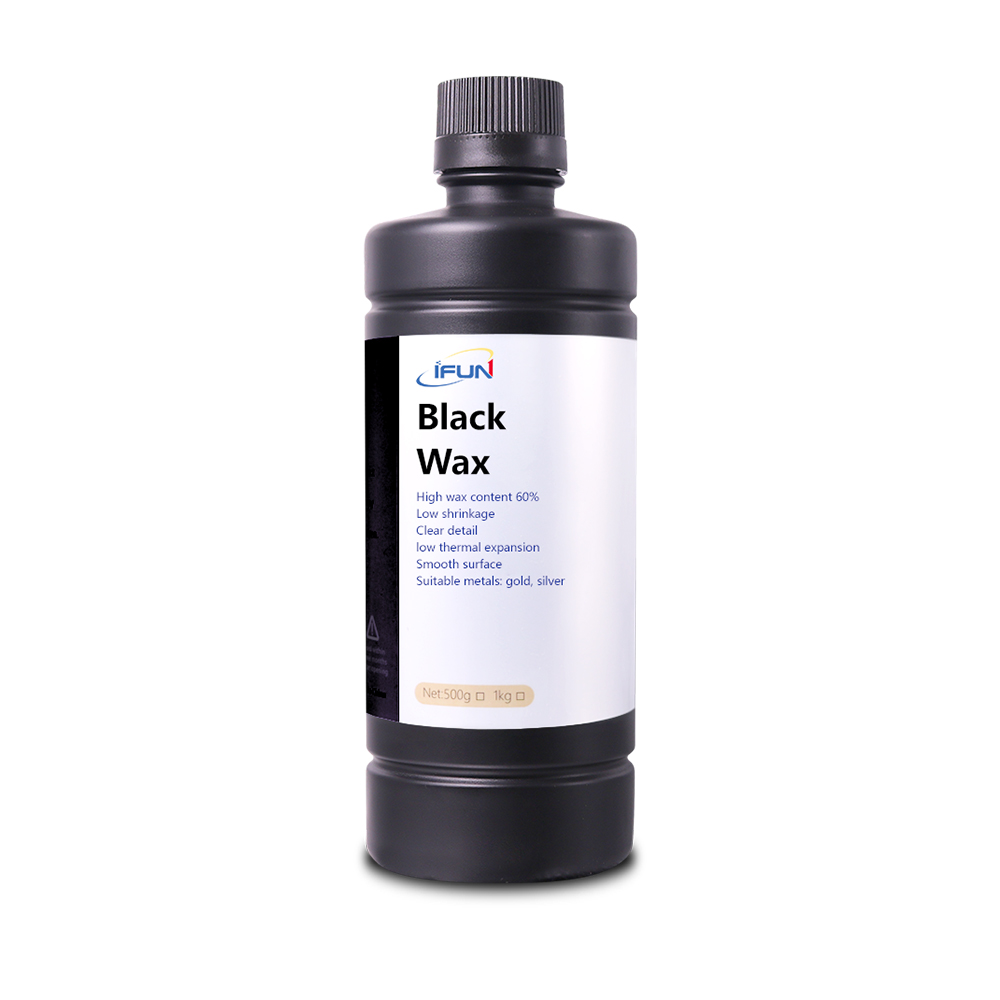
Engineered for Industrial Repeatability
Overcoming the limitations of traditional resin 3D printing with precision optical hardware and robust closed-loop motion systems.

Residue-Free Burnout & Investment Mold Protection
Formulated with 40% real wax, this castable resin provides controlled thermal expansion during temperature ramp-up, evaporating completely up to 780°C without reacting with or spalling gypsum investment molds. By leaving no detectable carbon ash, it preserves surface integrity in fine gold, silver, and copper jewelry casting, reducing surface porosity, scrap rates, and post-cast manual polishing.

Dimensional Accuracy (<0.25% Volumetric Shrinkage)
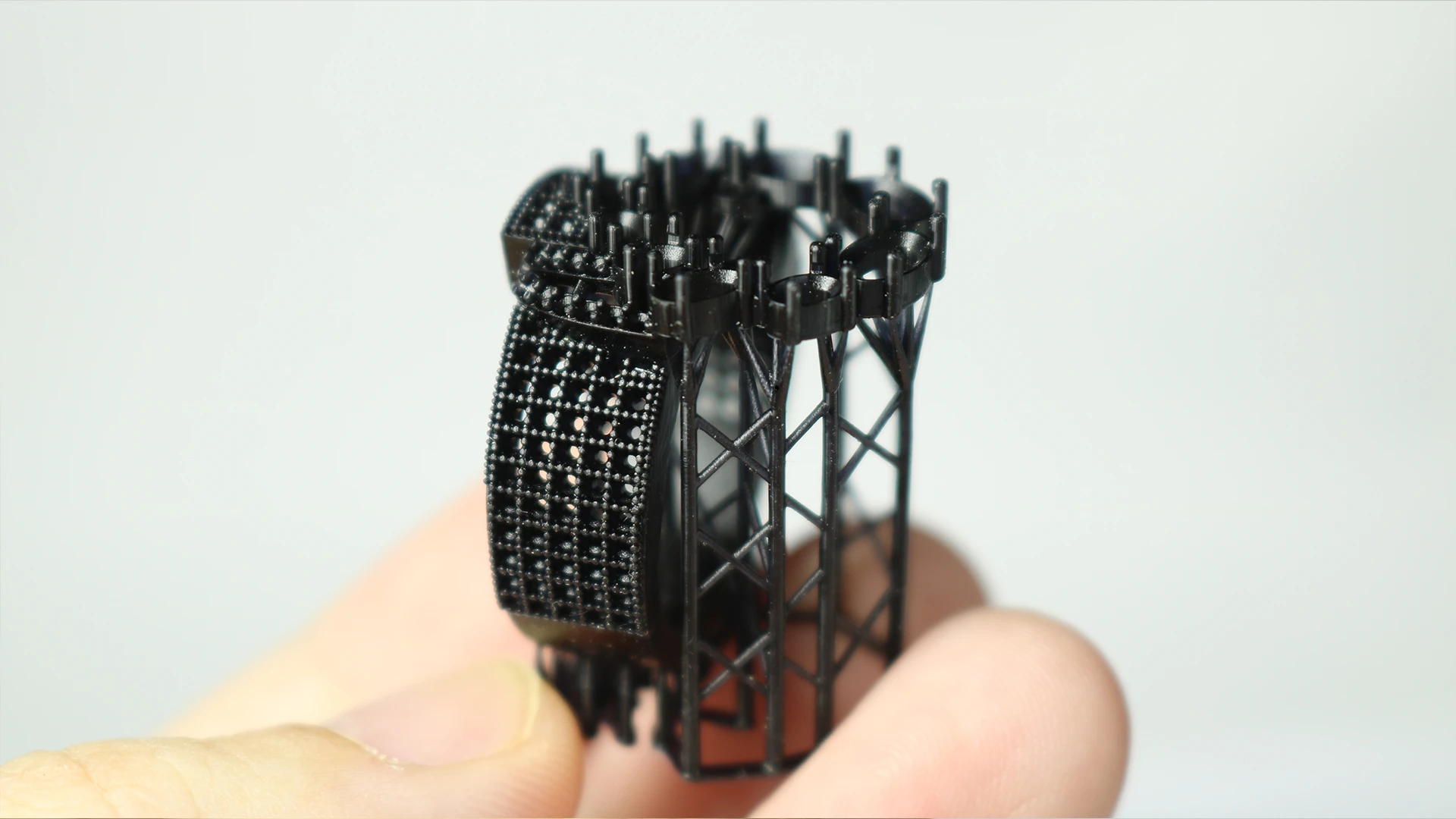
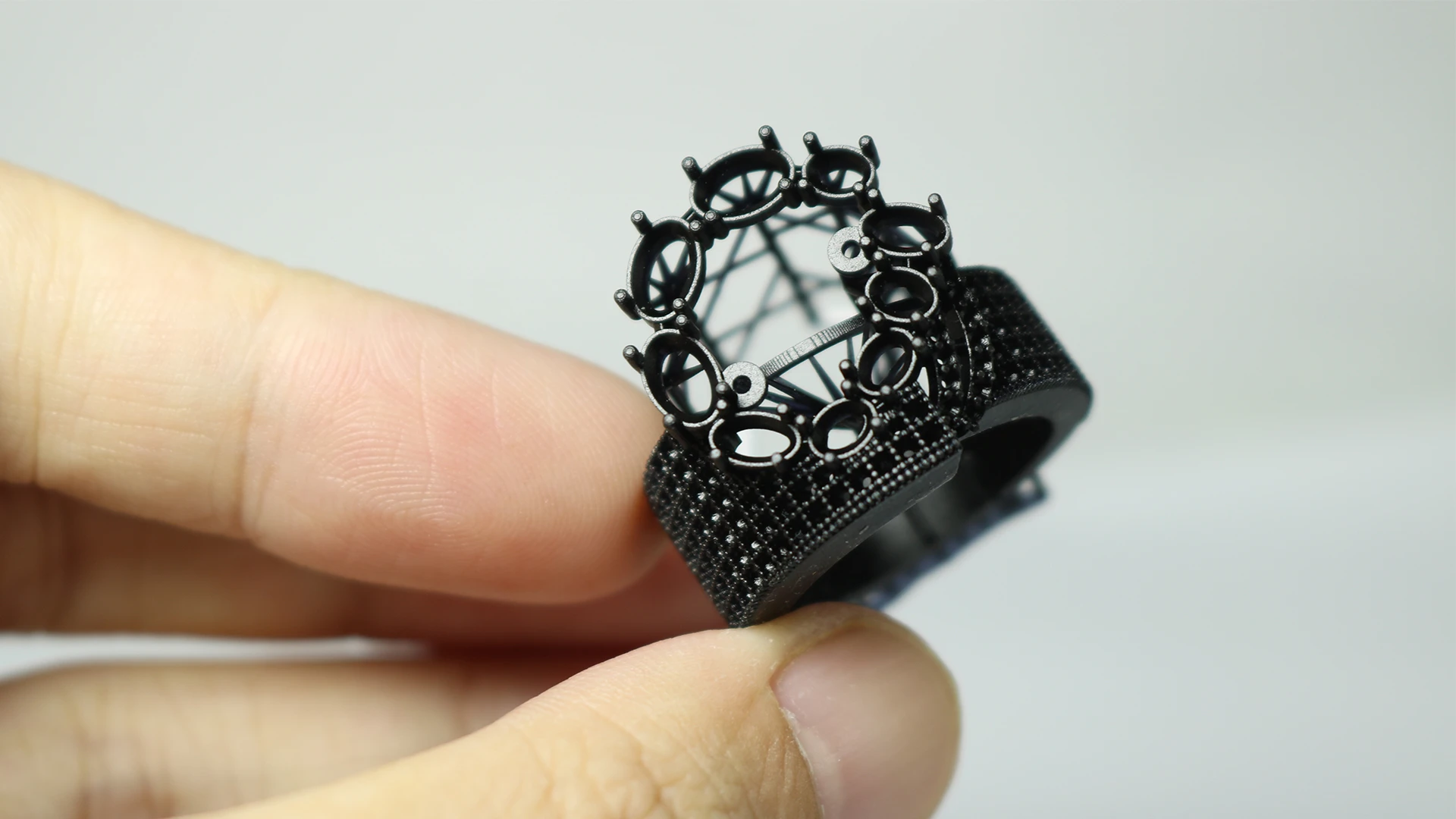
Engineered with a volumetric shrinkage rate under 0.25% (Capillary Method) and a Shore hardness of 52D (ASTM D2240), printed patterns maintain dimensional stability from UV curing through investment slurry packing. Designed for stone-set mountings, interlocking rings, and heavy-walled geometries, it limits pattern distortion to support predictable stone setting and batch repeatability in mass production.

Micro-Detail & Fine Clearance Resolution
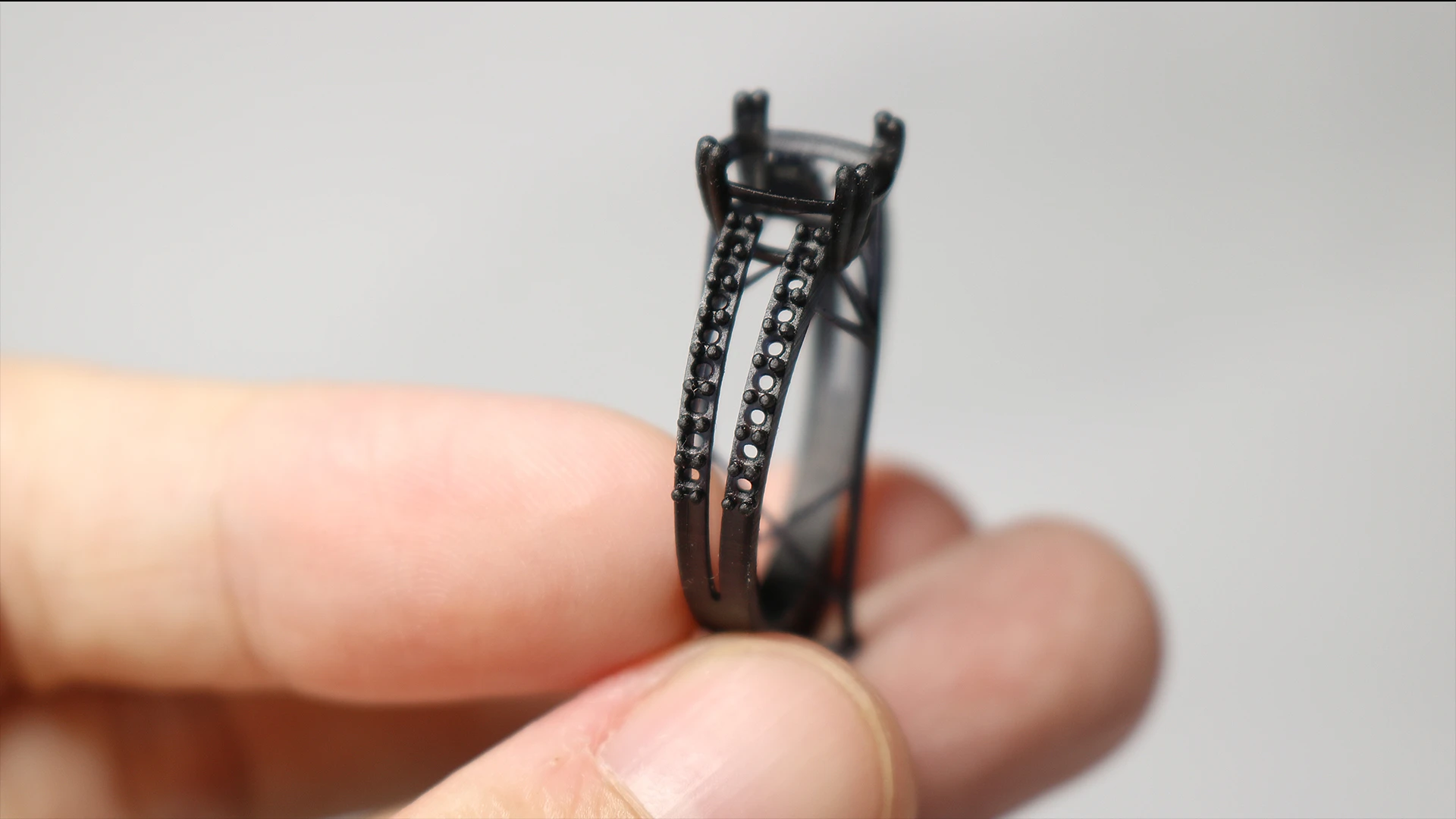
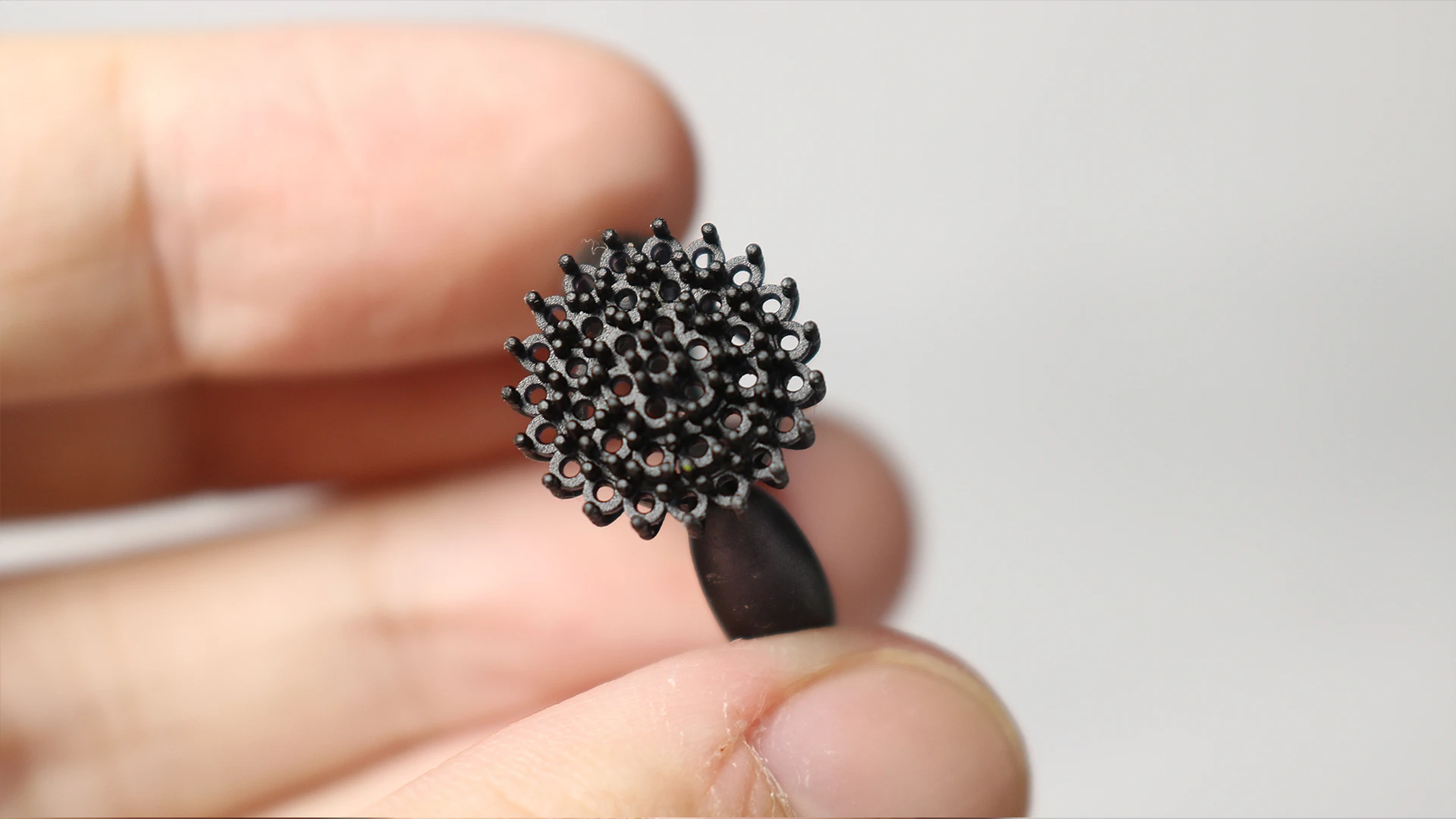
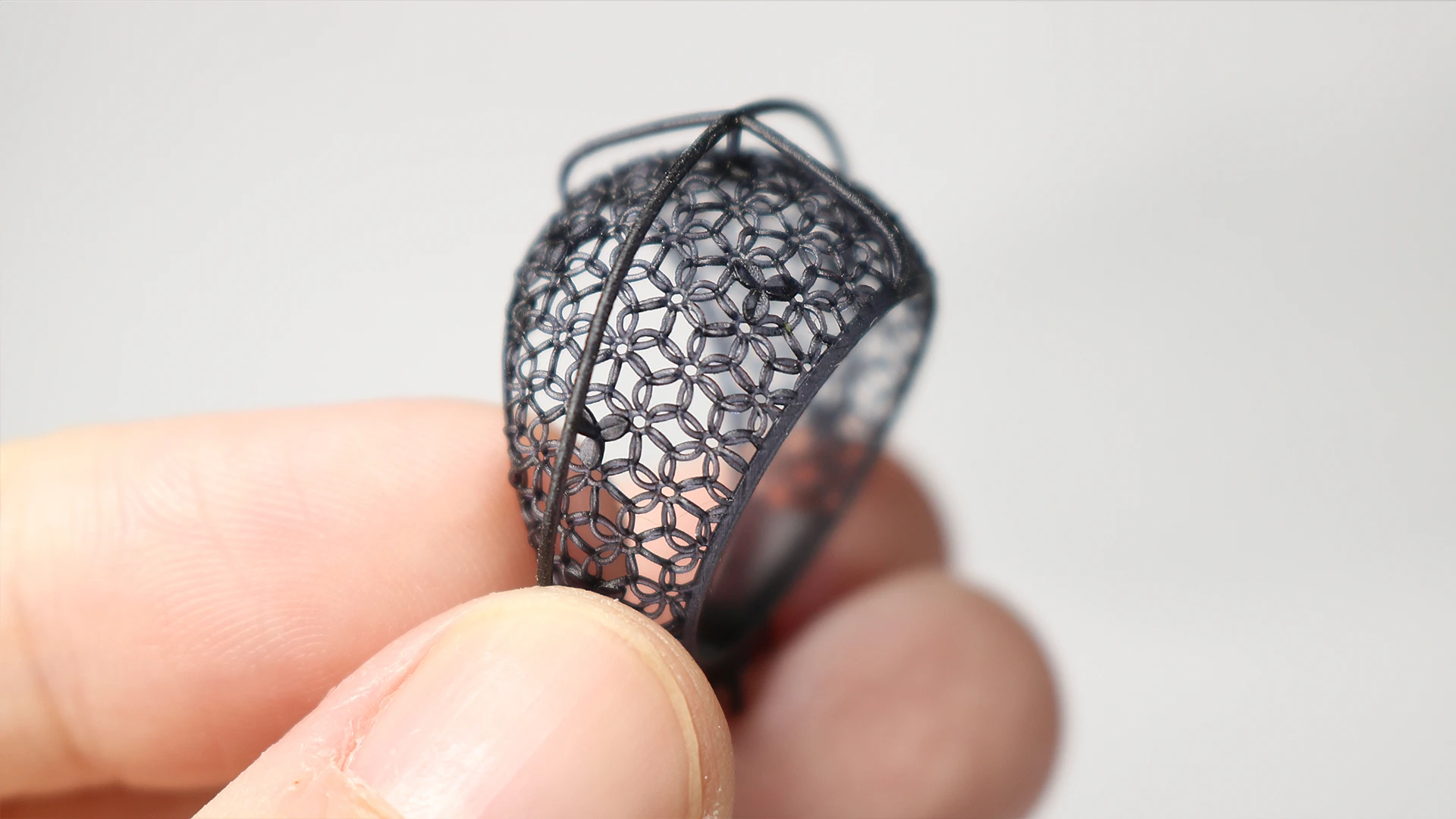
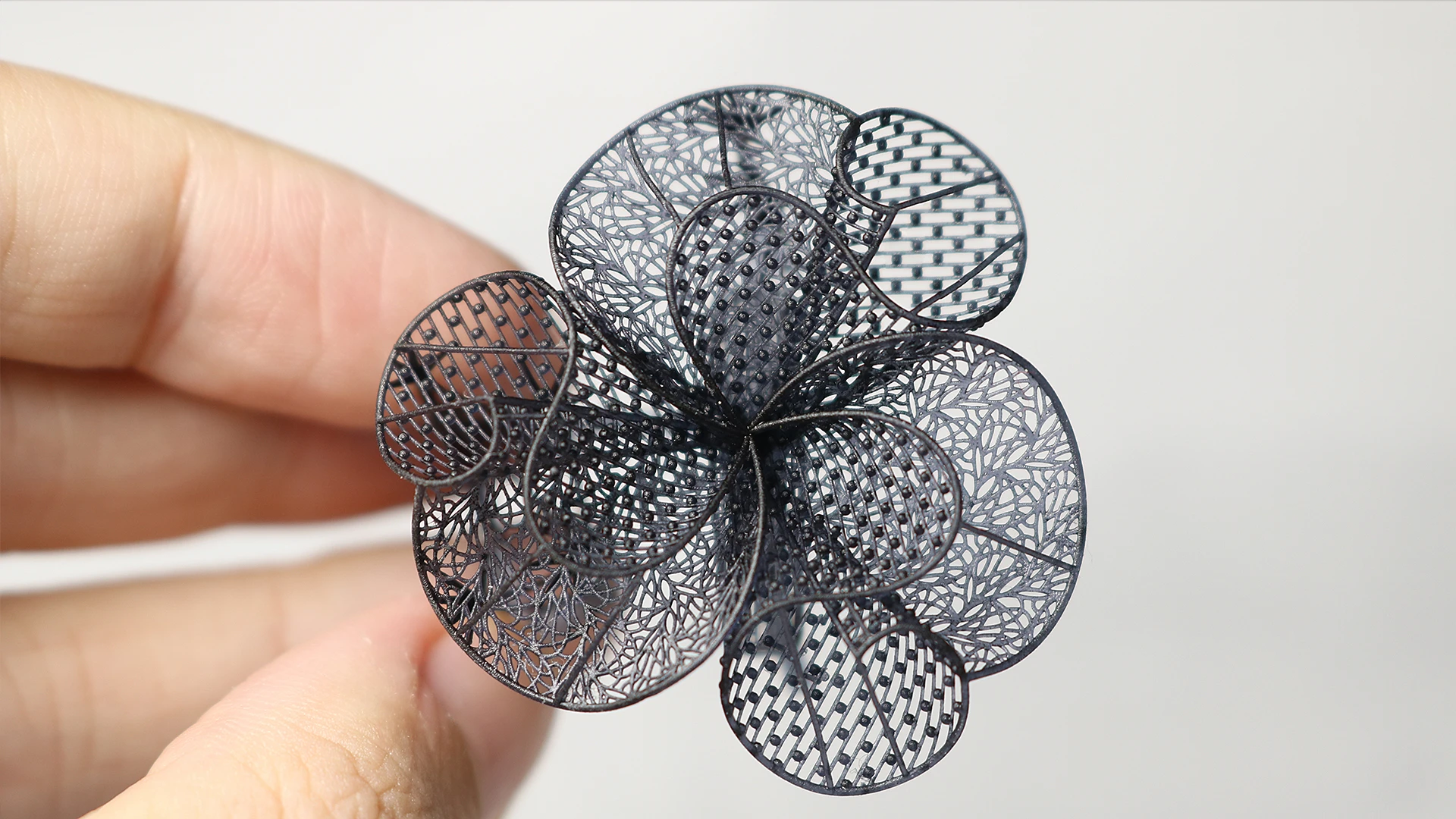
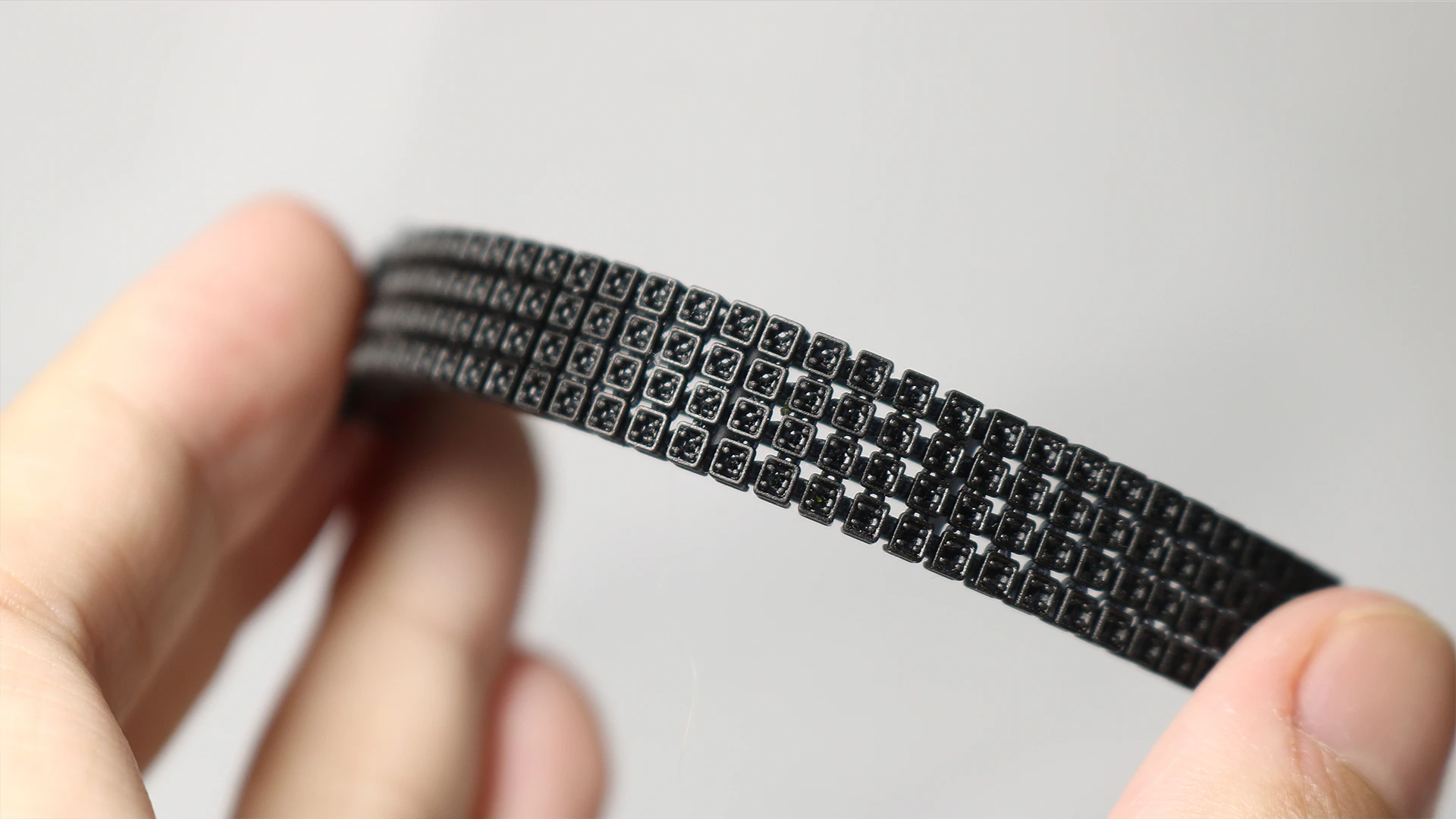
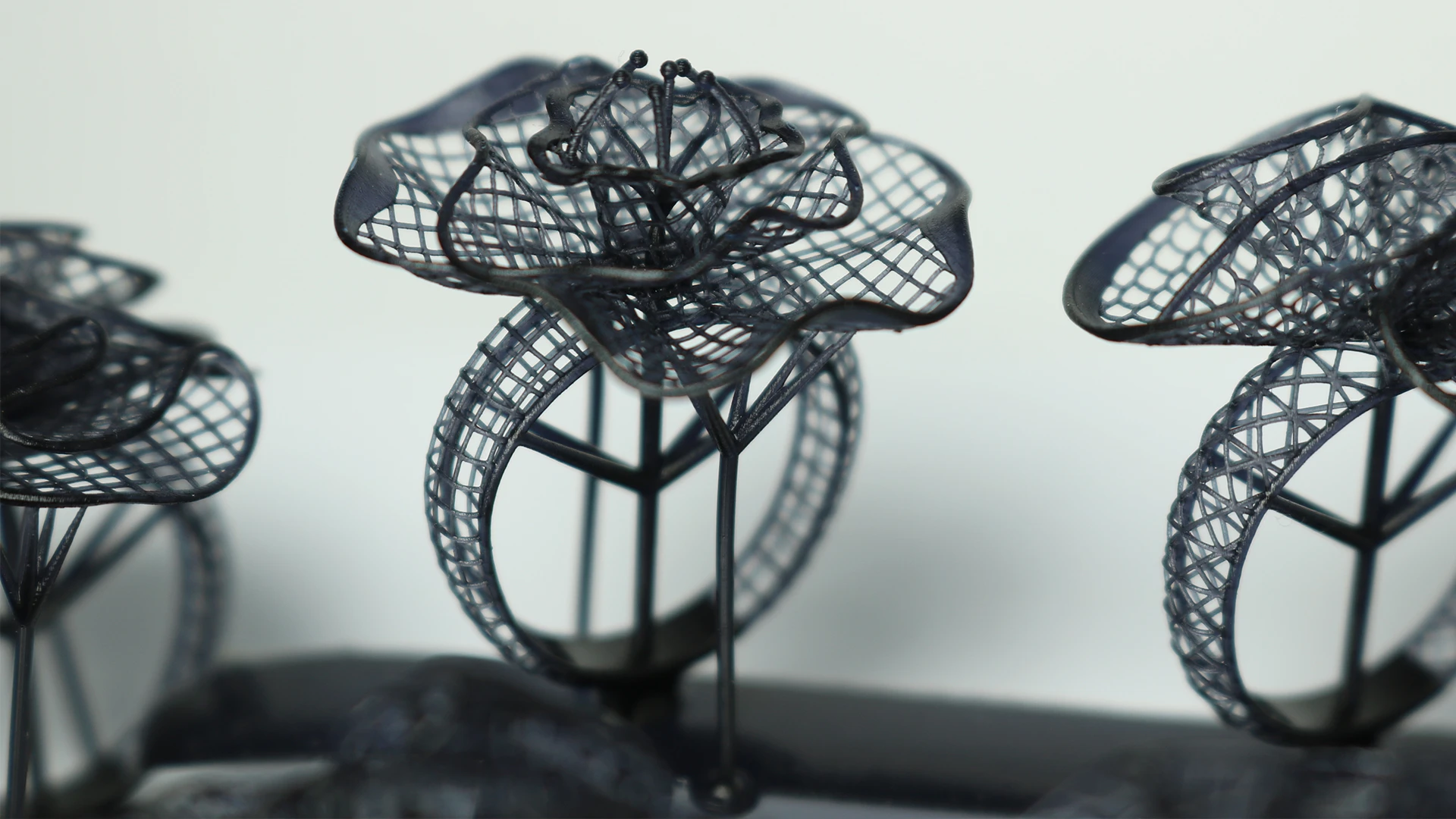
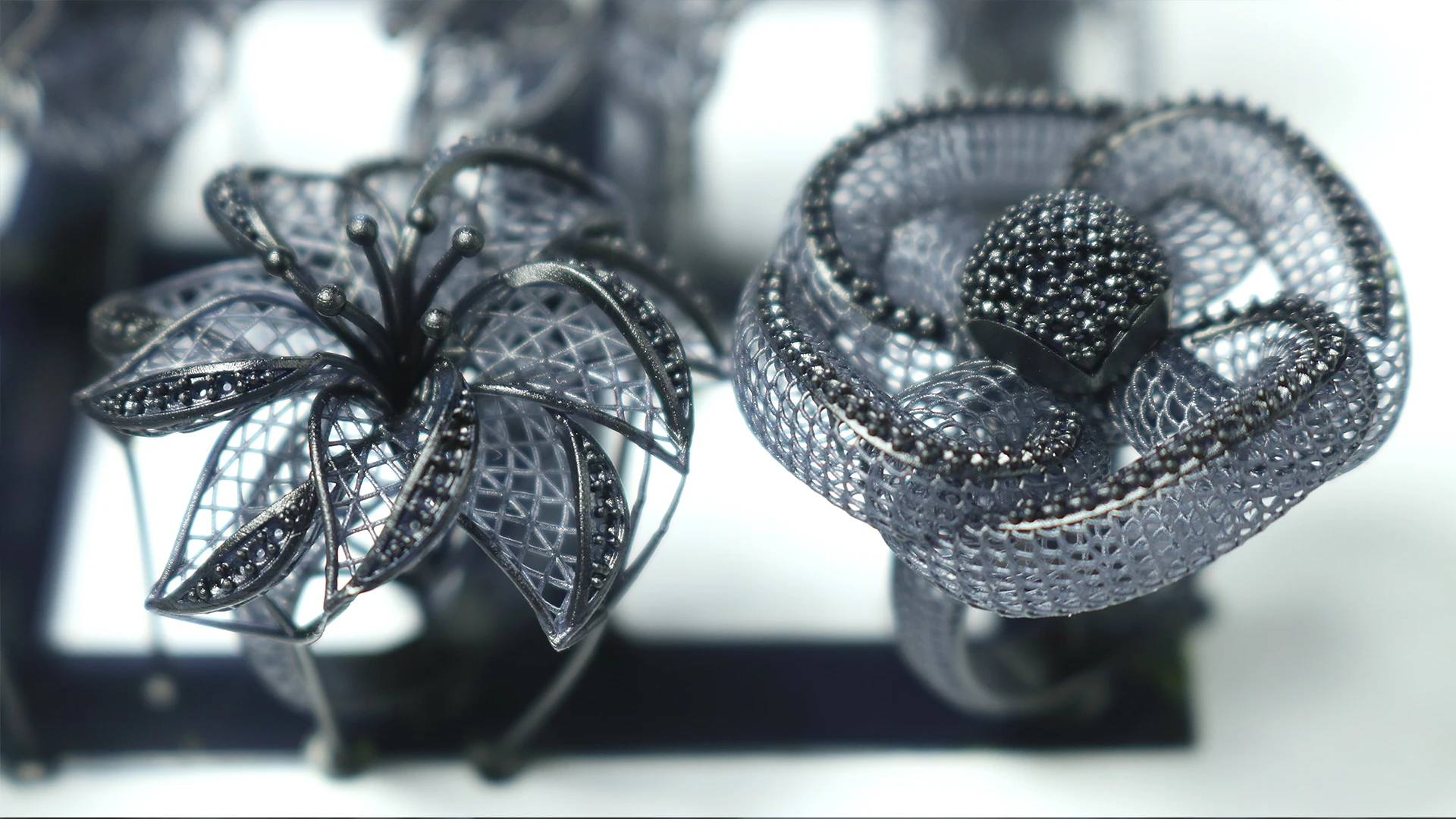
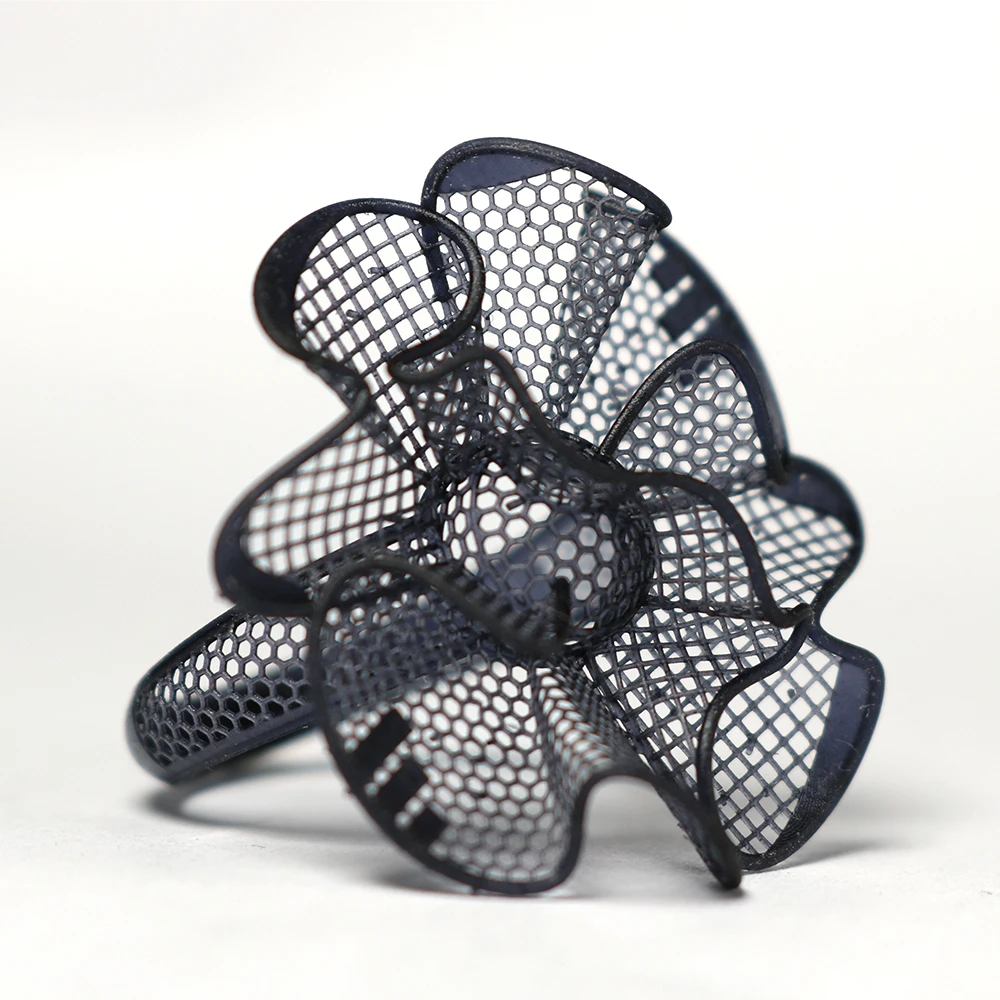
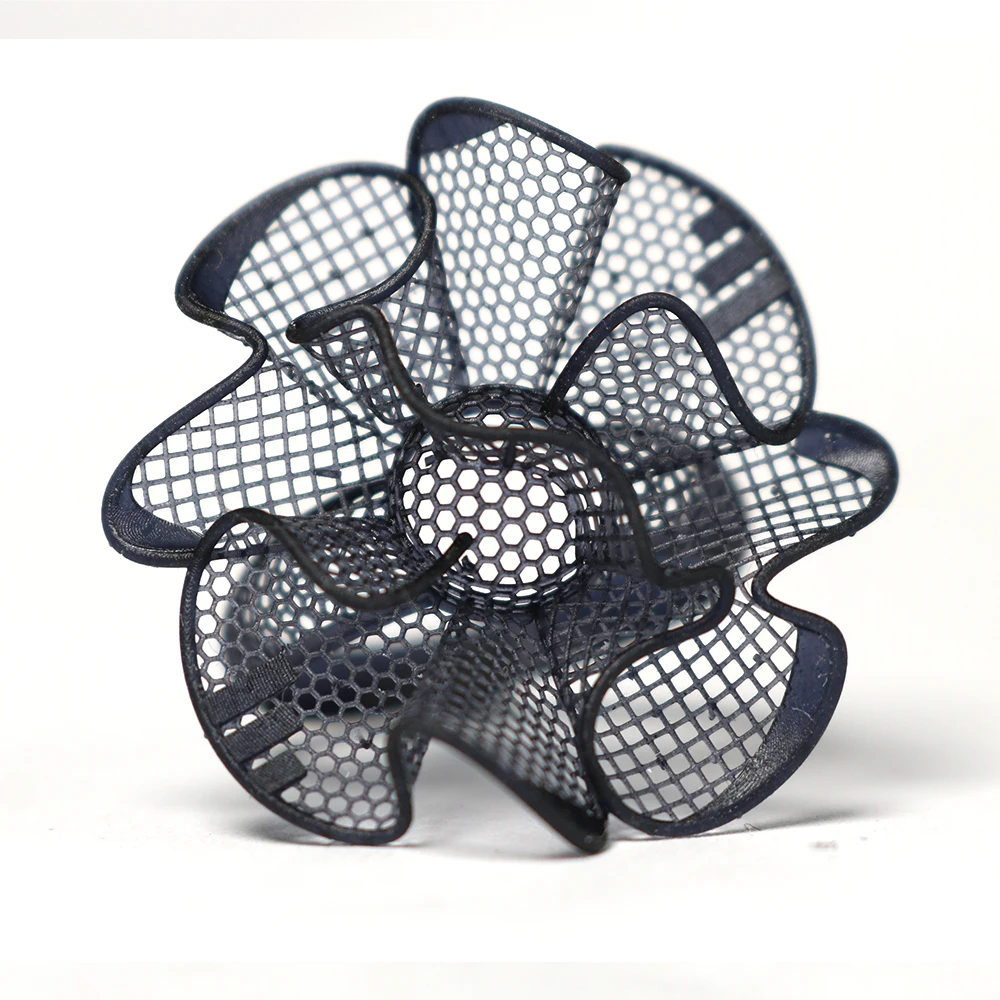
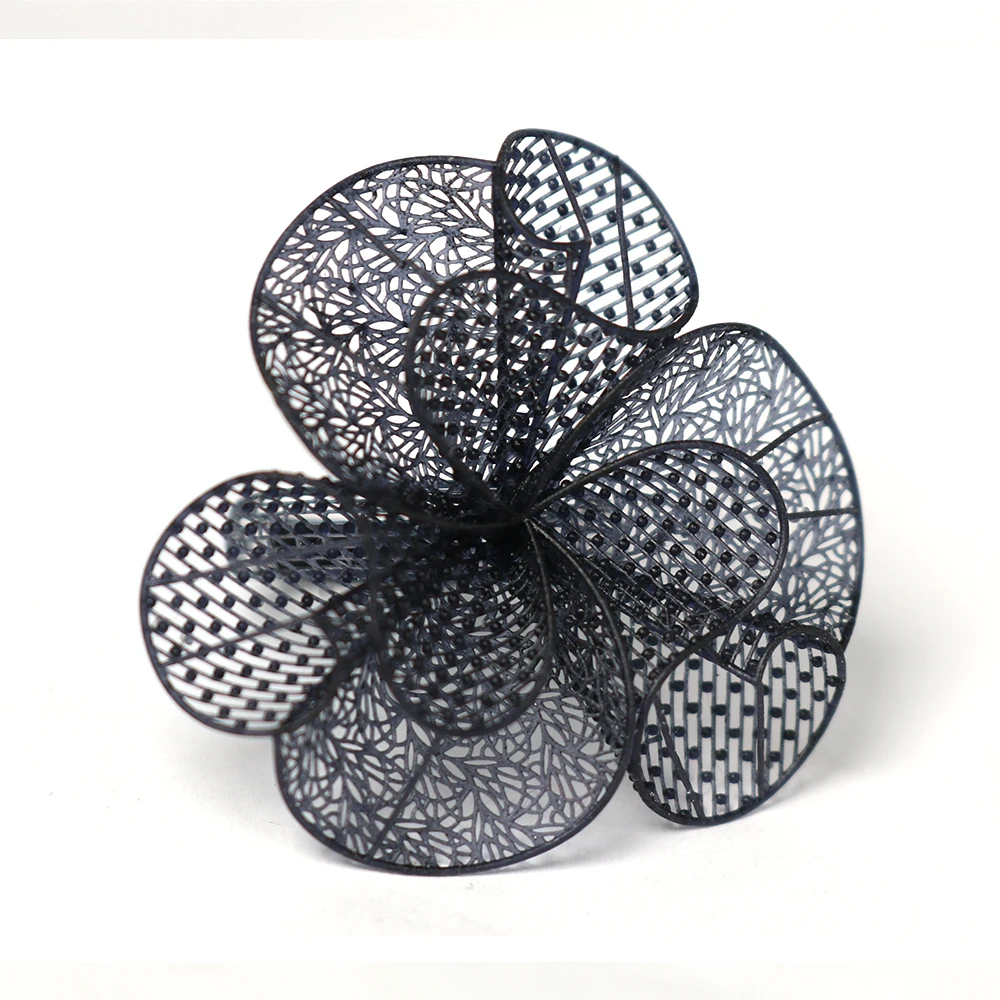
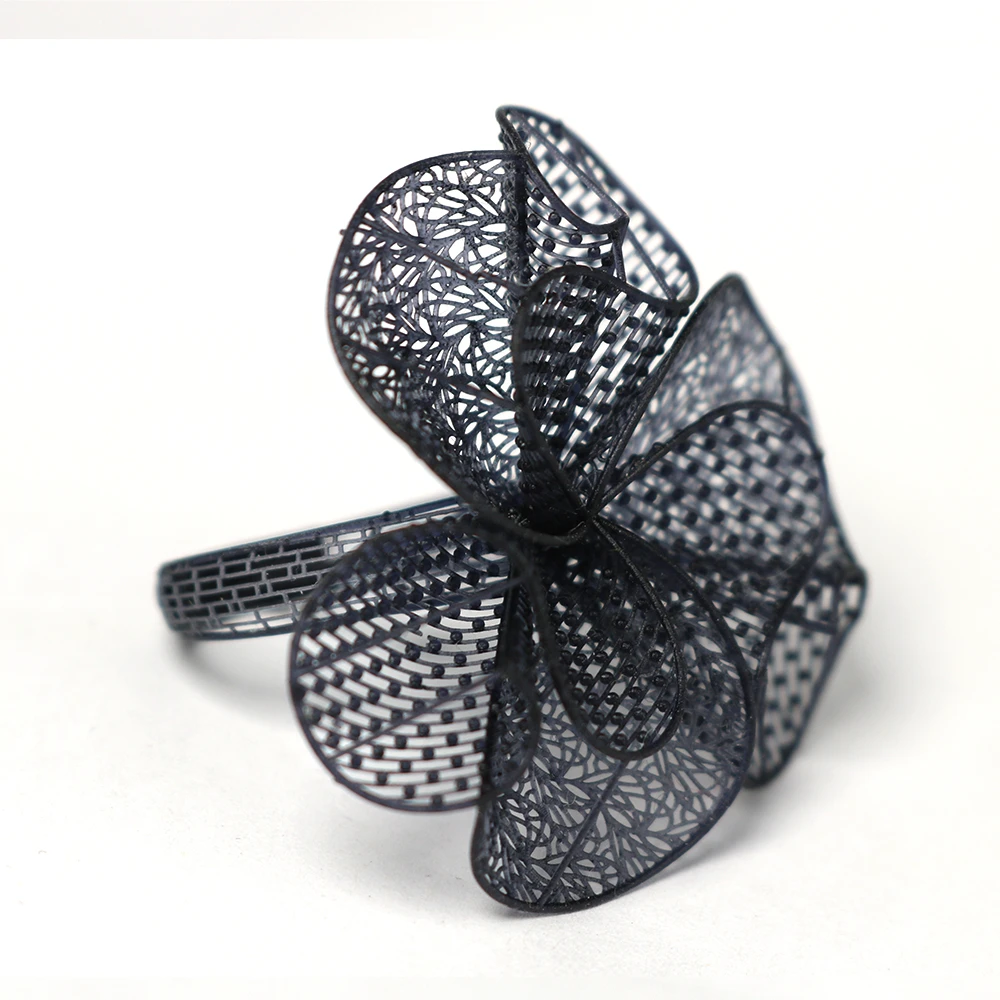
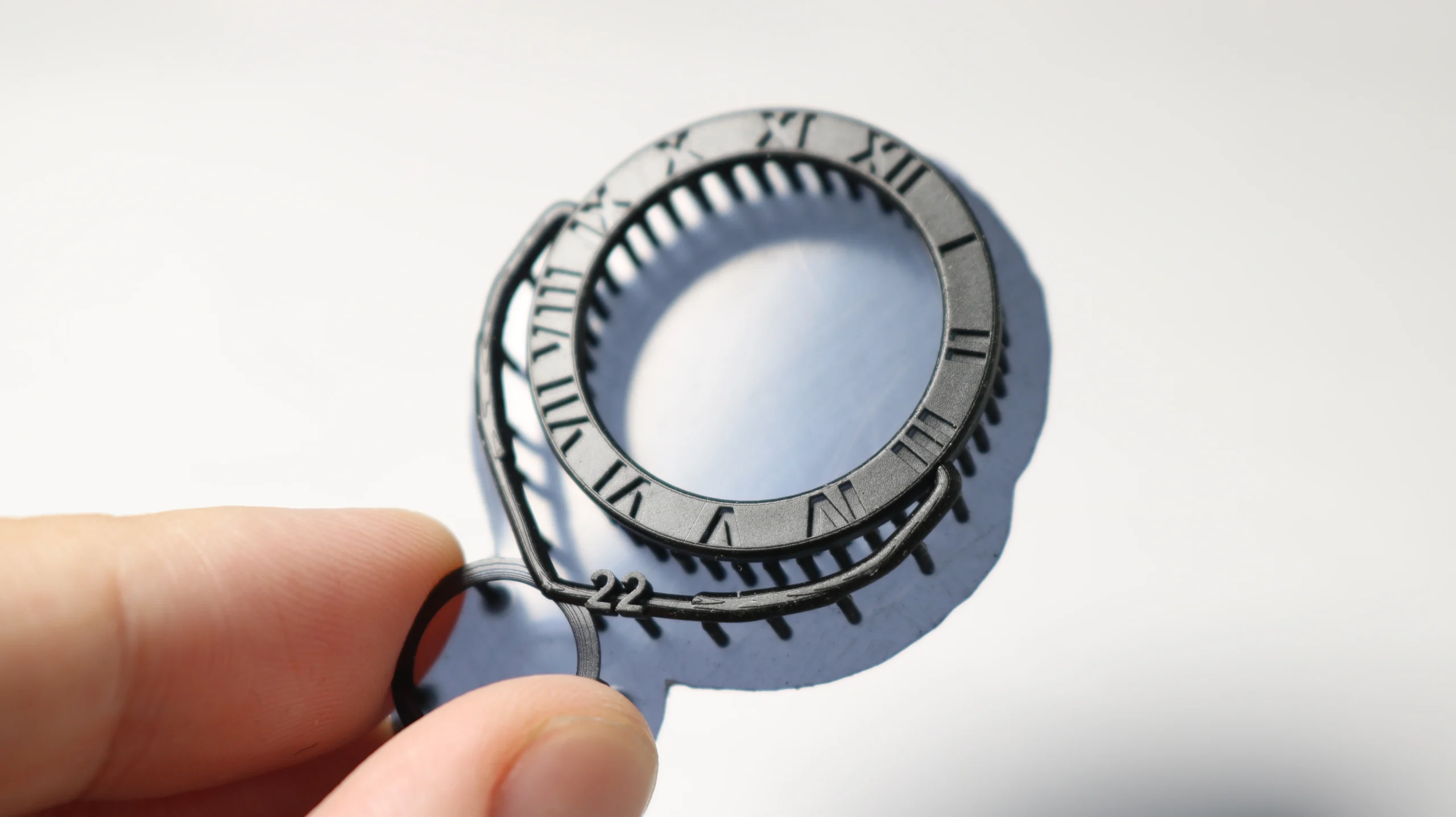
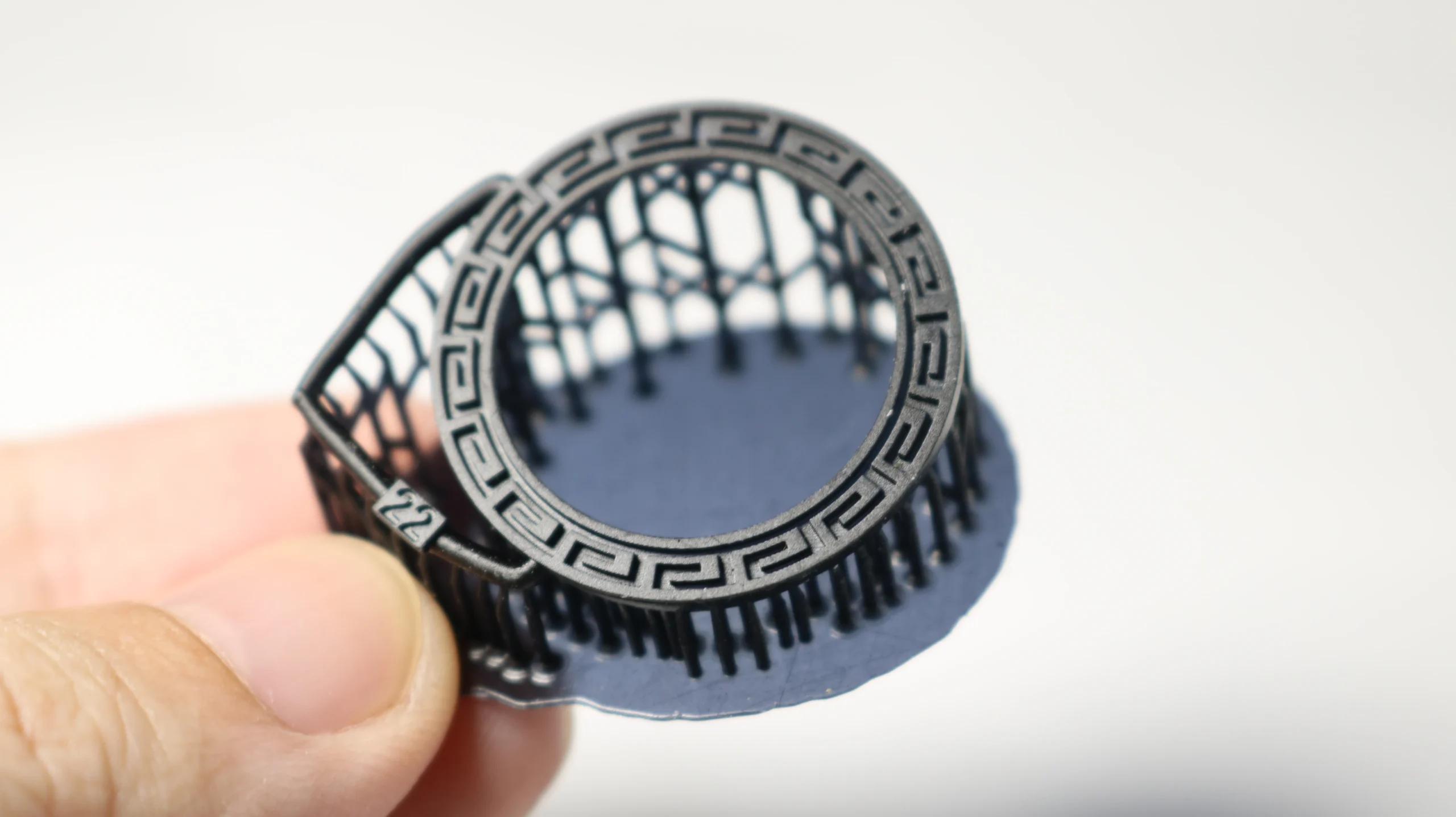
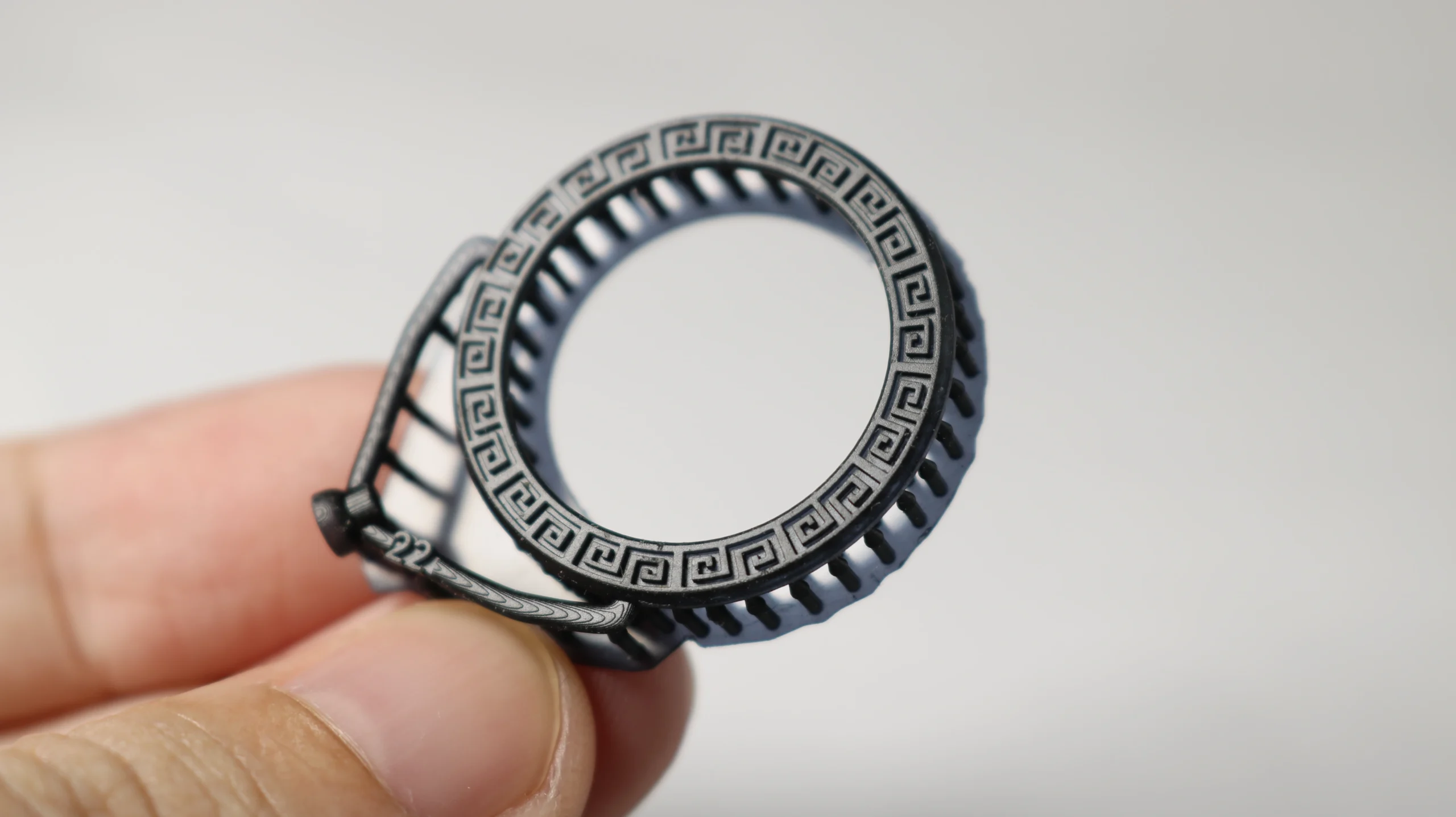
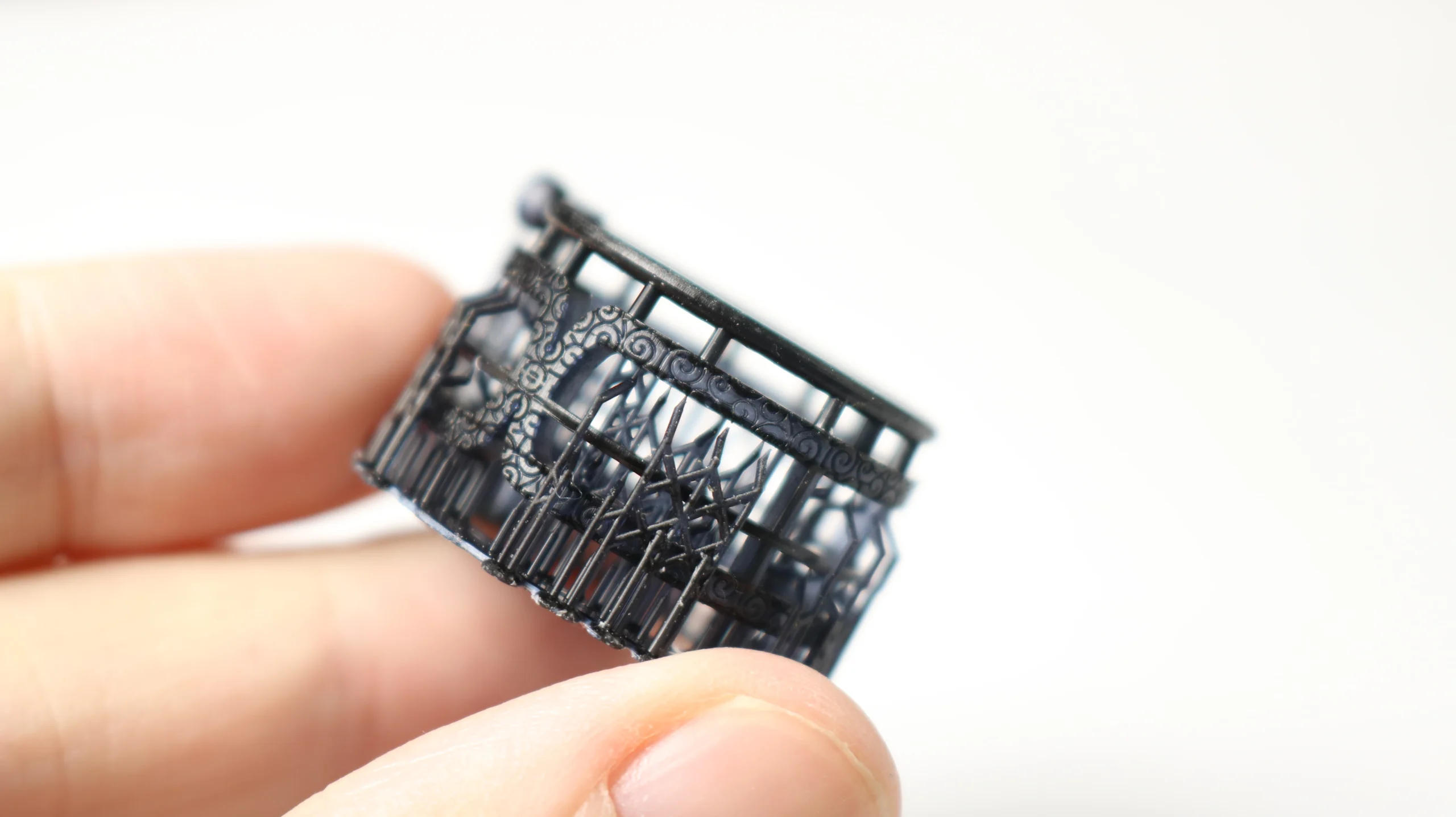
Featuring a low resin viscosity of 270 cps and controlled optical opacity, this material limits light bleeding to prevent unwanted curing in tight gaps. It achieves a minimum XY clearance of 0.18 mm, a wall thickness of 0.2 mm, and a Z-axis clearance of 0.25 mm. These parameters enable direct printing of filigree lace, micro-prong settings, and hollow geometries, reducing reliance on master rubber molds or manual carving.

High-Yield Performance for Mass Production
Formulated for automated LCD and DLP 3D printing systems, this resin balances material stability with high print success rates under continuous manufacturing conditions. Verified across major commercial jewelry production hubs, it lowers the total cost of ownership (TCO) per printed model while maintaining casting yield across high-throughput industrial print farms.
Technical Performance Matrix
Verified parameters and testing protocols for jewelry casting validation.
| Content | Data value | Testing method |
|---|---|---|
| color | black | – |
| viscosity | 270cps(25℃) | ASTM D1084-1997 |
| density | 1.10~1.15g/cm³ | ASM D1875-69(1980) |
| shrinkage | <0.25% | Capillary method |
| hardness | 52D | ASTM D2240-05(2010) |
Engineering Notes & Technical Interpretation
Technical insights into how 40% wax formulation and ultra-low shrinkage eliminate casting defects and maximize factory yields.
Why does a shrinkage rate of <0.25% matter in commercial jewelry production?
In jewelry manufacturing, accurate dimensional control directly impacts material costs and setting precision. Resins with higher shrinkage rates (1%–3%) cause ring bands to drop sizes, alter stone seat diameters, and warp flat surfaces. A shrinkage rate below 0.25% ensures that the printed pattern matches the CAD model virtually 1:1, allowing setters to snap stones into place with minimal bench adjustment and ensuring multi-component pieces fit together perfectly on the assembly line.
How does the 40% wax content protect investment molds from cracking?
Standard photopolymer resins tend to expand significantly when heated before reaching their degradation temperature. This thermal expansion exerts outward hydraulic pressure against the delicate walls of the gypsum mold, causing micro-fractures that lead to flashings or complete mold destruction. The 40% wax content in 500B softens and vaporizes at lower temperatures, creating internal relief channels within the pattern. This dramatically reduces thermal expansion stress and ensures clean ash-free burnout without reacting with standard or high-strength investment powders.
Why is black opacity beneficial for fine-detail (0.18 mm clearance) printing?
Transparent or lightly pigmented resins allow UV light to bleed into adjacent resin areas during exposure, curing open gaps and locking up tight features. The specialized black pigment in 500B absorbs excess light scatter at the LCD/DLP exposure layer. This precise light control allows the printer to execute ultra-fine 0.18 mm XY clearances and 0.20 mm wall thicknesses without unwanted cross-curing, delivering clean lattice work and clear gaps.
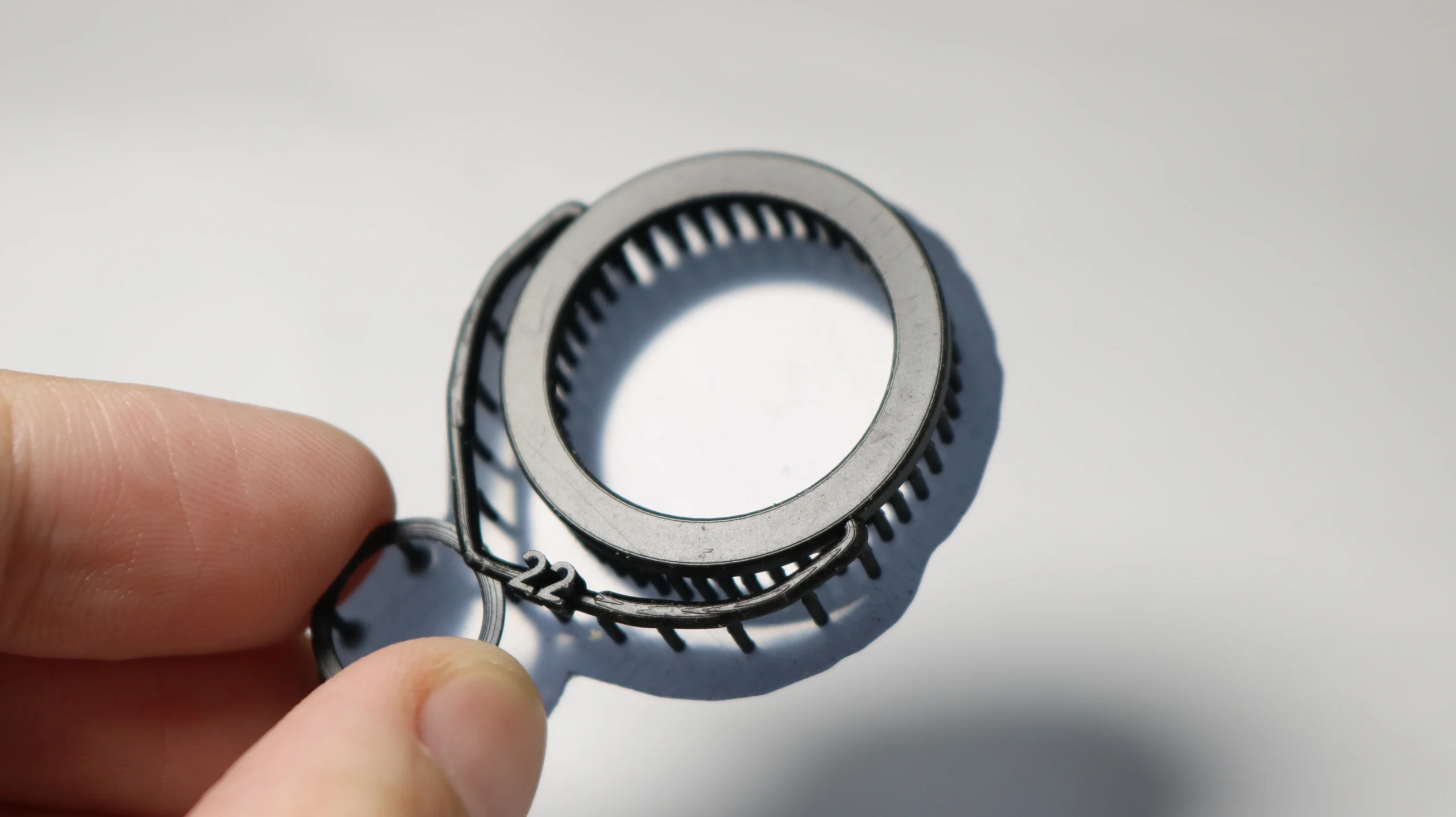
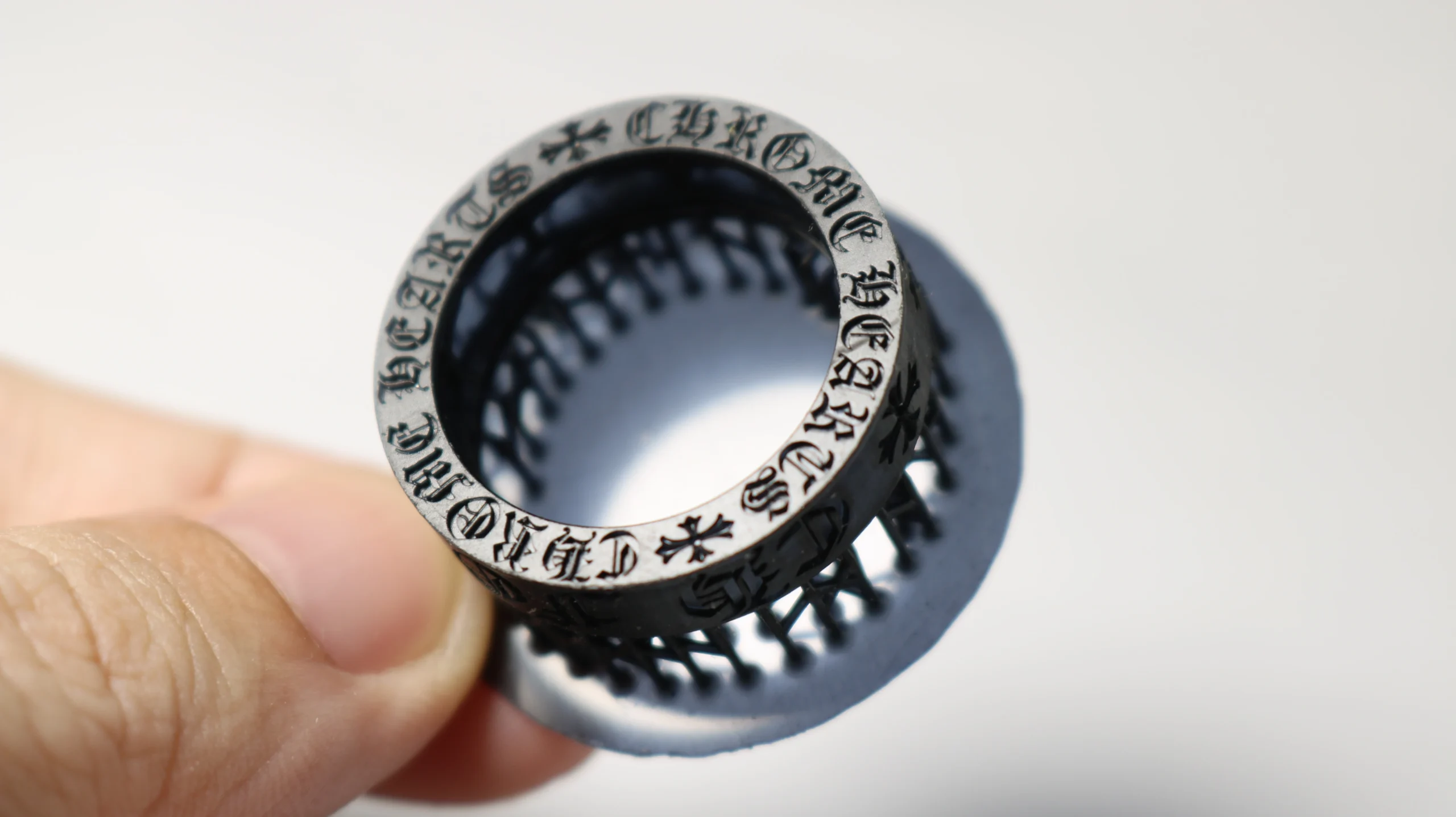
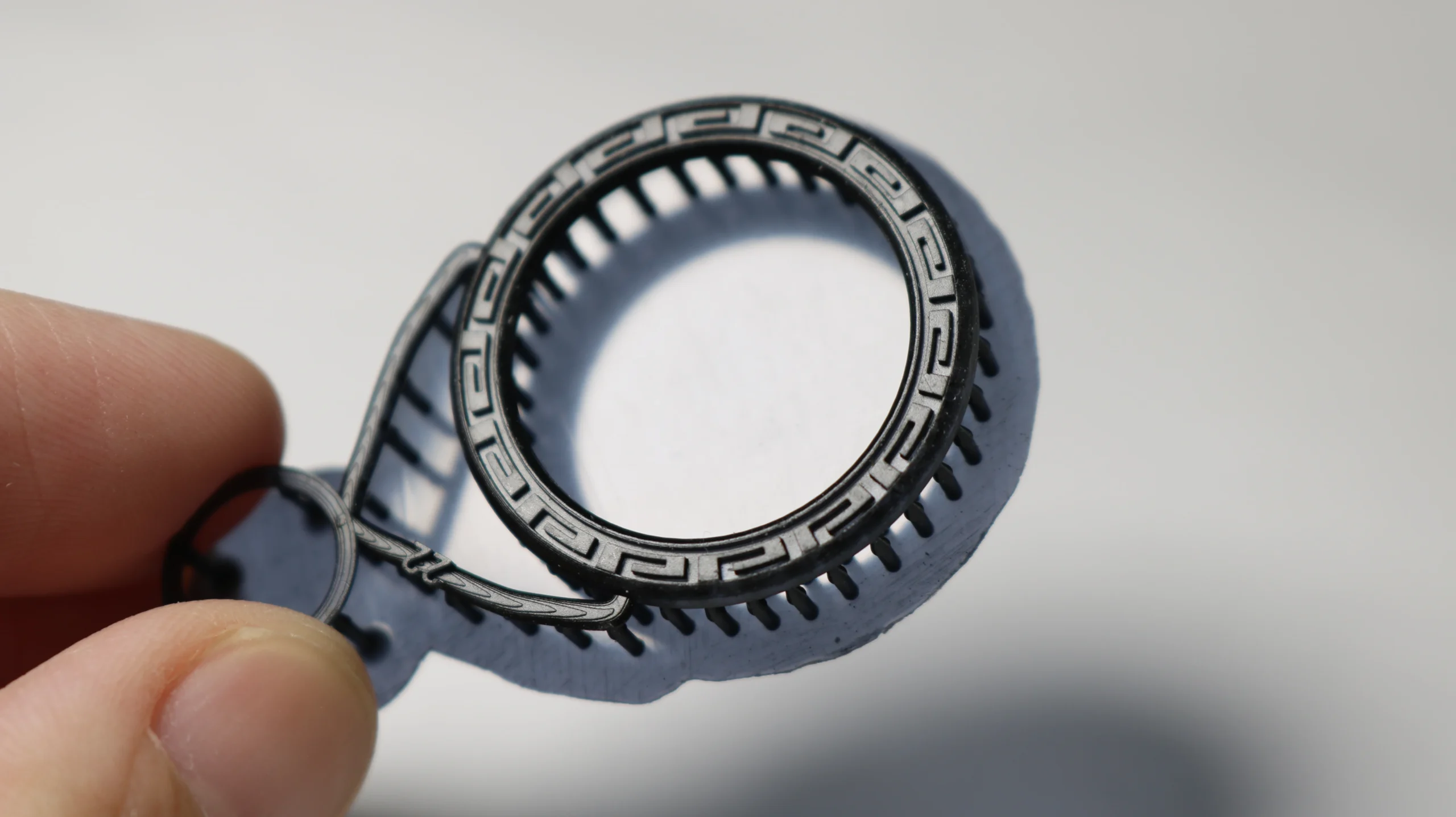
Print & Casting Results
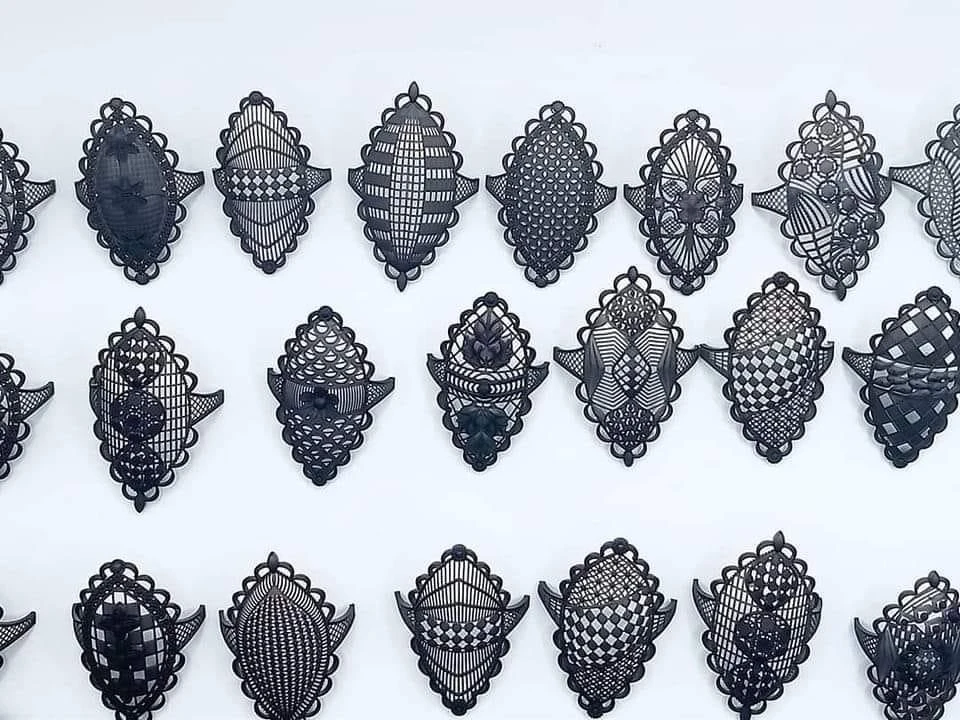
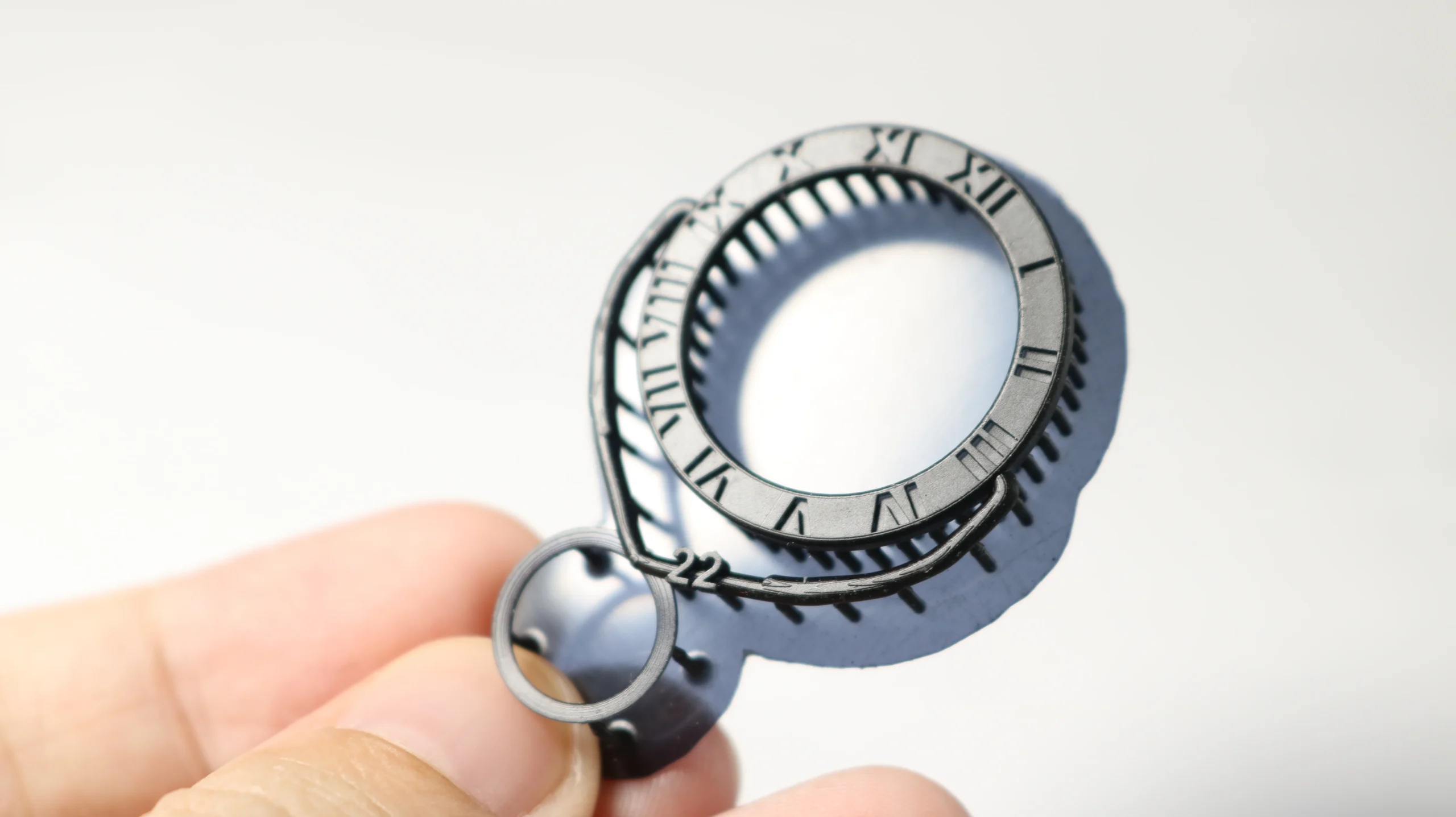
Explore 3D printed resin patterns, burnout flasks, and finished cast jewelry.
Related Products & Solutions
Discover high-performance 3D printing equipment, specialized resins, and end-to-end digital solutions tailored to your manufacturing needs.
Get an Instant Quote for Your 3D Printing Setup
Connect with our application engineers to select the ideal 3D printer (Resin/Wax) and materials (Dental/Jewelry) for your production, complete with unit cost calculations and a customized proposal.
Need a Faster Response?
Chat directly with our sales engineers on WhatsApp for quick price estimates, resin matching, or bulk ordering details.