
High-Hardness Jewelry Master Mold Resin 3123 for Vulcanized Rubber Molds
High-Hardness Jewelry Master Mold Resin 3123 is a high-temperature 3D printing resin engineered for vulcanized rubber and RTV silicone molding in jewelry manufacturing. For OEM factories and high-precision mold workshops, it solves the common problem of conventional resins cracking or deforming under thermal expansion and heavy press loads...
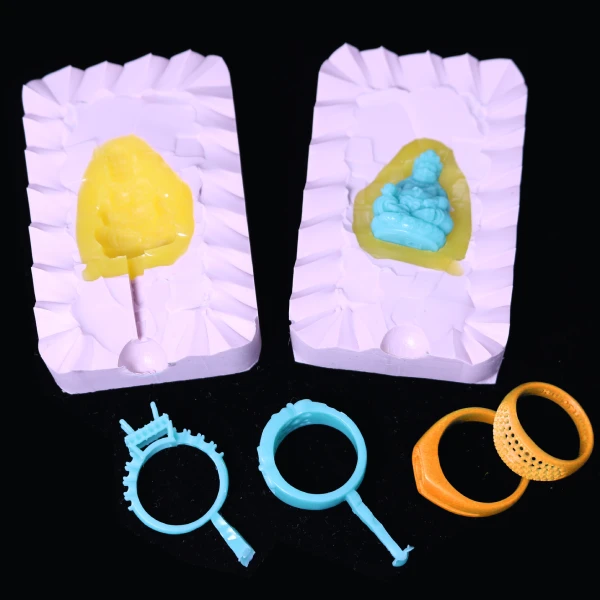
Engineered for Industrial Repeatability
Overcoming the limitations of traditional resin 3D printing with precision optical hardware and robust closed-loop motion systems.
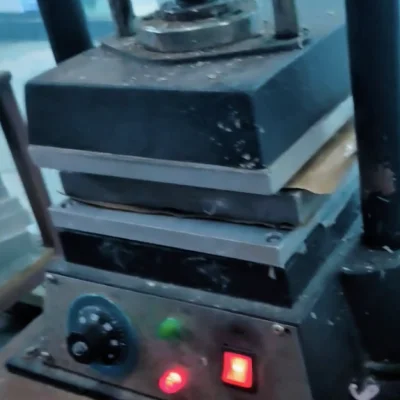
Exceptional High-Temp Resistance
Engineered to endure temperatures up to 160°C. It effortlessly withstands the extreme thermal and physical clamping stresses of the rubber vulcanization process without cracking, softening, or degrading.
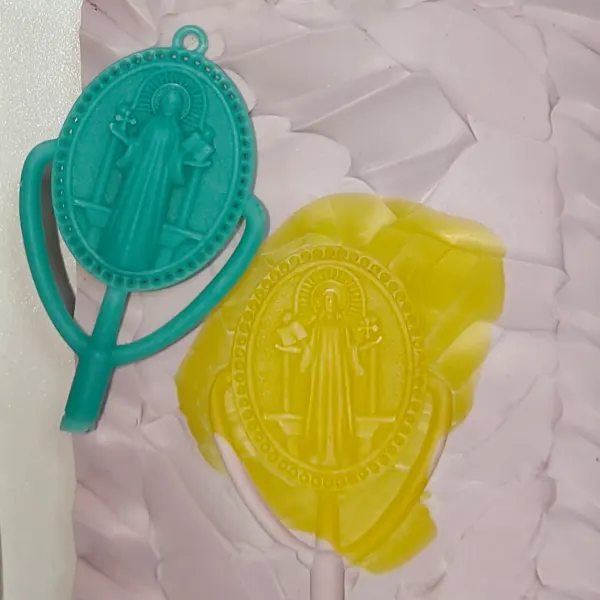
Effortless Demolding & Zero Adhesion
Features specialized ceramic-smooth surface properties that prevent the resin pattern from sticking to silicone or rubber molds. This ensures flawless separation and protects delicate mold structures.
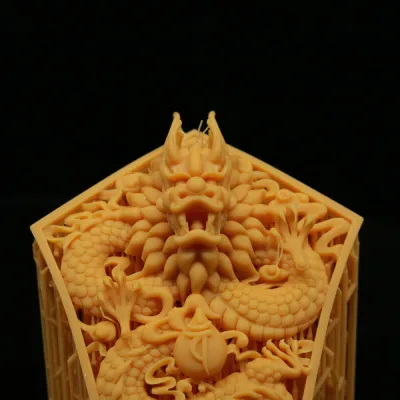
High Rigidity & Zero Deformation
An exceptional 85D Shore hardness combined with a high flexural modulus (3000–3800 MPa) prevents thin walls, micro-prongs, and fine jewelry details from distorting under high-pressure mold clamping.

Ultra-High Precision & Crisp Details
With an ultra-low linear shrinkage rate of less than 1%, this resin captures sharp angles, micro-textures, and the incredibly tight tolerances required for intricate industrial and high-end jewelry master models.
Technical Performance Matrix
Verified parameters and testing protocols for jewelry casting validation.
| Property | Value | Test Method |
|---|---|---|
| Properties Before Curing | ||
| Color | Orange / Beige | — |
| Viscosity | 200–400 cps @ 25°C | ASTM D1084 |
| Density | 1.08 g/cm³ | ASTM D1875 |
| Flash Point | 110°C | — |
| Properties After Curing | ||
| Hardness | 85D | ASTM D2240 |
| Linear Shrinkage | < 1% | — |
| Flexural Modulus | 3000–3800 MPa | ASTM D790 |
| Heat Deflection Temp. (HDT) | 120–140°C | ASTM D648 |
| Tensile Strength | 60–80 MPa | ASTM D638 |
| Elongation at Break | 8%–10% | ASTM D638 |
Engineering Notes & Technical Interpretation
In-depth technical breakdown of how 3123 specifications optimize real-world manufacturing performance.
Why is Heat Deflection Temperature (HDT) critical for rubber mold master resins?
During the rubber vulcanization process, uncured rubber compounds are subjected to temperatures between 130°C and 160°C under high hydraulic pressure. If a resin's HDT is below these process temperatures, the plastic transitions into a pliable state, causing the master model to flatten, warp, or collapse under clamping force. Resin 3123 features an HDT of 140°C and peak tolerance of 160°C, ensuring the master pattern acts as a rigid, unyielding die throughout the entire heating and press cycle.
How does a high Flexural Modulus (3000–3800 MPa) protect delicate jewelry details?
Flexural modulus measures a material's resistance to bending under load. In jewelry master patterns, features like micro-prongs, bezel walls, and thin filigree threads are vulnerable to lateral forces when unvulcanized rubber flows around them under pressure. A flexural modulus of 3000–3800 MPa ensures these ultra-thin features resist mechanical deflection, retaining exact prong alignment and wall thickness in the resulting rubber cavity.
Why does linear shrinkage under 1% directly impact post-casting labor costs?
Excessive linear shrinkage introduces dimensional drift, causing ring sizes to contract unpredictably and pre-machined stone seats to shrink. When shrinkage exceeds 1%, bench jewelers must spend significant manual labor re-reaming stone seats, adjusting prongs, or resizing castings. By controlling linear shrinkage to less than 1.0%, Resin 3123 maintains original CAD dimensions, ensuring pre-cut stones drop in precisely and modular parts fit without hand modification.
How do ceramic-smooth surface properties affect demolding and mold life?
Standard photopolymers can exhibit micro-porosity or residual surface tack, creating mechanical interlocking or chemical adhesion with curing rubber and silicone. Resin 3123 incorporates specialized surface-active additives that create a ceramic-smooth, low-friction exterior post-cure. This prevents rubber compound adhesion, allowing effortless separation after vulcanization, preventing mold cavity wall tearing, and significantly extending the service life of master rubber molds.
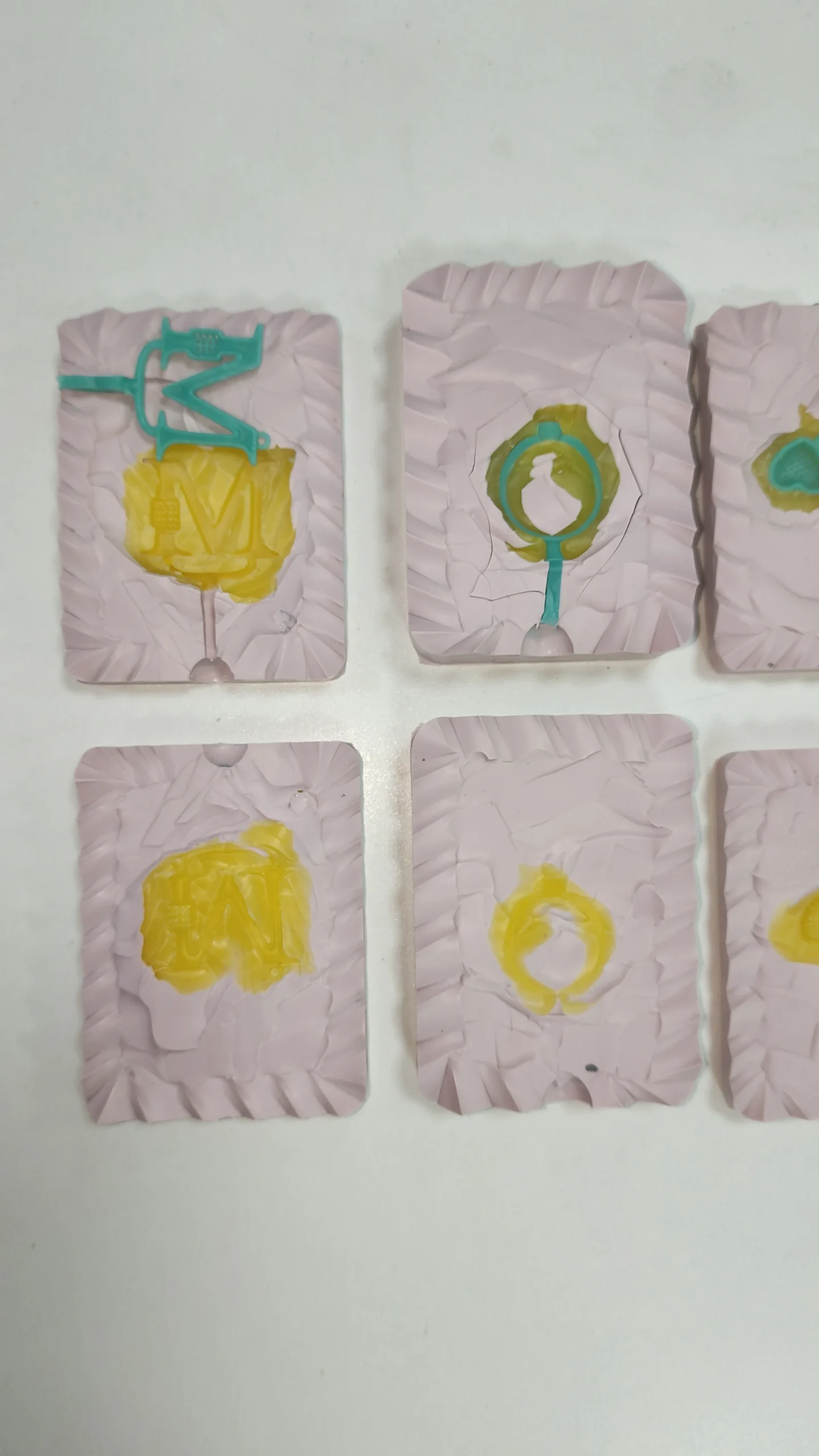
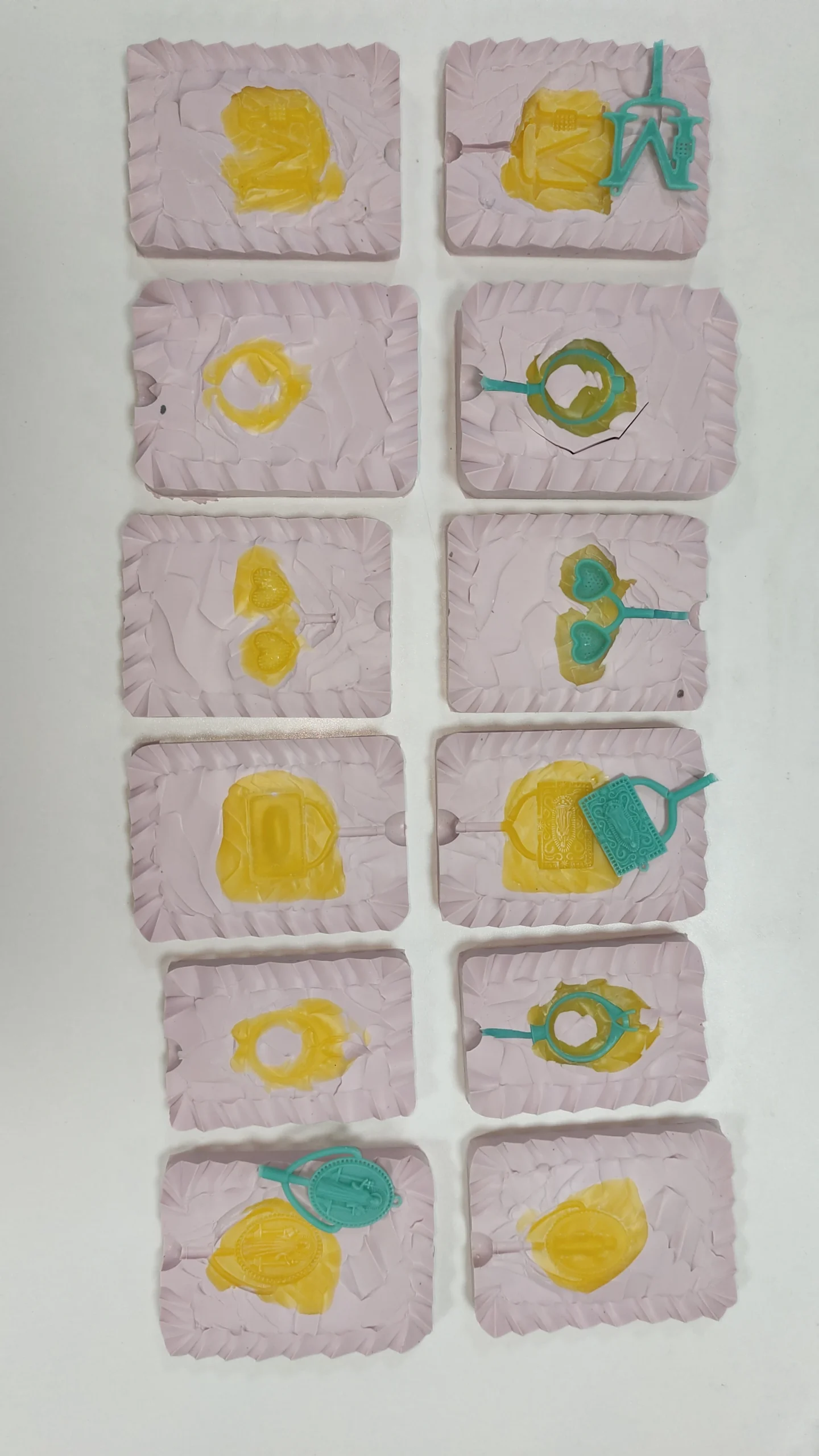
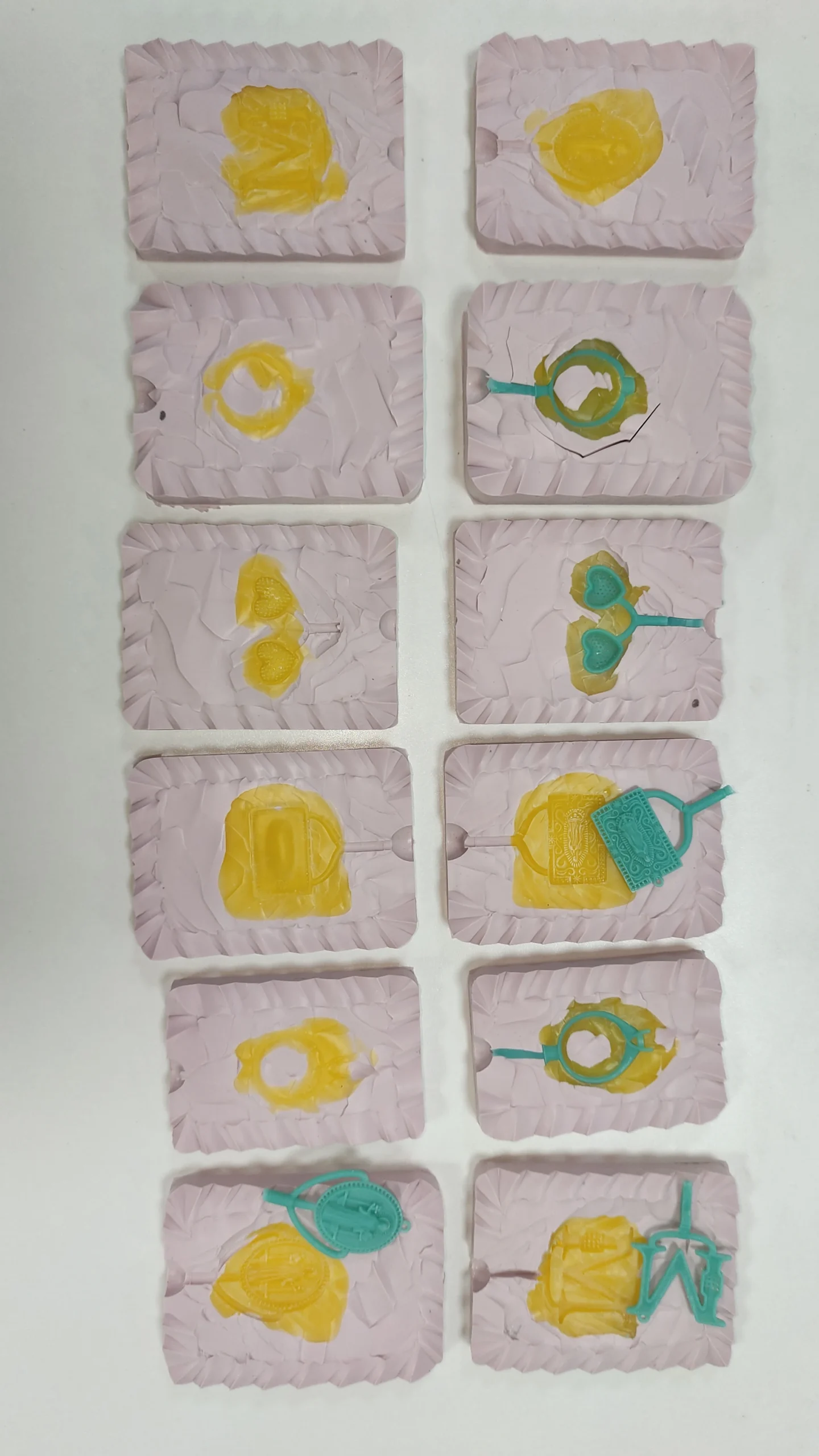
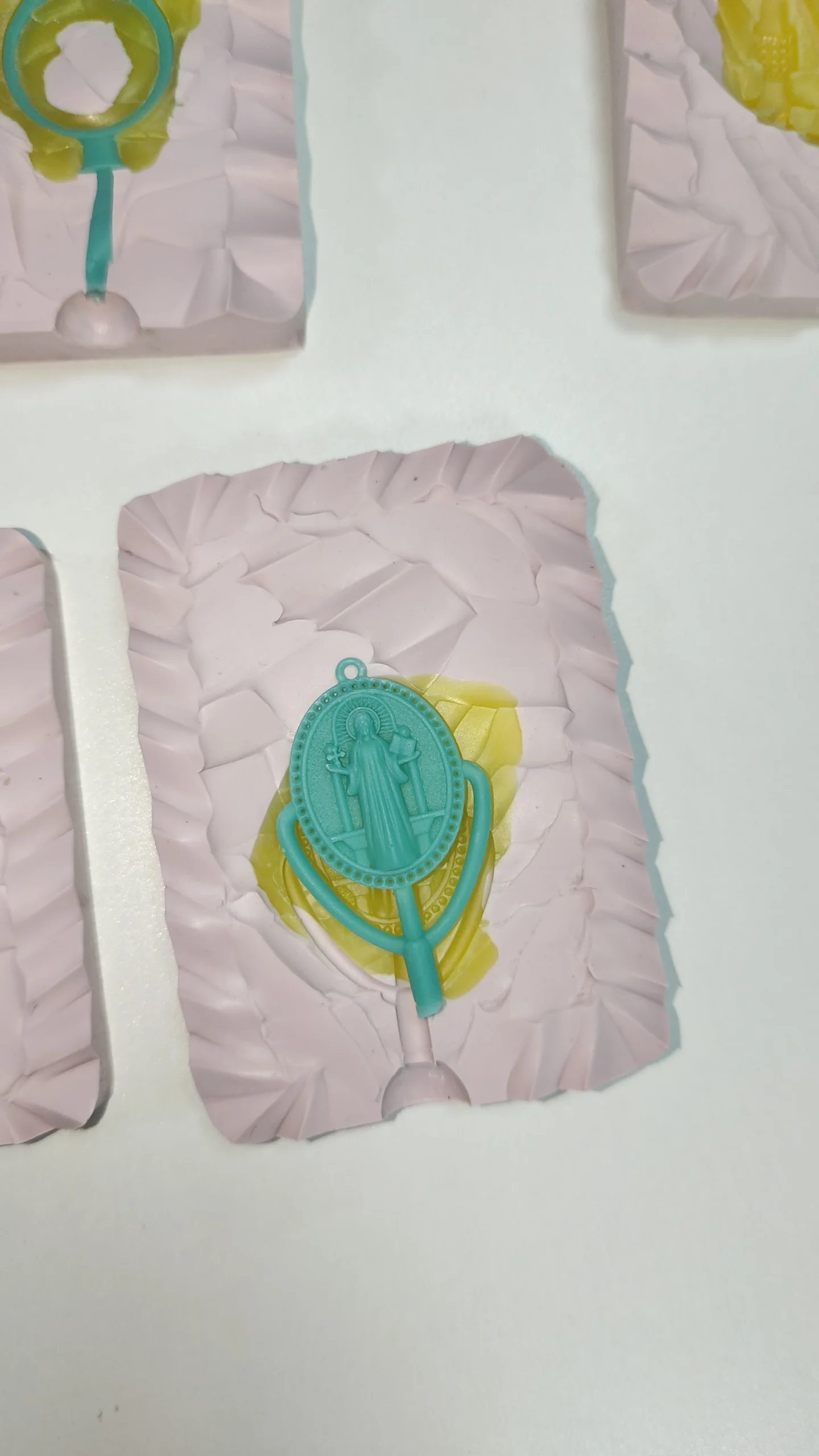
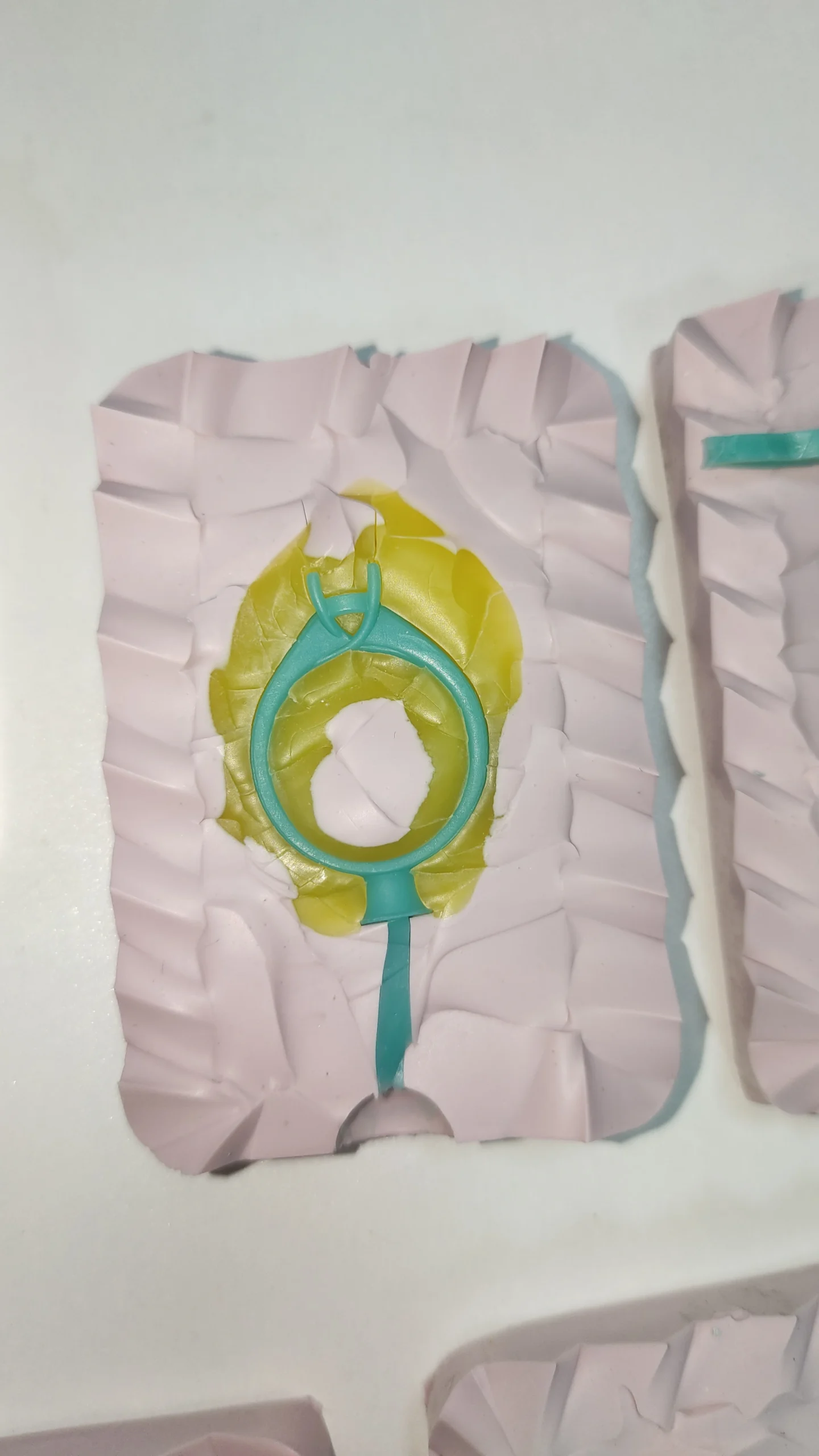
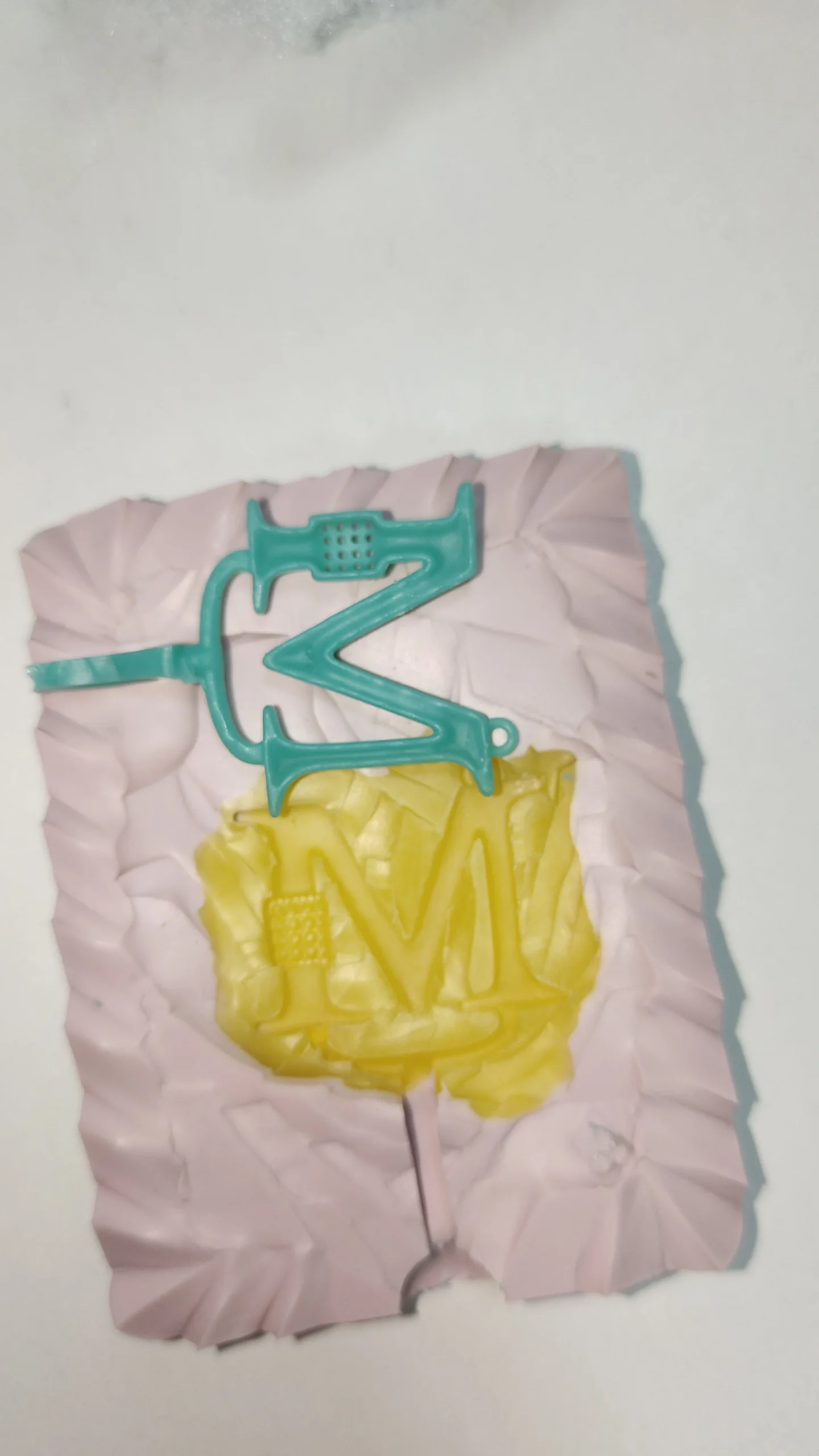
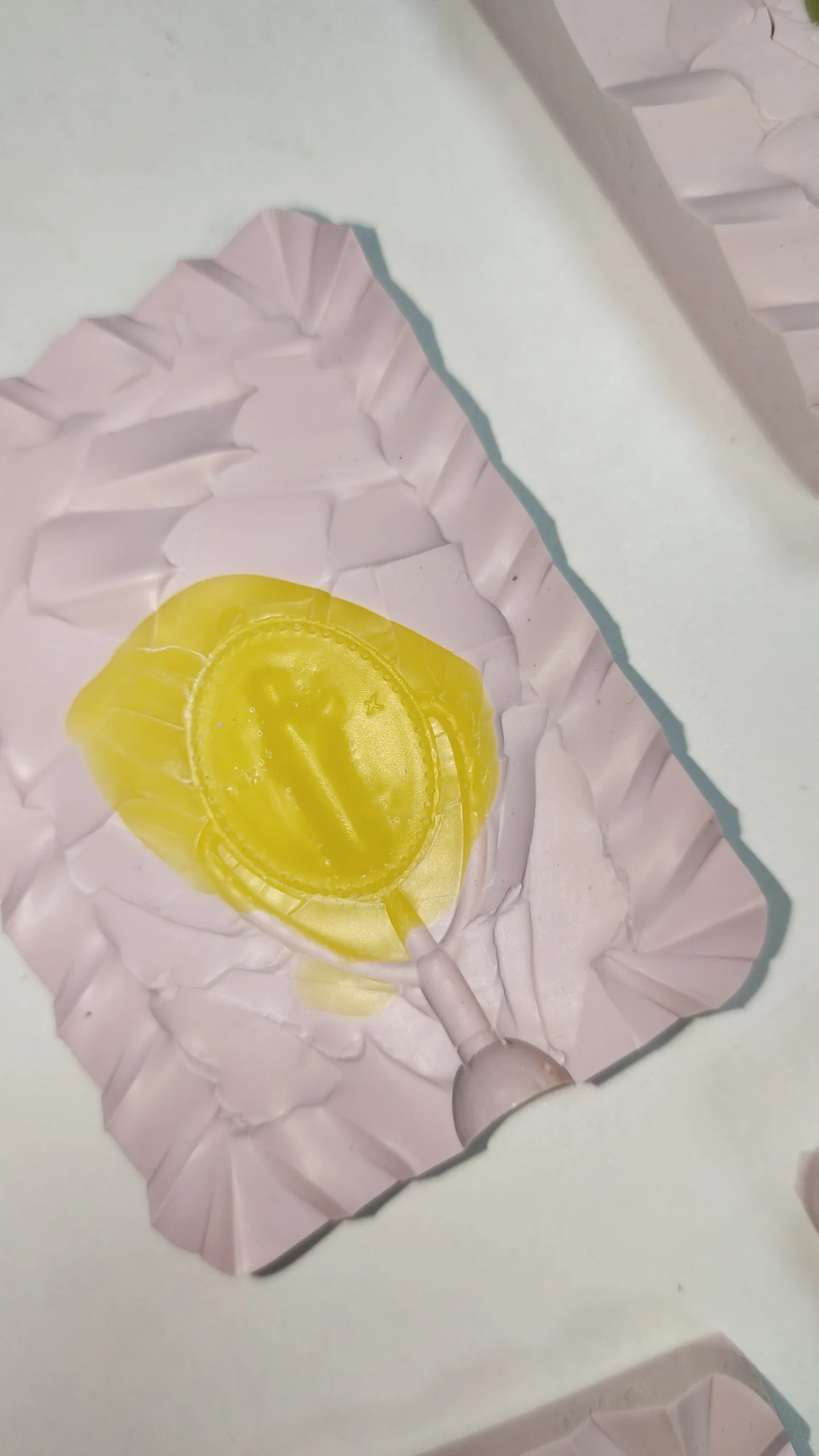
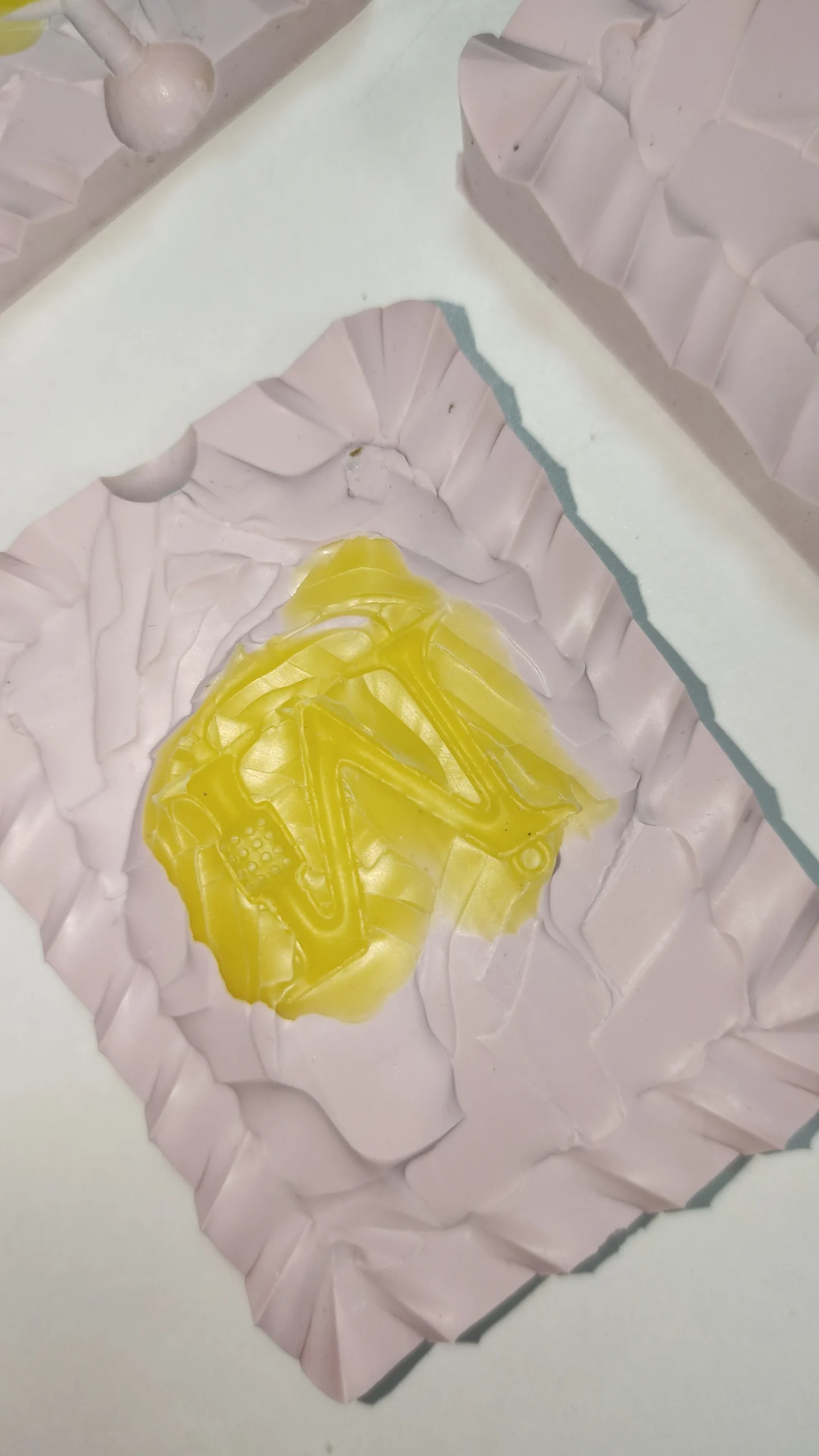
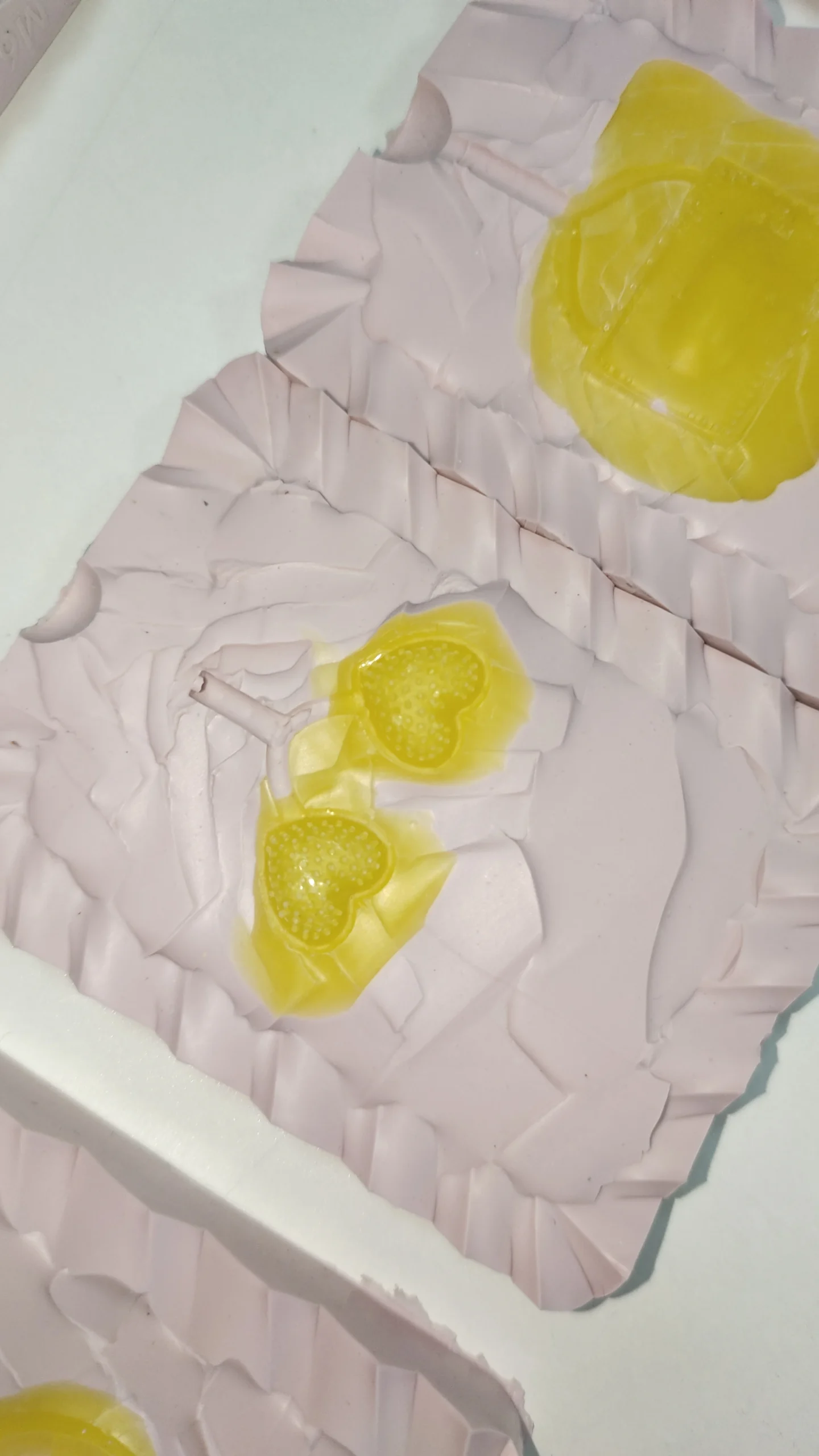
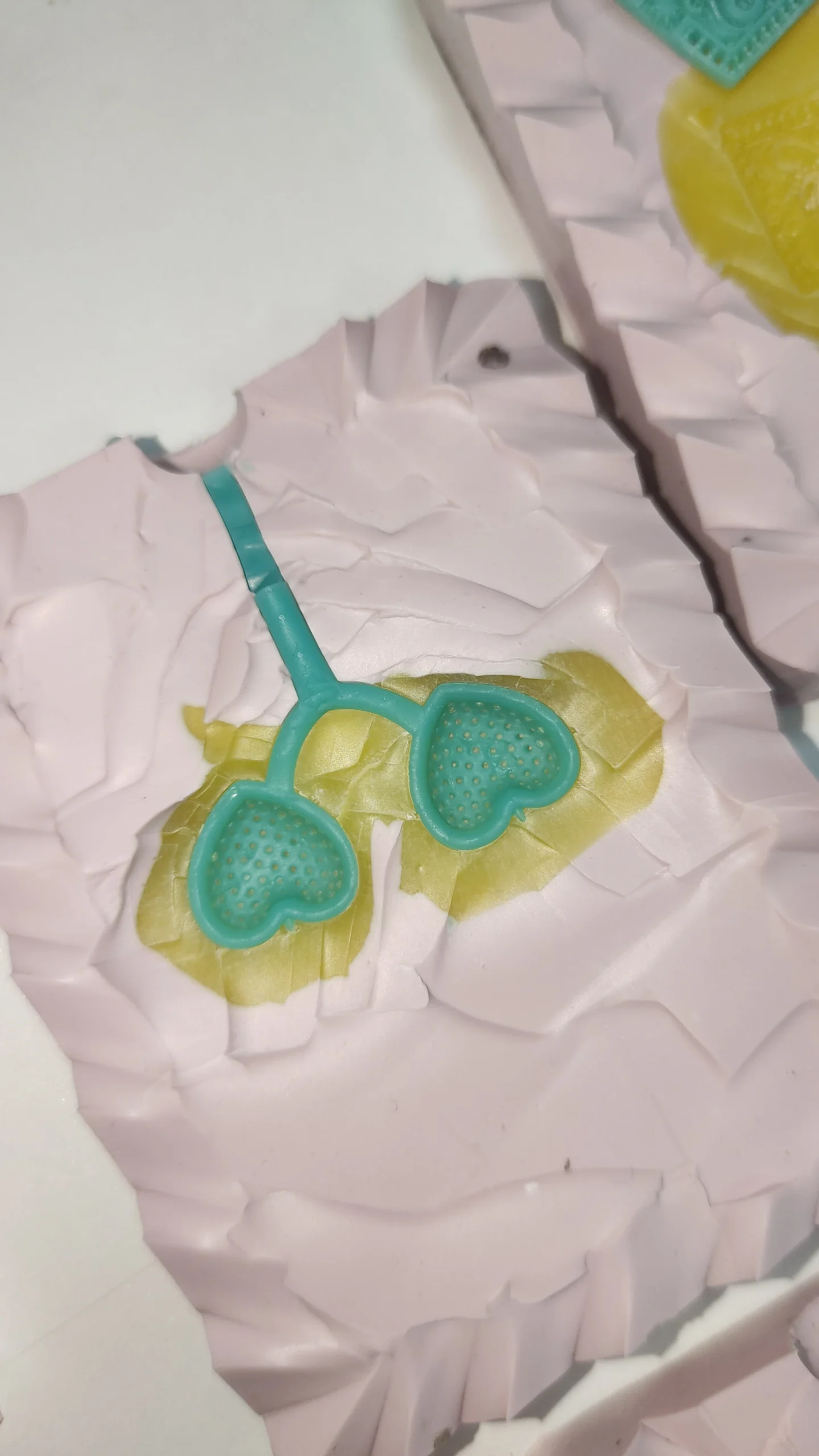
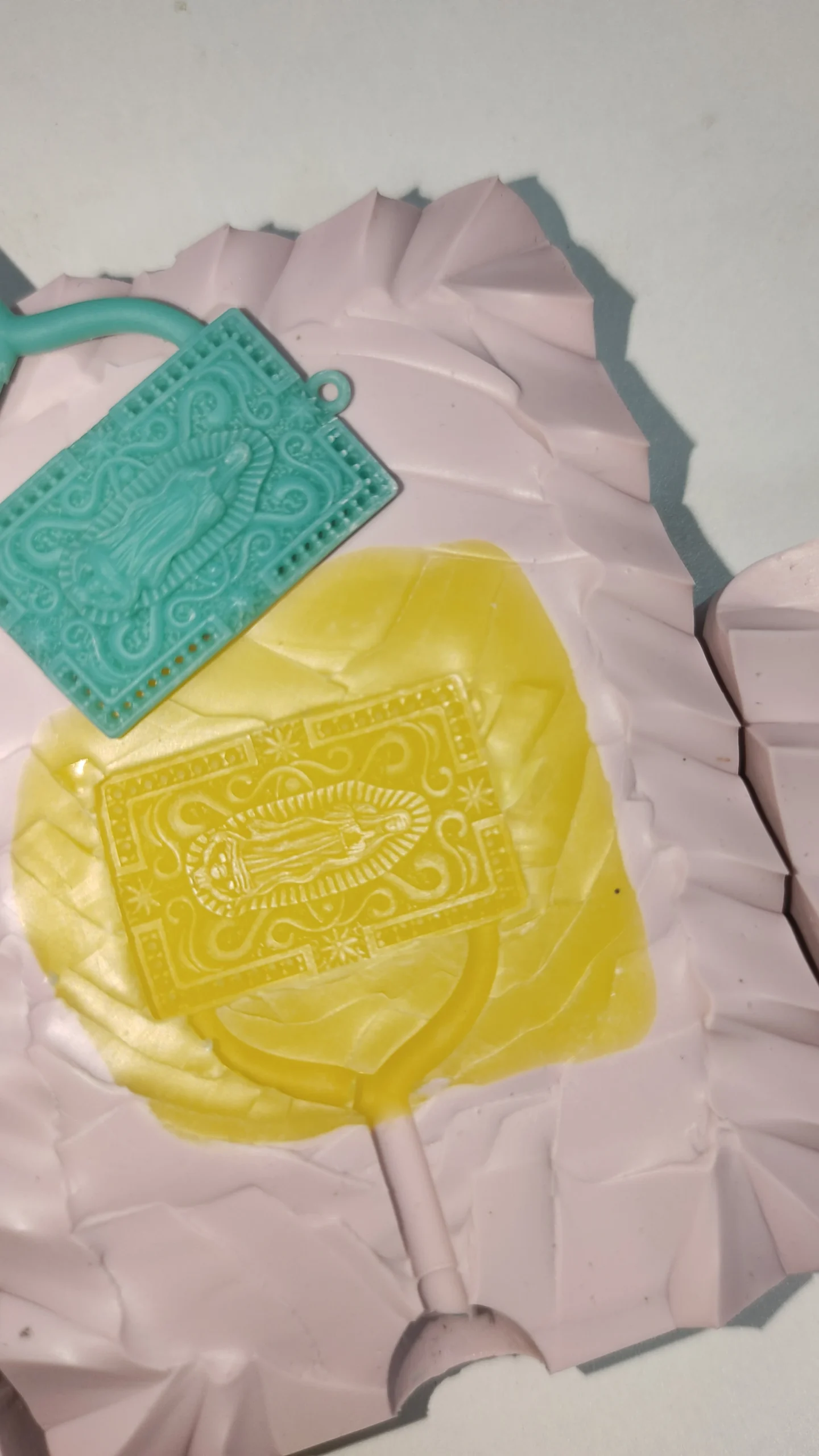
Print & Casting Results
Explore 3D printed resin patterns, burnout flasks, and finished cast jewelry.






Related Products & Solutions
Discover high-performance 3D printing equipment, specialized resins, and end-to-end digital solutions tailored to your manufacturing needs.
Get an Instant Quote for Your 3D Printing Setup
Connect with our application engineers to select the ideal 3D printer (Resin/Wax) and materials (Dental/Jewelry) for your production, complete with unit cost calculations and a customized proposal.
Need a Faster Response?
Chat directly with our sales engineers on WhatsApp for quick price estimates, resin matching, or bulk ordering details.