
White Wax Castable Resin 800D for Precision Jewelry Investment Casting
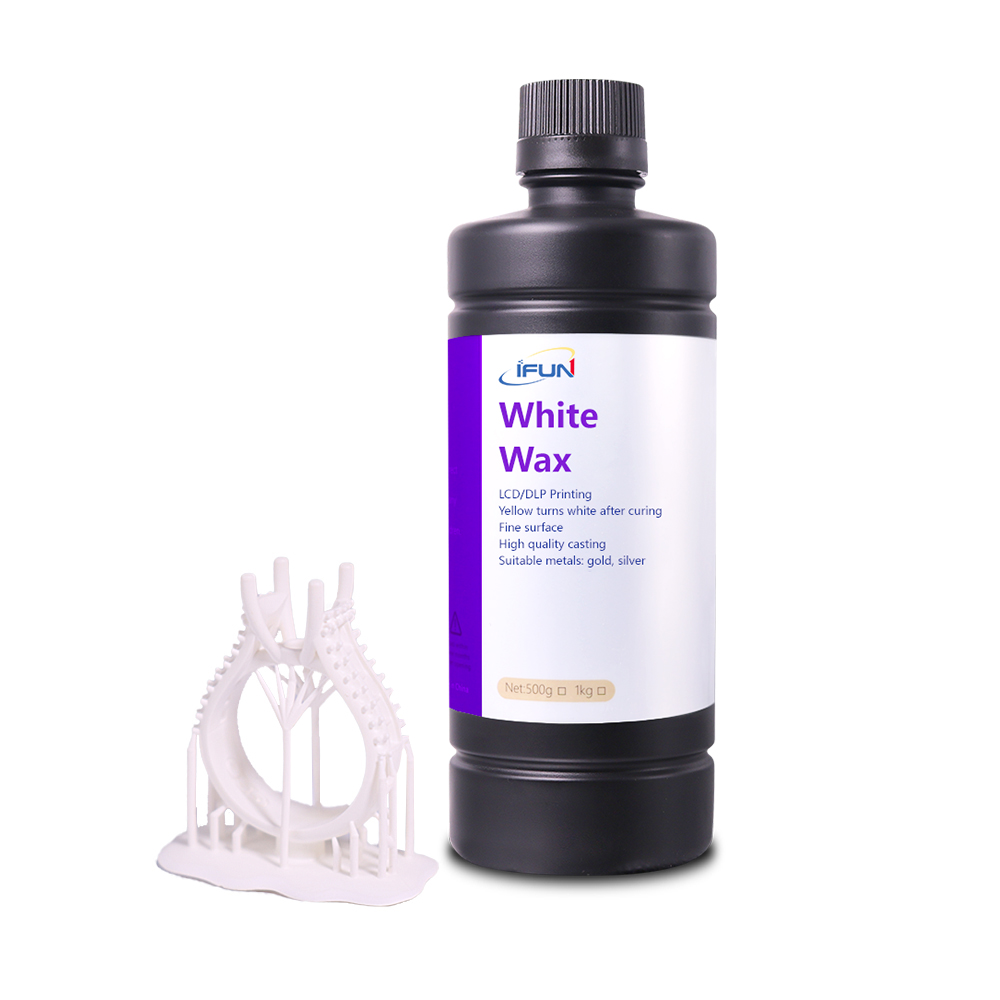
Engineered for high-volume jewelry manufacturing, IFUN 800D White Wax Castable Resin eliminates traditional resin casting bottlenecks—ash pitting, mold cracking, and dimensional distortion. Featuring high wax content and a 45% lighter pattern mass, it enables clean, zero-ash burnout under standard lost-wax schedules while maintaining low shrinkage (≤0.8%) and up to a 99% print success rate for high-yield precision casting.
Engineered for Industrial Repeatability
Overcoming the limitations of traditional resin 3D printing with precision optical hardware and robust closed-loop motion systems.

Easy printing
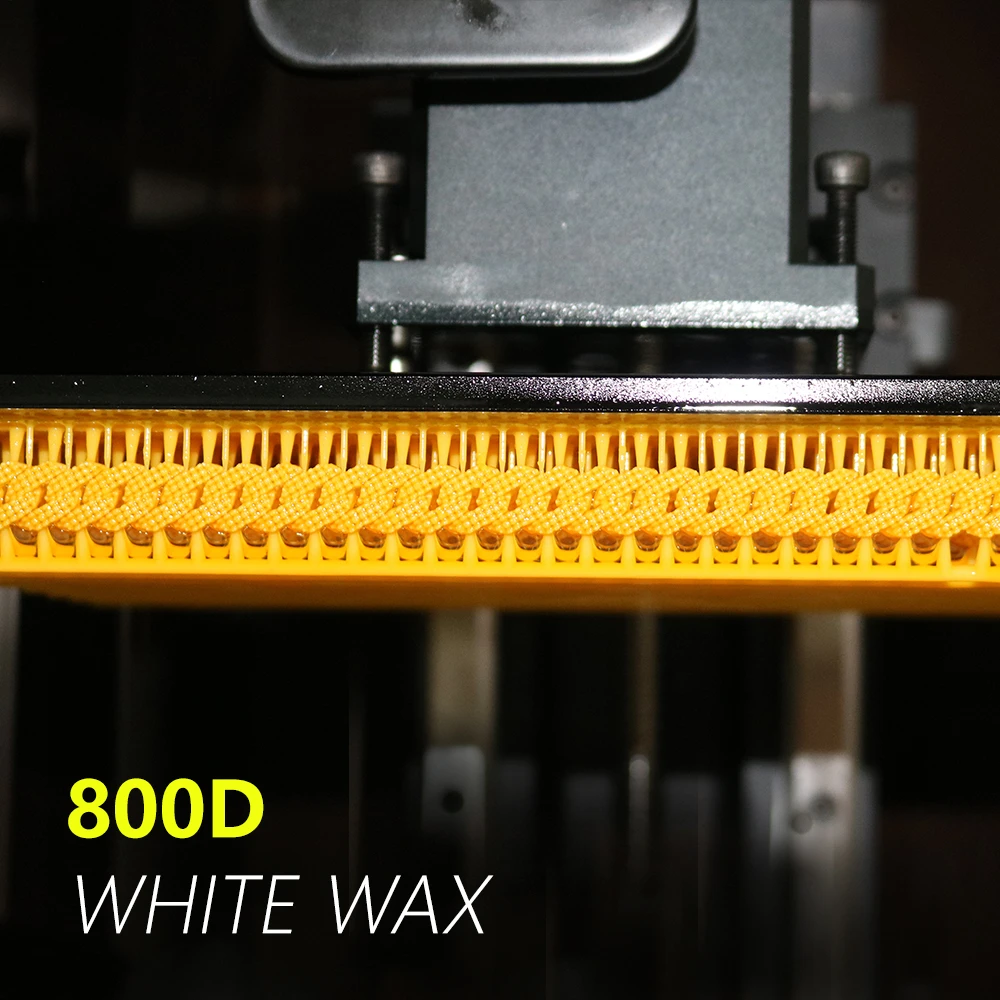
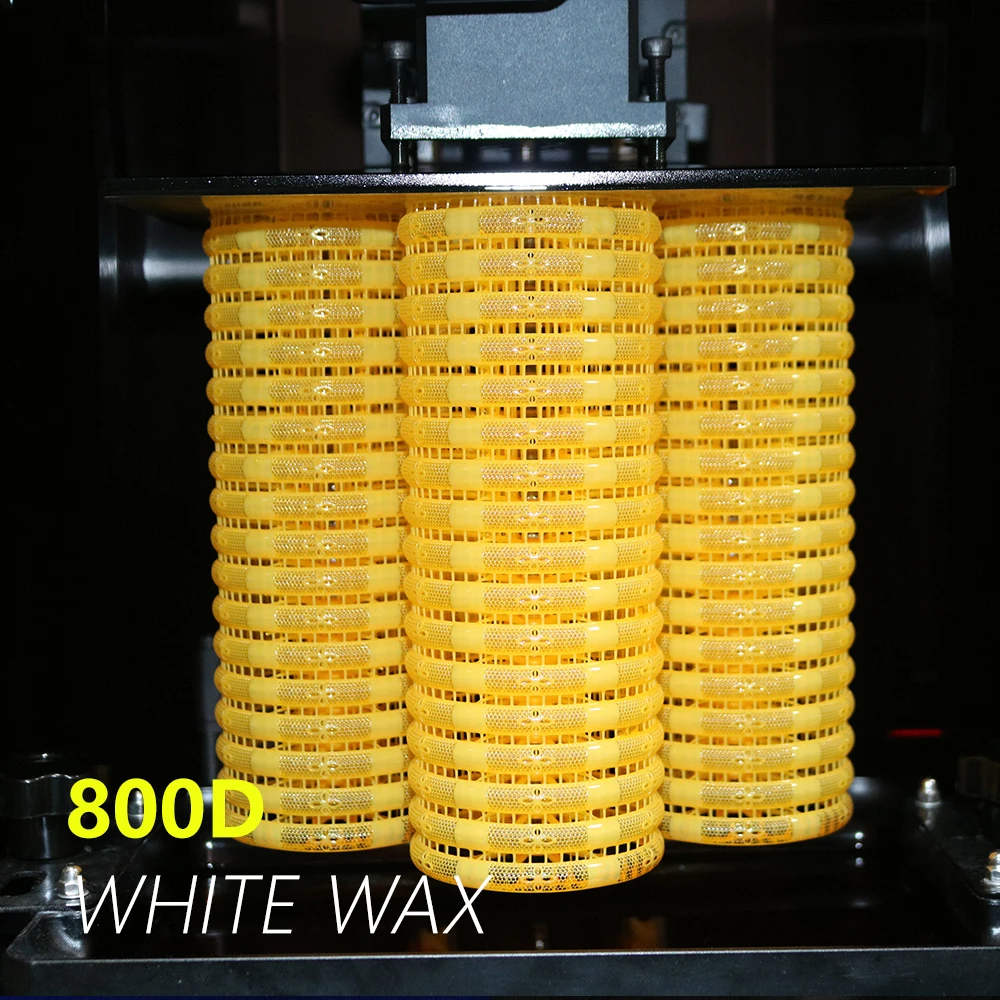
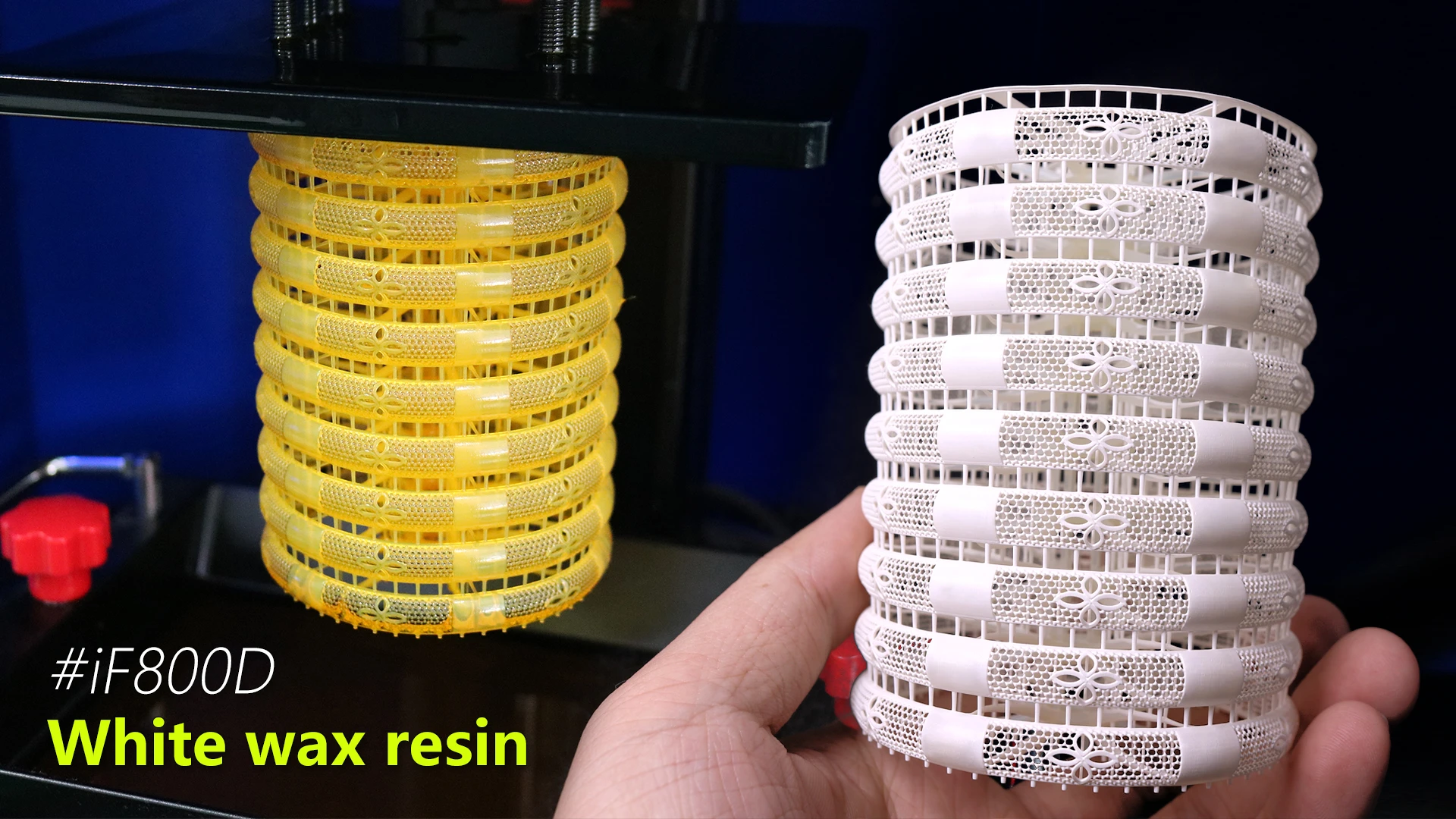
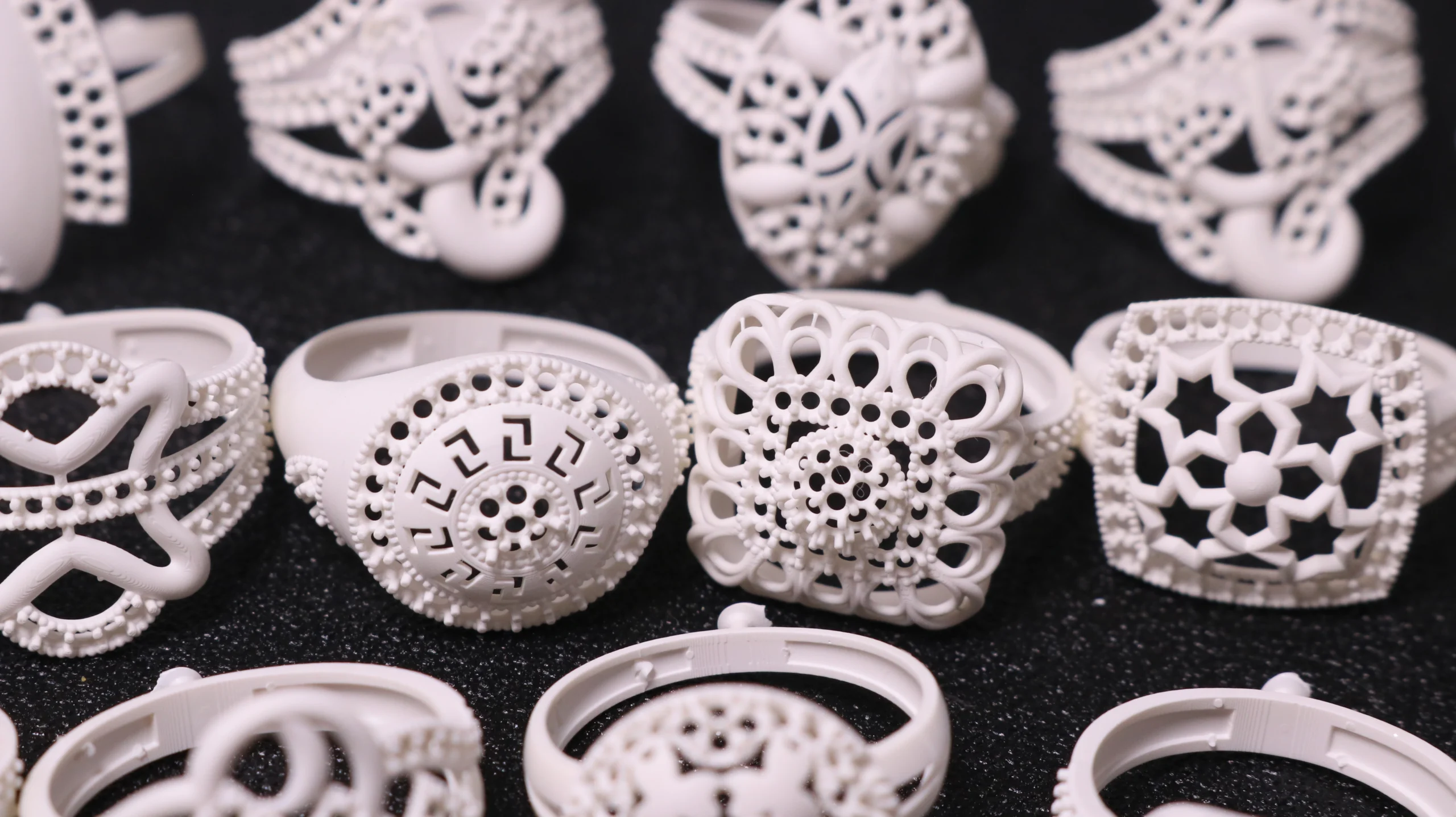
Easy to print, with a success rate of up to 99%. It can also be printed on LCD machines. If used with an oxygen permeable printer, it will achieve the best surface effect.

Smooth surface
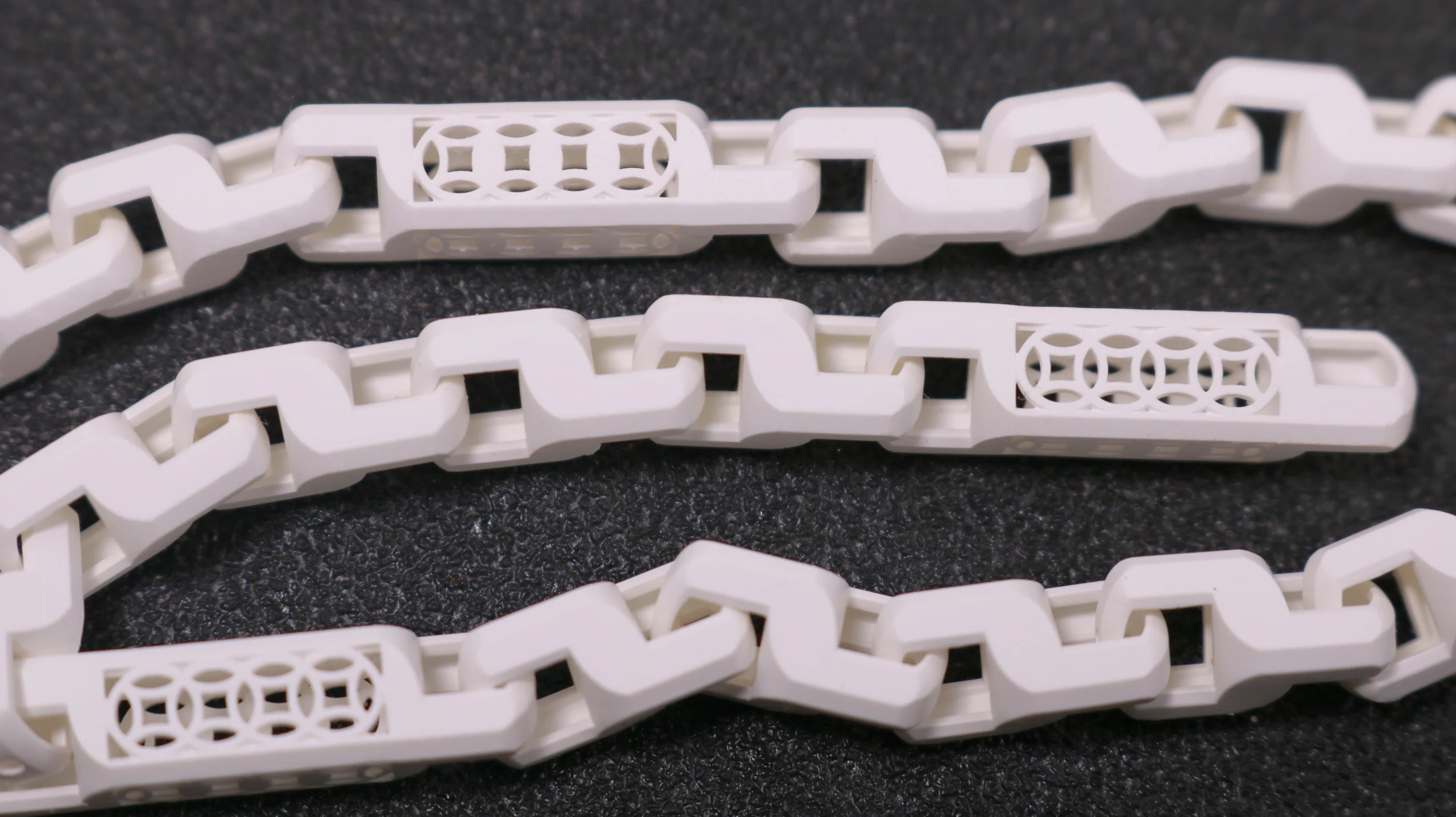
Used with ifun printer, it can achieve the best surface smoothness, delicate and smooth, no need for polishing later.

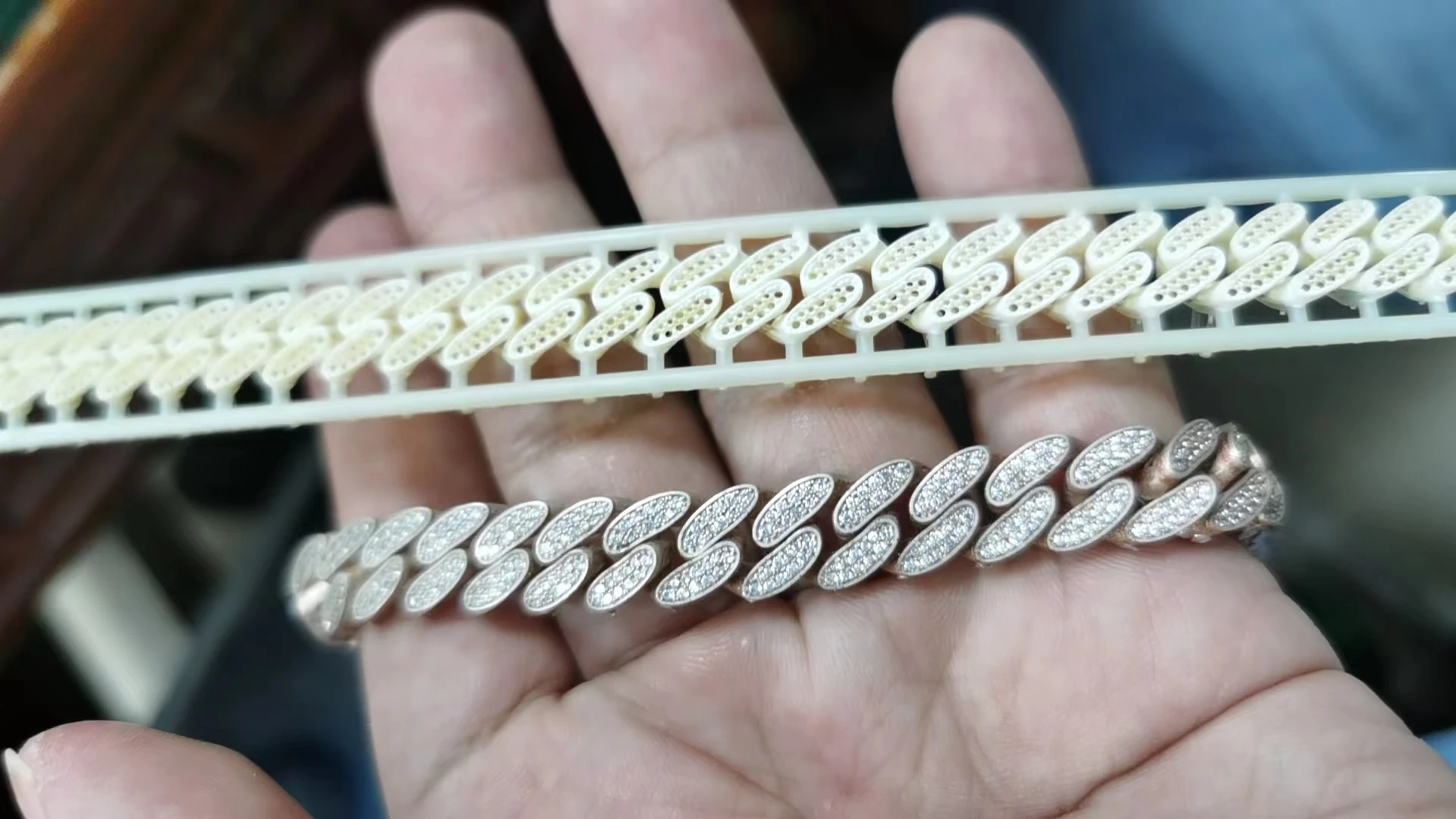
Accurate inlay
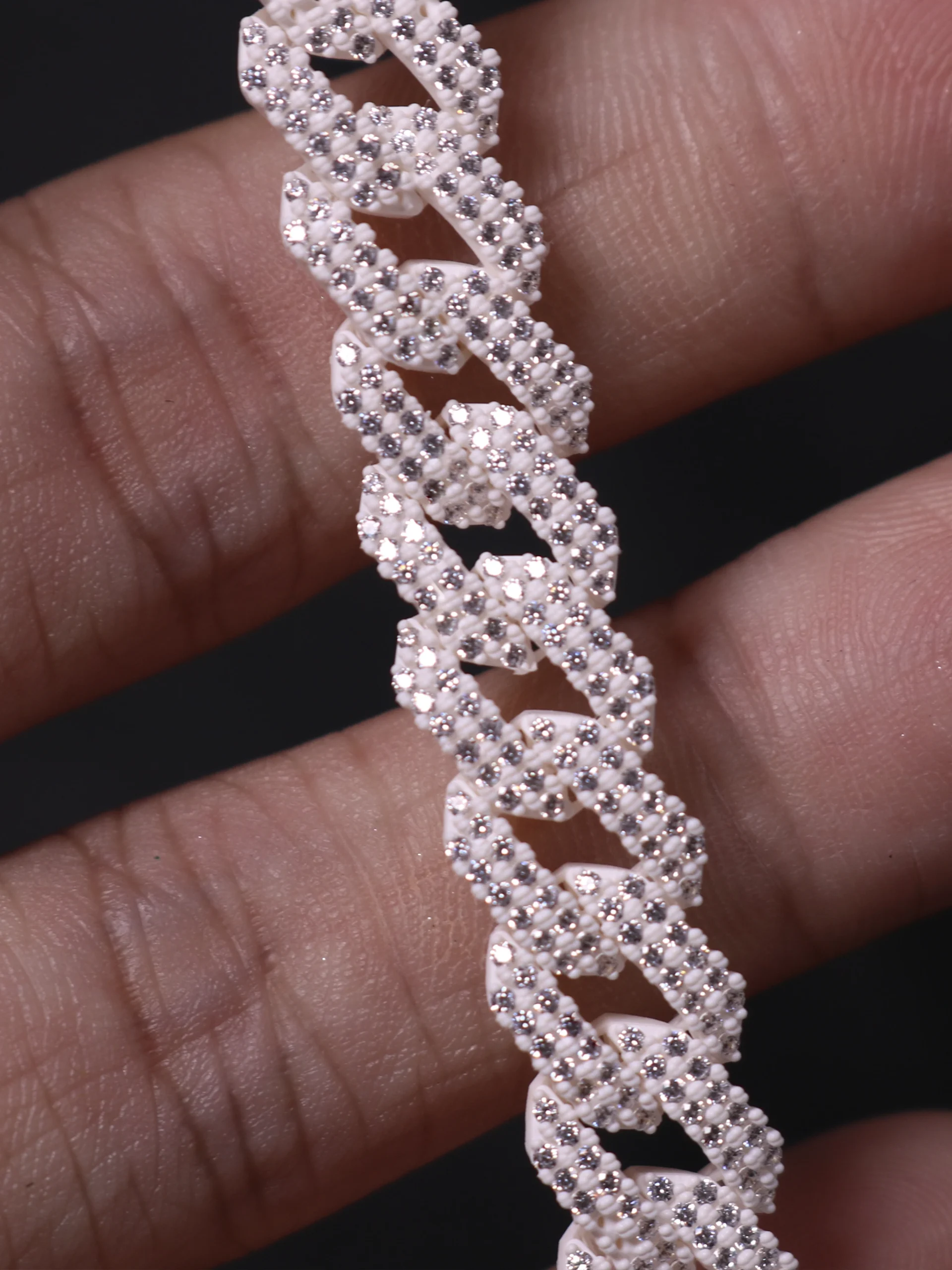
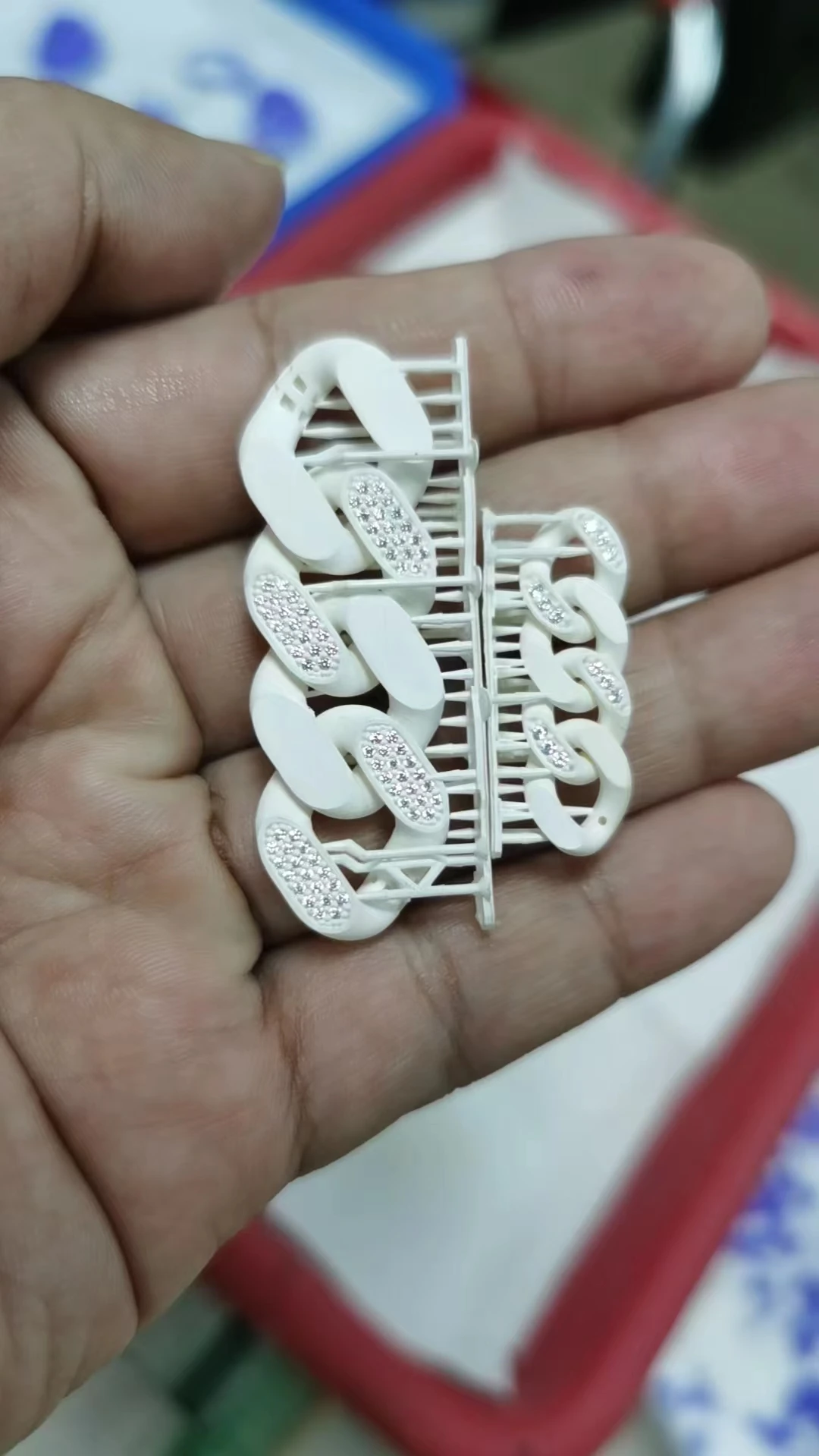
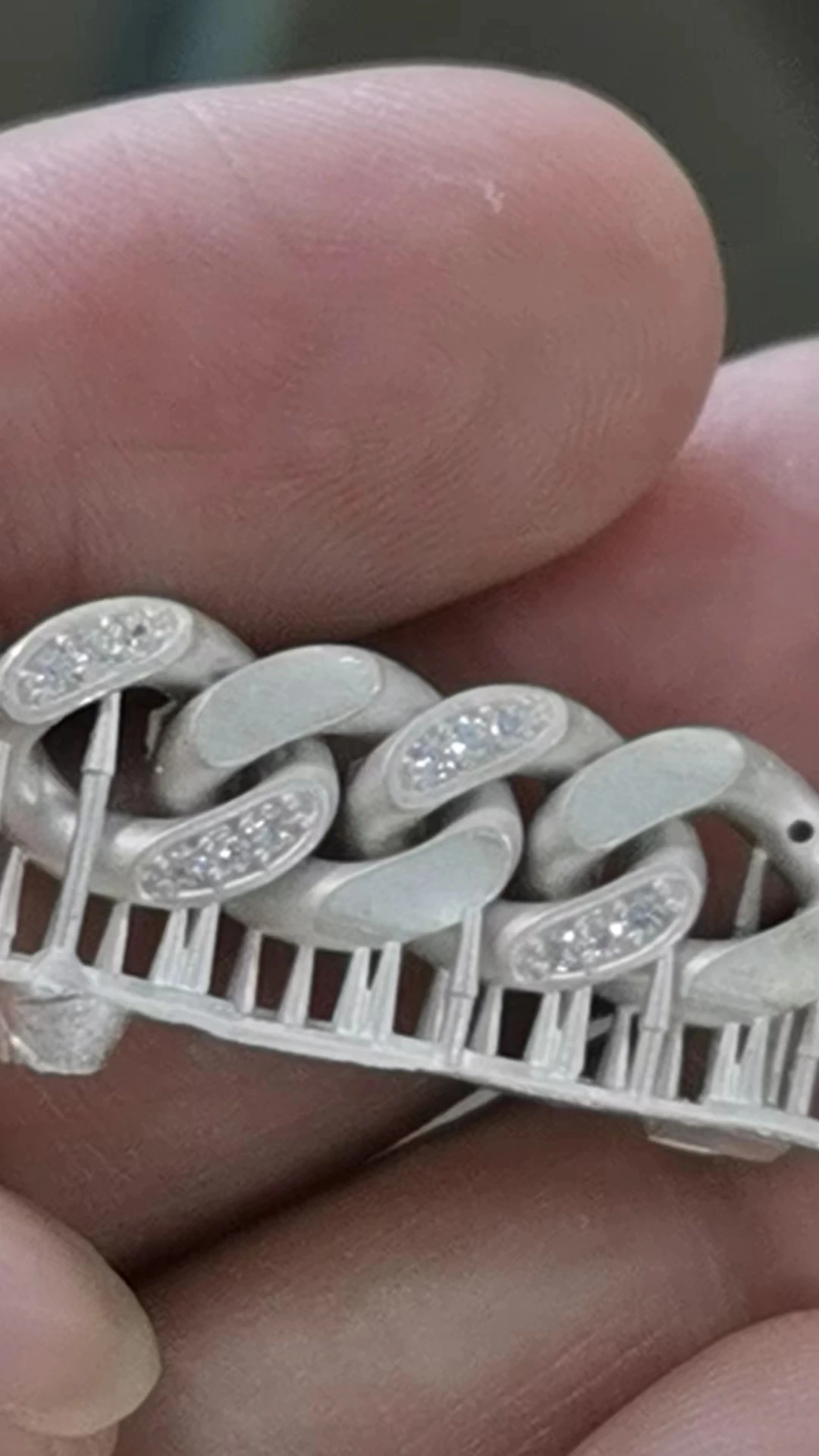
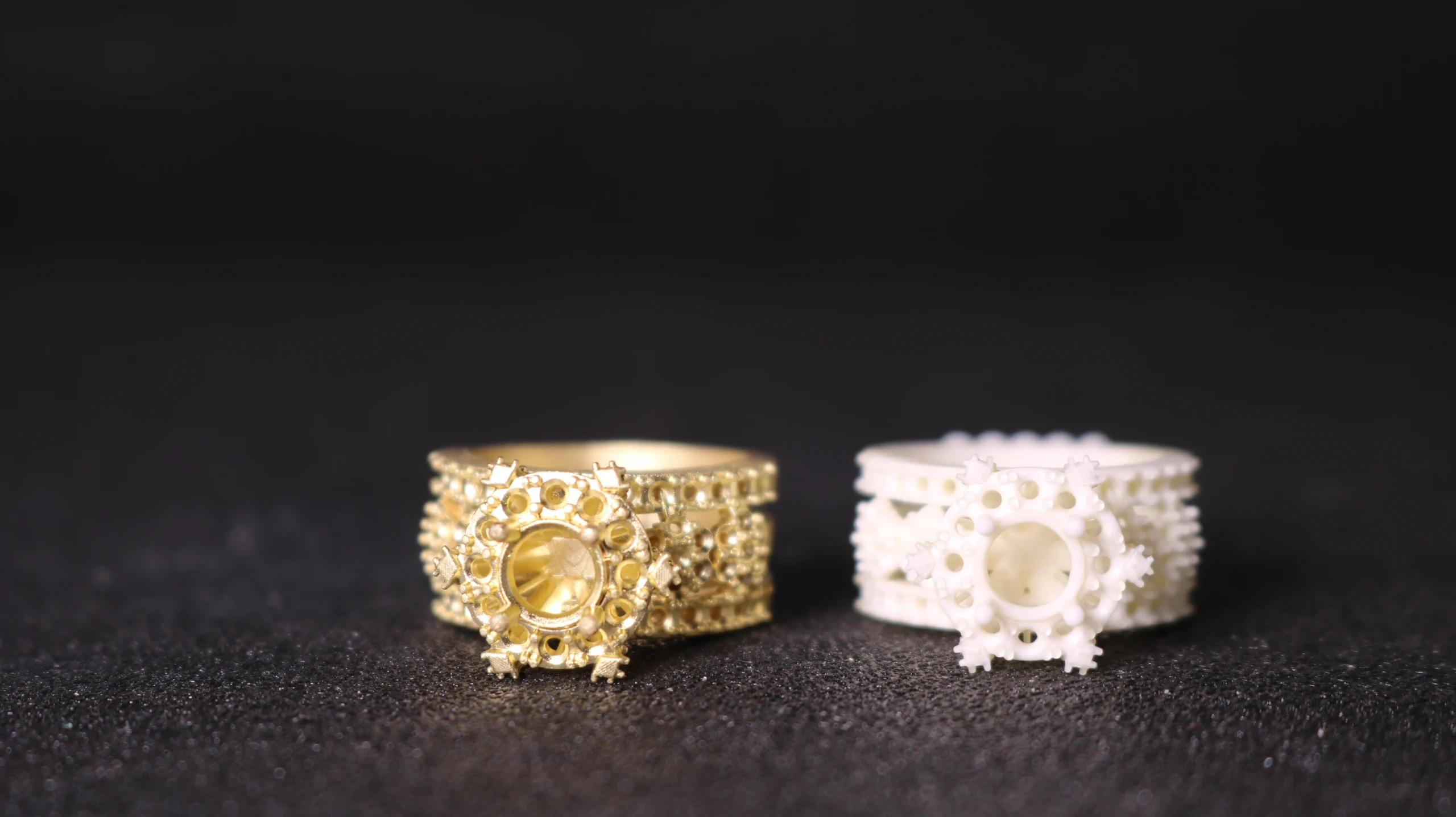
Overcoming the problem of high shrinkage rate of white wax, diamonds can be accurately inlaid after post-processing.

Easy casting
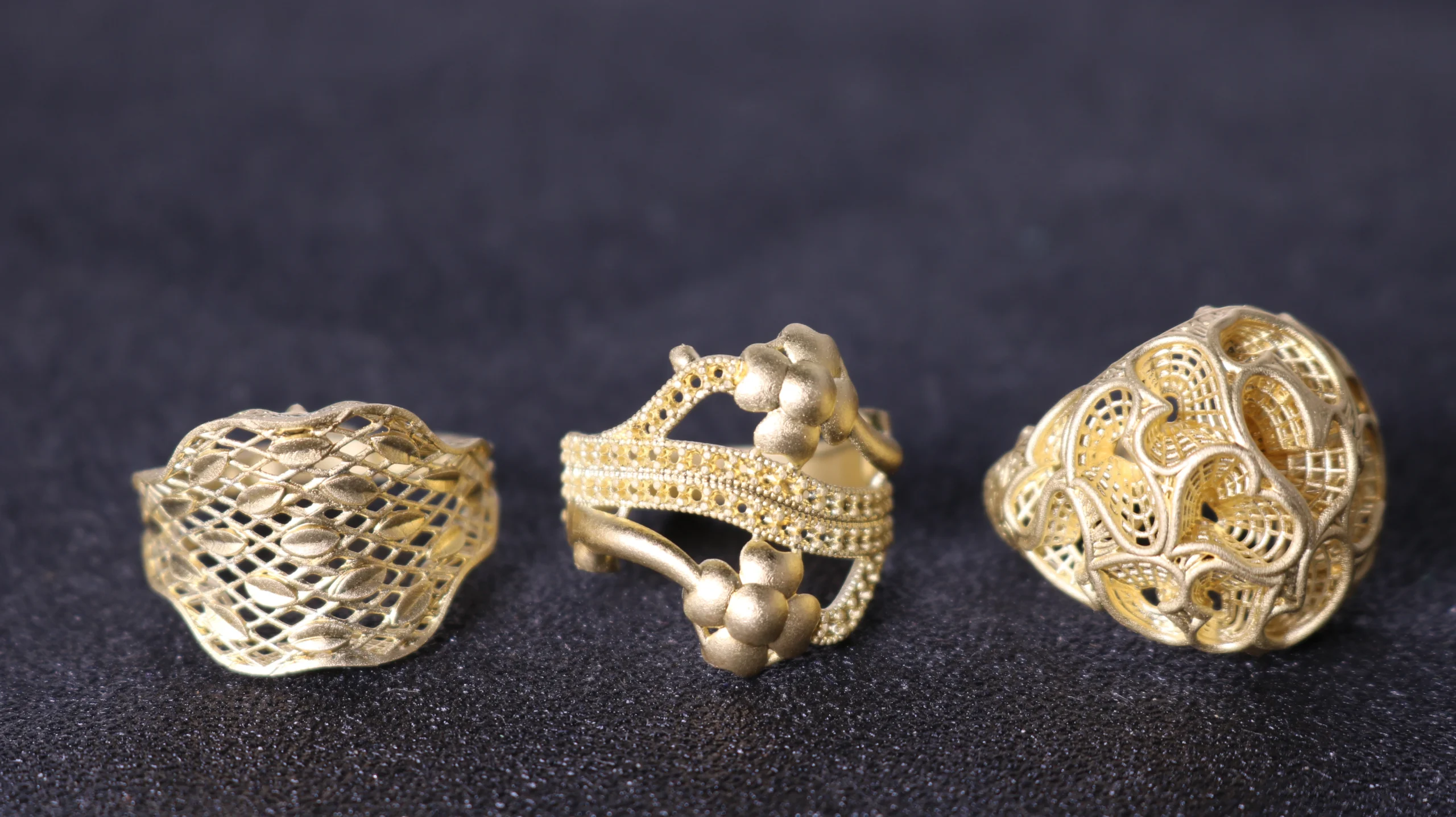
Even novices can achieve good casting results, burning without ash, excellent casting effect, no need to hold the mold later
Technical Performance Matrix
Verified parameters and testing protocols for jewelry casting validation.
| Technical Spec | Parameter Value | Testing Method | Practical Manufacturing Advantage |
|---|---|---|---|
| Color | Yellow | Visual Inspection | – |
| Viscosity | 260 cps (25°C) | ASTM D1084-1997 | Low viscosity ensures fast resin leveling between layers on LCD printers, enabling high print speed and low peel stress. |
| Density | 1.2 – 1.3 g/cm³ | ASM D1875-69 | Produces patterns 45% lighter than standard resins, mitigating thermal expansion stress on investment plaster walls. |
| Shrinkage | ≤ 0.8% | Capillary Method | Minimizes dimensional distortion so stone seats, inner ring diameters, and interlocking joints remain true to CAD. |
| Hardness | 75A – 35D | ASTM D2240 05 | Balances structural rigidity for safe support removal with stability to prevent pattern warping during slurry dipping. |
| Burnout Characteristics | Complete / Ash-Free | Internal Burnout Standard | Burns out cleanly alongside standard lost-wax schedules, leaving zero carbon residue inside the investment cavity. |
| Hardware Compatibility | LCD / MSLA / O₂-Permeable | Field Benchmark | High exposure tolerance allows seamless operation on standard desktop LCD printers and oxygen-permeable speed units. |
Engineering Notes & Technical Interpretation
In-depth chemical and physical breakdown of how IFUN 800D optimizes lost-wax investment casting performance.
Why does a 45% reduction in pattern weight directly improve casting success?
Standard photopolymer resins exhibit higher density and thermal expansion rates than pure wax. When thick-walled resin patterns are subjected to rapid burnout temperatures, they expand faster than the surrounding investment plaster, causing severe internal pressure that cracks the mold wall. Because IFUN 800D patterns are 45% lighter per unit volume than standard resin models, total material mass within the investment cavity is significantly reduced. This drop in mass mitigates thermal expansion stress, eliminating investment mold cracking on heavy pieces and drastically reducing gas emissions during burnout.
How does high wax content eliminate the need for manual mold holding and heavy polishing?
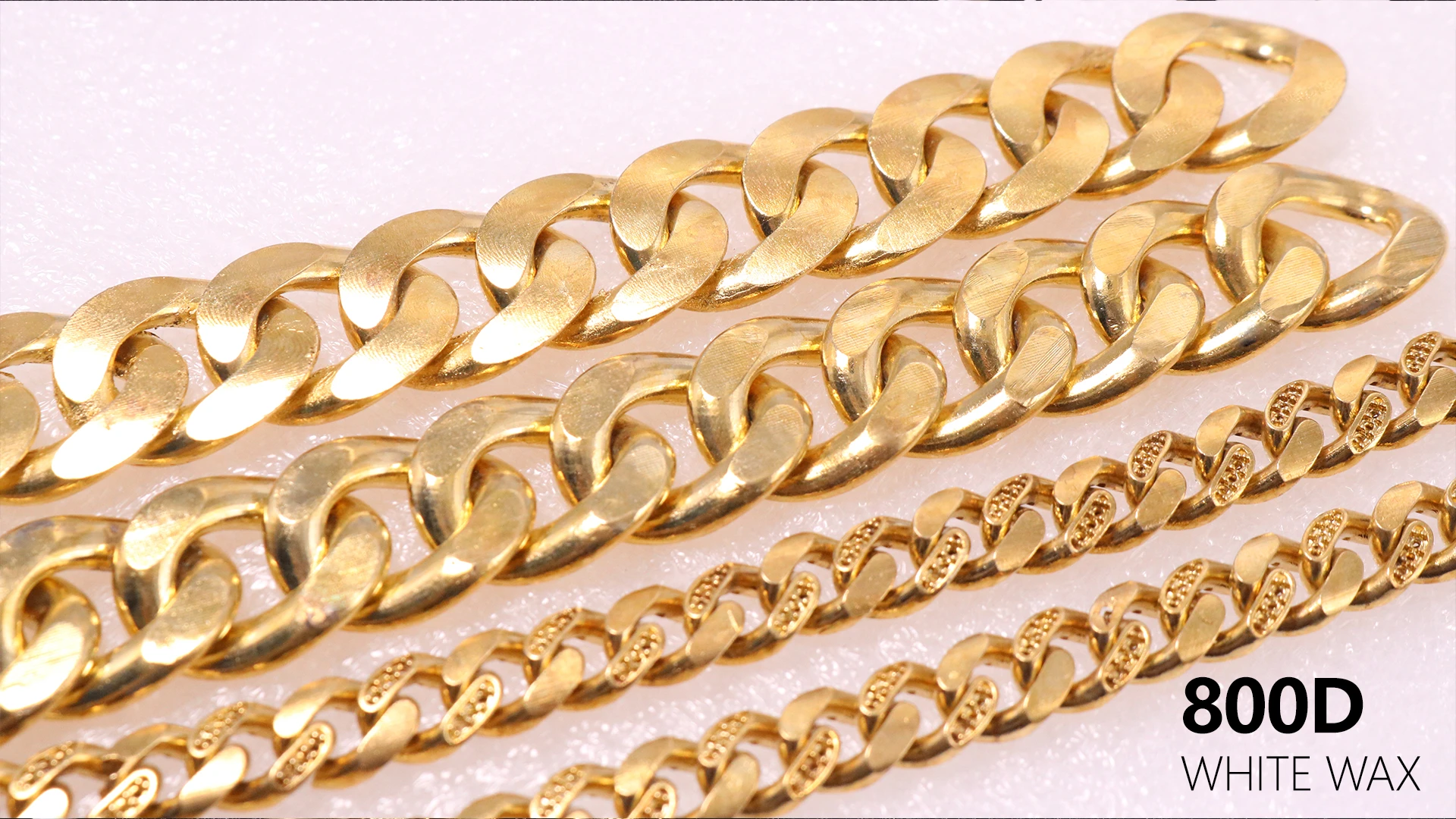
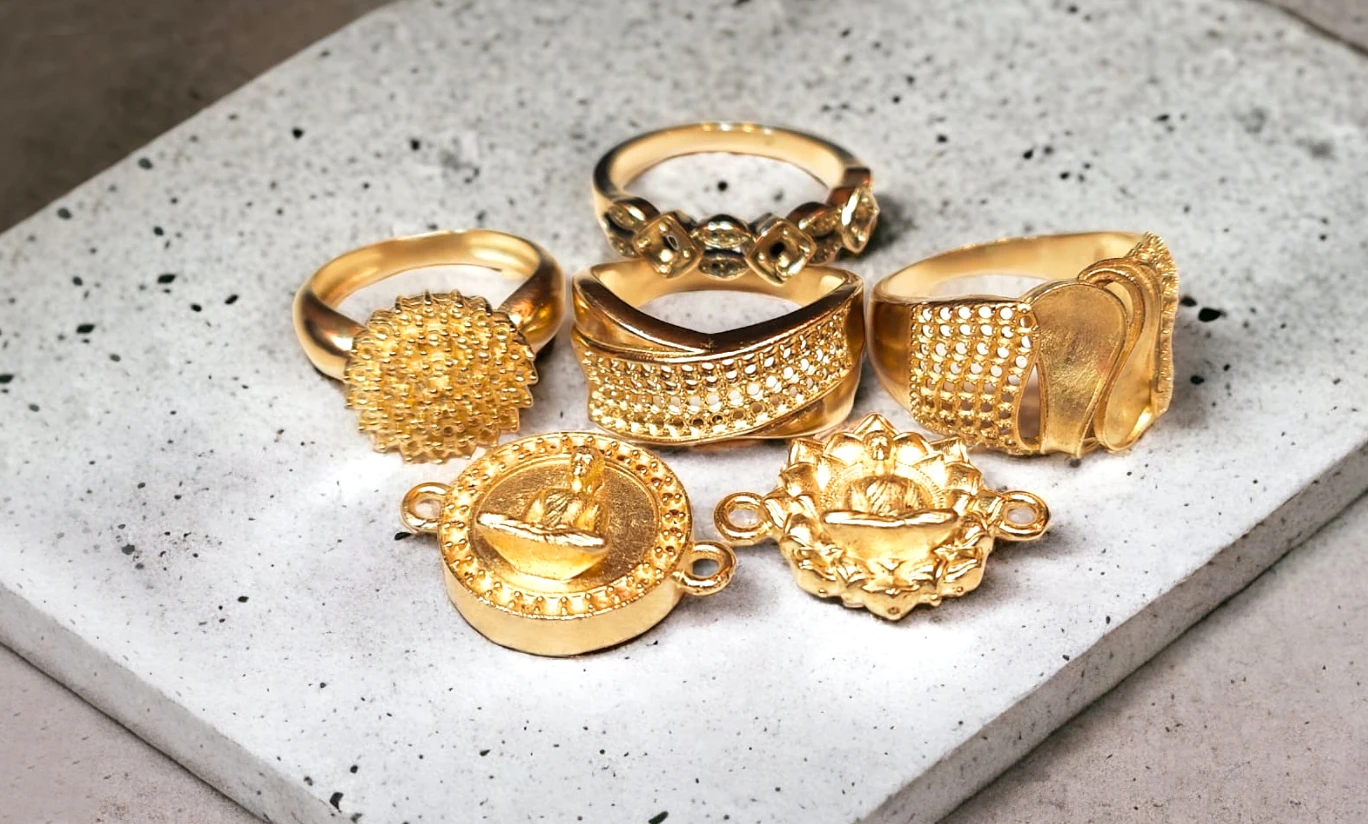
Traditional photopolymers burn via pyrolysis, which often leaves micro-deposits of carbon ash trapped on investment wall surfaces. When molten gold or silver is poured, these ash remnants create surface pinholes, inclusions, and rough textures that demand manual grinding or mold repair. IFUN 800D incorporates high-grade wax compounds that melt out during early burnout phases and combust cleanly at higher temperatures. The cavity remains completely clear of ash, enabling molten metal to contact a pristine investment surface and producing shipping-ready castings straight out of the flask.
Why is low shrinkage (≤0.8%) critical for stone-in-place and prong accuracy?
Photopolymerization inherently causes volumetric contraction as liquid monomers crosslink into solid polymer chains. If a resin shrinks beyond 1.0–1.5%, stone seats contract and prongs pull inward, rendering pre-calculated CAD stone positions inaccurate. Jewelers must then spend extra labor re-drilling seats or repairing bent prongs. By maintaining shrinkage at or below 0.8%, 800D guarantees that dimensional tolerances are preserved from digital model to final metal piece, allowing gemstones to fit flush into cast seats with minimal manual adjustment.
How does viscosity impact print success rates on desktop LCD printers?
Resin viscosity dictates how quickly liquid flows back under the vat film after a layer lift cycle. High-viscosity resins create heavy suction forces during peel cycles, which can tear supports or cause layer delamination—especially on open LCD systems. At 260 cps (25°C), 800D maintains fluid movement that rapidly re-coats the vat floor between exposures. This reduces mechanical stress on delicate support structures, achieving up to a 99% print success rate on standard LCD printers without requiring specialized high-power light engines.
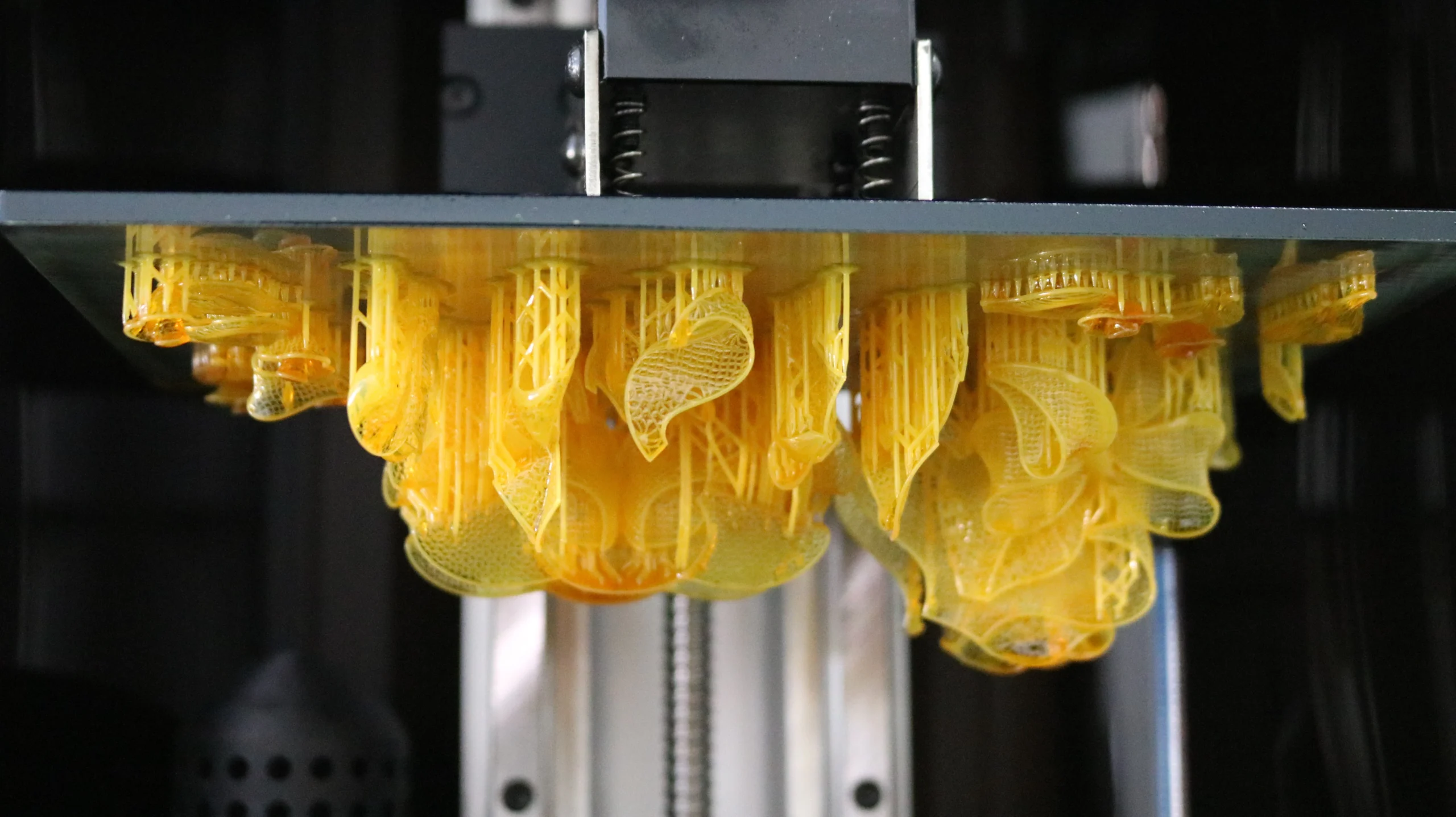
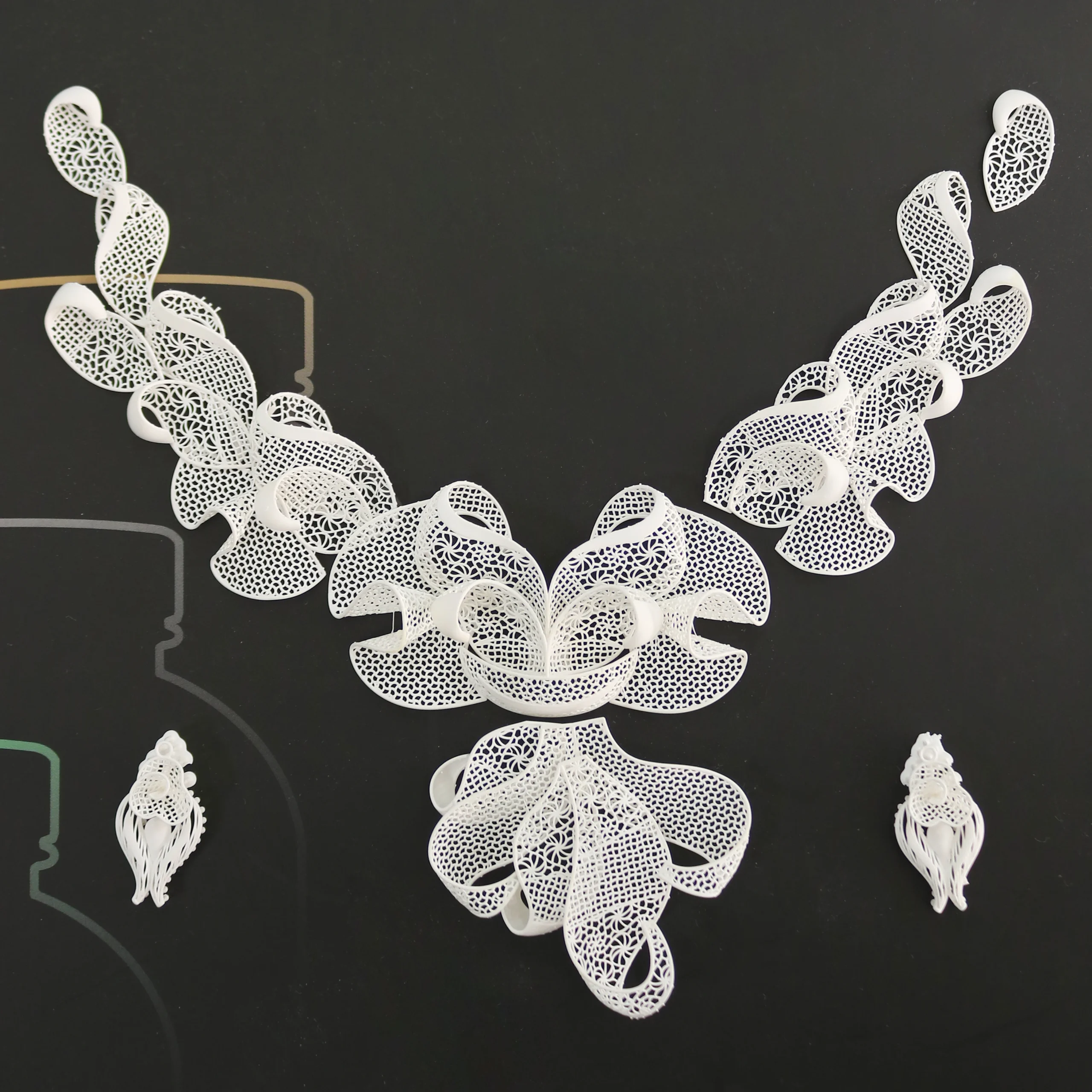
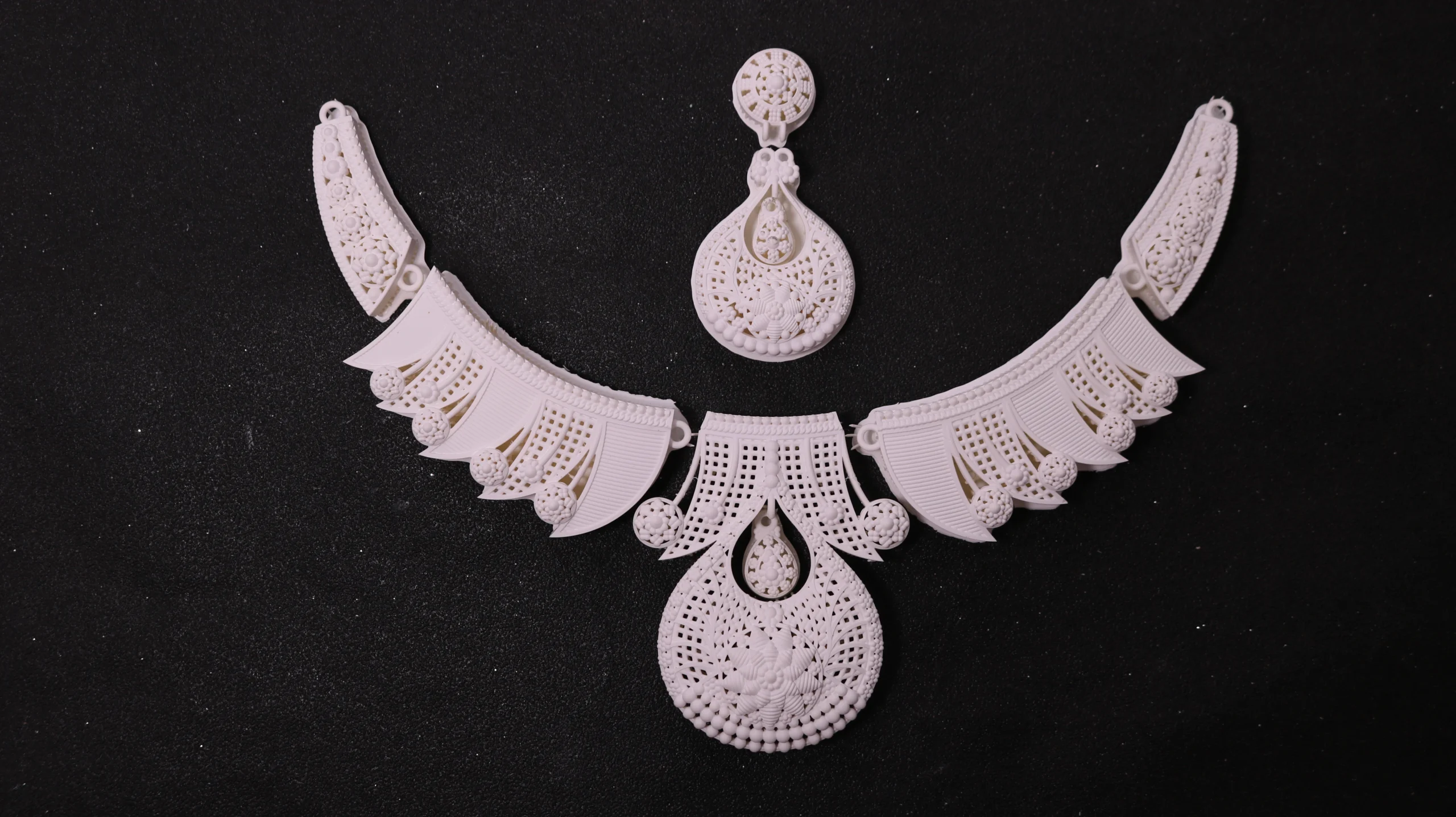
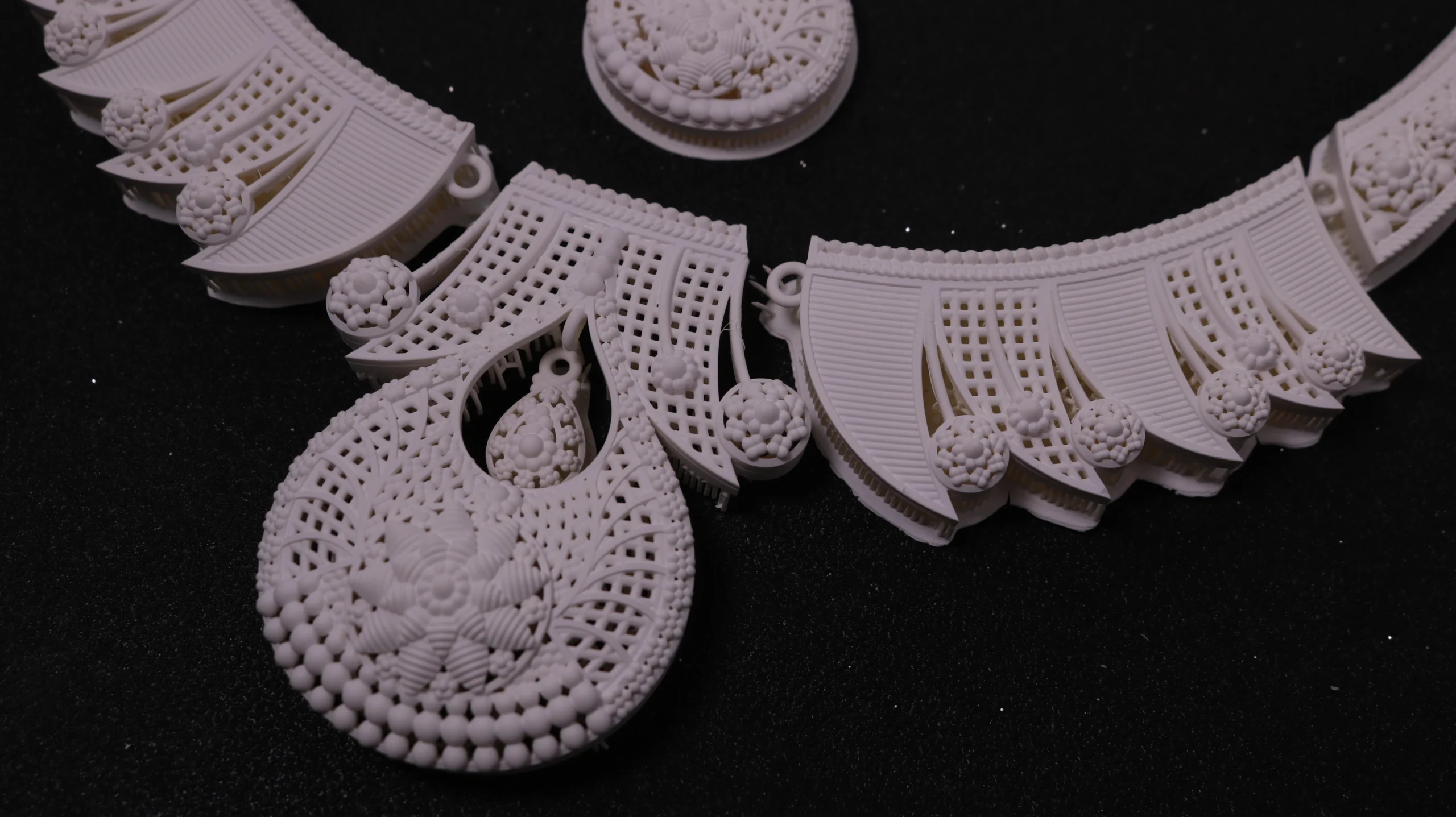
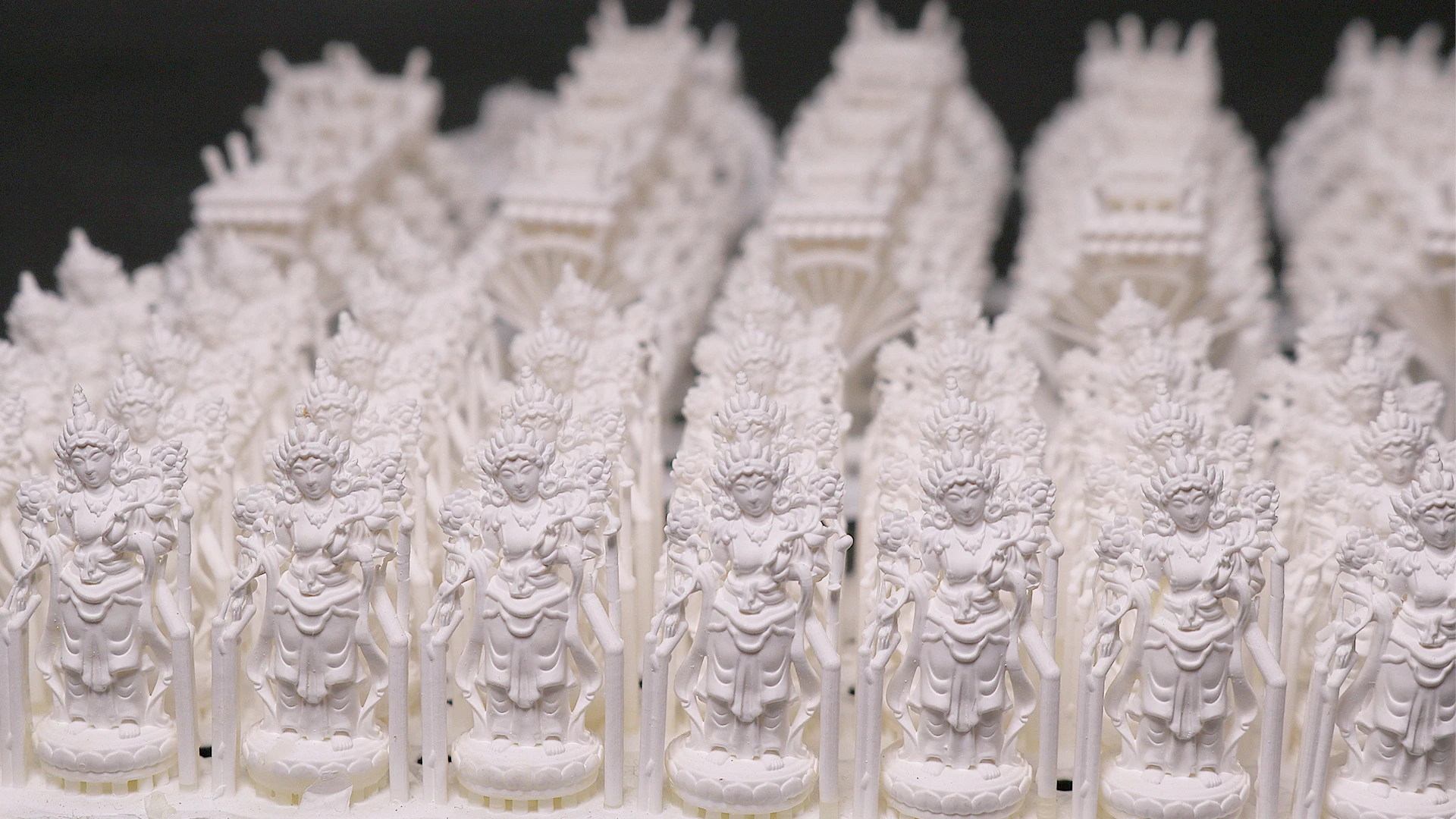
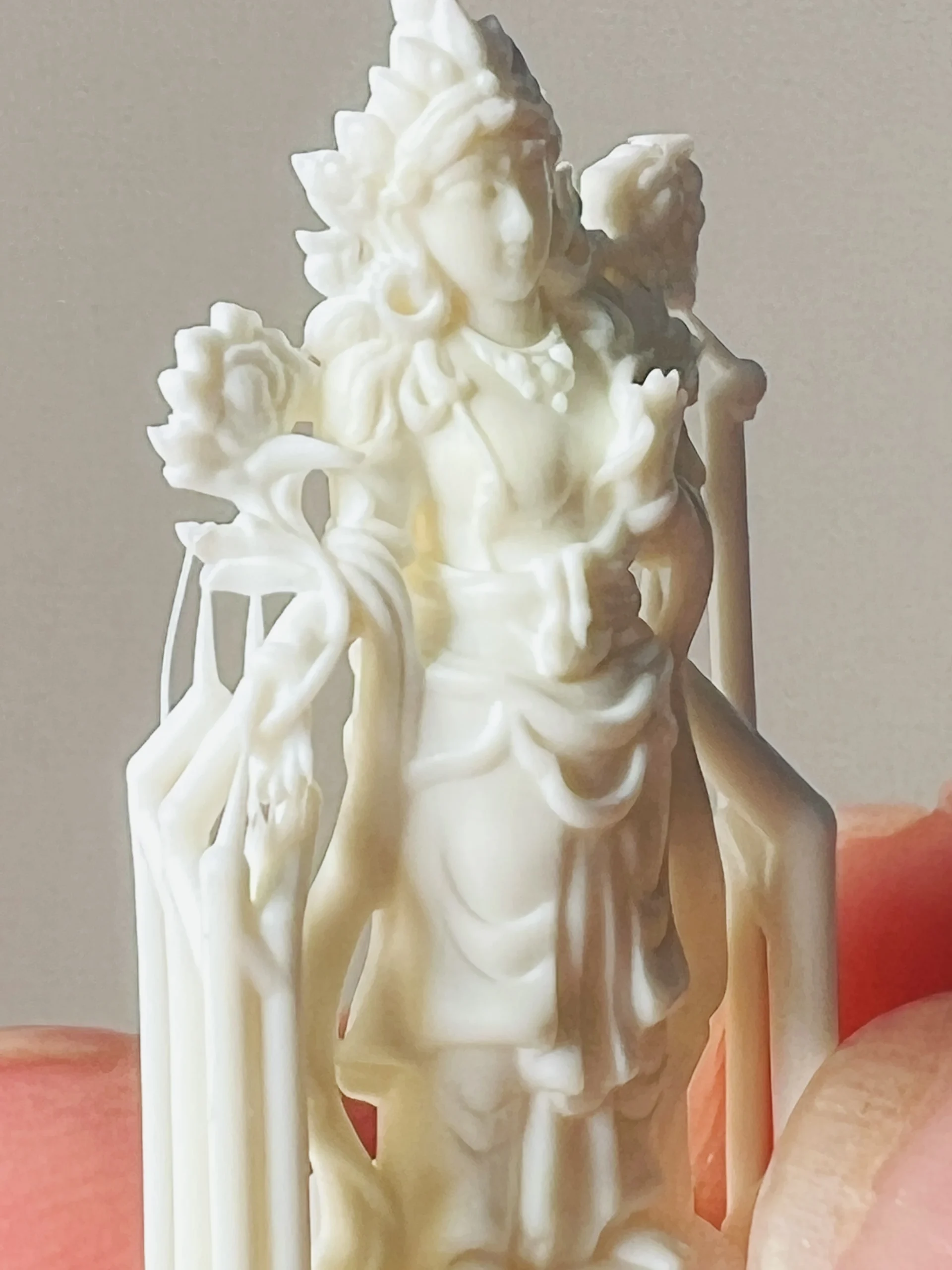
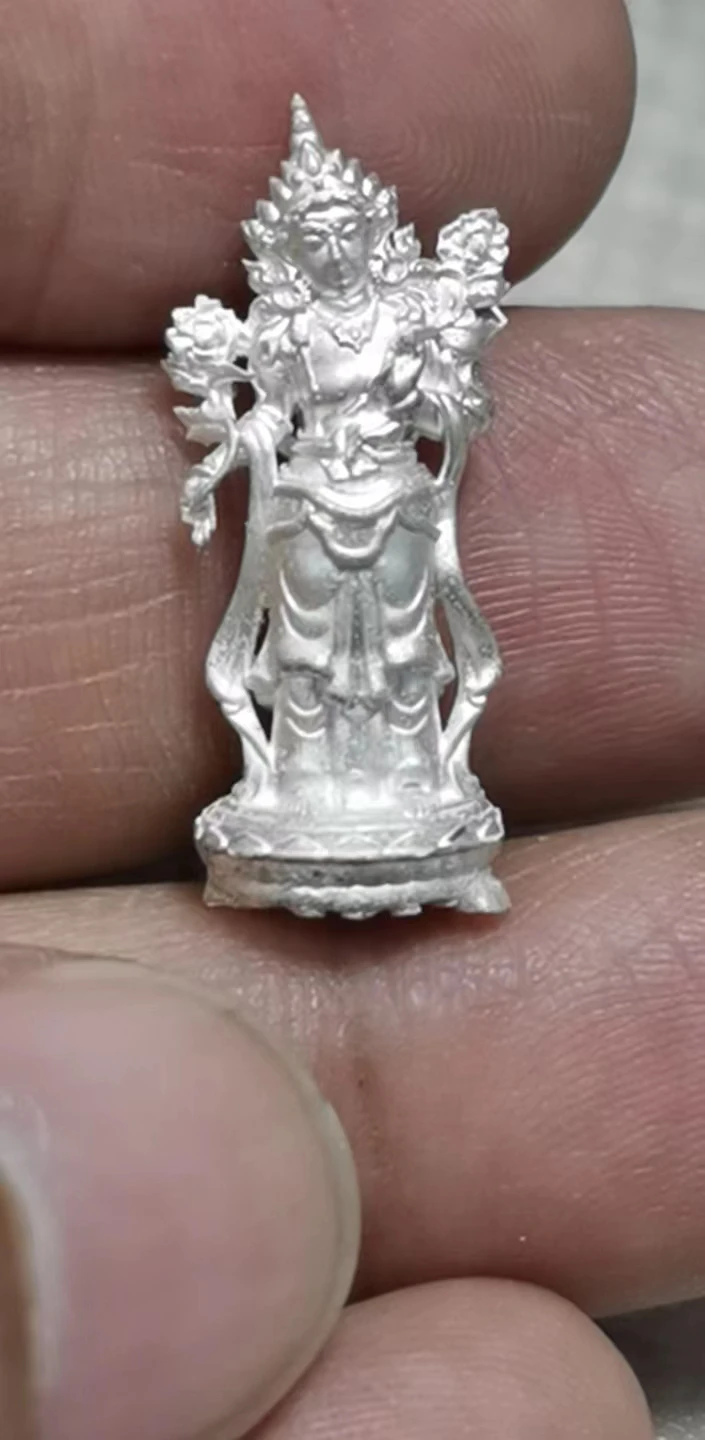
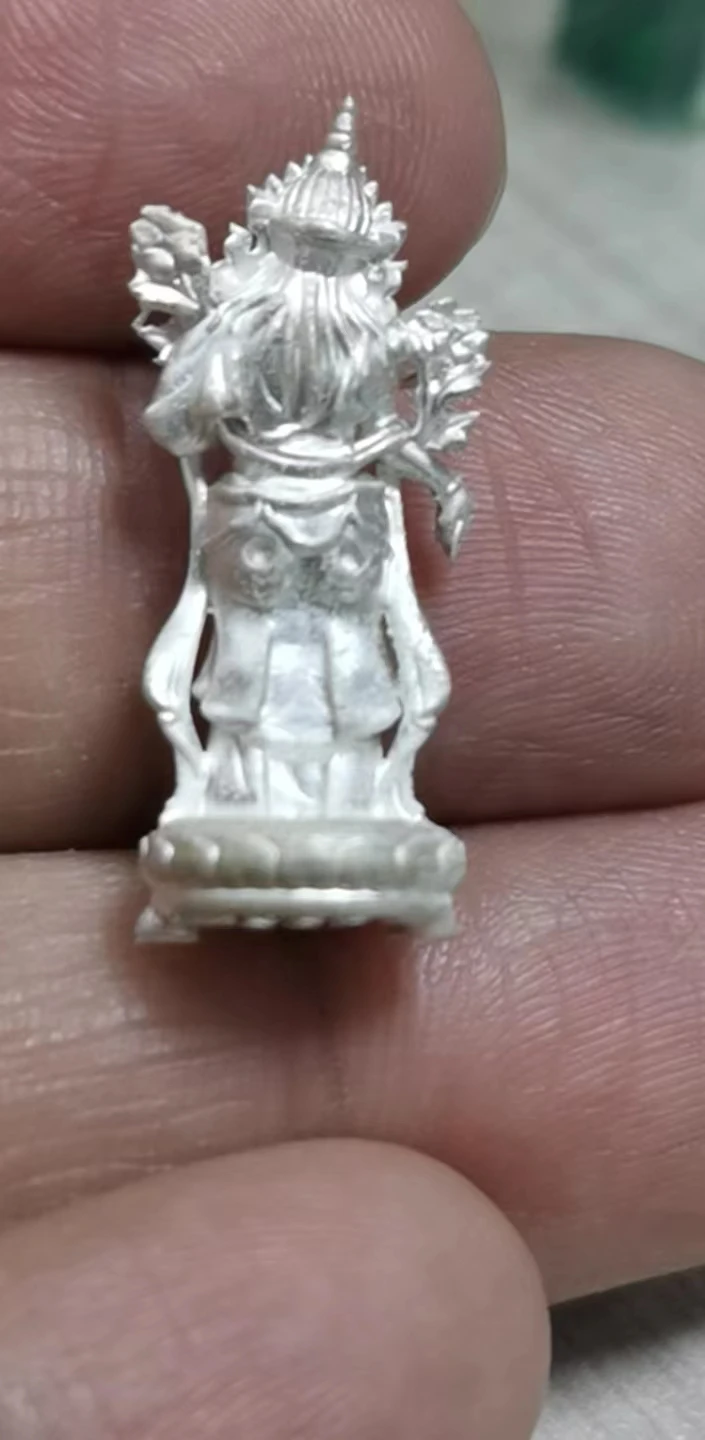
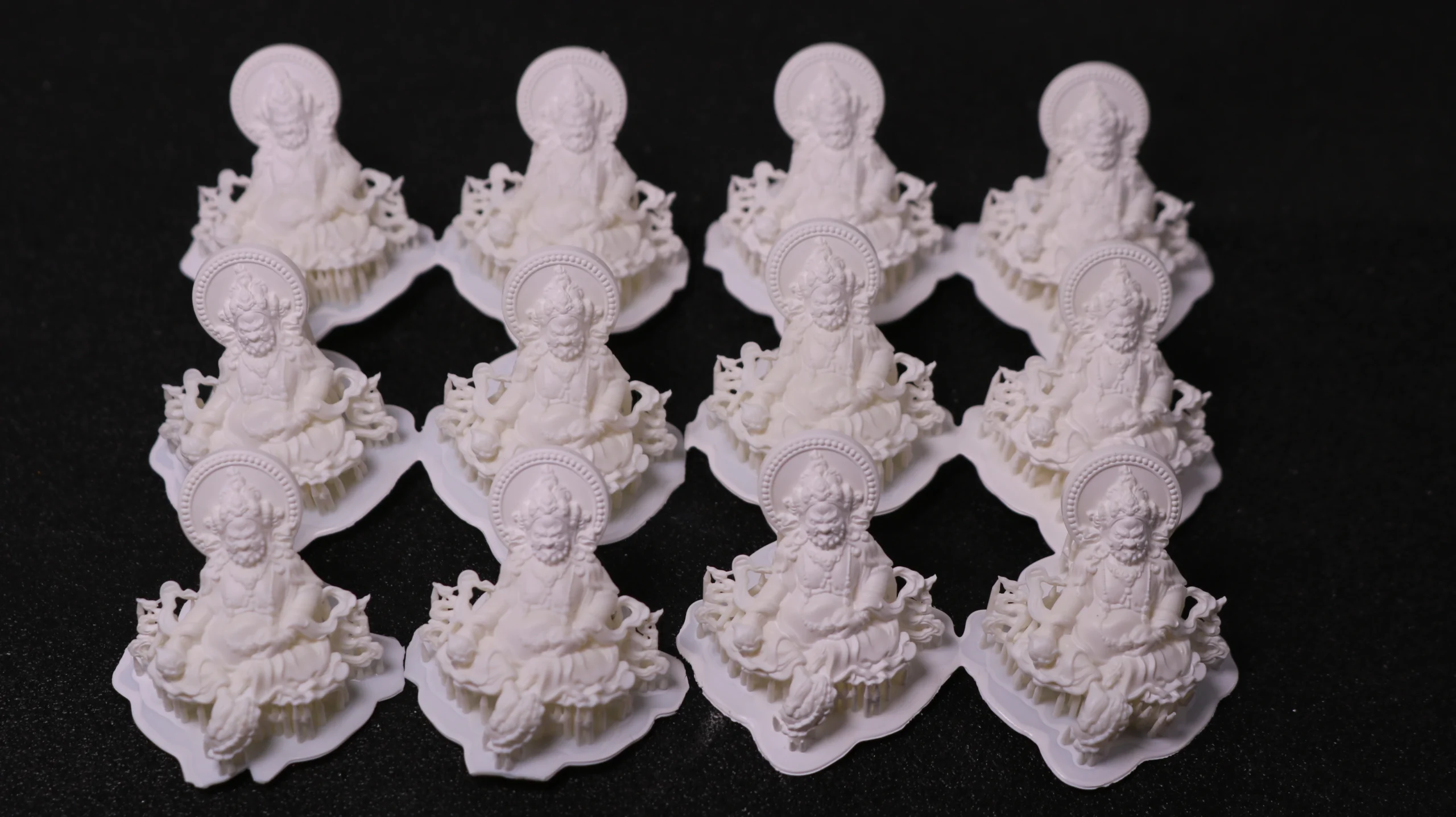
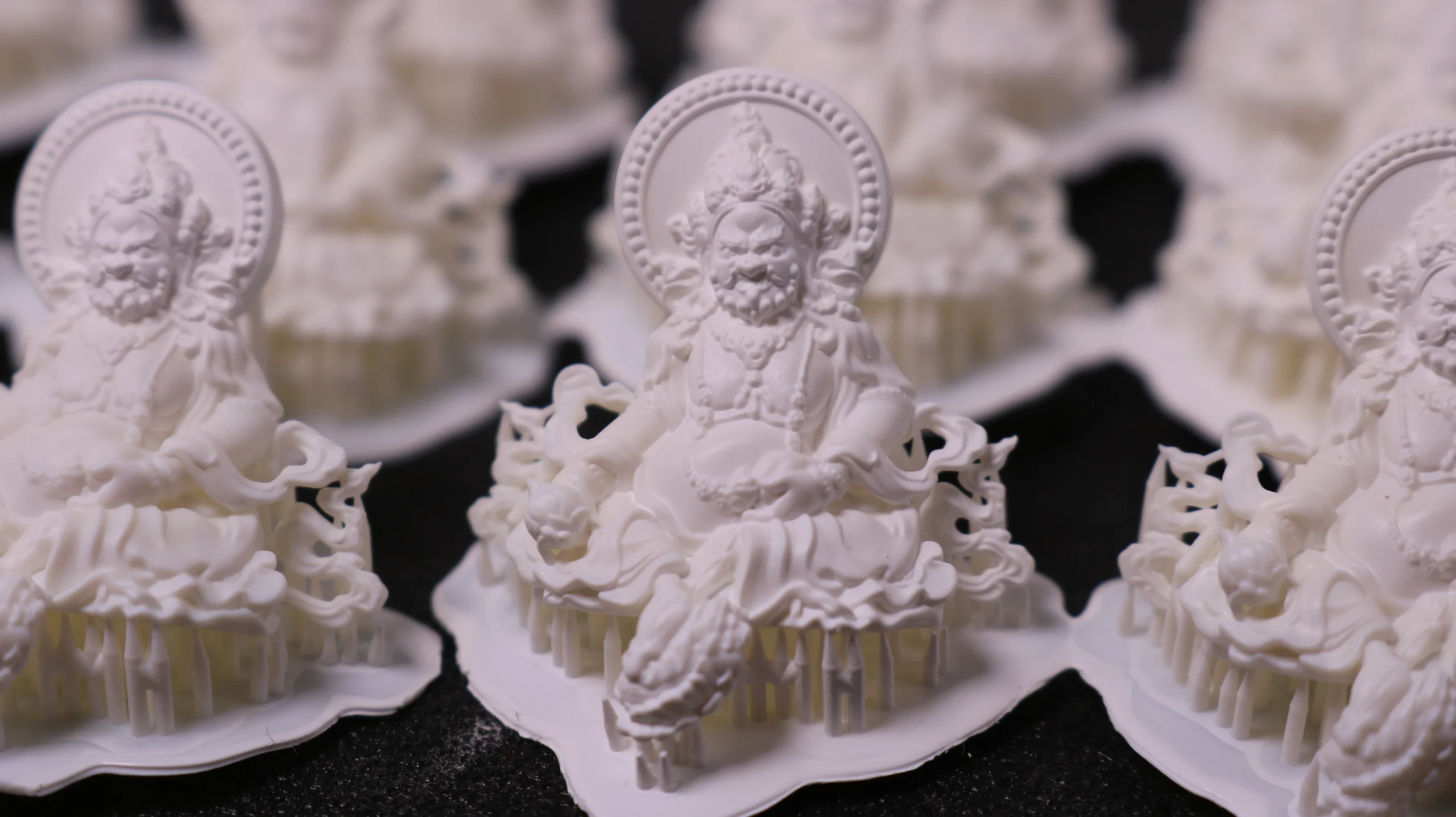
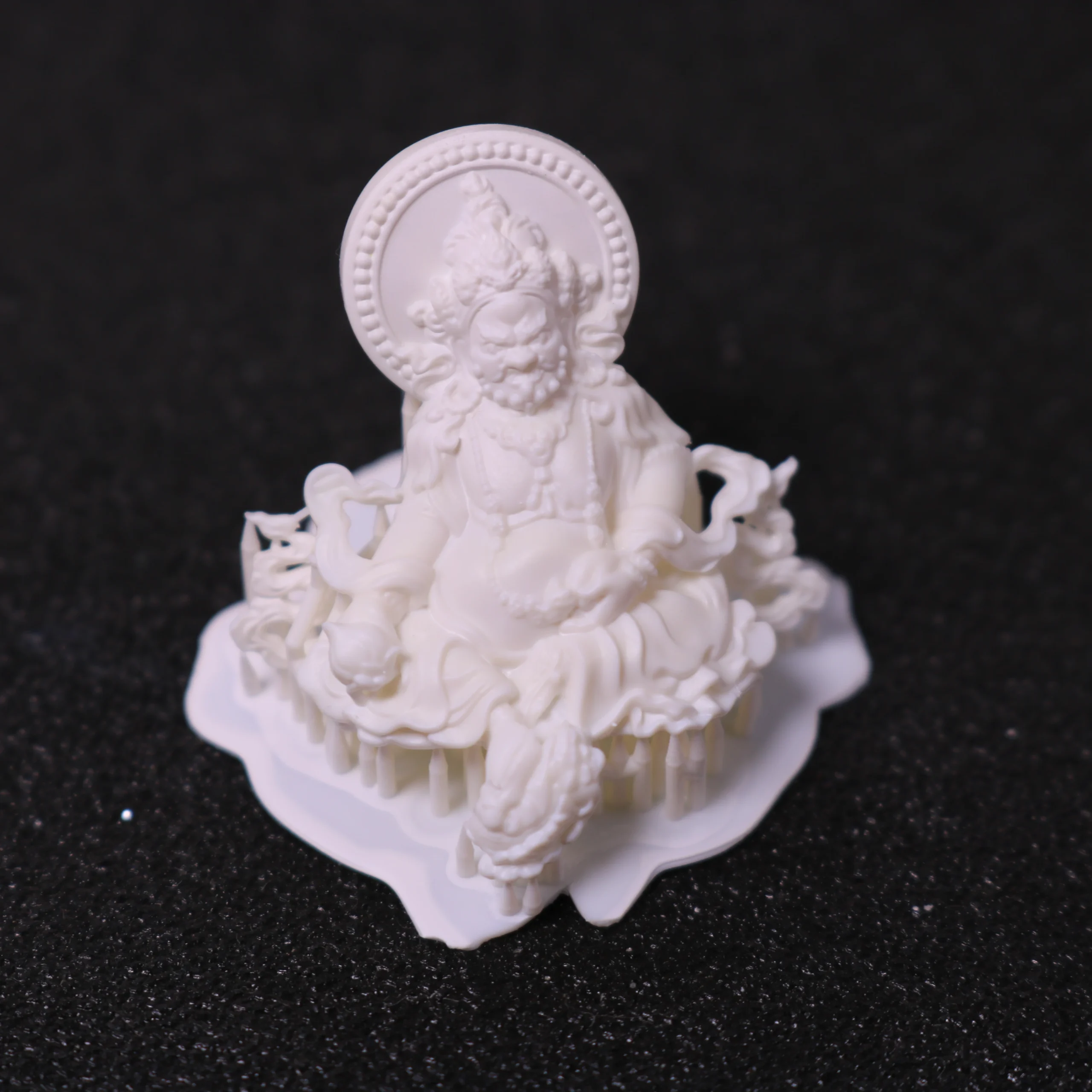
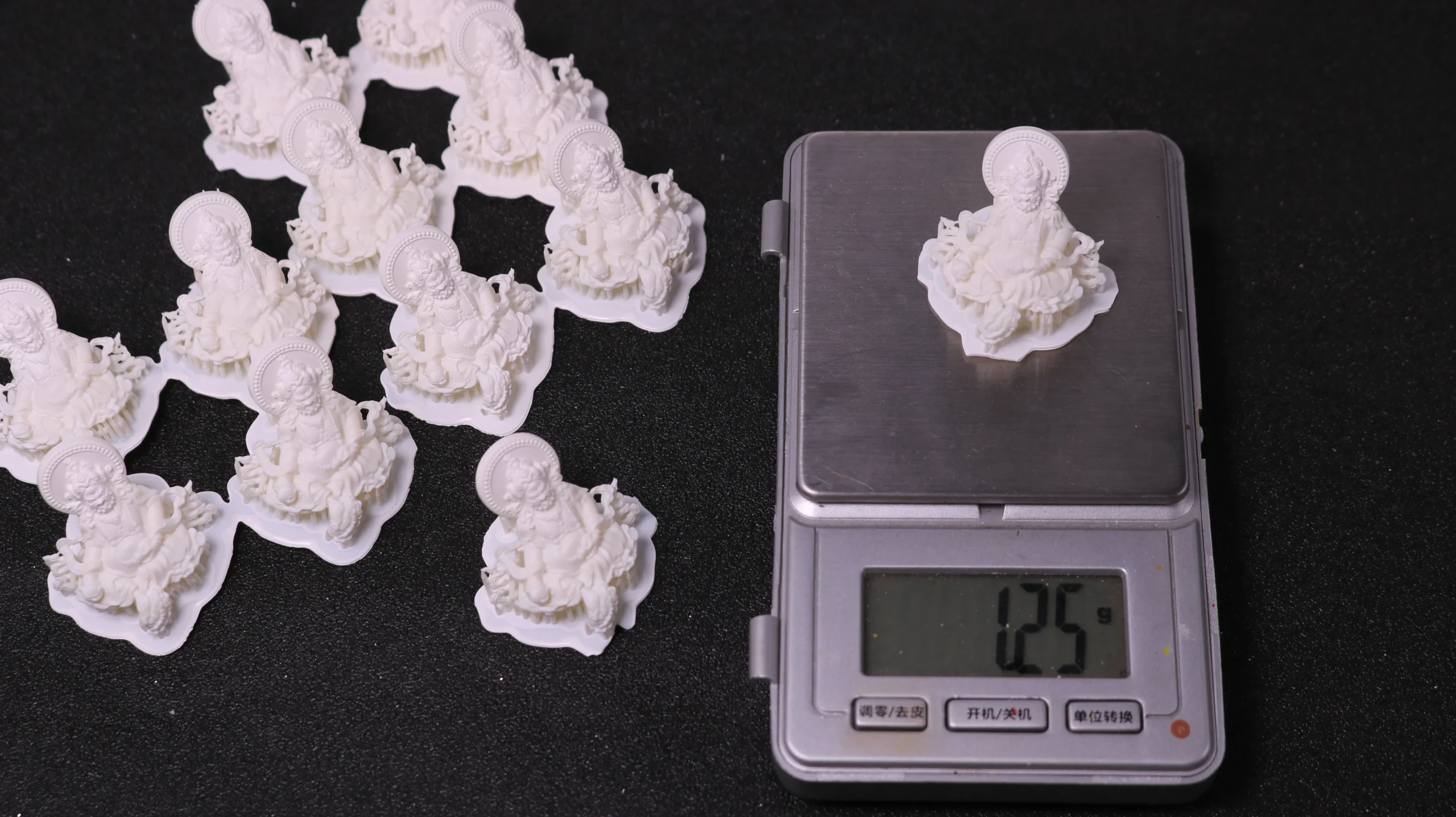
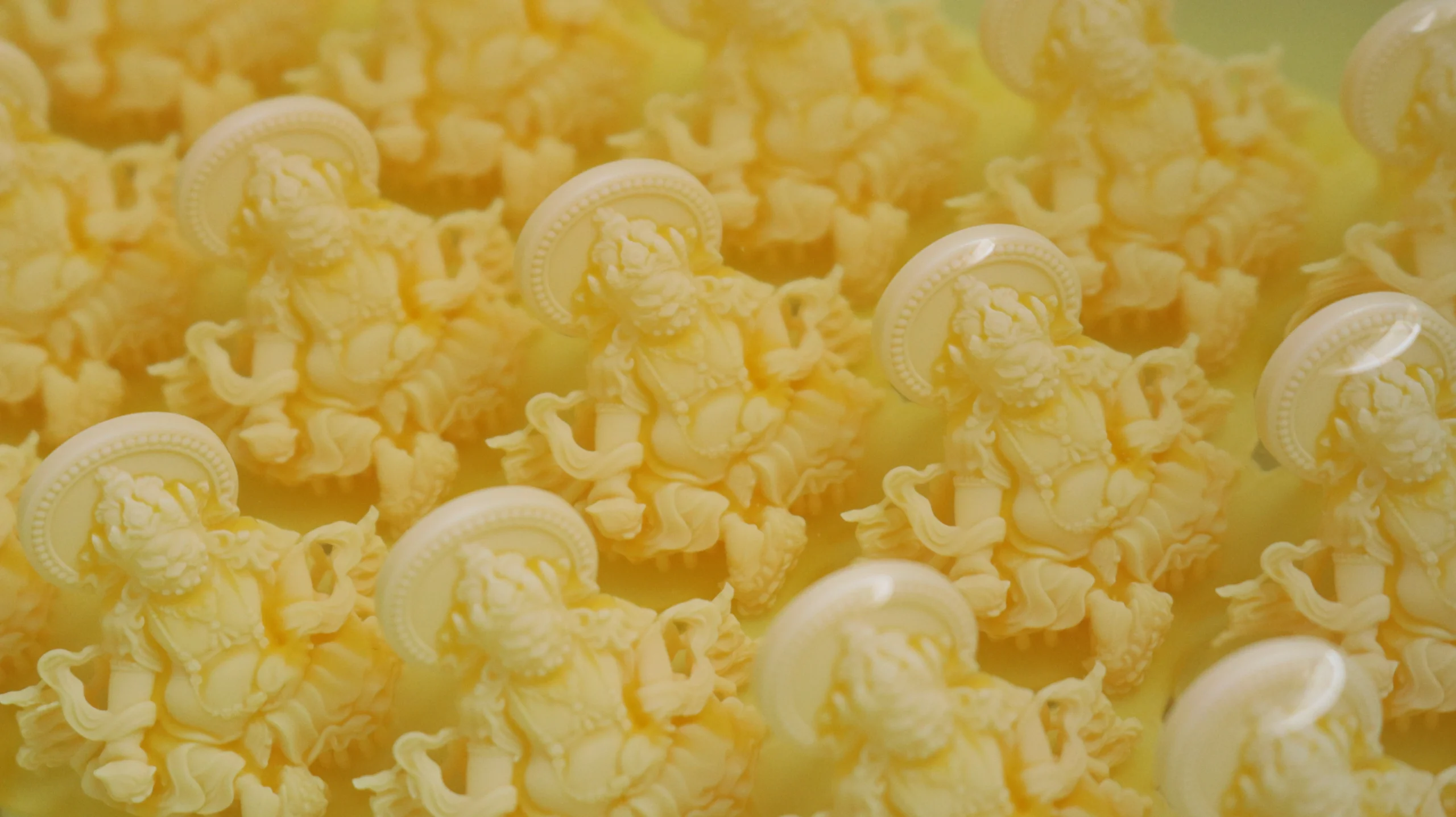
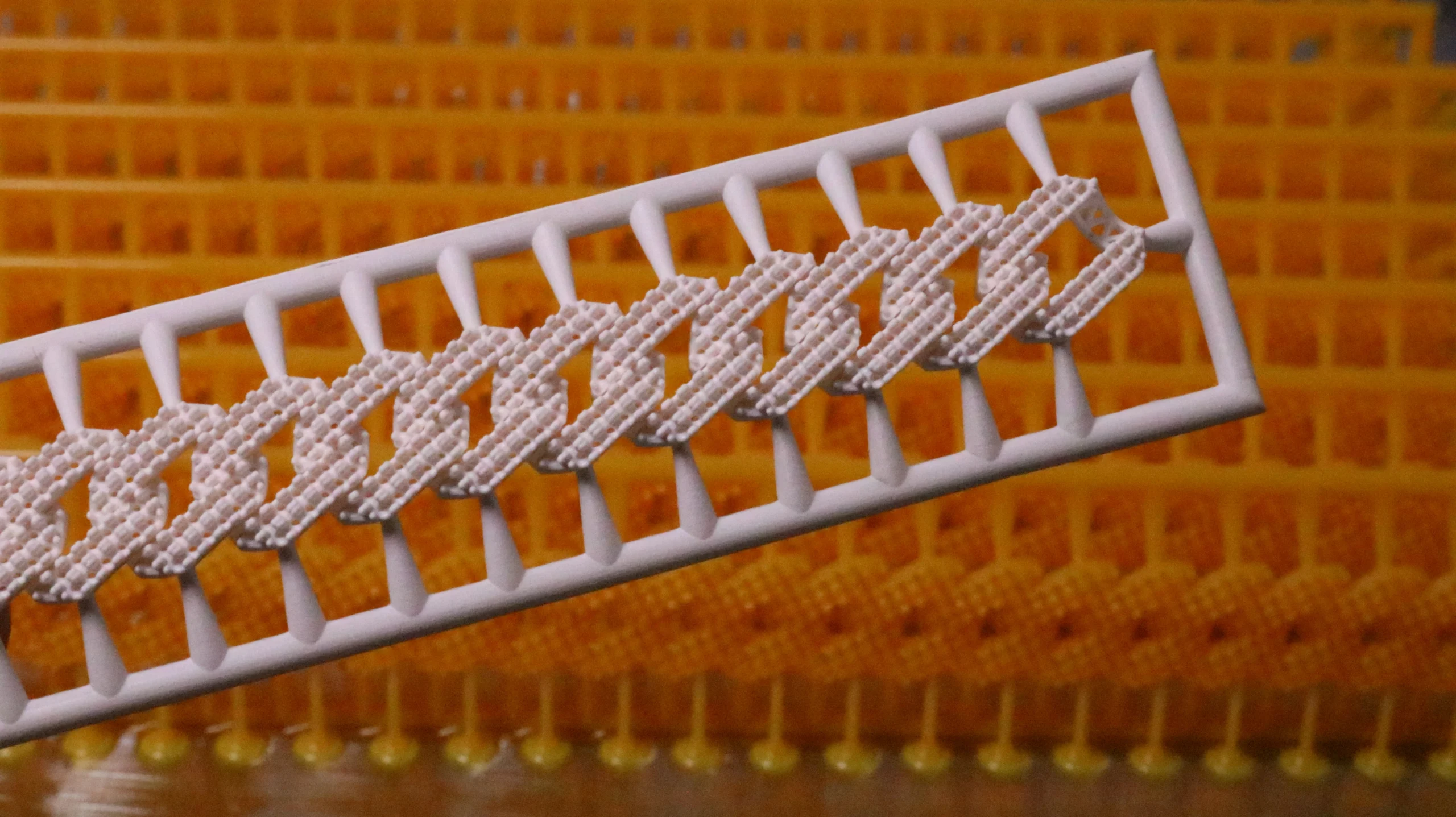
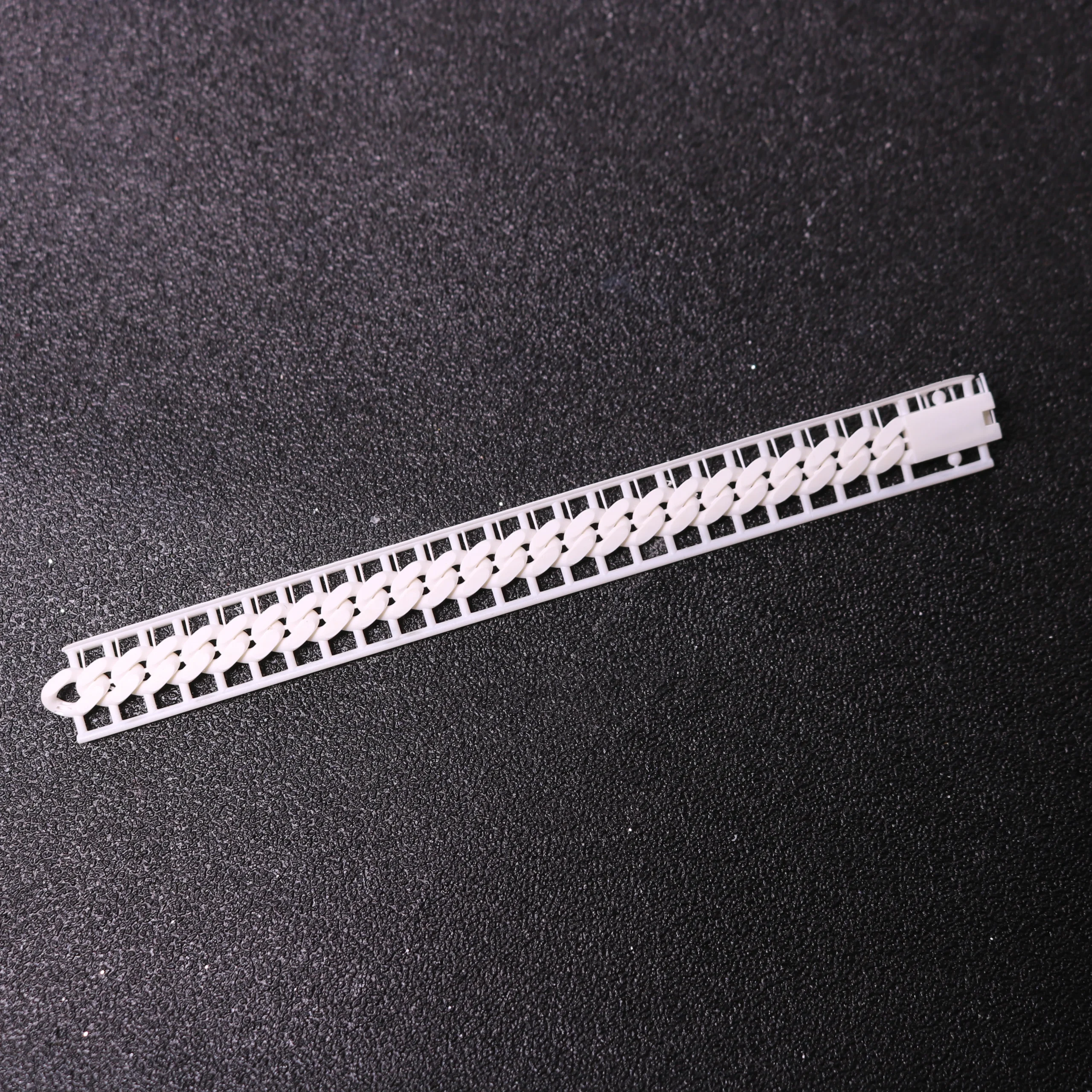
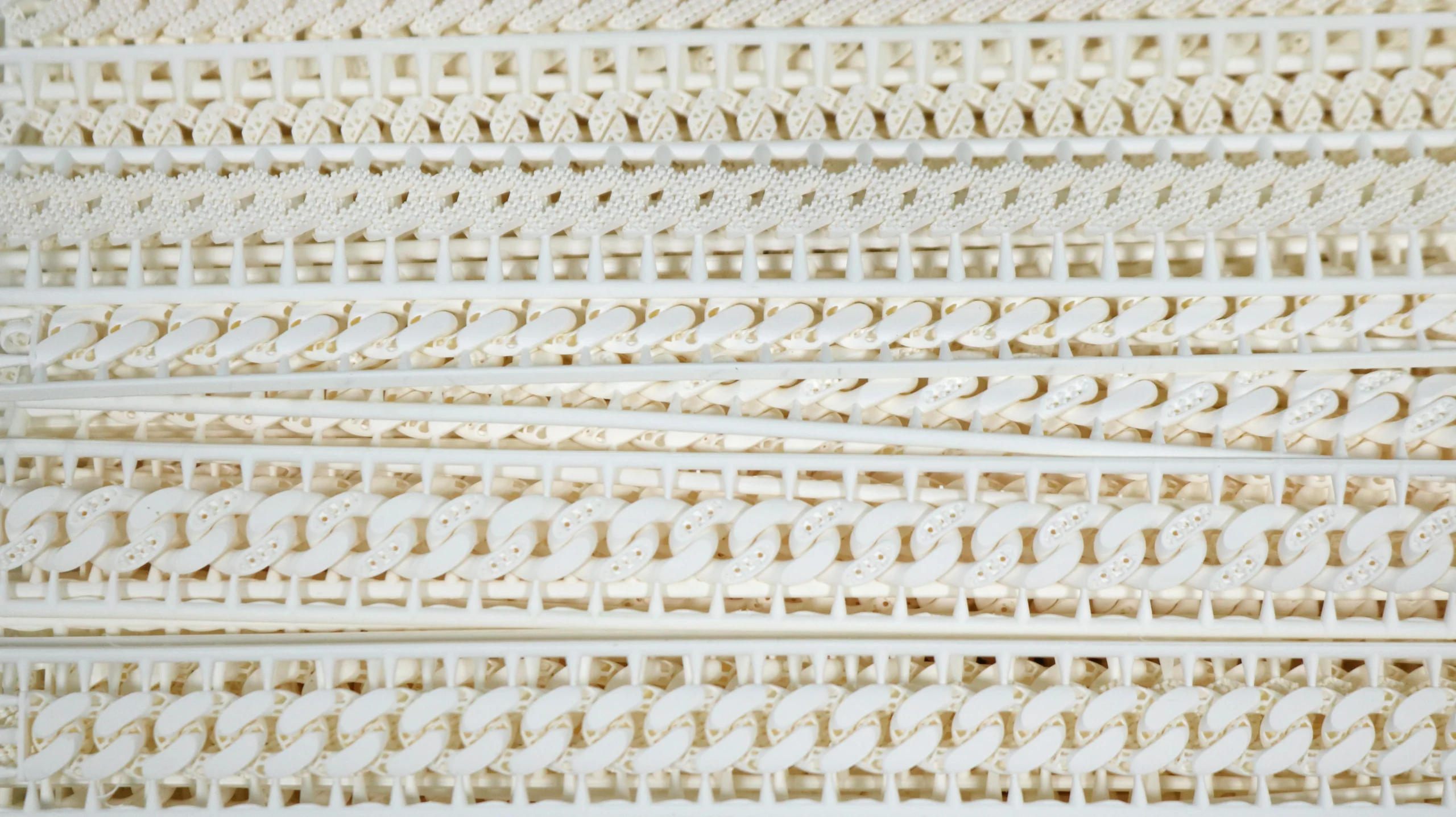
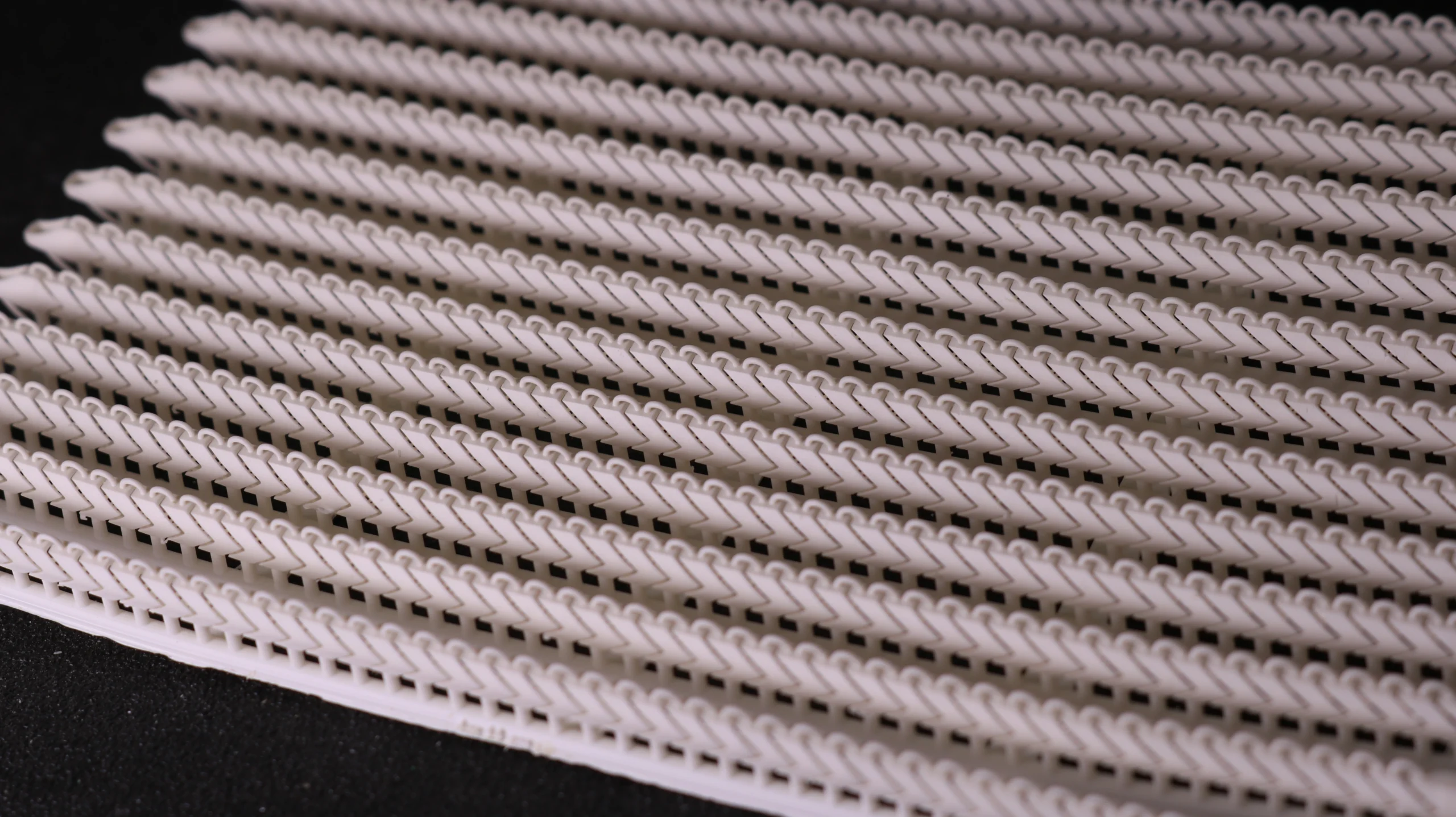
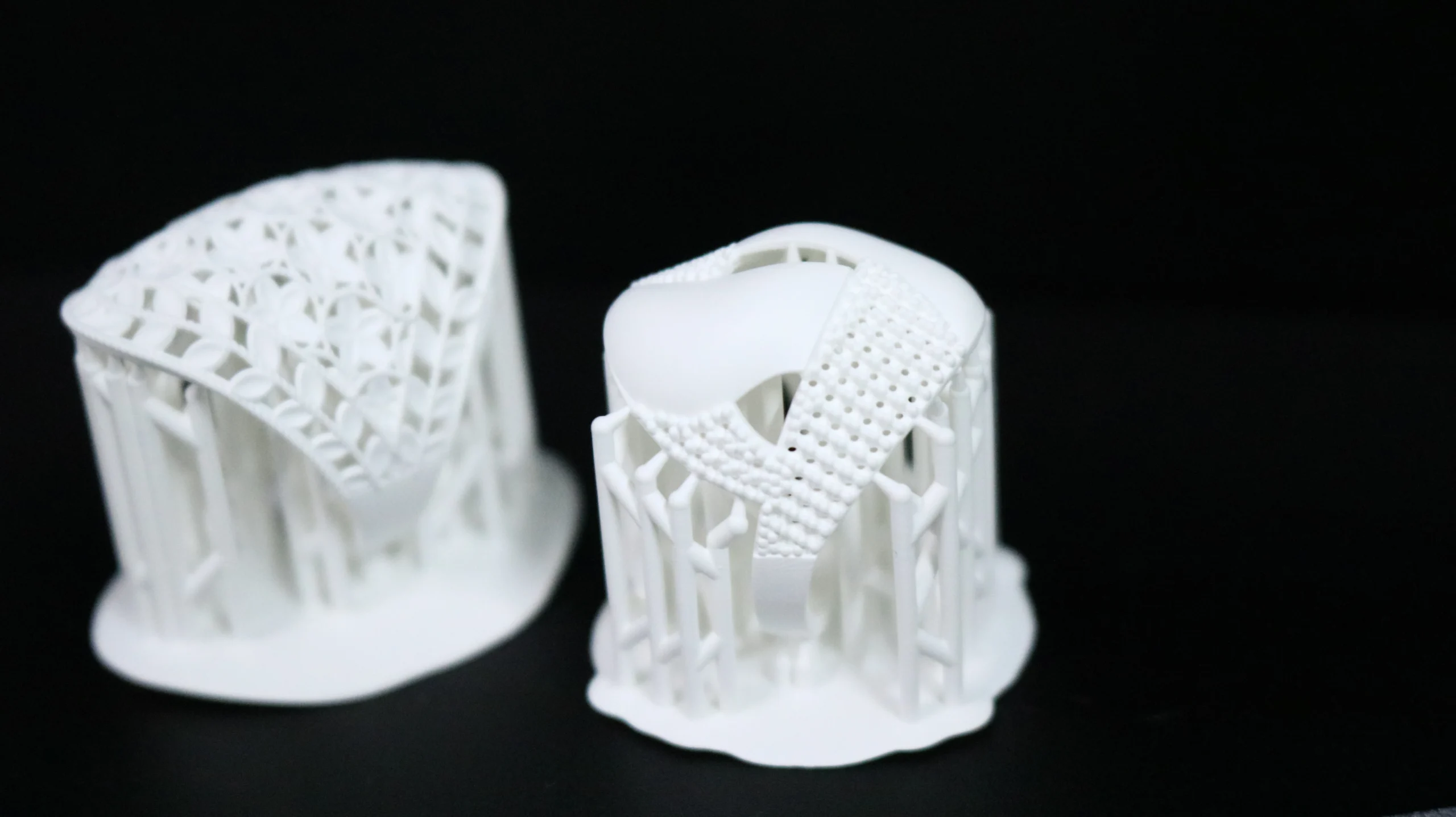
Print & Casting Results
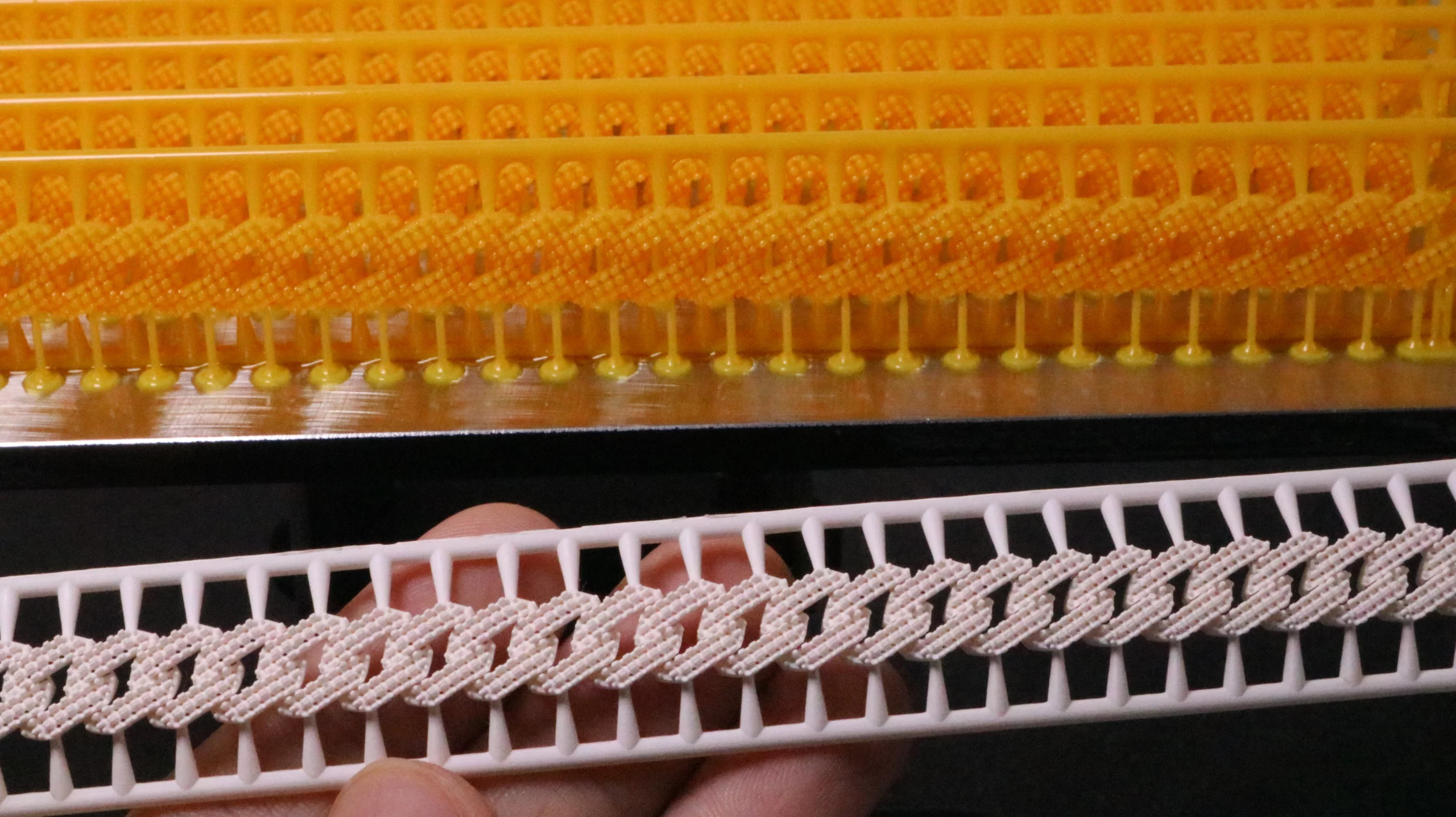
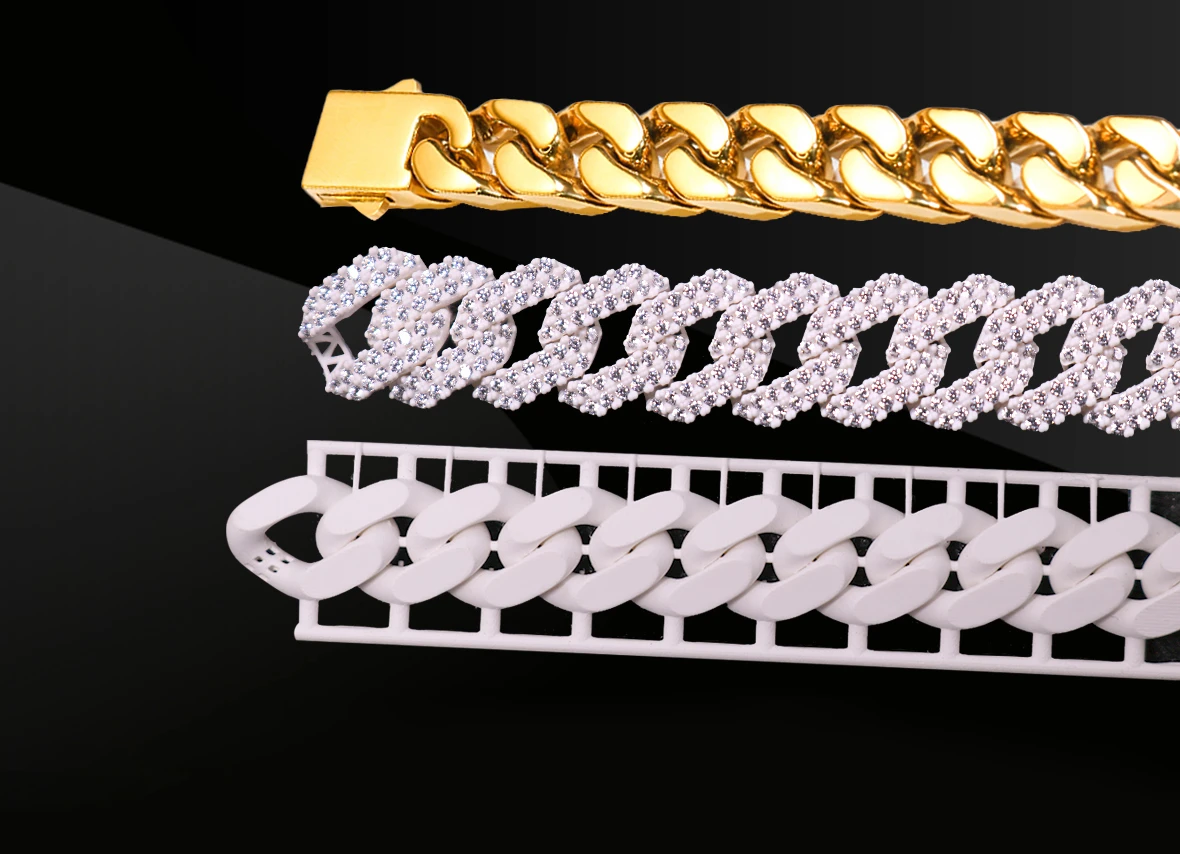
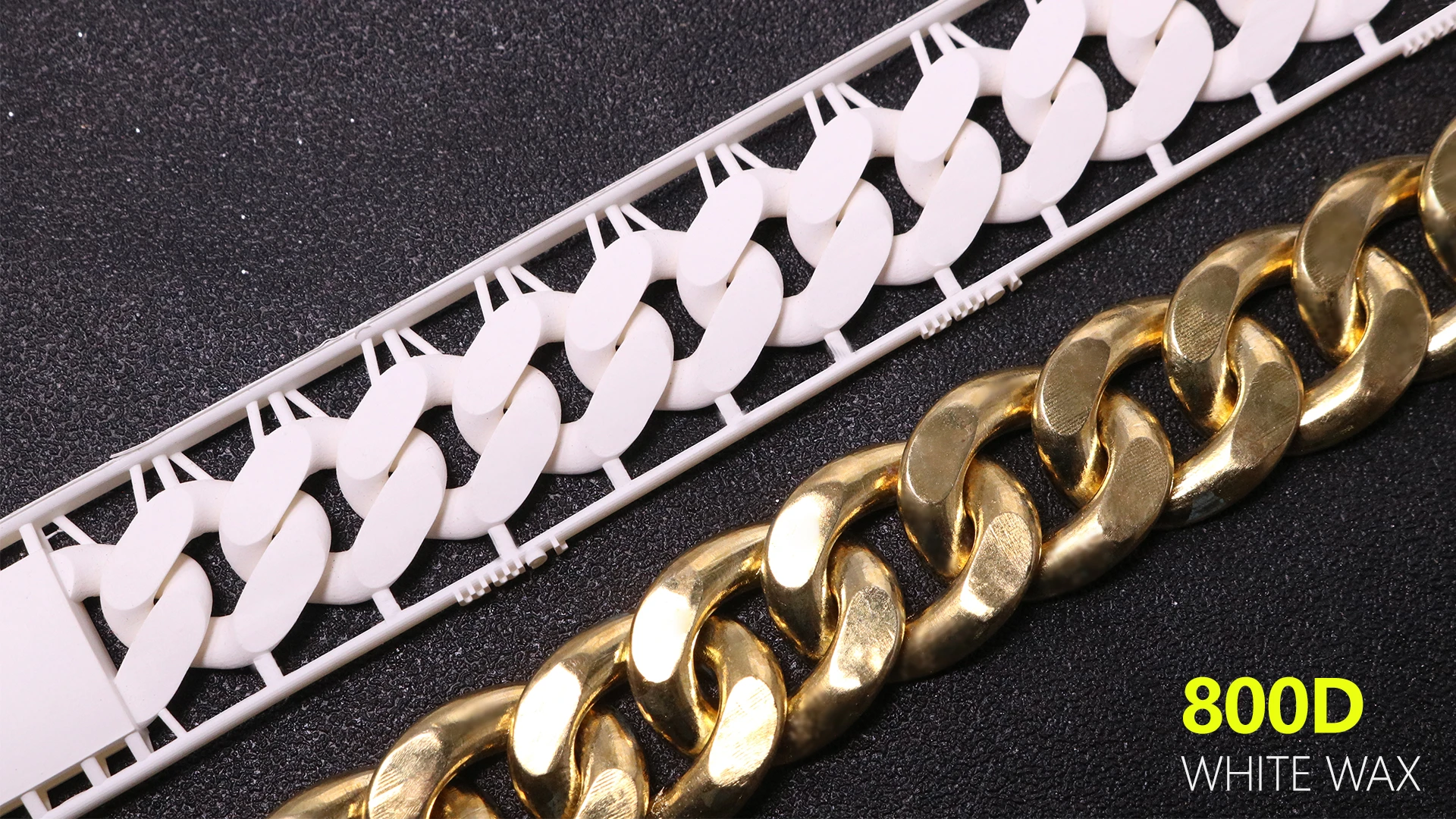
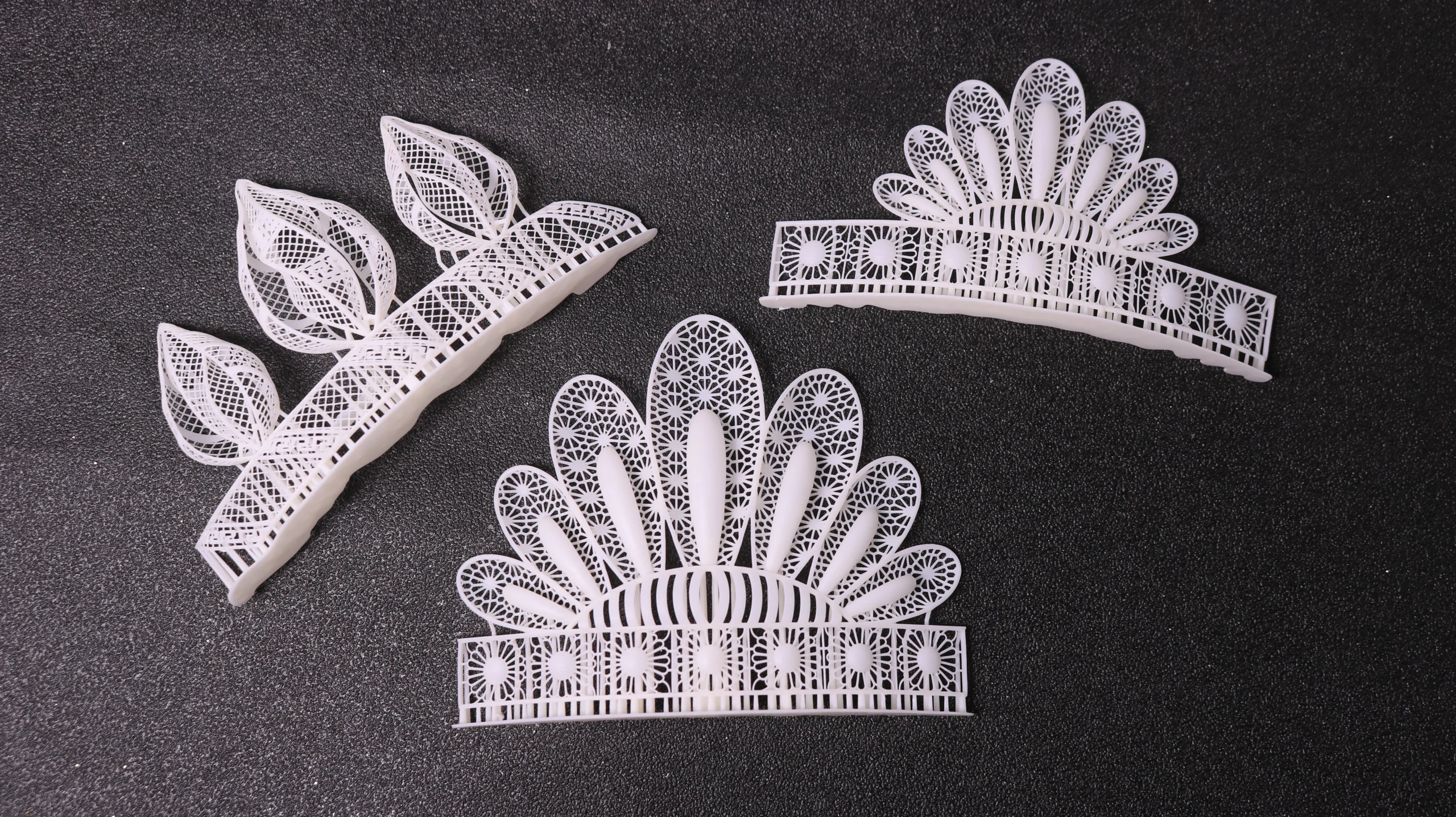
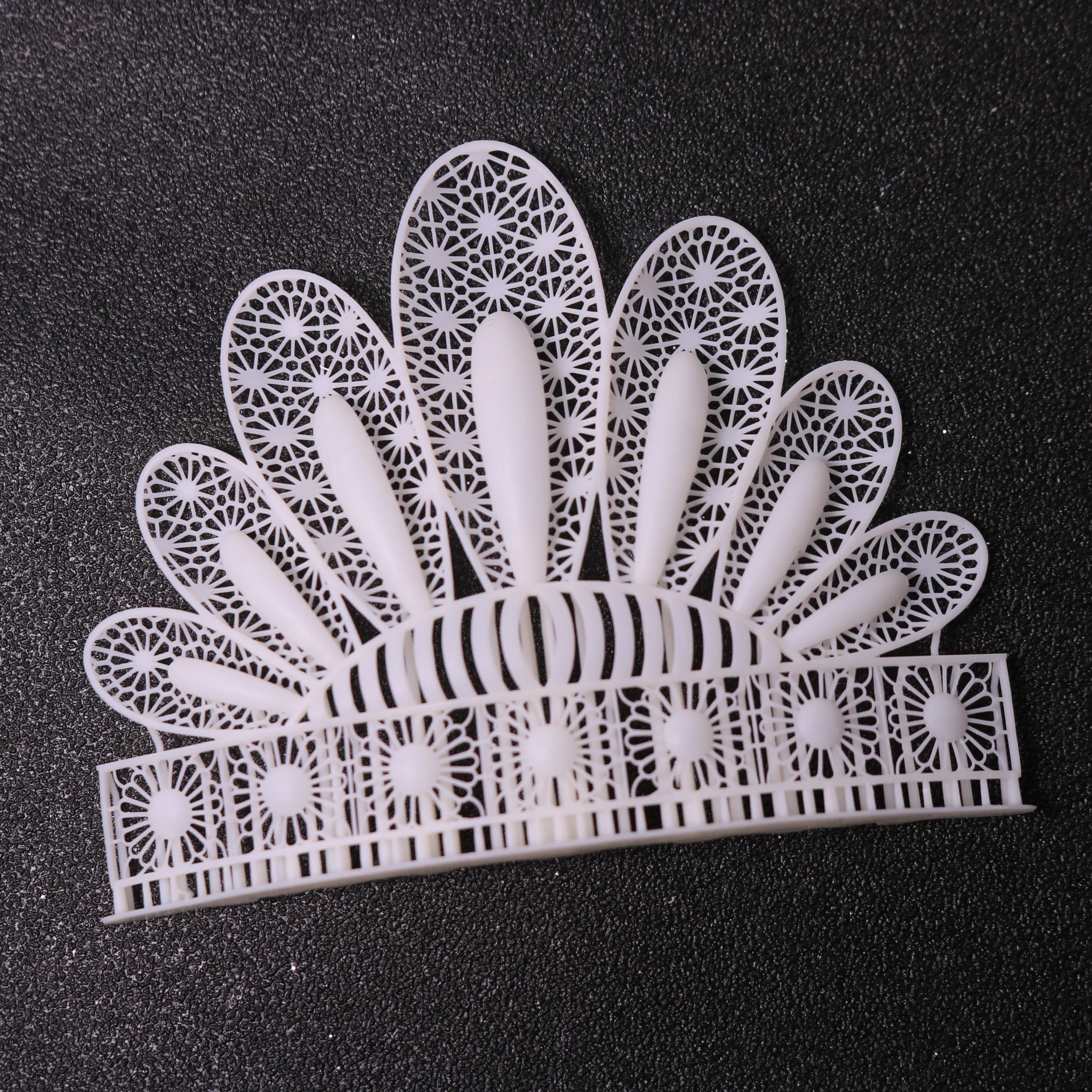
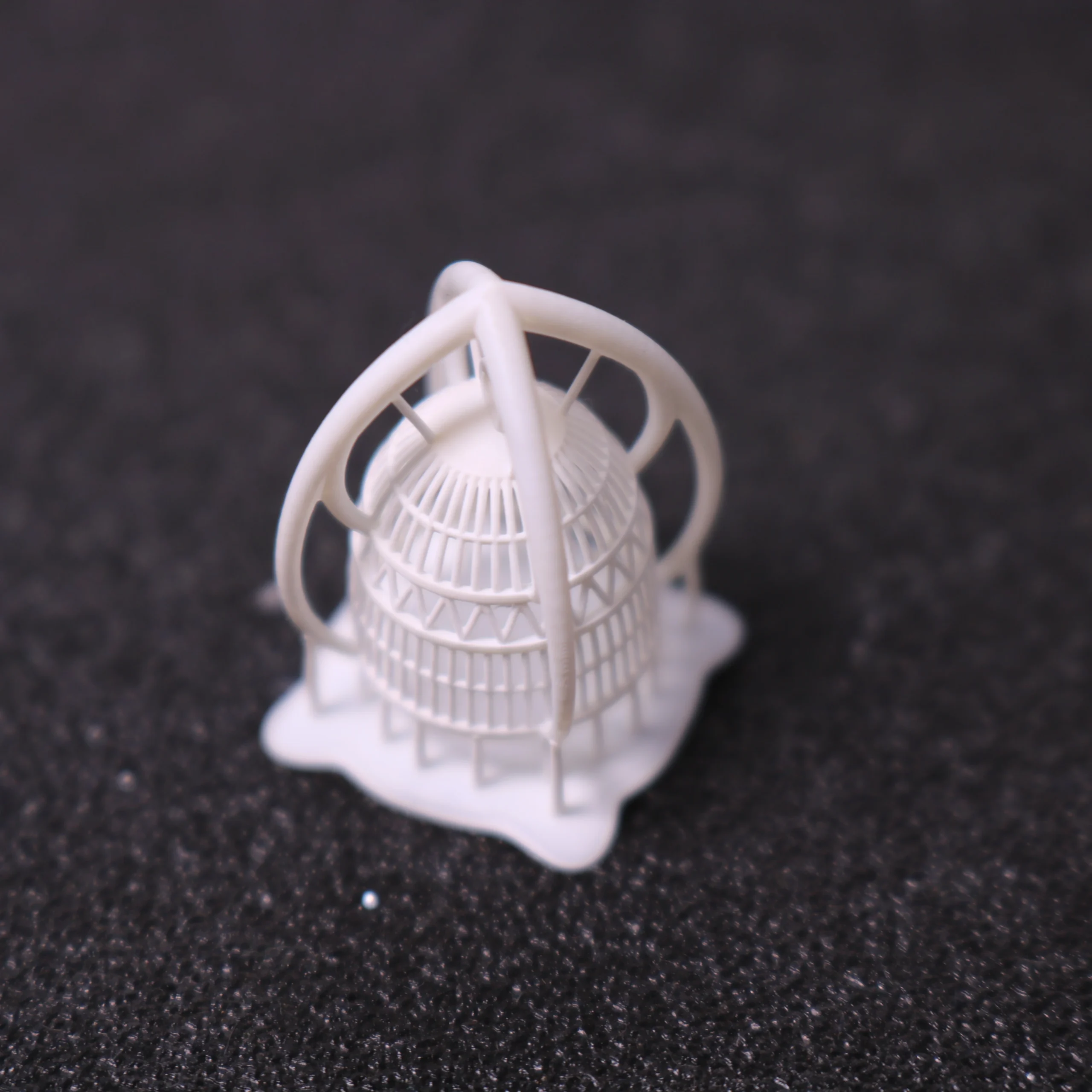
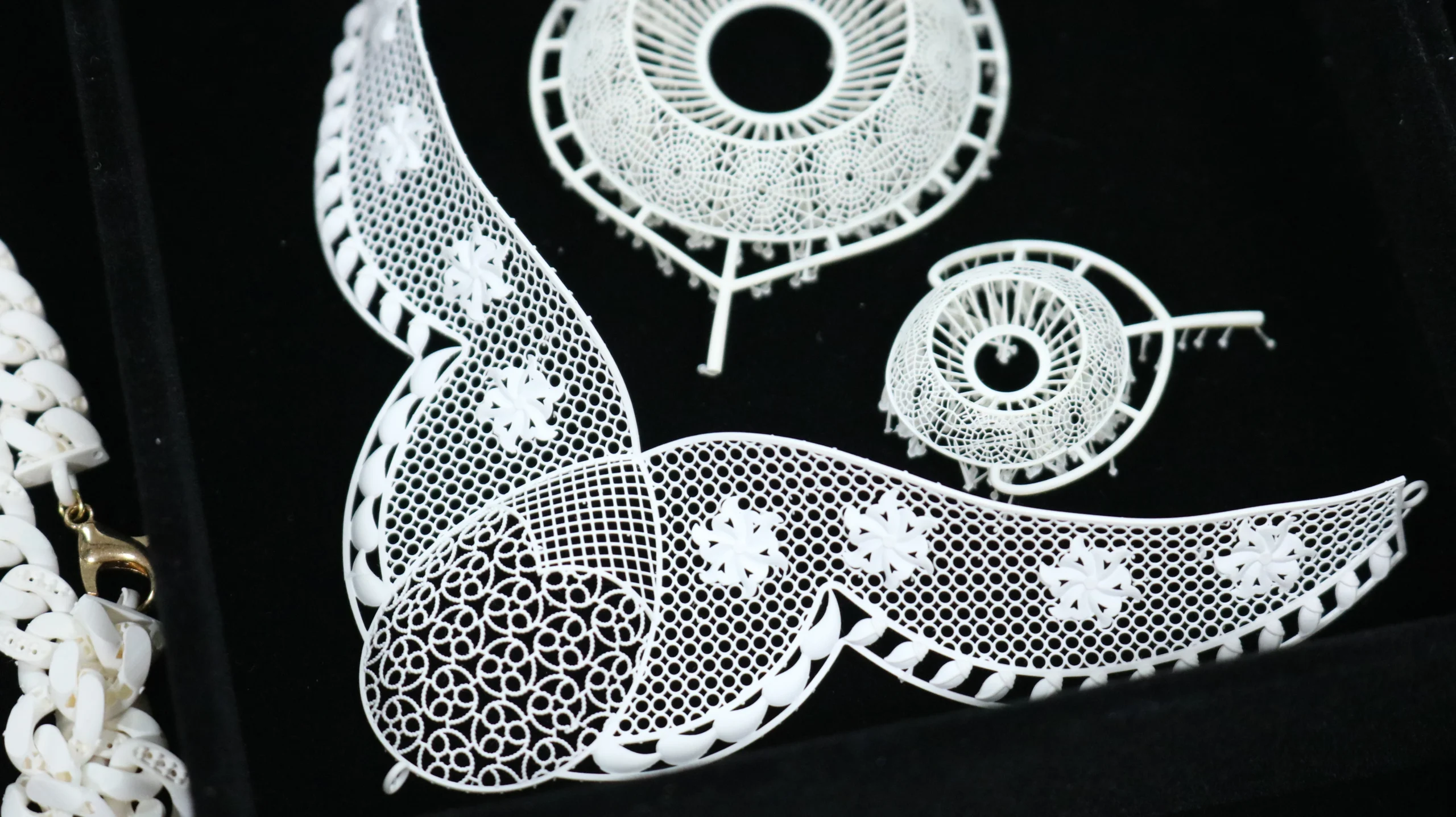
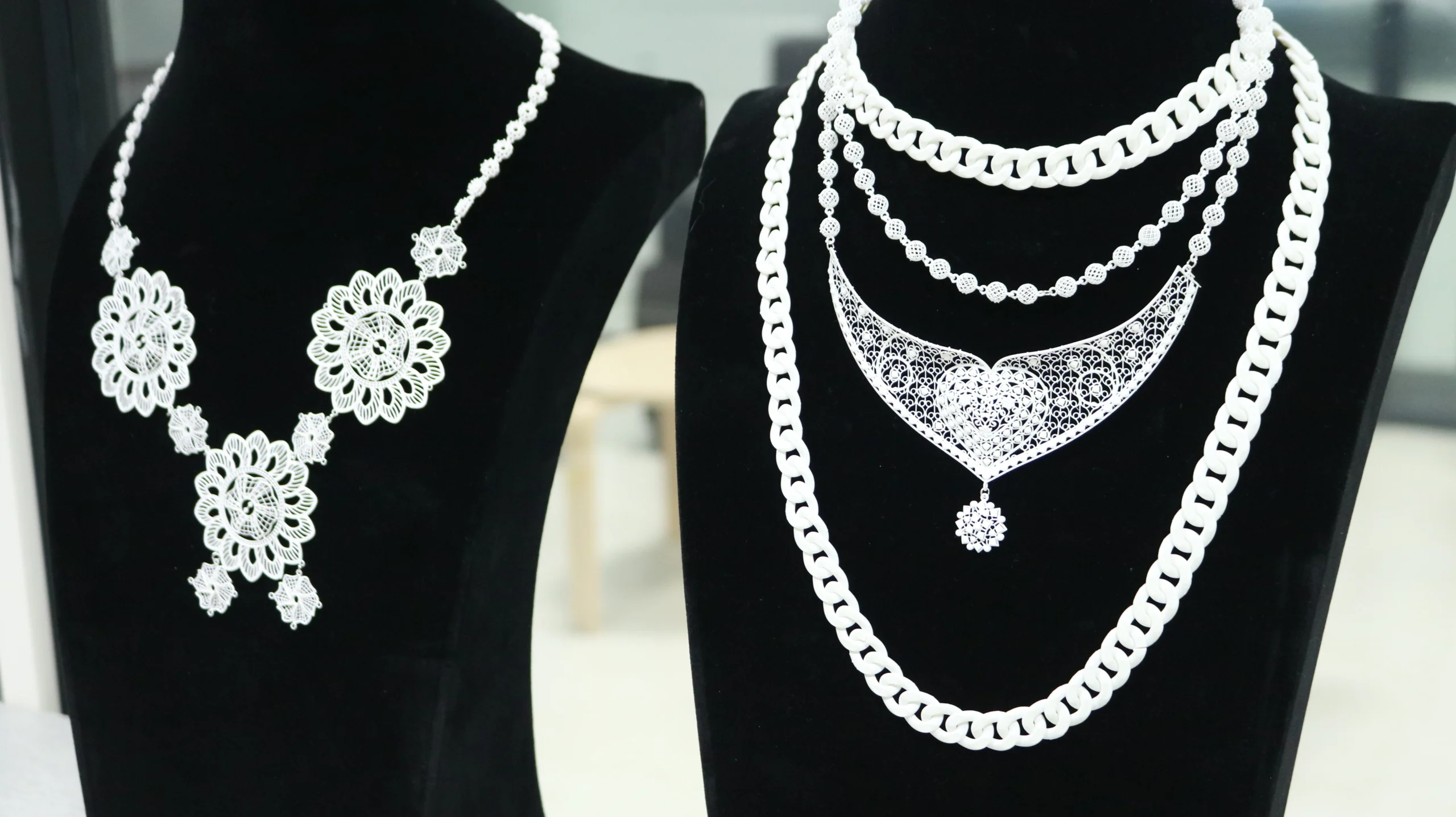
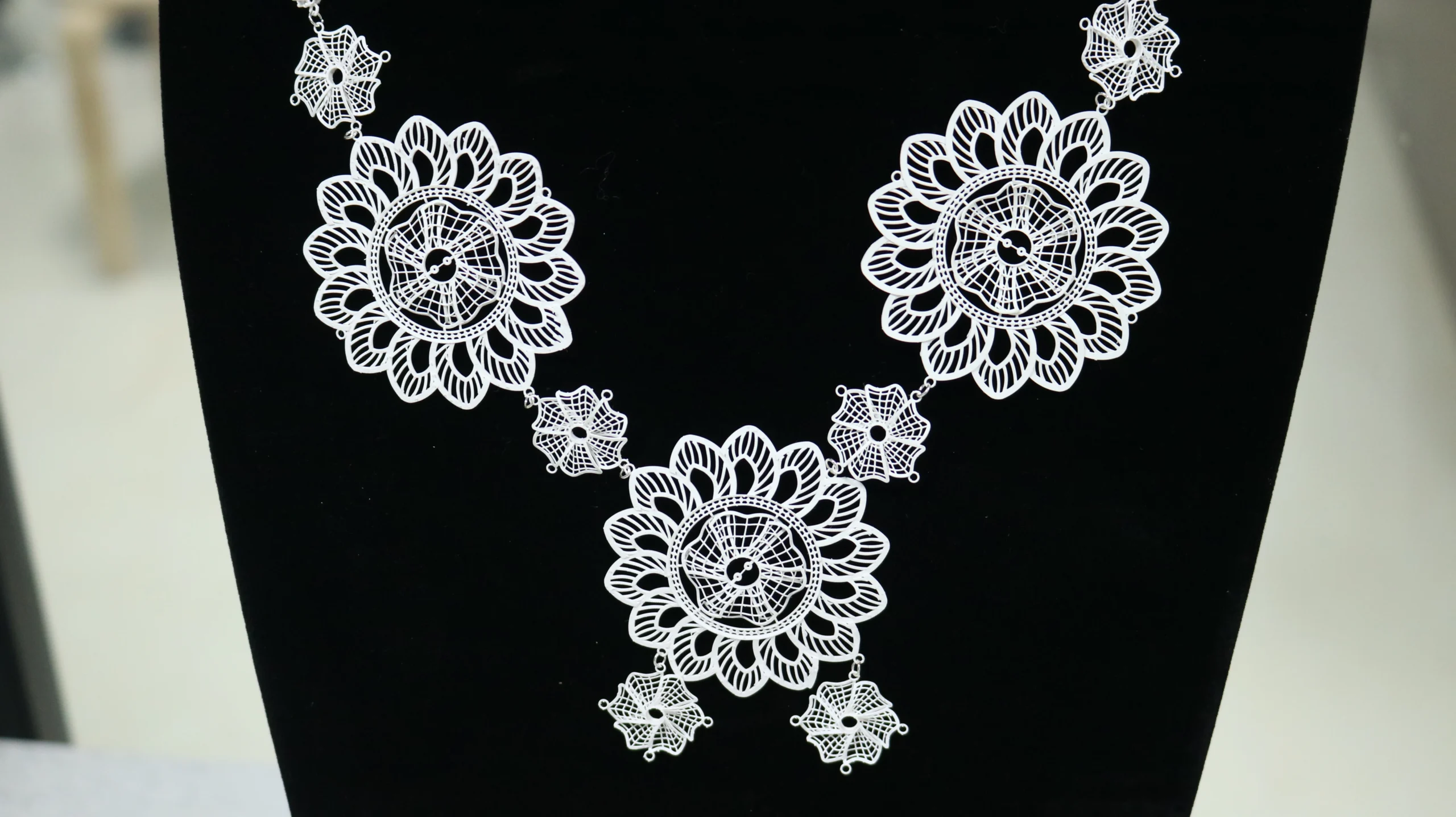
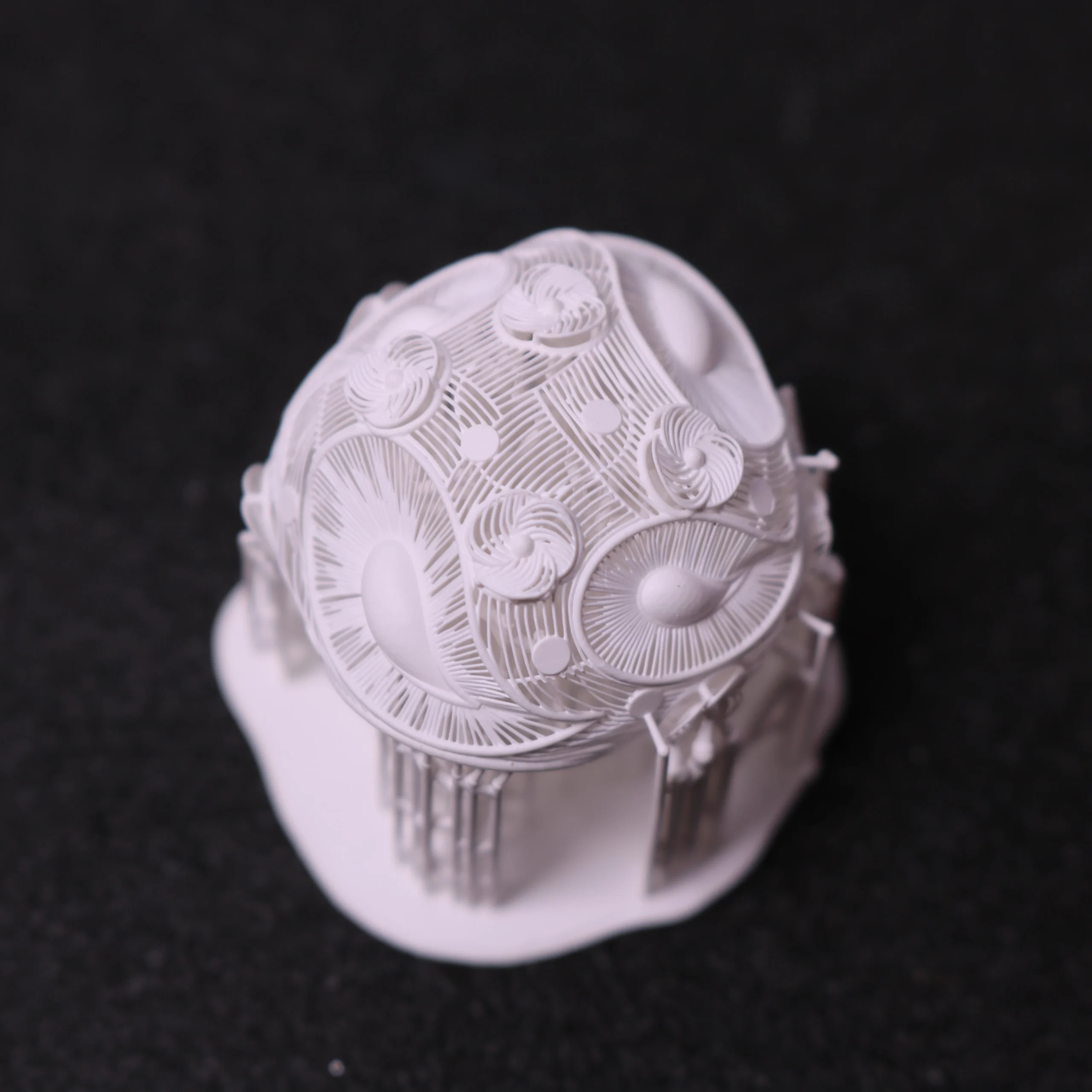
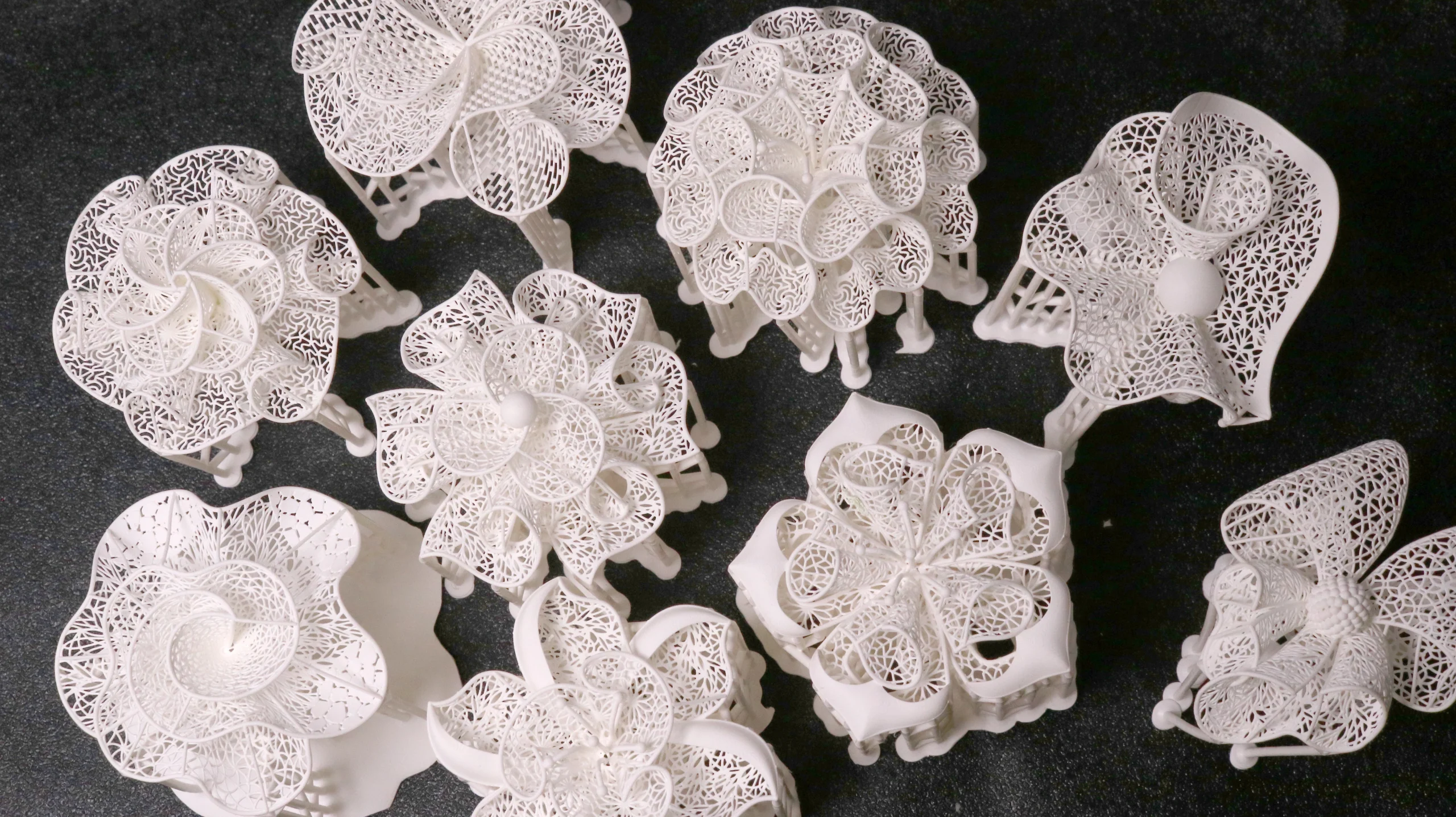
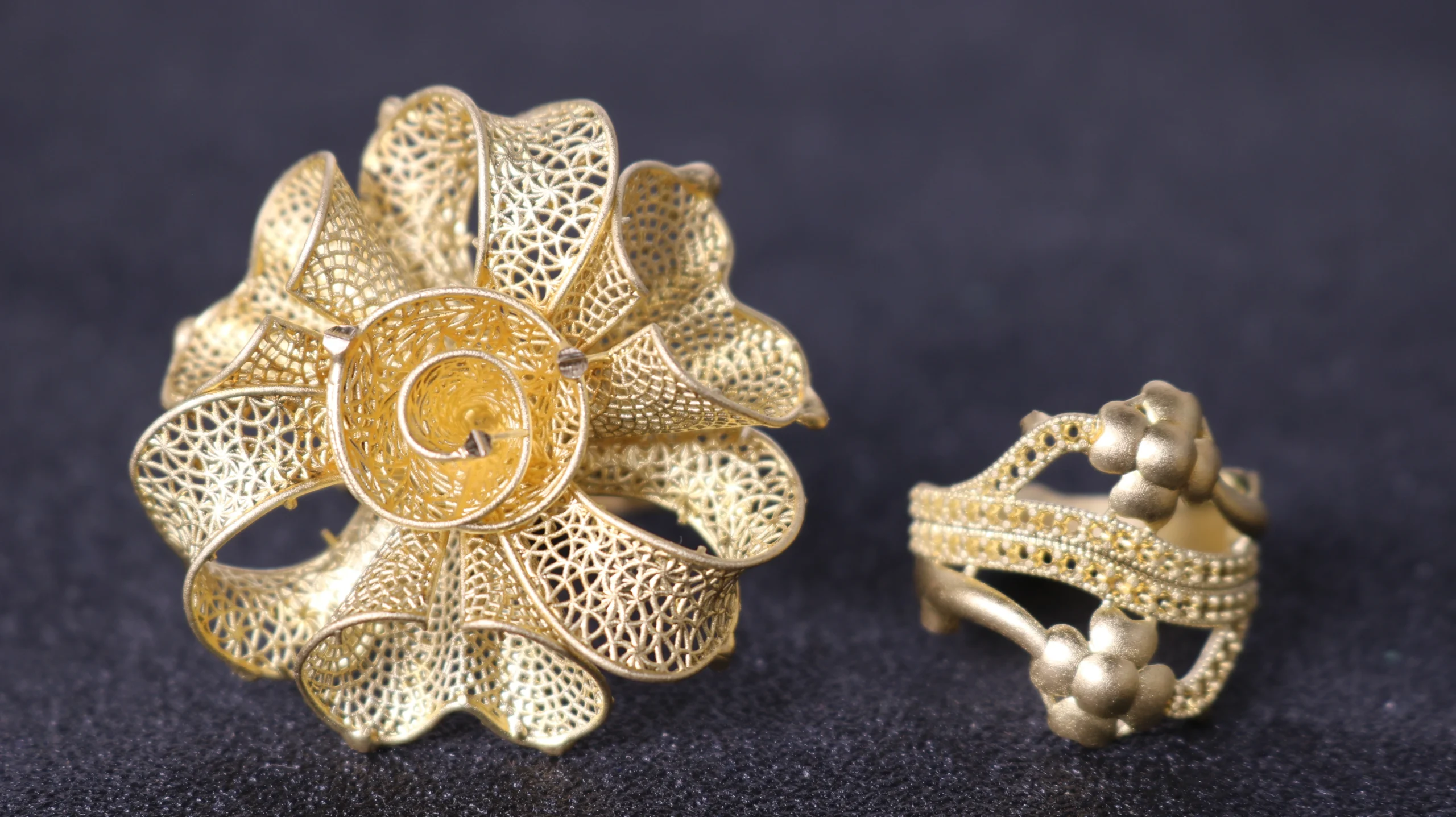
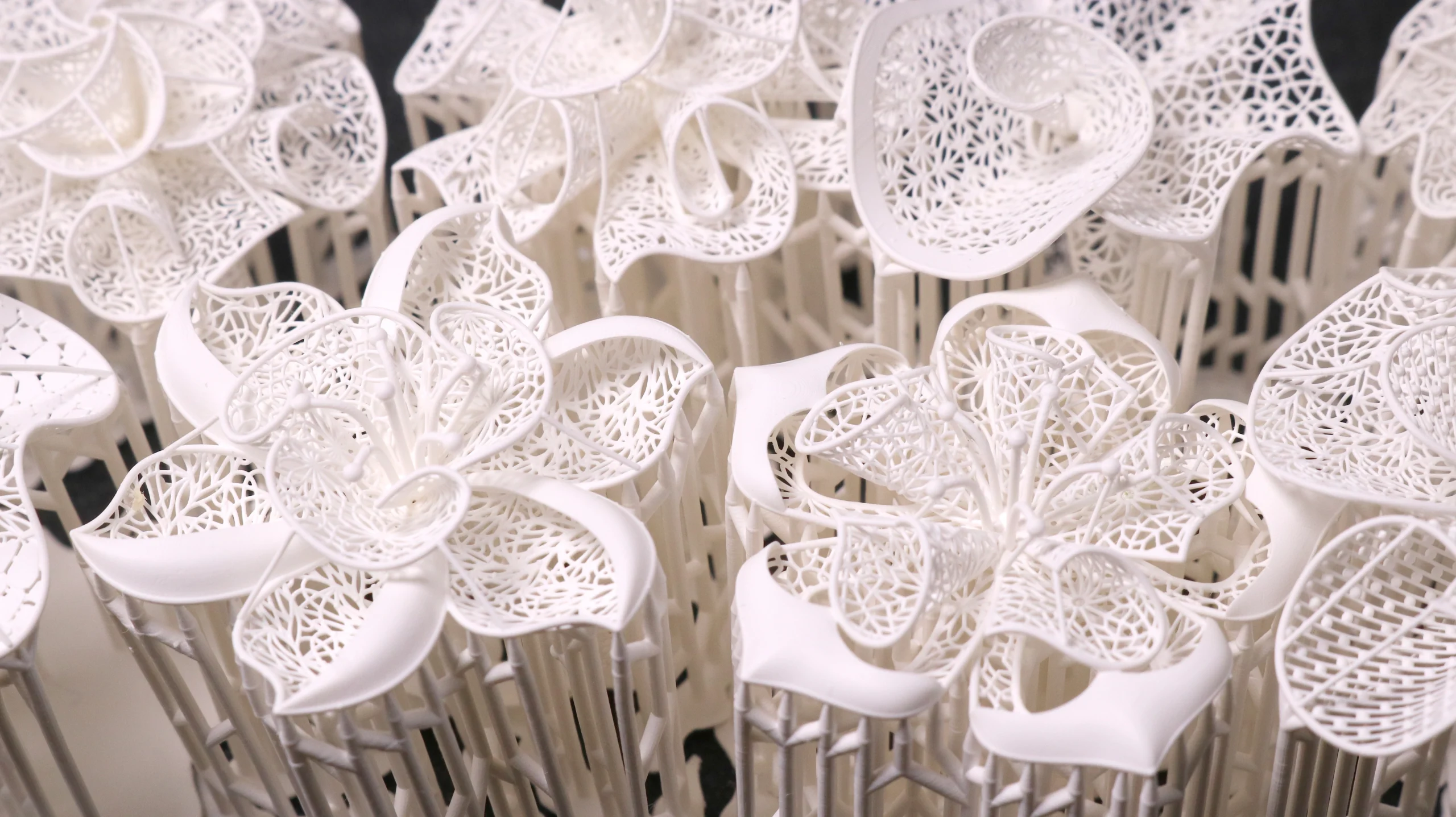
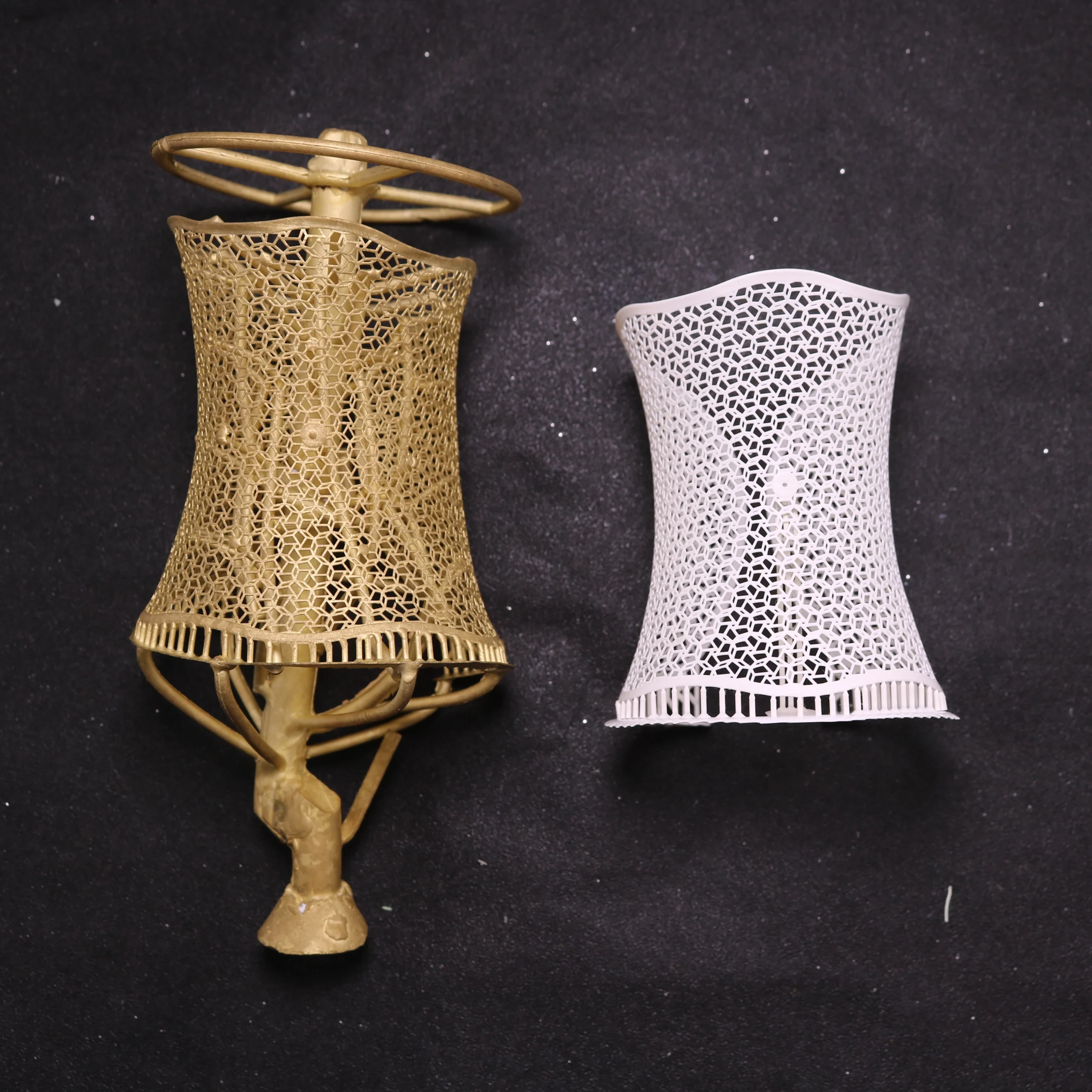
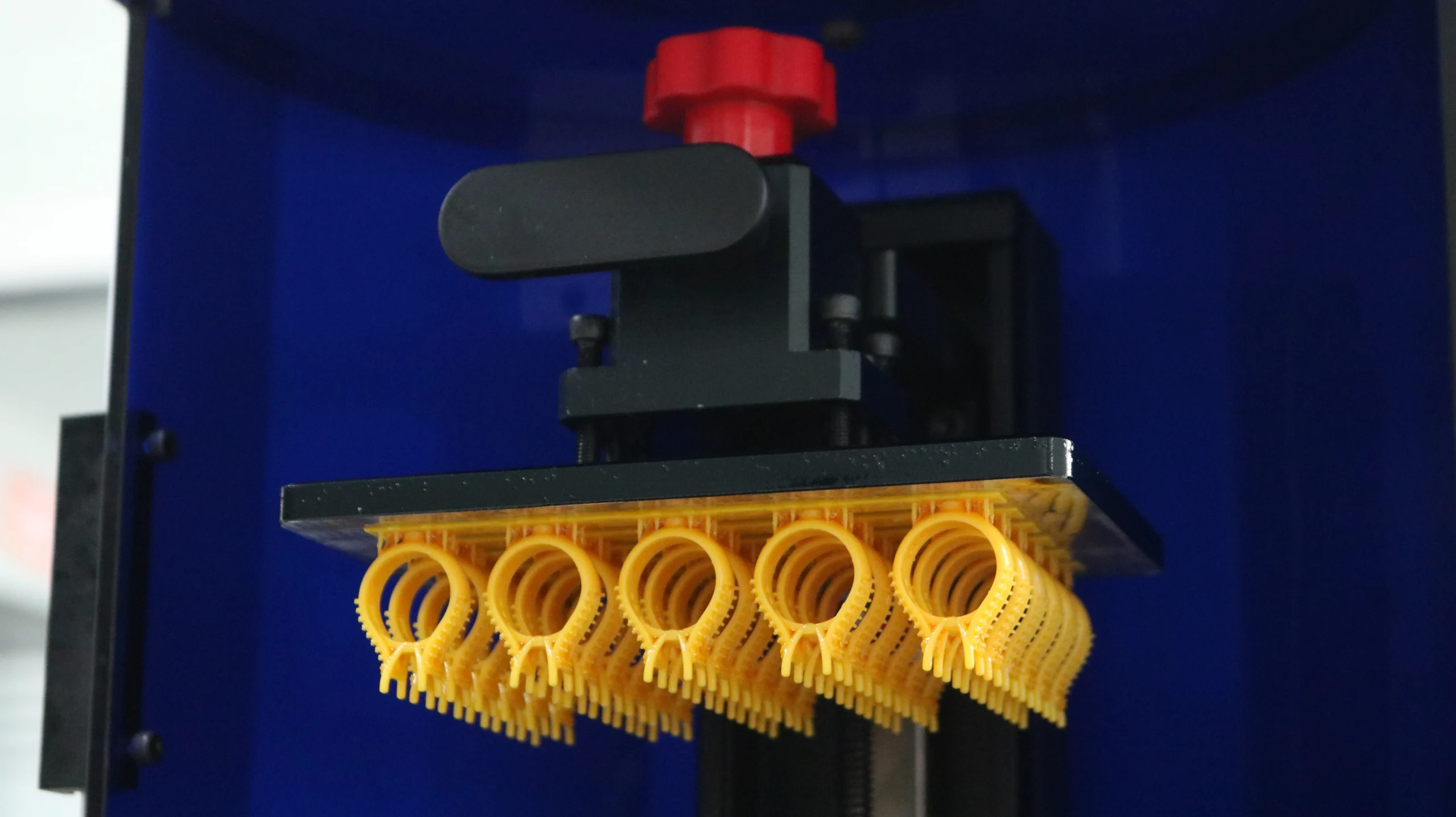
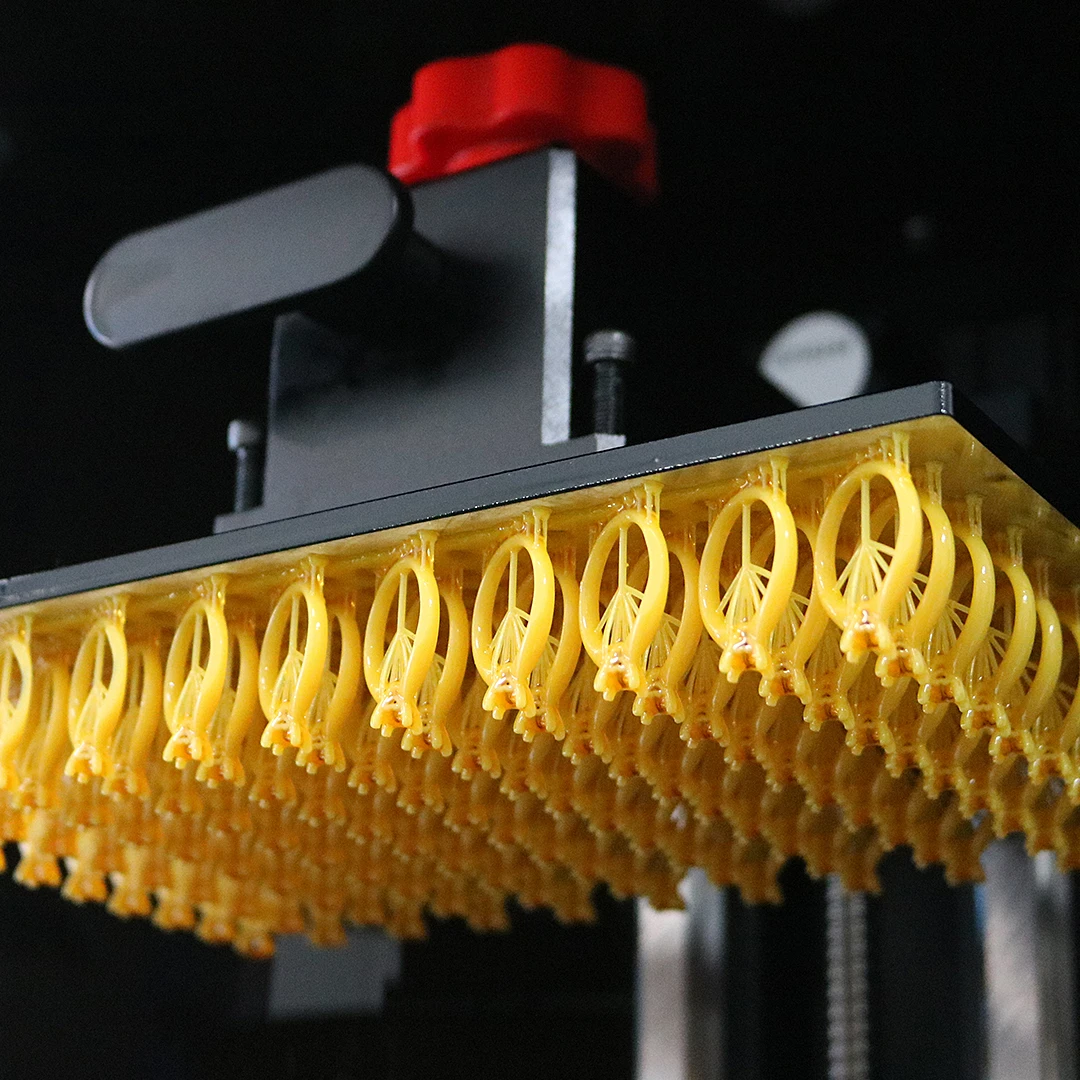
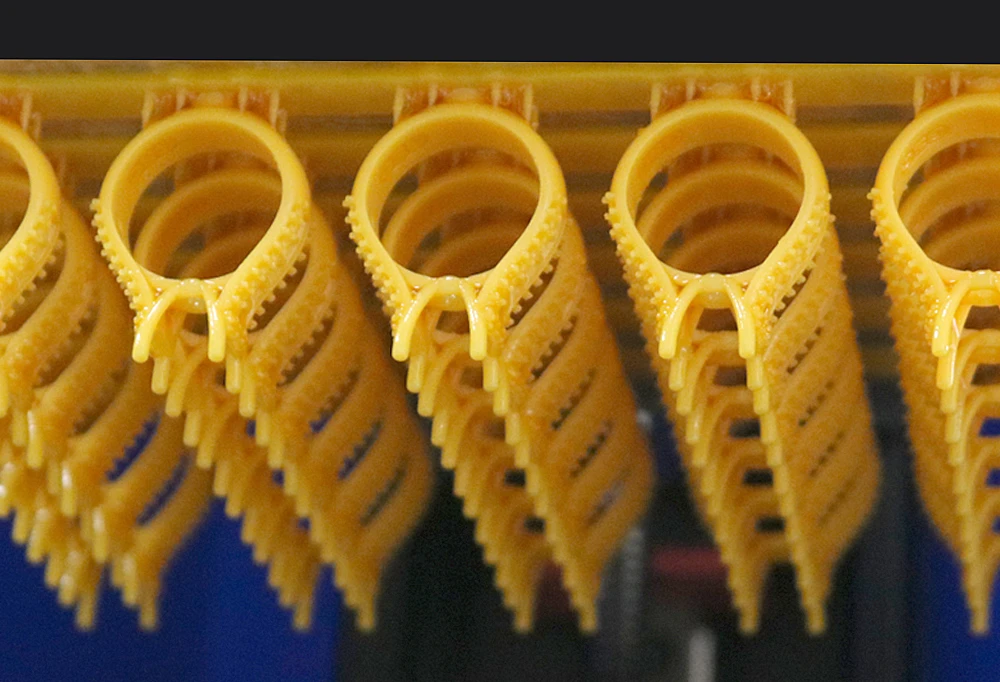
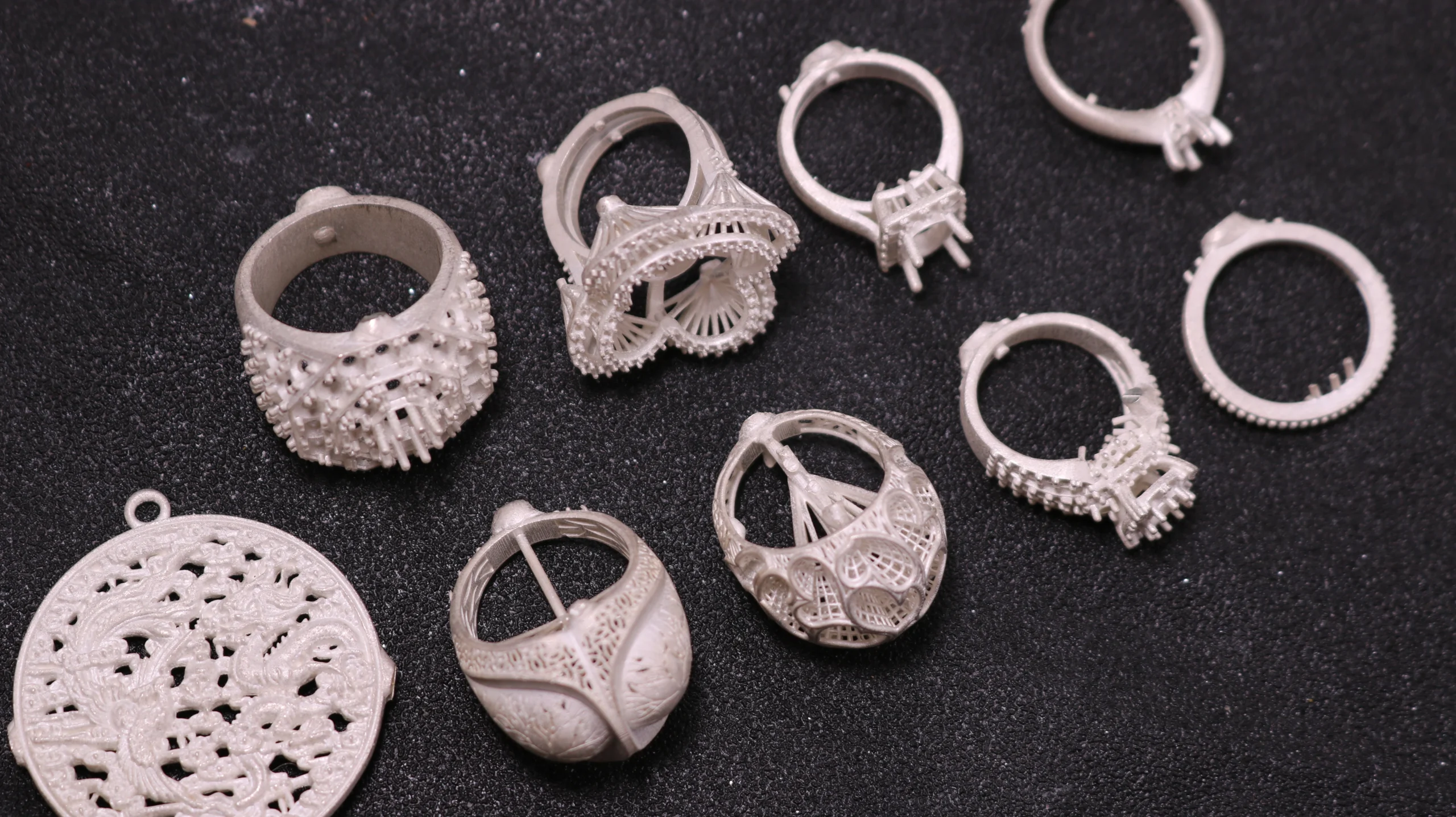
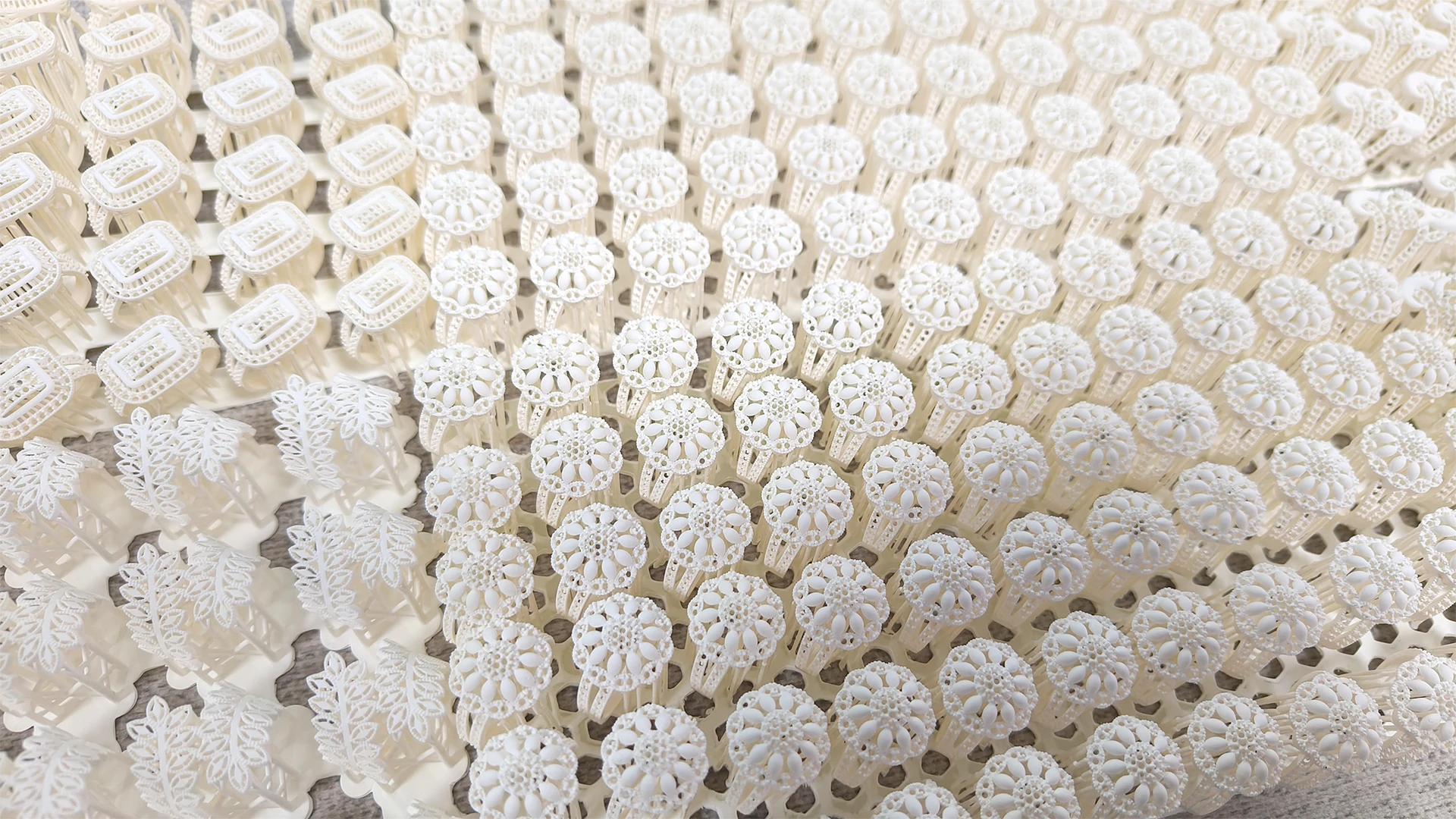
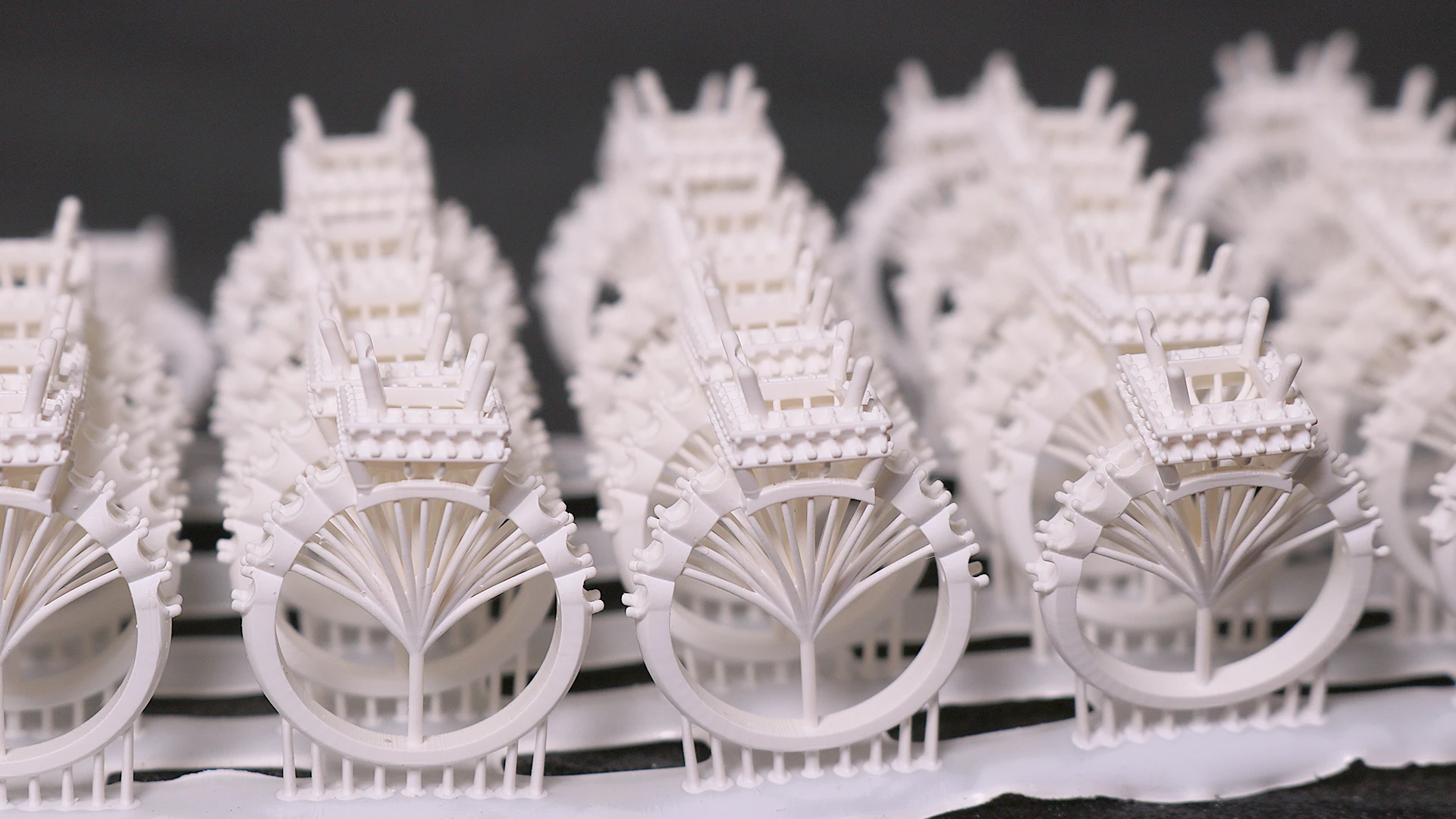
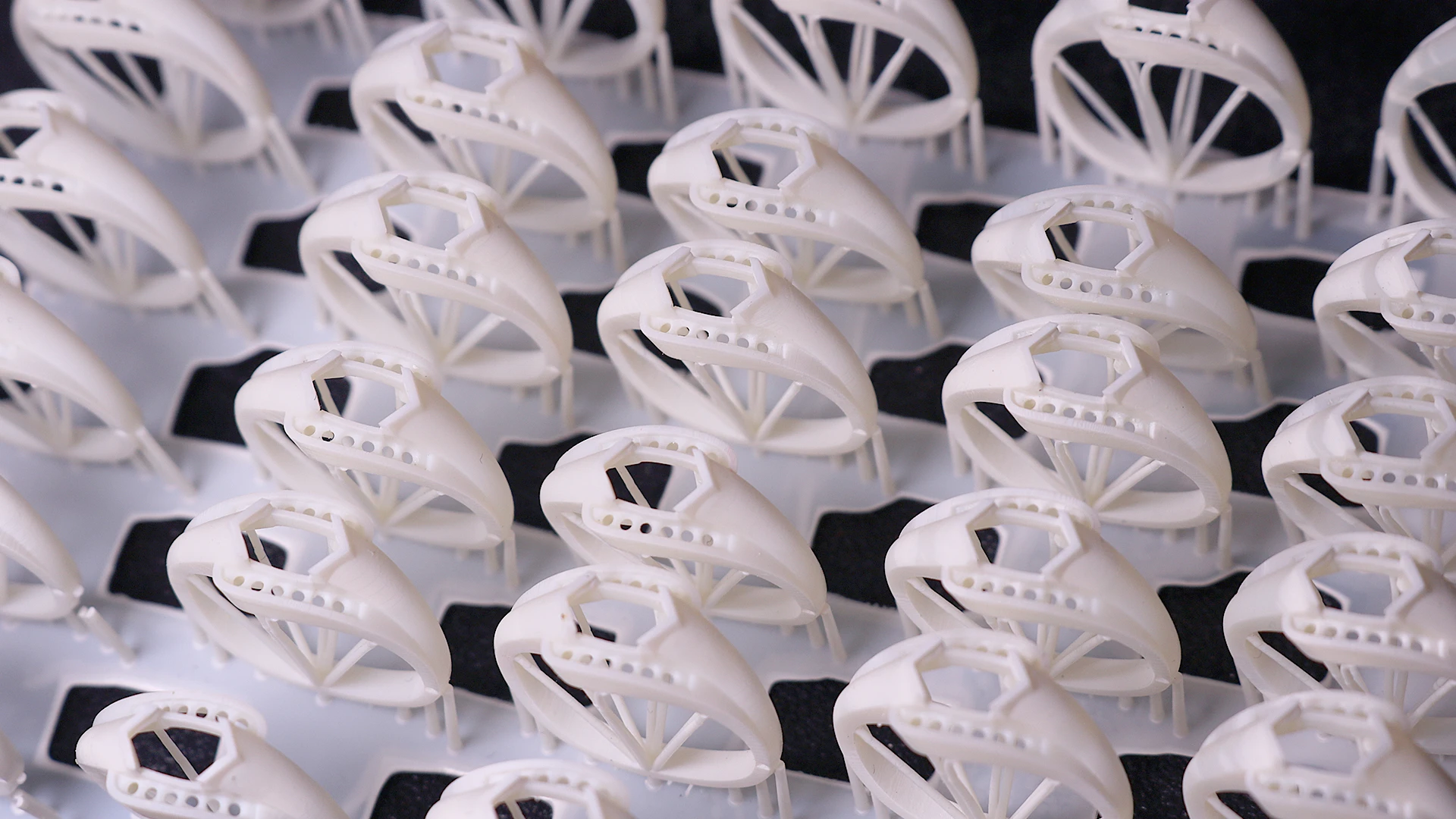
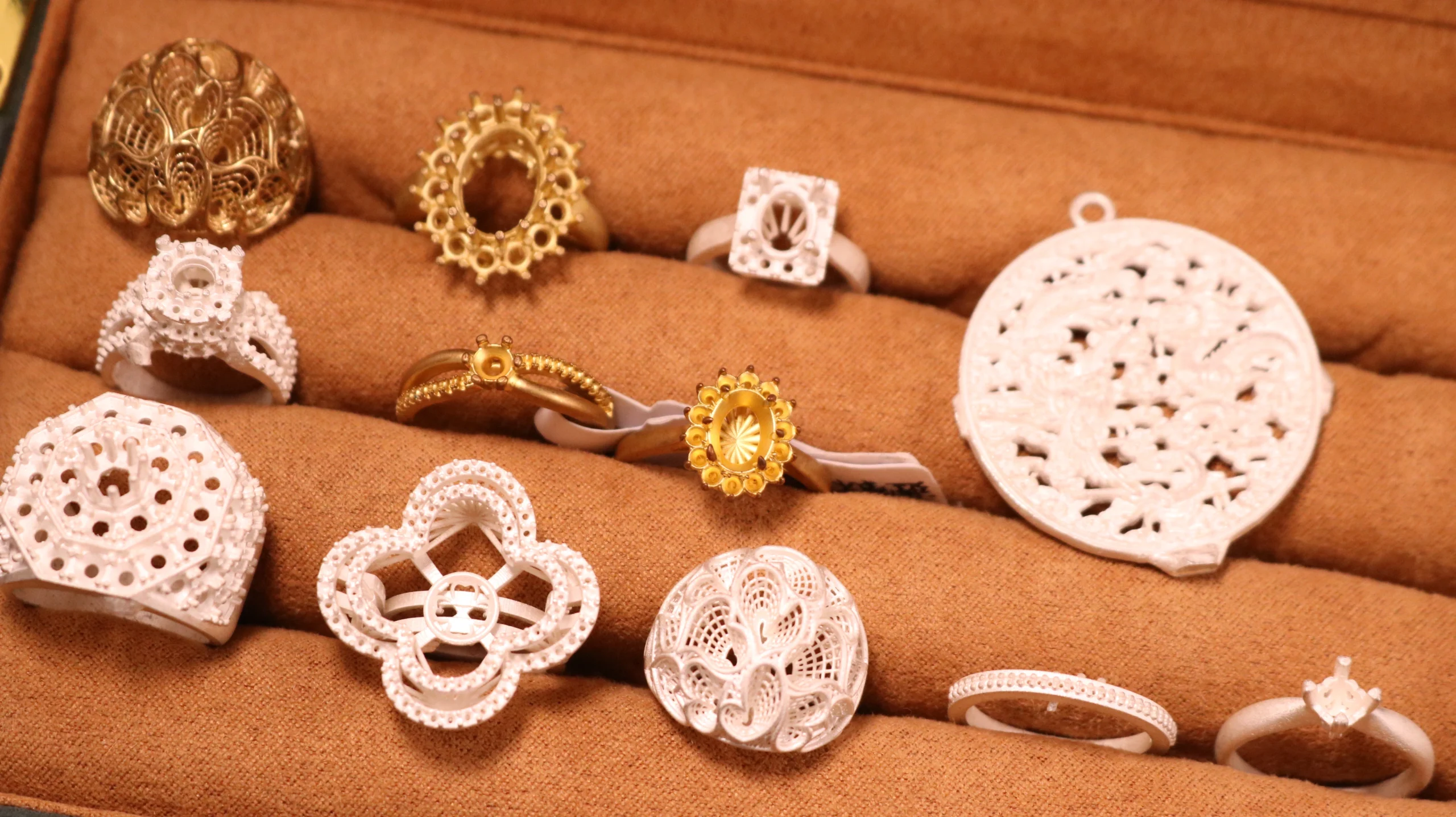
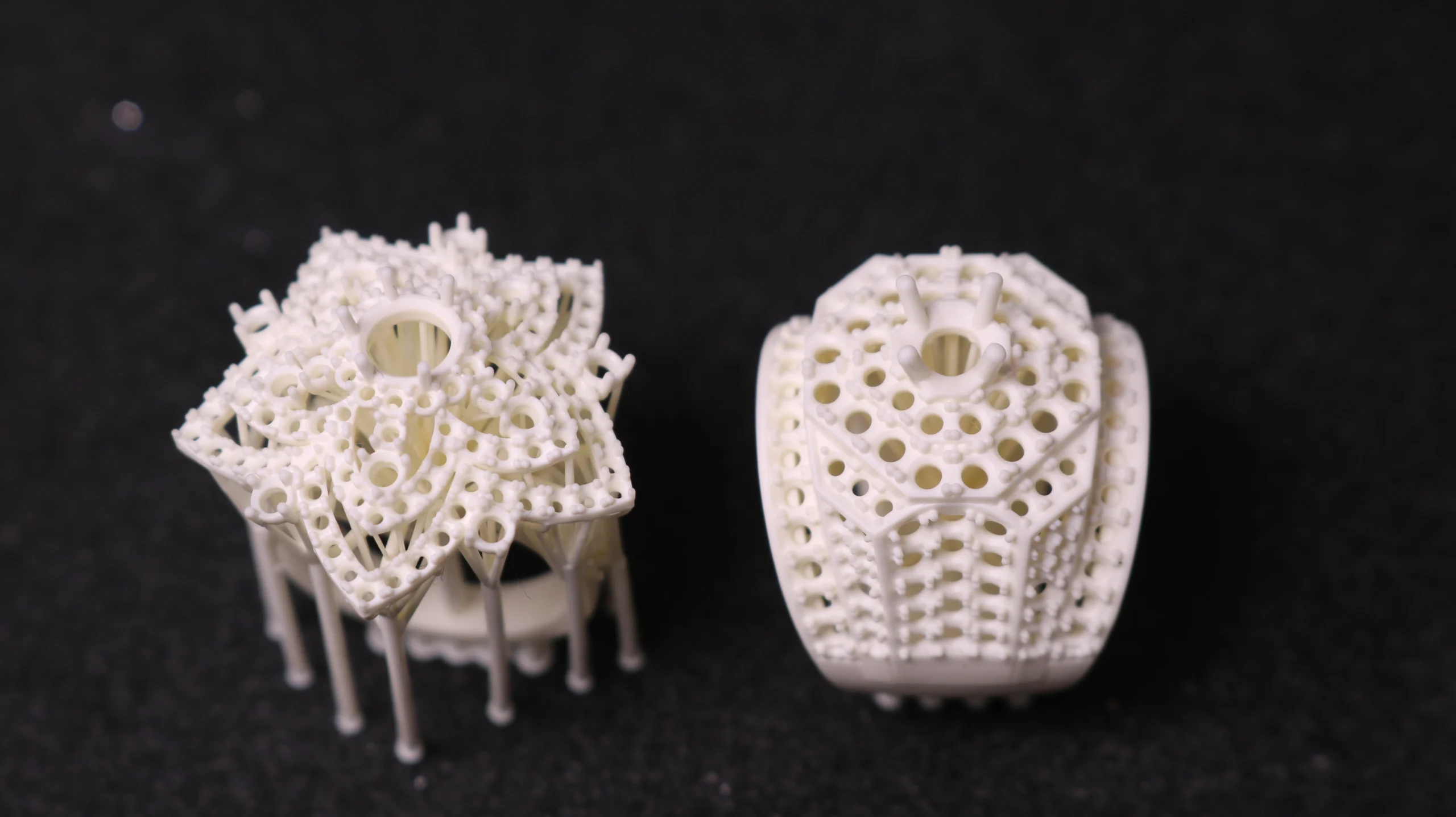
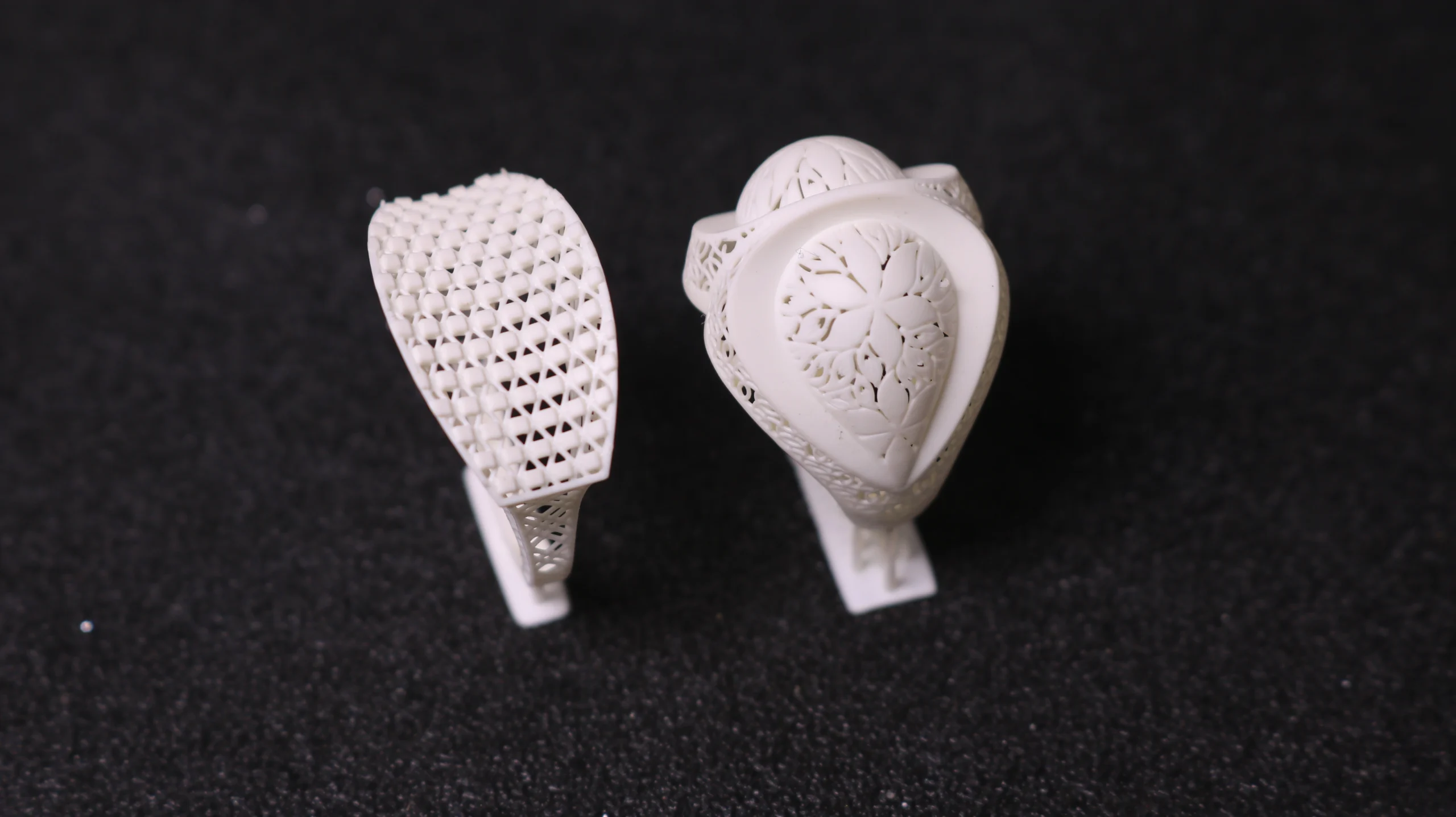
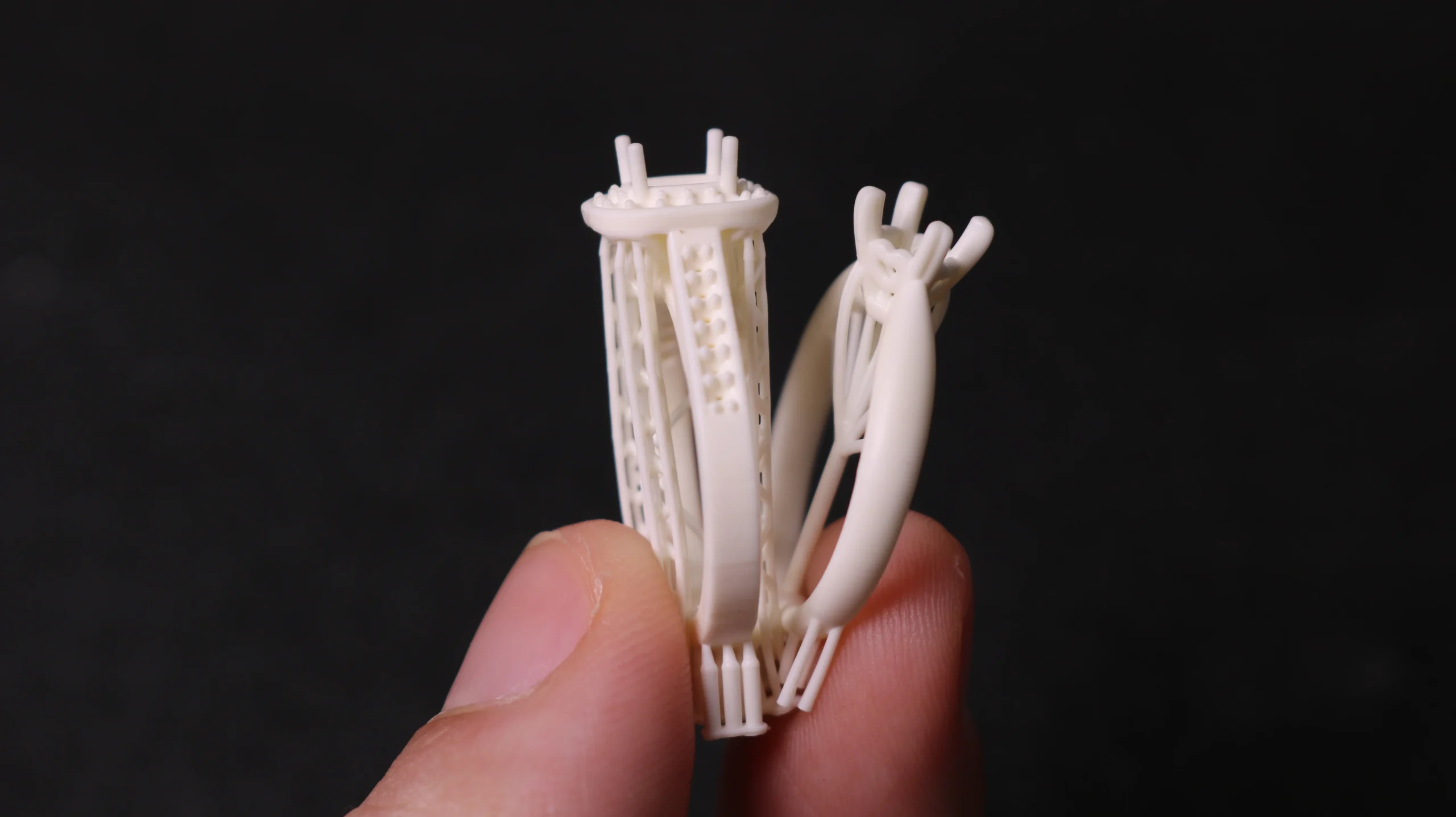
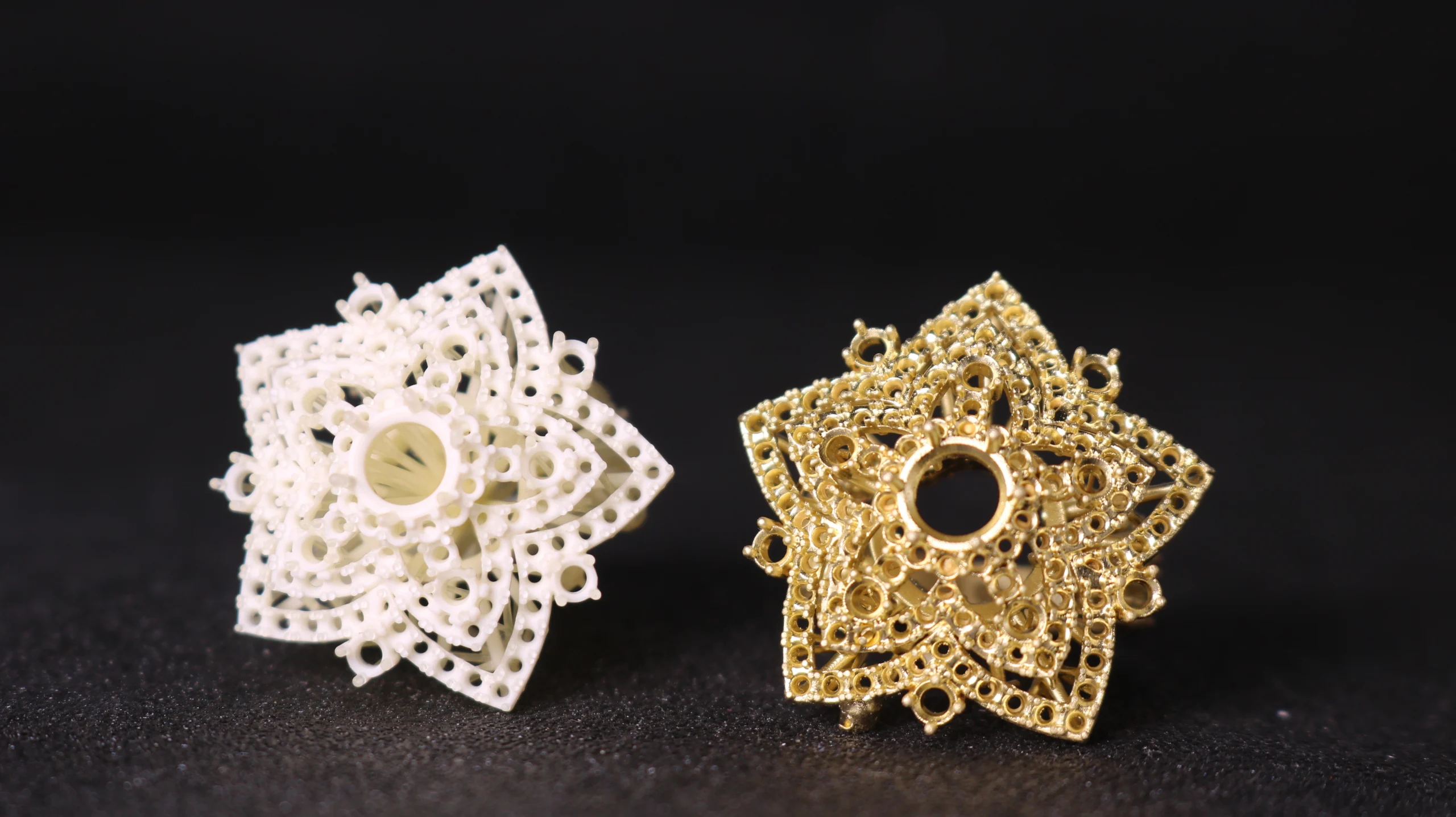
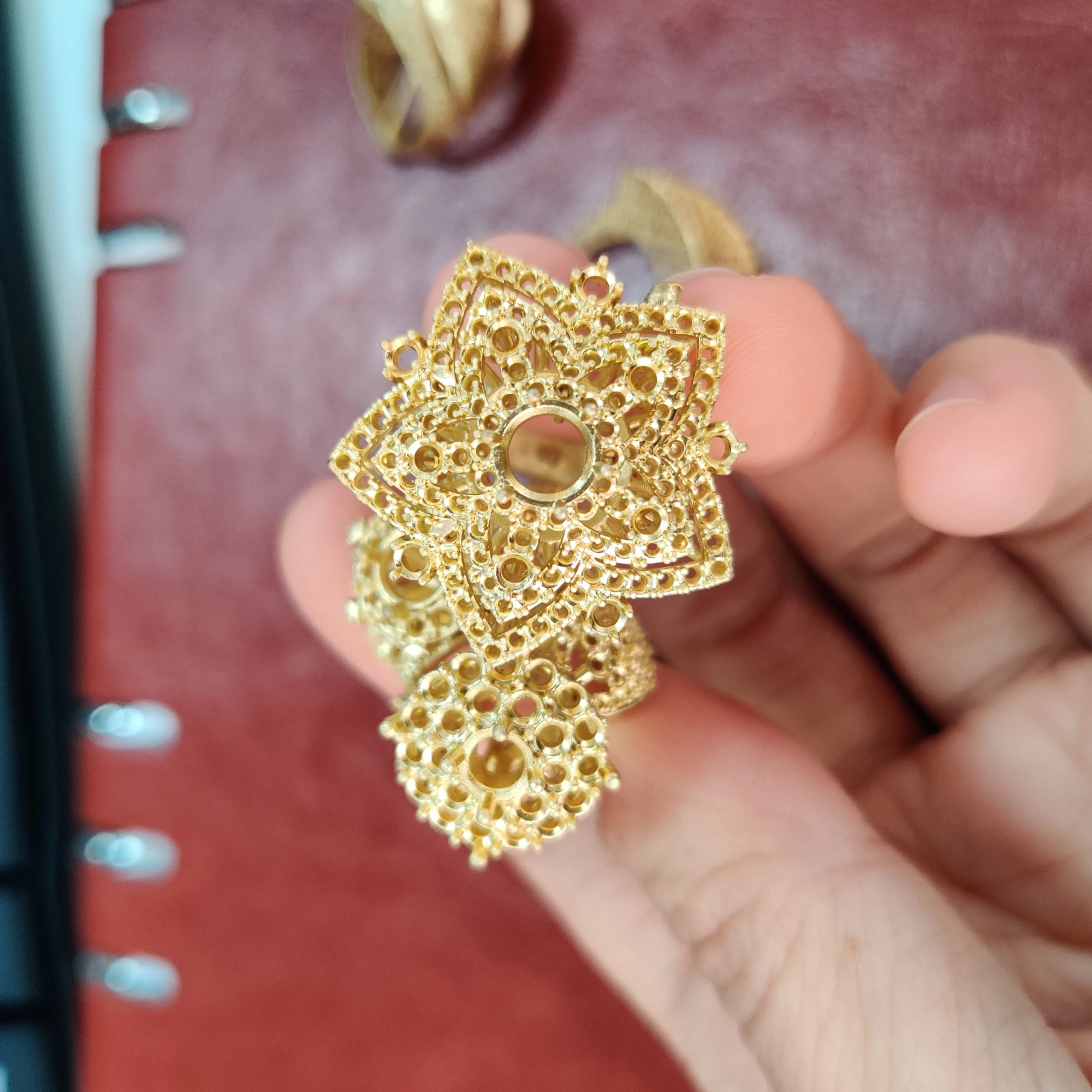
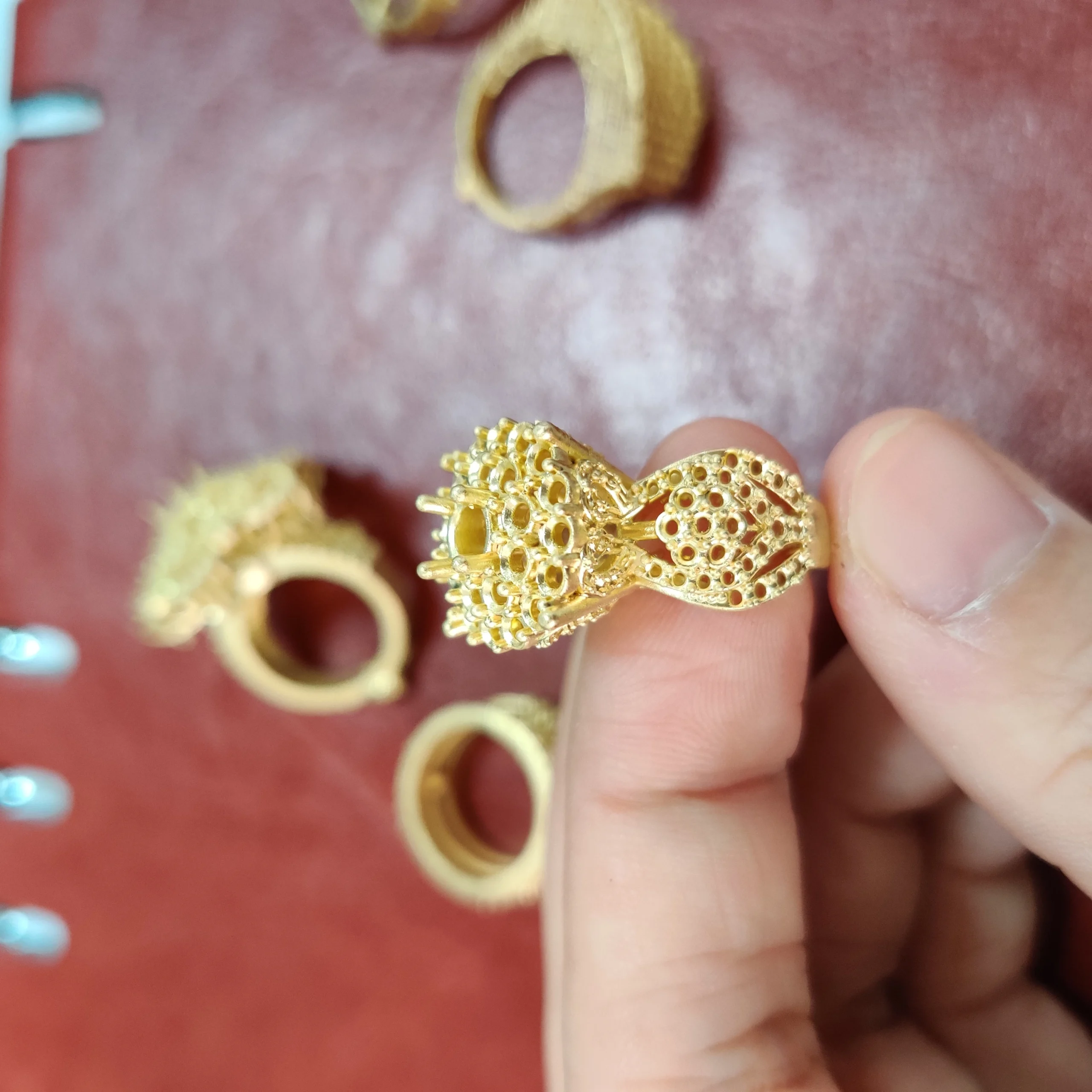
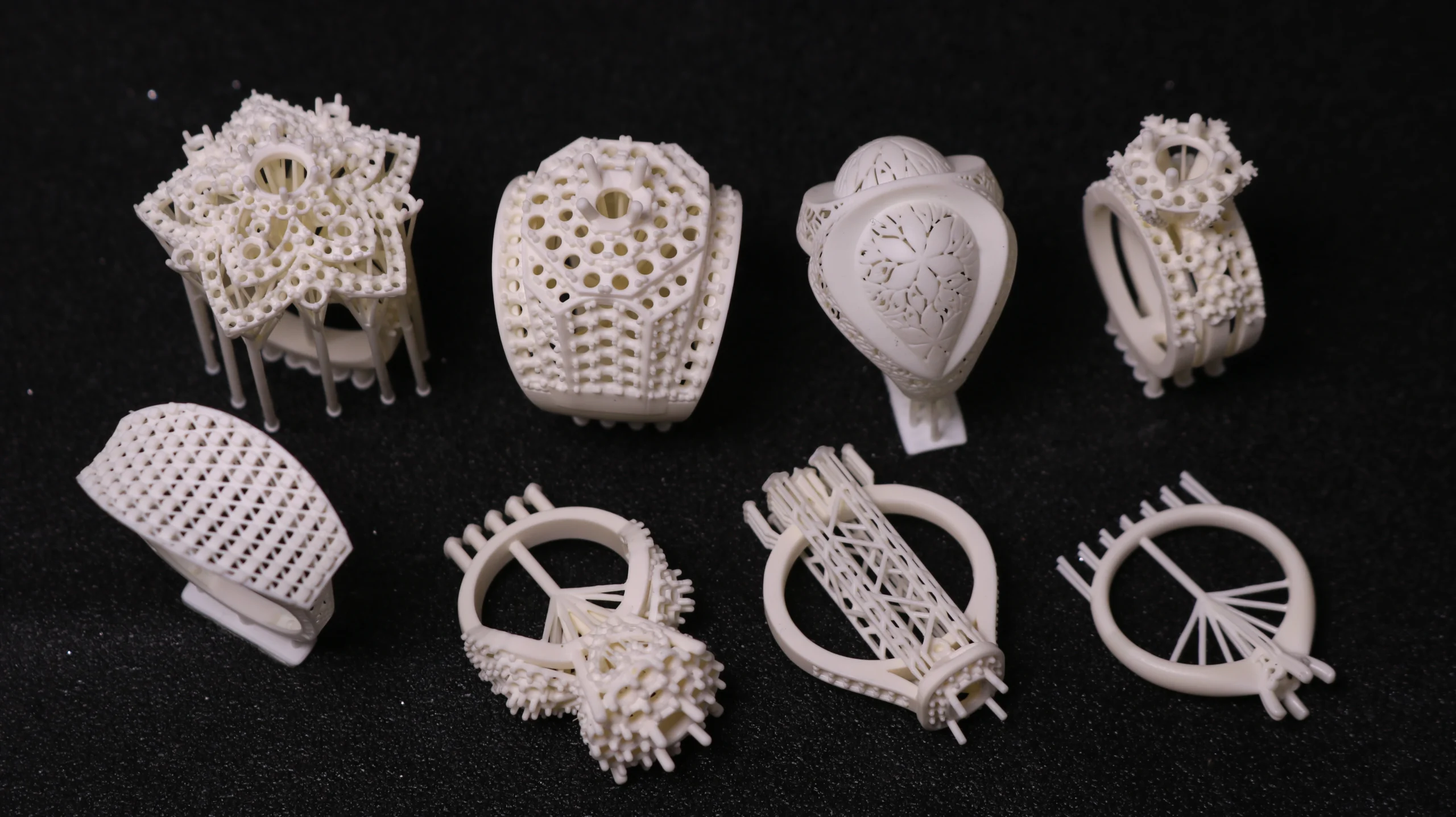
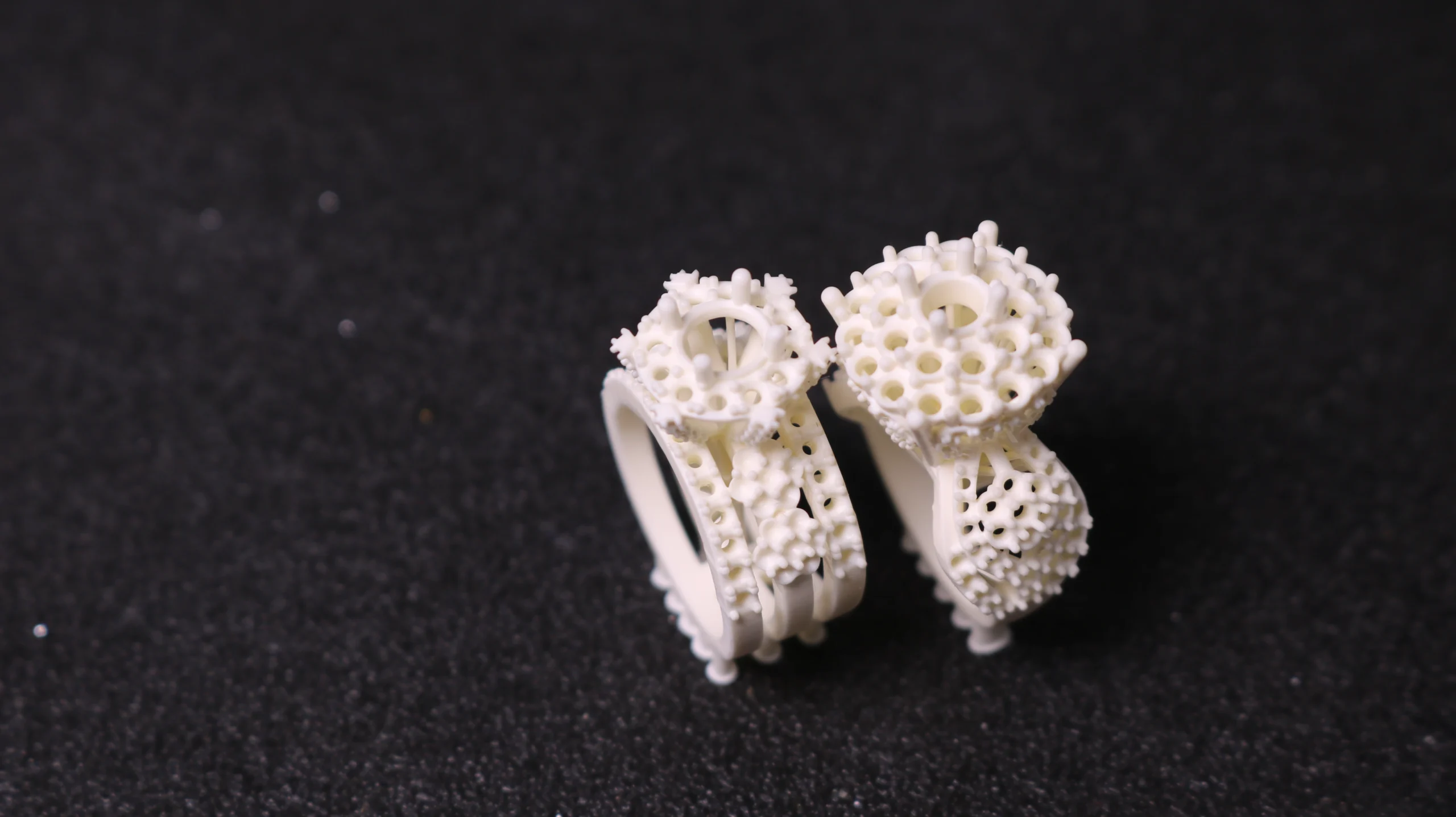
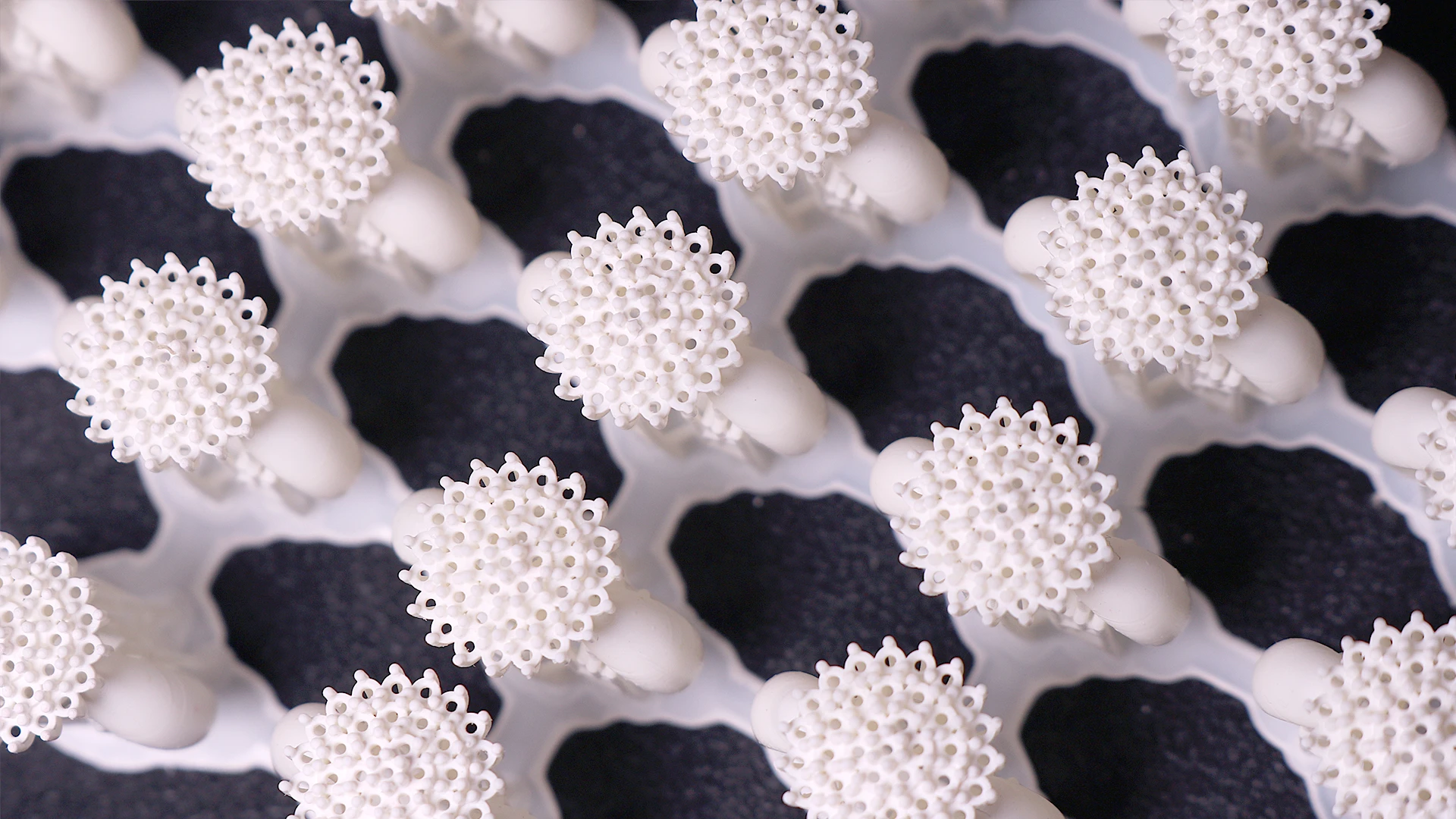
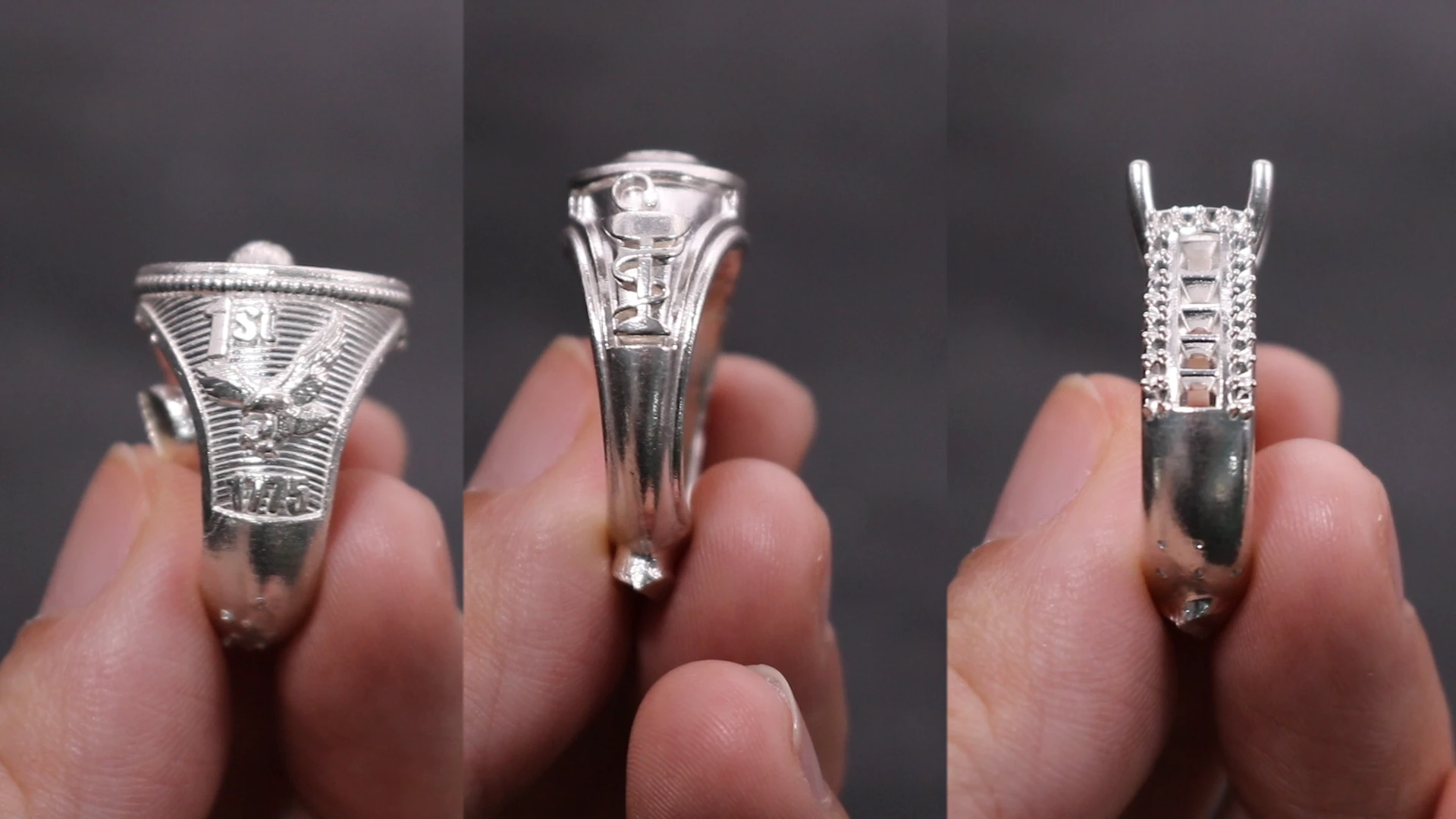
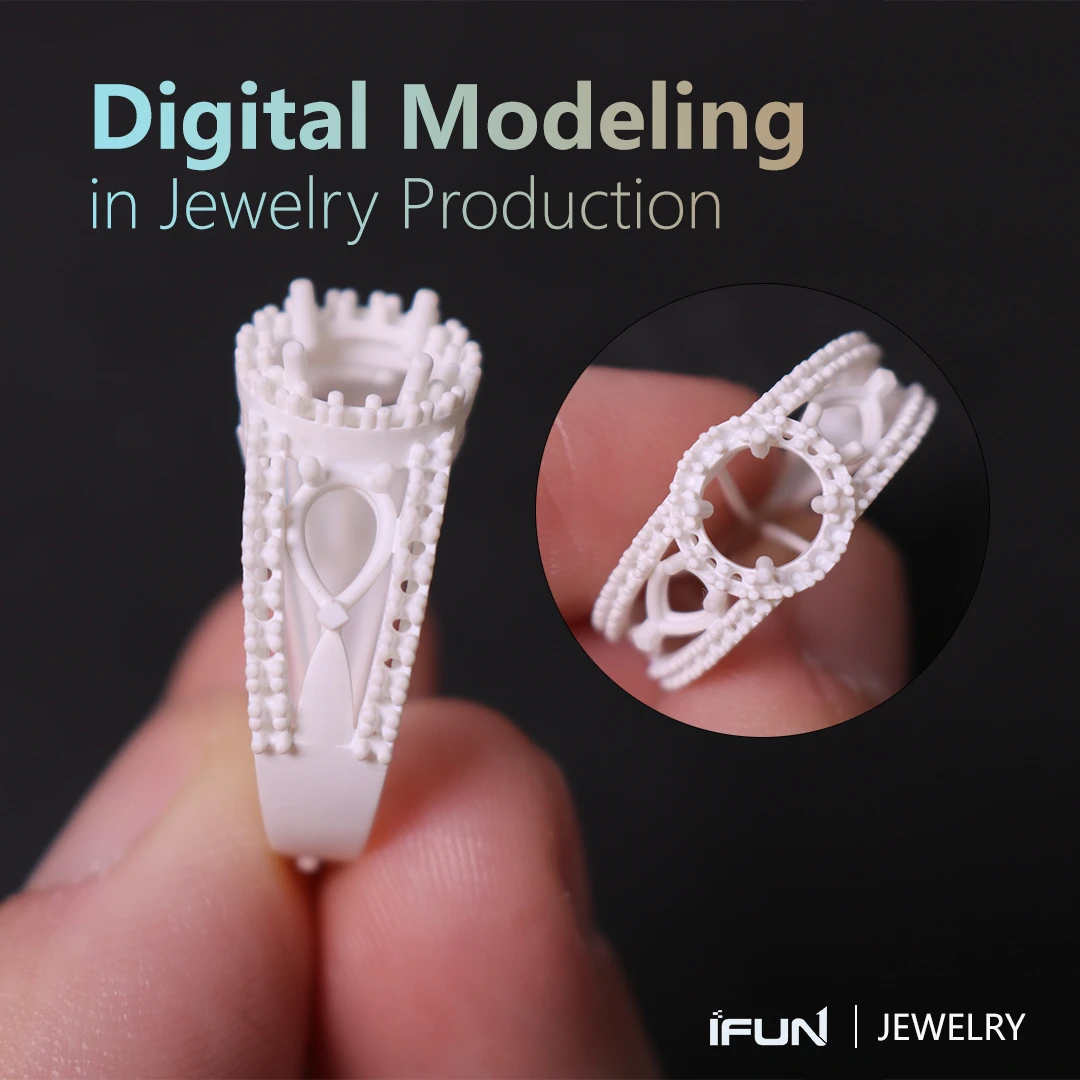
Explore 3D printed resin patterns, burnout flasks, and finished cast jewelry.


Related Products & Solutions
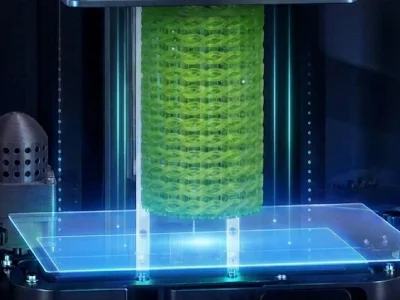
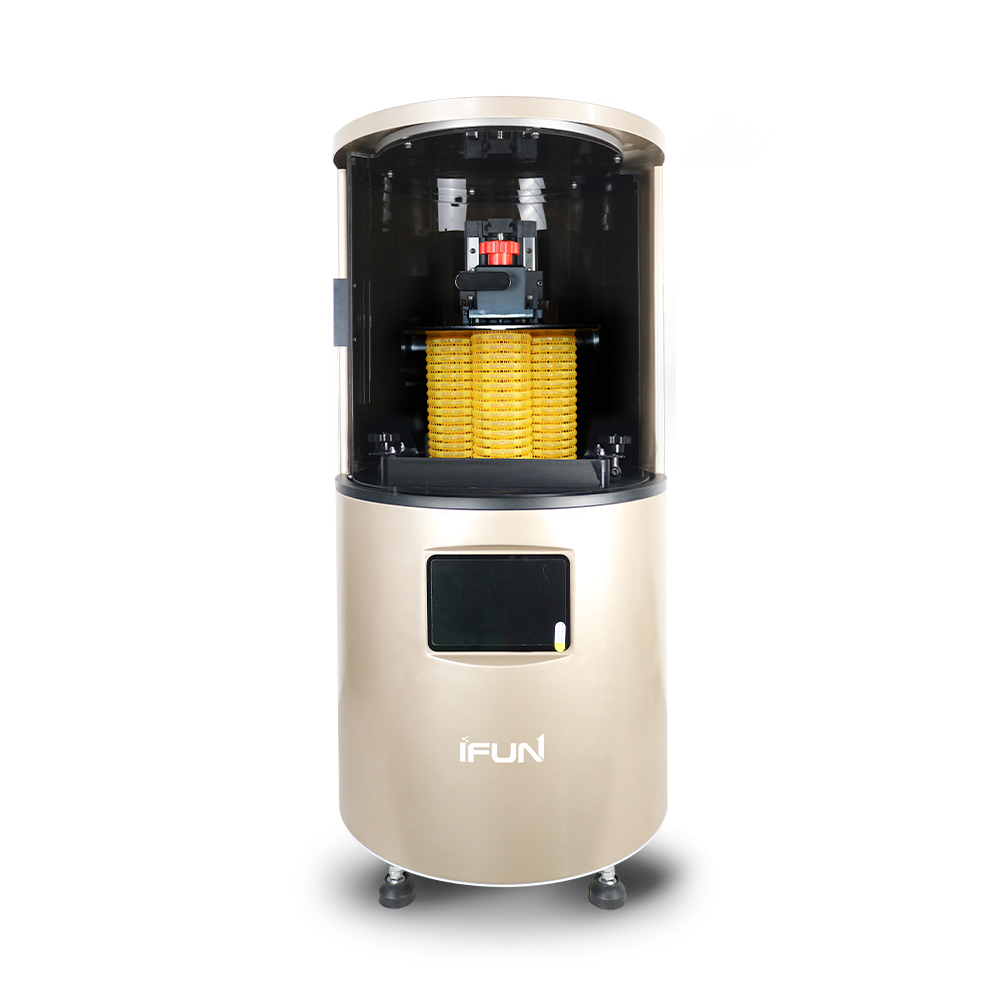
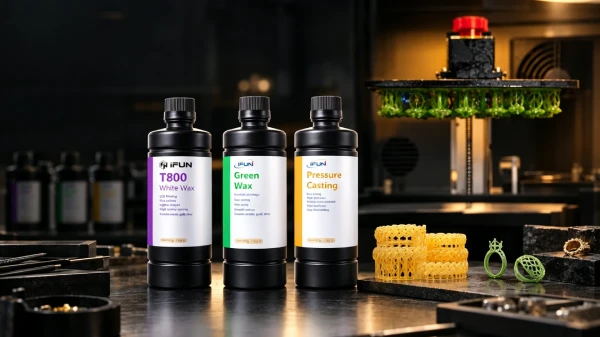
Discover high-performance 3D printing equipment, specialized resins, and end-to-end digital solutions tailored to your manufacturing needs.
Get an Instant Quote for Your 3D Printing Setup
Connect with our application engineers to select the ideal 3D printer (Resin/Wax) and materials (Dental/Jewelry) for your production, complete with unit cost calculations and a customized proposal.
Need a Faster Response?
Chat directly with our sales engineers on WhatsApp for quick price estimates, resin matching, or bulk ordering details.
