
High-Wax Castable Resin 900D for Jewelry LCD Investment Casting
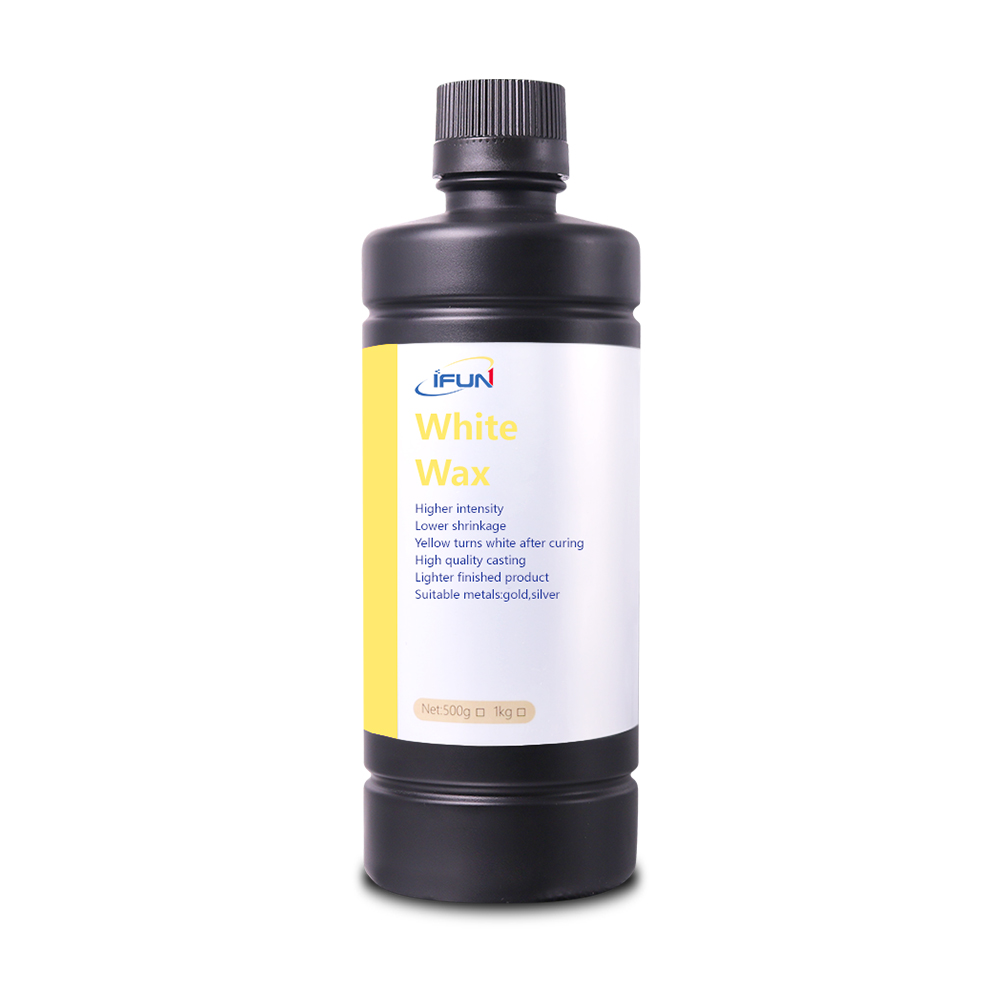
High-wax castable resins traditionally required expensive, specialized DLP machinery, creating a significant cost barrier for high-volume jewelry production. White Wax Resin 900D eliminates this restriction by delivering high-wax casting performance optimized directly for accessible LCD 3D printers. Engineered for exceptional accuracy with low thermal expansion and 0.8% volumetric shrinkage, 900D achieves clean, ash-free burnout. It delivers production-ready surface detail that minimizes manual polishing and rework, streamlining gold and silver investment casting.
Engineered for Industrial Repeatability
Overcoming the limitations of traditional resin 3D printing with precision optical hardware and robust closed-loop motion systems.
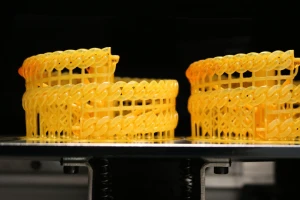
Universal 405nm LCD & MSLA Compatibility
Formulated with a high-reactivity photo-initiator system, this resin is fully optimized for standard 405nm LCD and MSLA 3D printers. It eliminates the need for expensive DLP hardware or specialized film vats, enabling jewelry studios to produce reliable high-wax patterns on accessible desktop equipment without sacrificing casting performance.
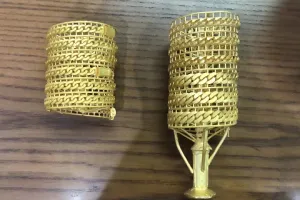
1.128 g/cm³ Density for Precise Metal Calculation
Featuring a stabilized cured density of 1.128 g/cm³, this resin provides a reliable baseline for gold and silver conversion calculations. Jewelers can accurately compute the exact volume of precious metal required per flask, eliminating raw material over-budgeting, incomplete fill risks, and excessive metal inventory tie-up.
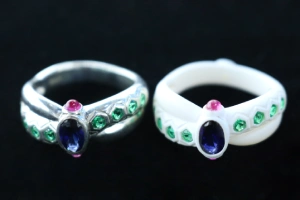
Low Thermal Expansion & Ash-Free Burnout
Combining high wax content with a low coefficient of thermal expansion (CTE), this resin expands minimally during heating to prevent investment mold cracking. It combusts completely without leaving ash residue, eliminating surface porosity and metal inclusions for high-yield lost-wax casting results.
Ultra-Low Volumetric Shrinkage (≤0.8%) for Precise Assembly
Engineered with volumetric shrinkage controlled to ≤0.8%, this resin preserves exact CAD geometry, sharp prong definition, and consistent inner ring dimensions. This dimensional stability prevents distortion in delicate shanks and guarantees accurate stone seating, eliminating manual post-print fitting.
Technical Performance Matrix
Verified parameters and testing protocols for jewelry casting validation.
| Content | Data value | Testing method |
|---|---|---|
| color | Yellow | – |
| Viscosity | 260 cps(25℃) | ASTM D1084-1997 |
| Density | 1.128g/cm³ | ASM D1875-69(1980) |
| Shrinkage | ≤0.8% | Capillary method |
| Hardness | 47D | ASTM D2240 05(2010) |
Engineering Notes & Technical Interpretation
Technical breakdown of how 900D’s high-wax formulation and LCD accessibility maximize first-pass casting yield while lowering metal costs.
Why is LCD compatibility significant for high-wax castable resins?
Historically, high-wax resins required high light intensity and collimated exposure typical of expensive DLP systems to ensure complete curing and prevent printing failures. White Wax Resin 900D overcomes this photopolymerization barrier through a highly reactive photopolymer blend engineered specifically for 405nm LCD light sources. This enables jewelry manufacturers to scale production capacity using standard, cost-effective LCD 3D printers without investing in proprietary DLP hardware.
How does a stabilized density (1.128 g/cm³) optimize casting costs?
Precious metal requirement calculations depend directly on the density-to-volume ratio of the cured pattern. Featuring a stabilized cured density of 1.128 g/cm³, 900D provides jewelers with an exact, repeatable metal conversion factor. This allows precise calculation of the gold or silver needed per casting flask, eliminating expensive precious metal over-budgeting, reducing inventory tie-up, and preventing short-pour defects caused by underestimation.
Why does low viscosity (260 cps) improve print success rates?
High-viscosity resins flow slowly during printing cycles, creating significant suction resistance during Z-axis lift movement that can bend delicate prongs or cause print detachment. At a low viscosity of 260 cps, 900D flows rapidly across the release film during vat movement. This reduces peel stress, guarantees uniform thin-layer formation, and dramatically improves printing reliability for intricate jewelry geometries.
How does low thermal expansion protect investment molds?
Standard photopolymer resins expand significantly during the initial heating phase before thermal degradation occurs, placing outward hydraulic pressure on the surrounding gypsum mold and causing internal cracking or flashing. 900D exhibits a low coefficient of thermal expansion (CTE), allowing it to burn out smoothly as temperatures rise without exerting destructive force on the investment mold walls.
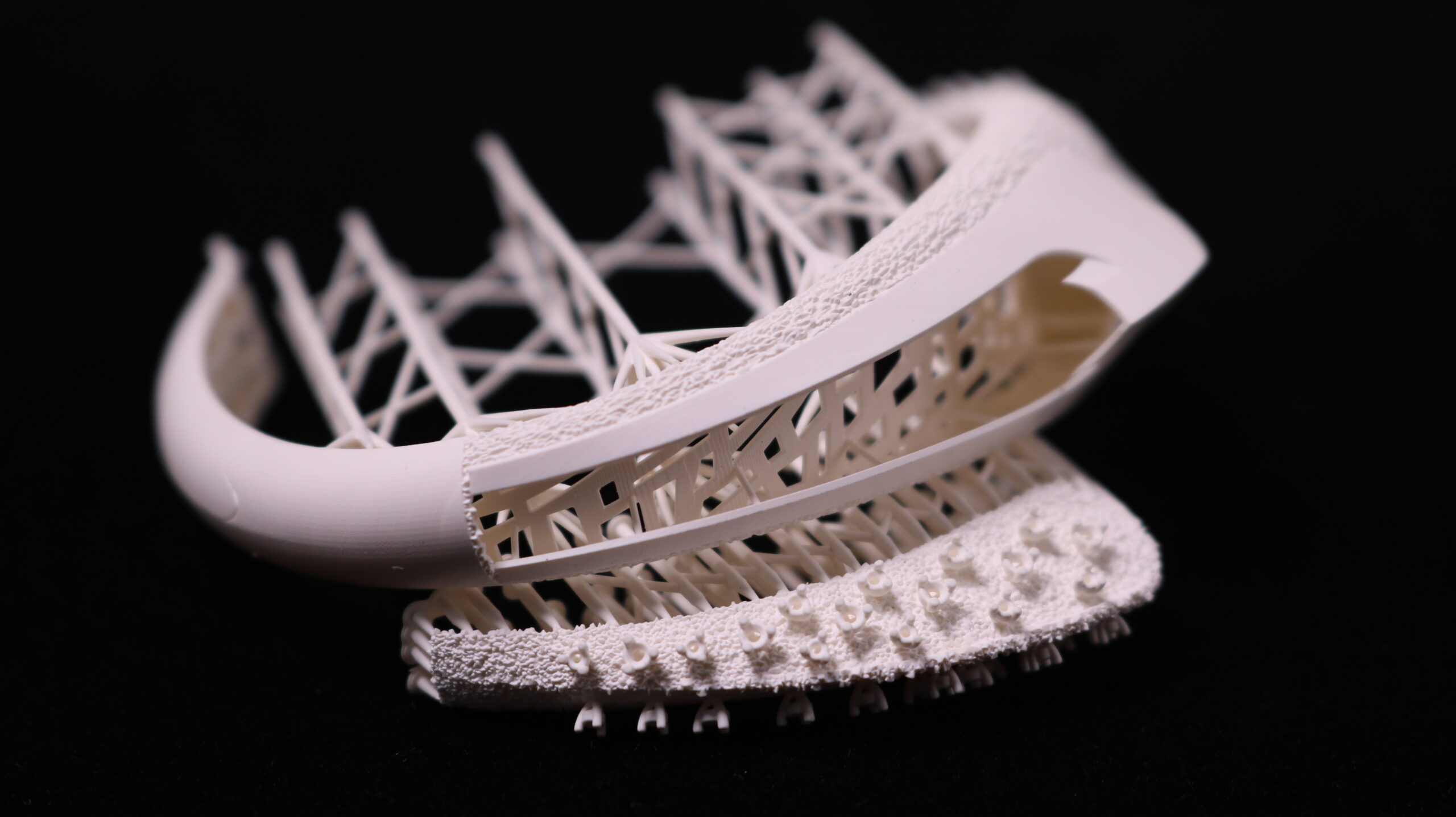
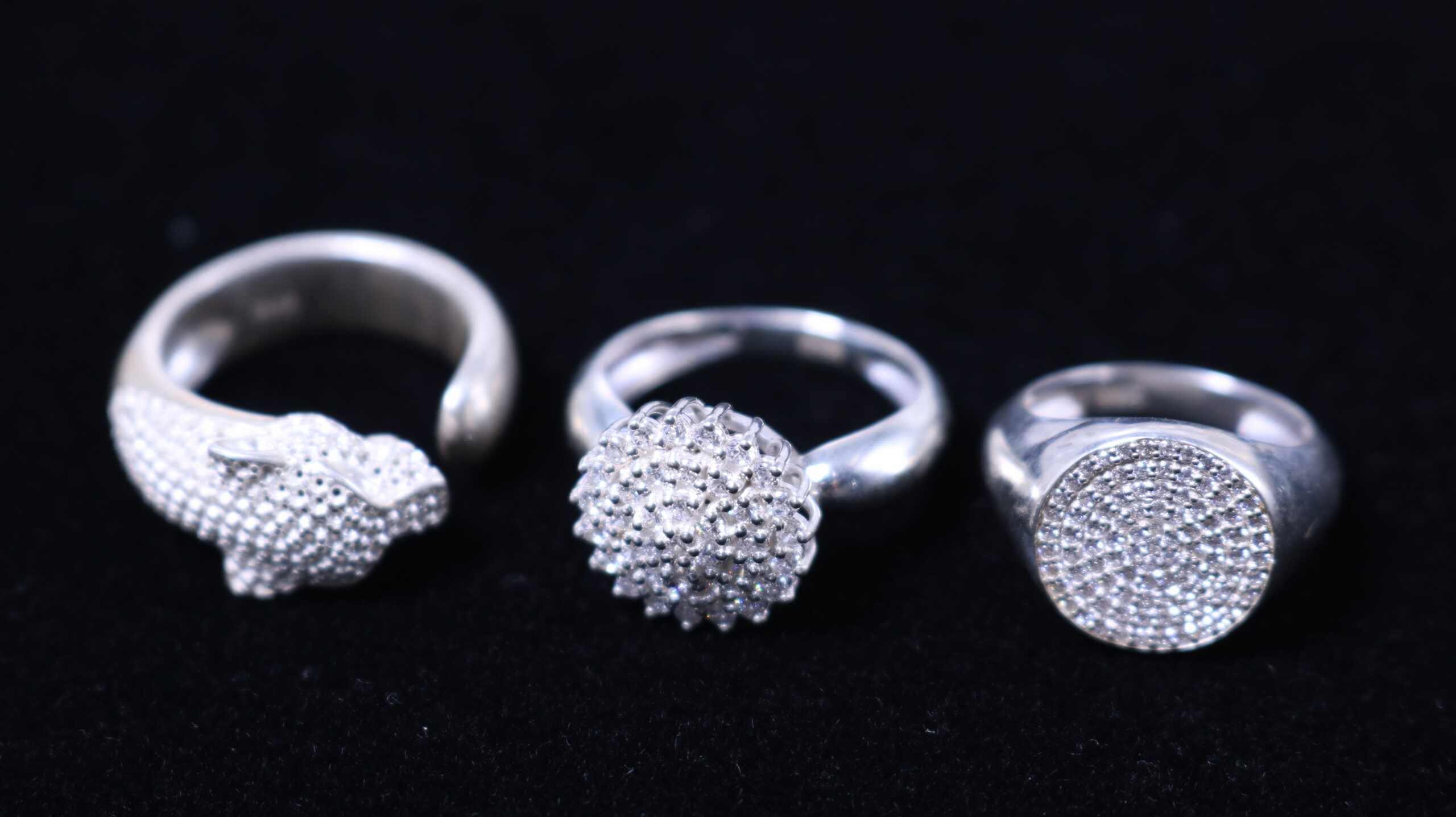
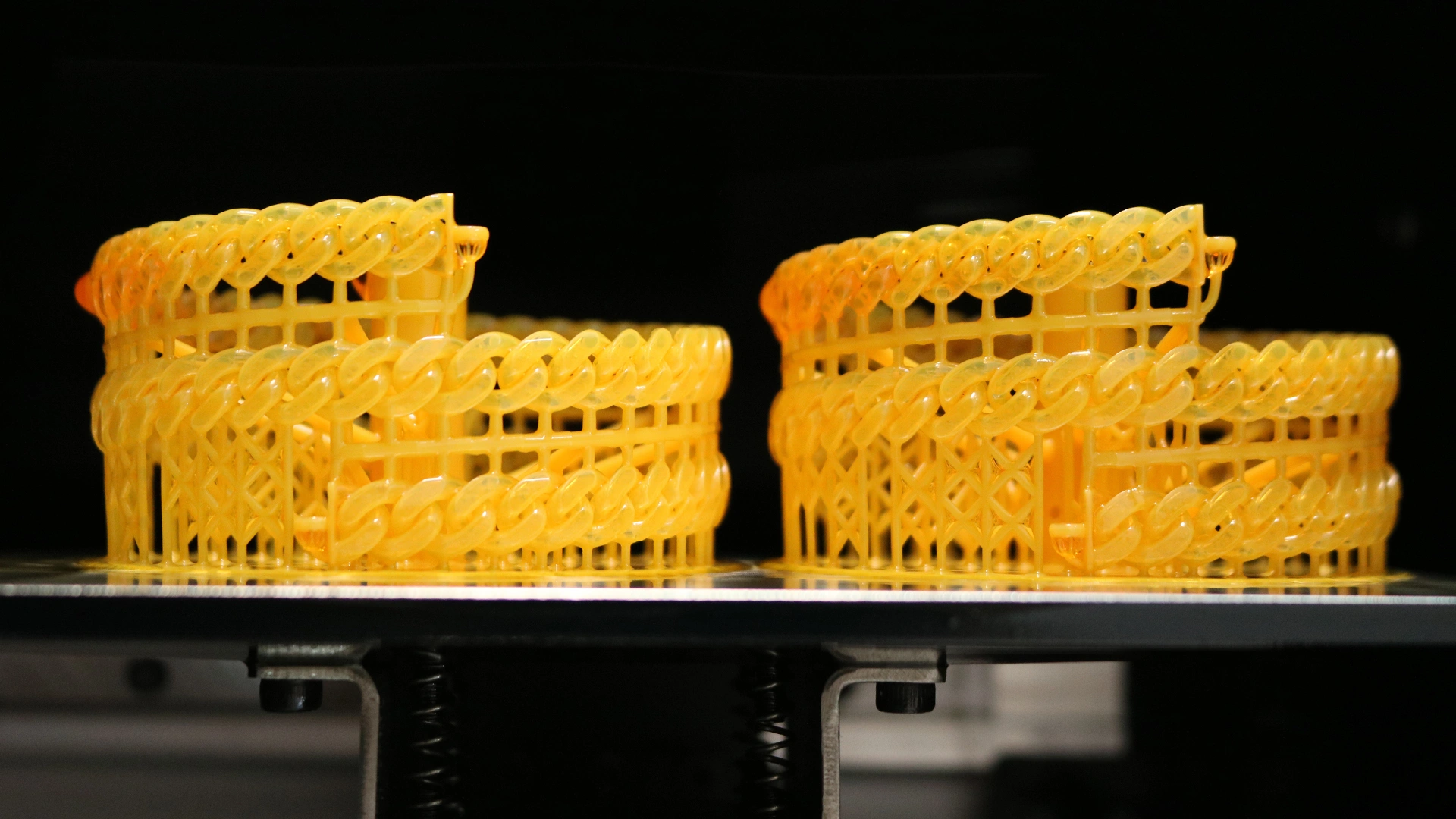
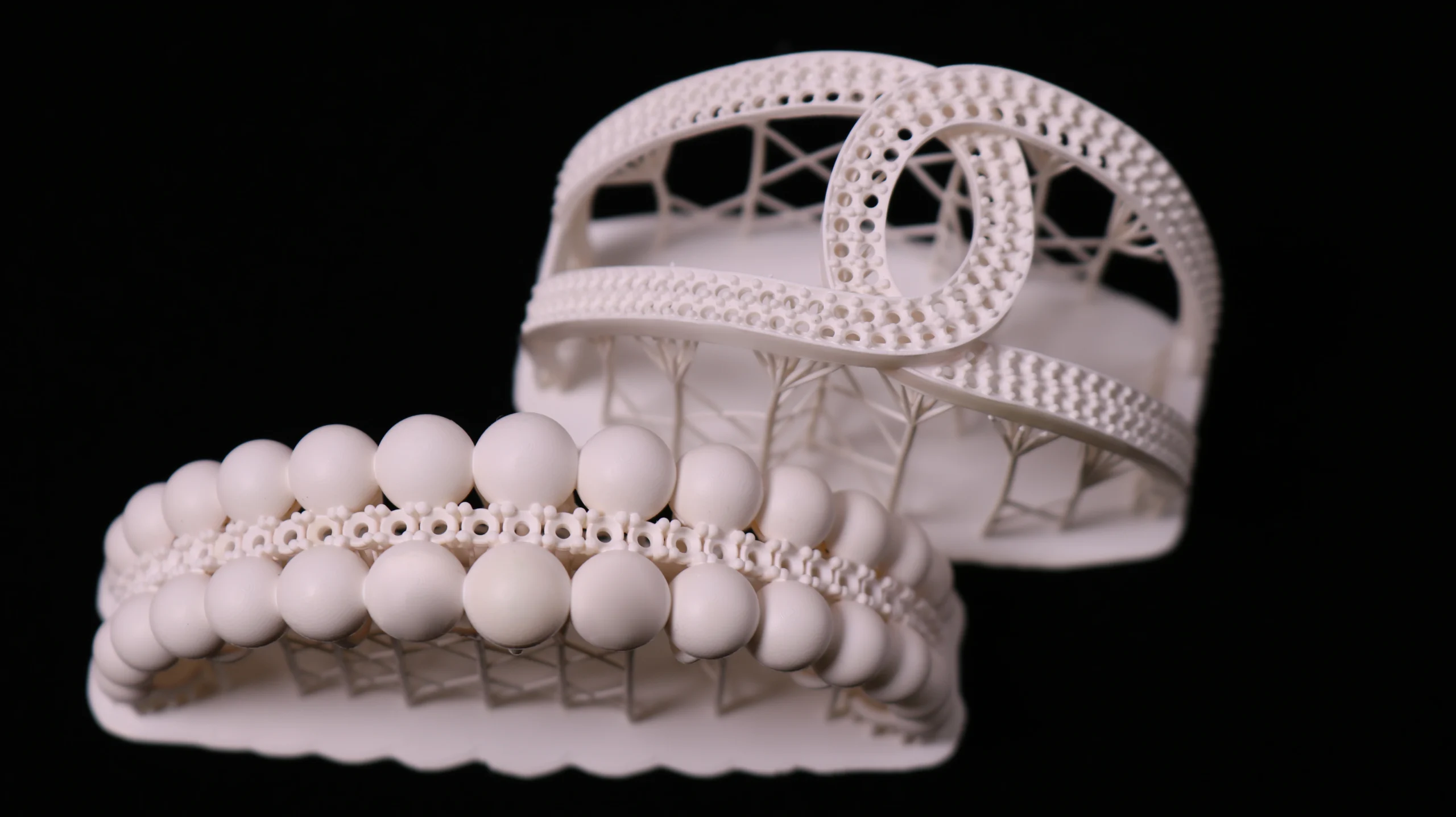
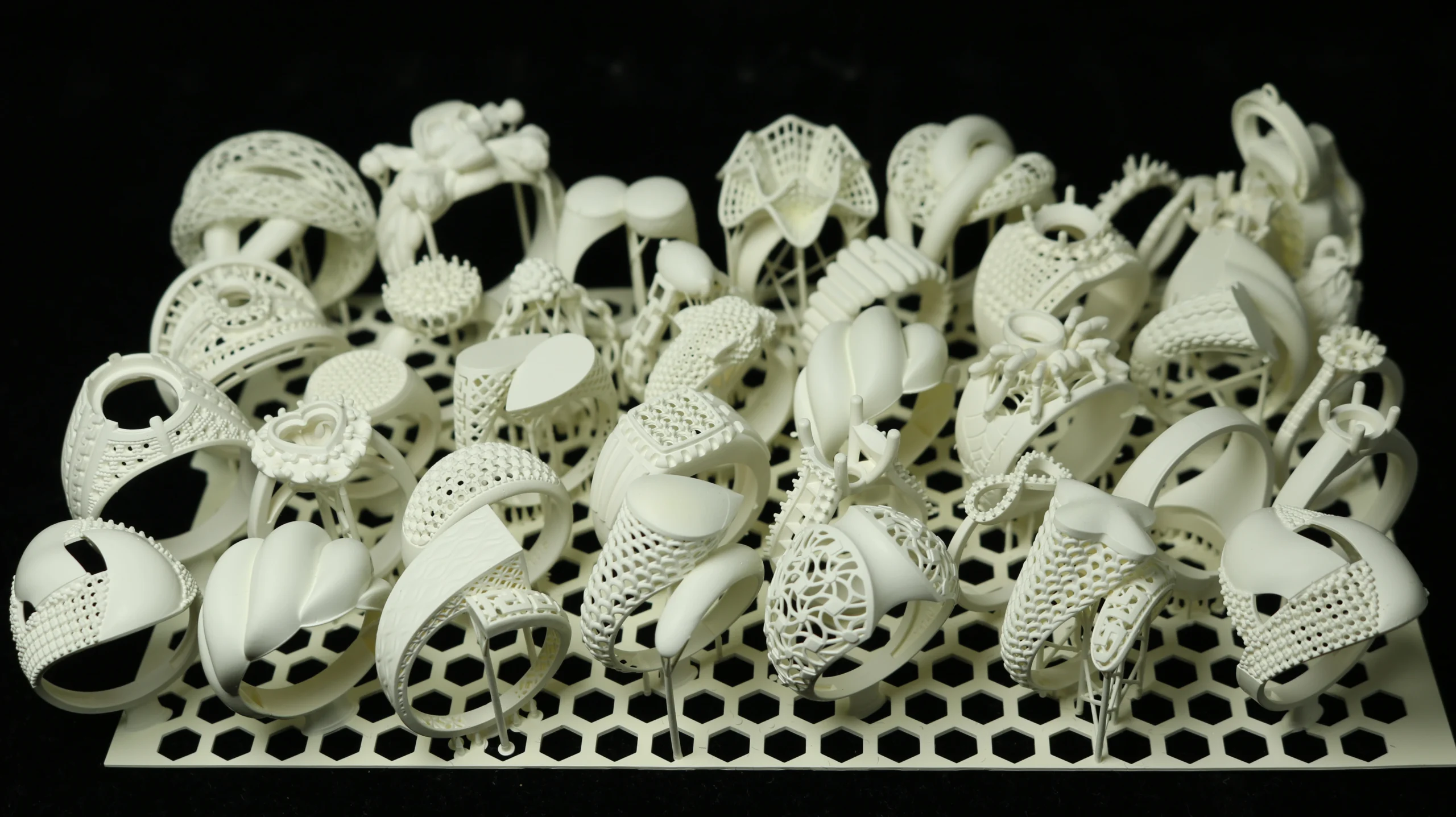
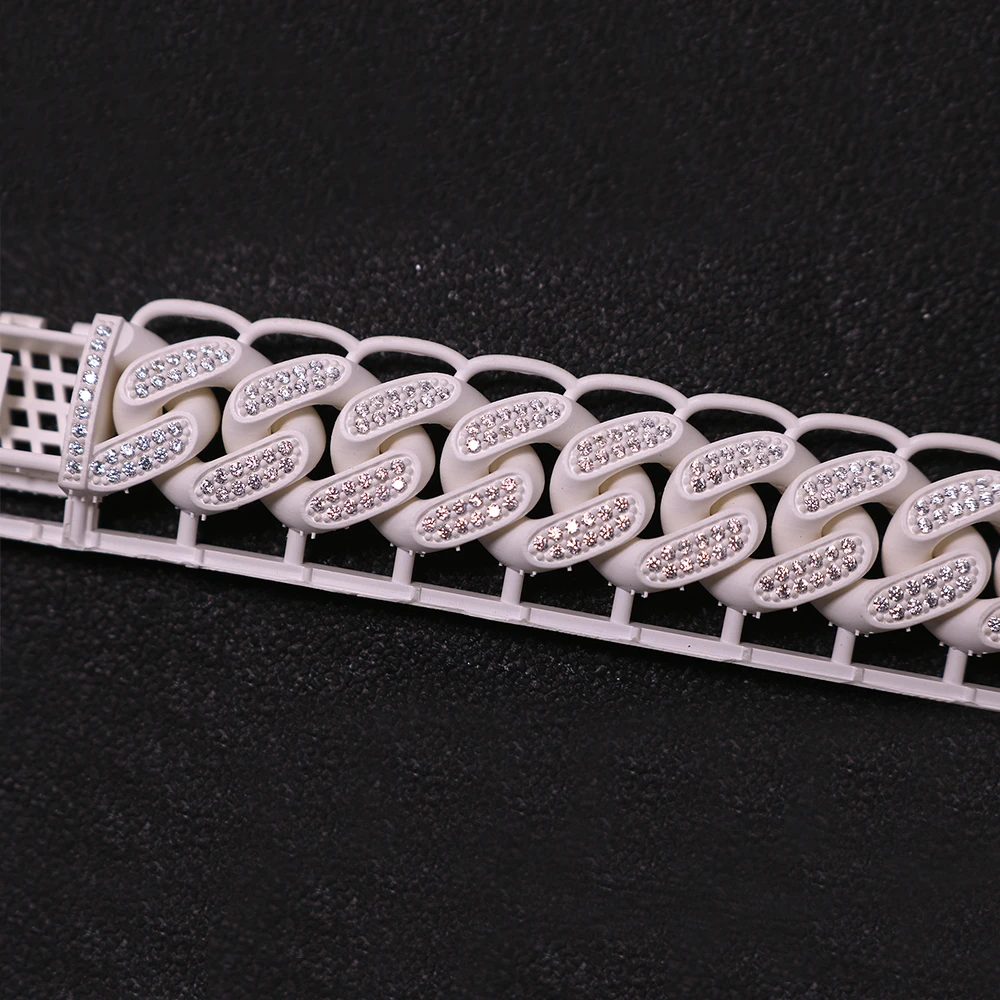
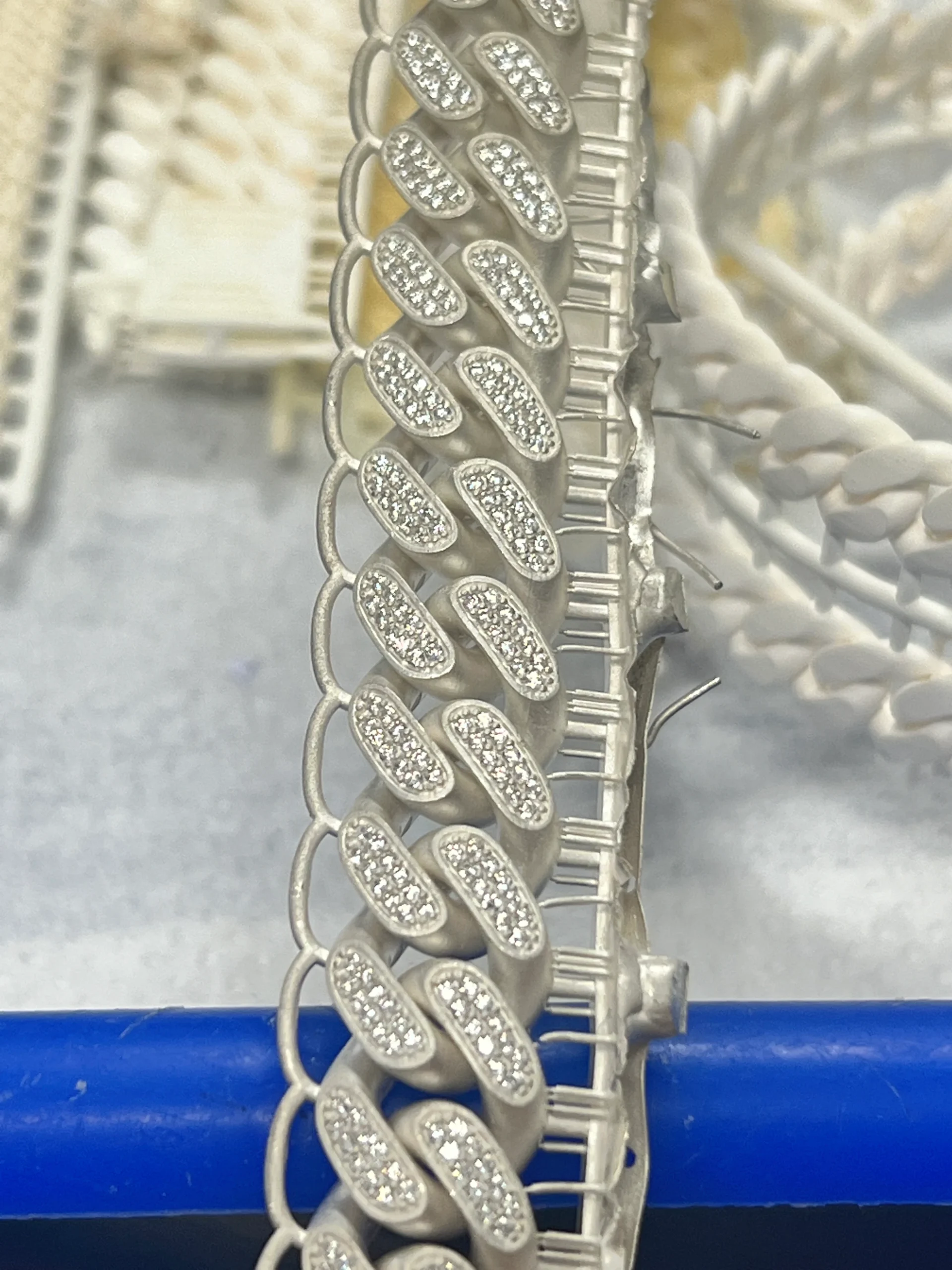
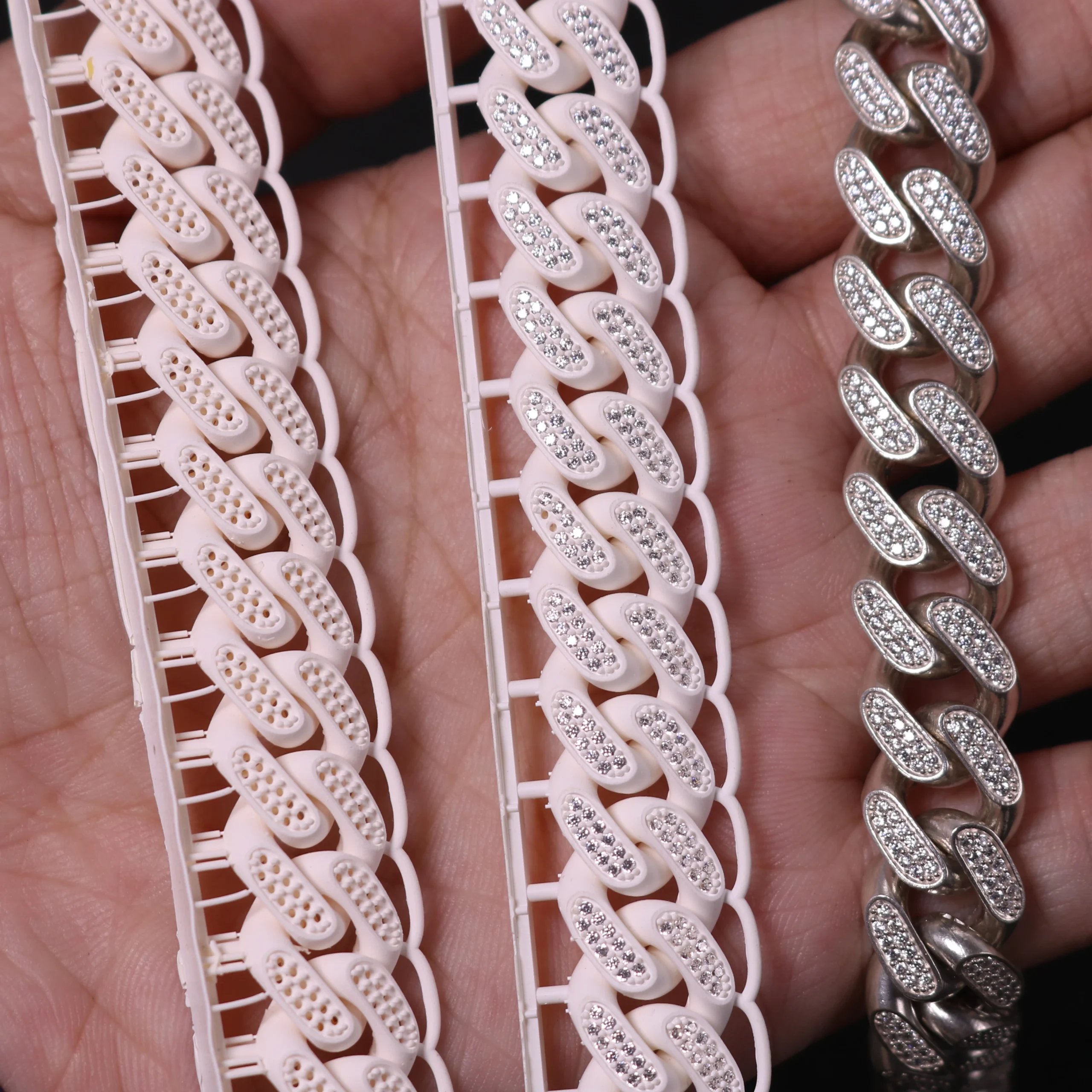
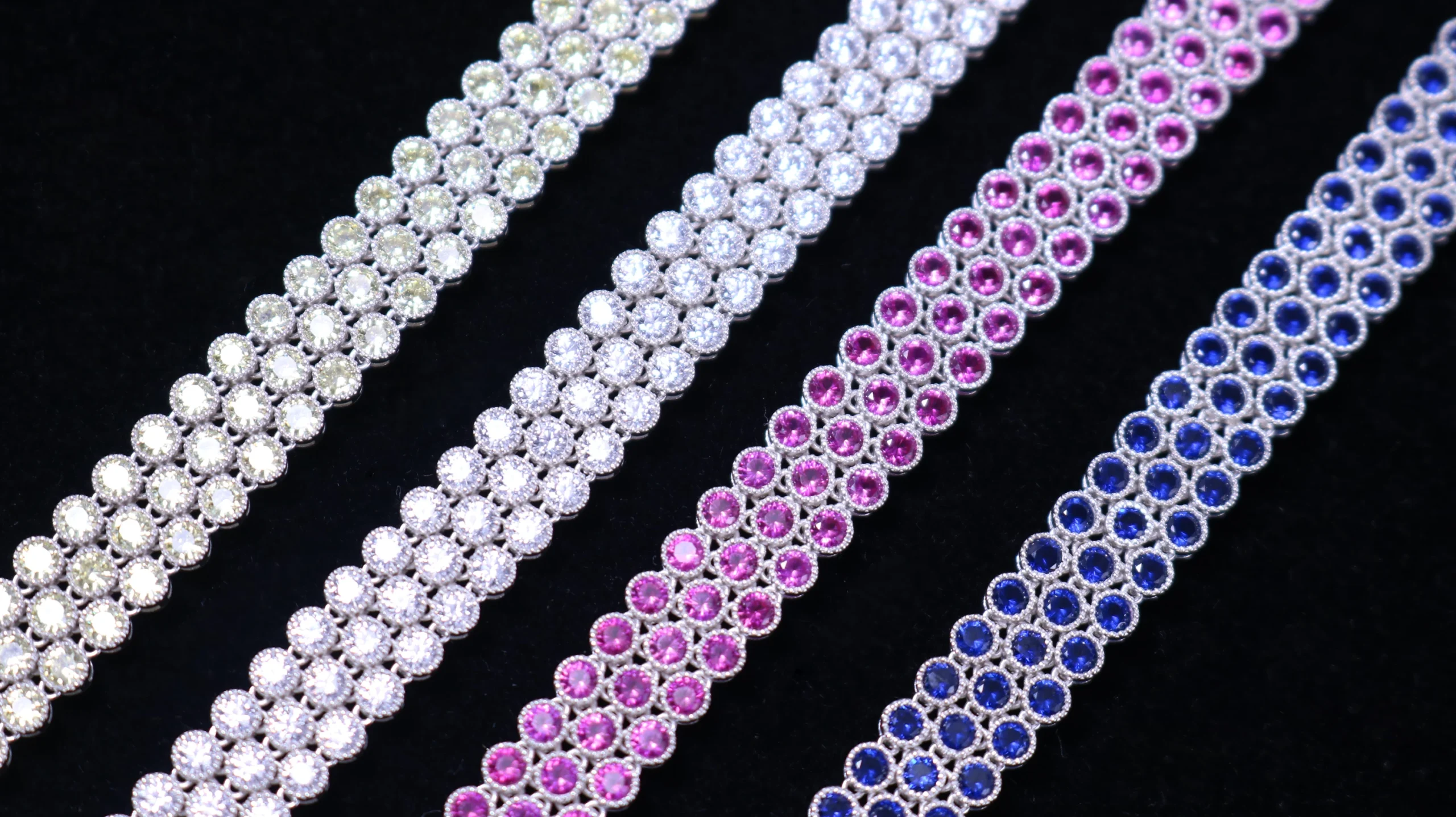
Print & Casting Results
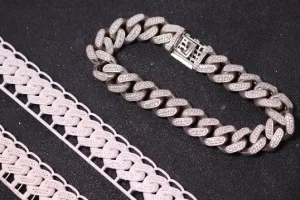
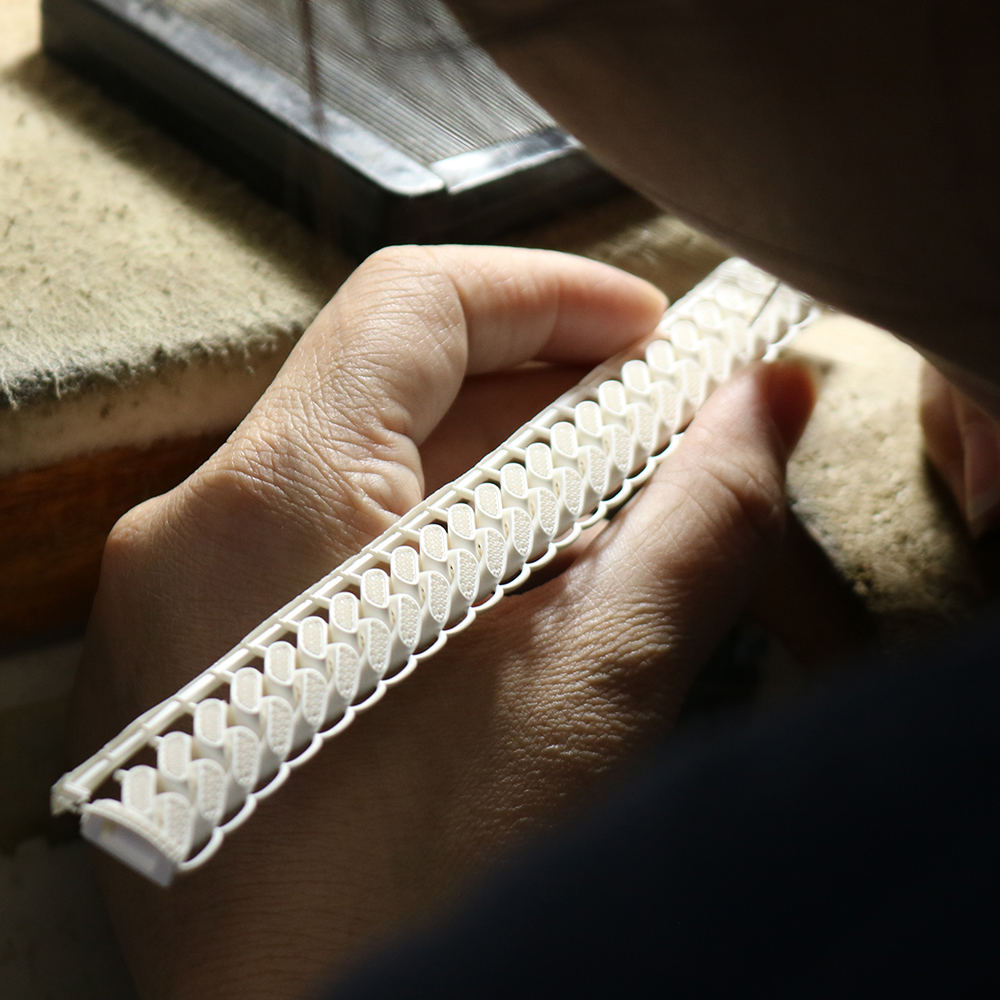
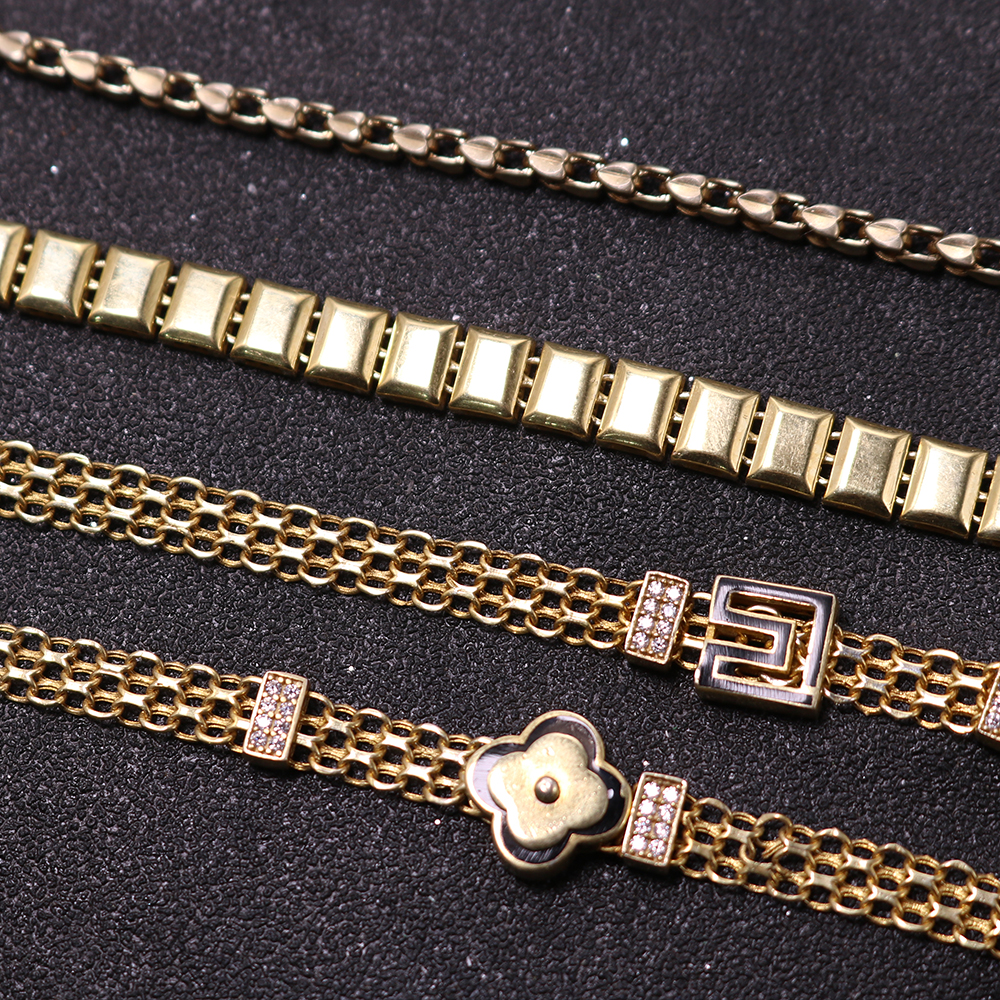
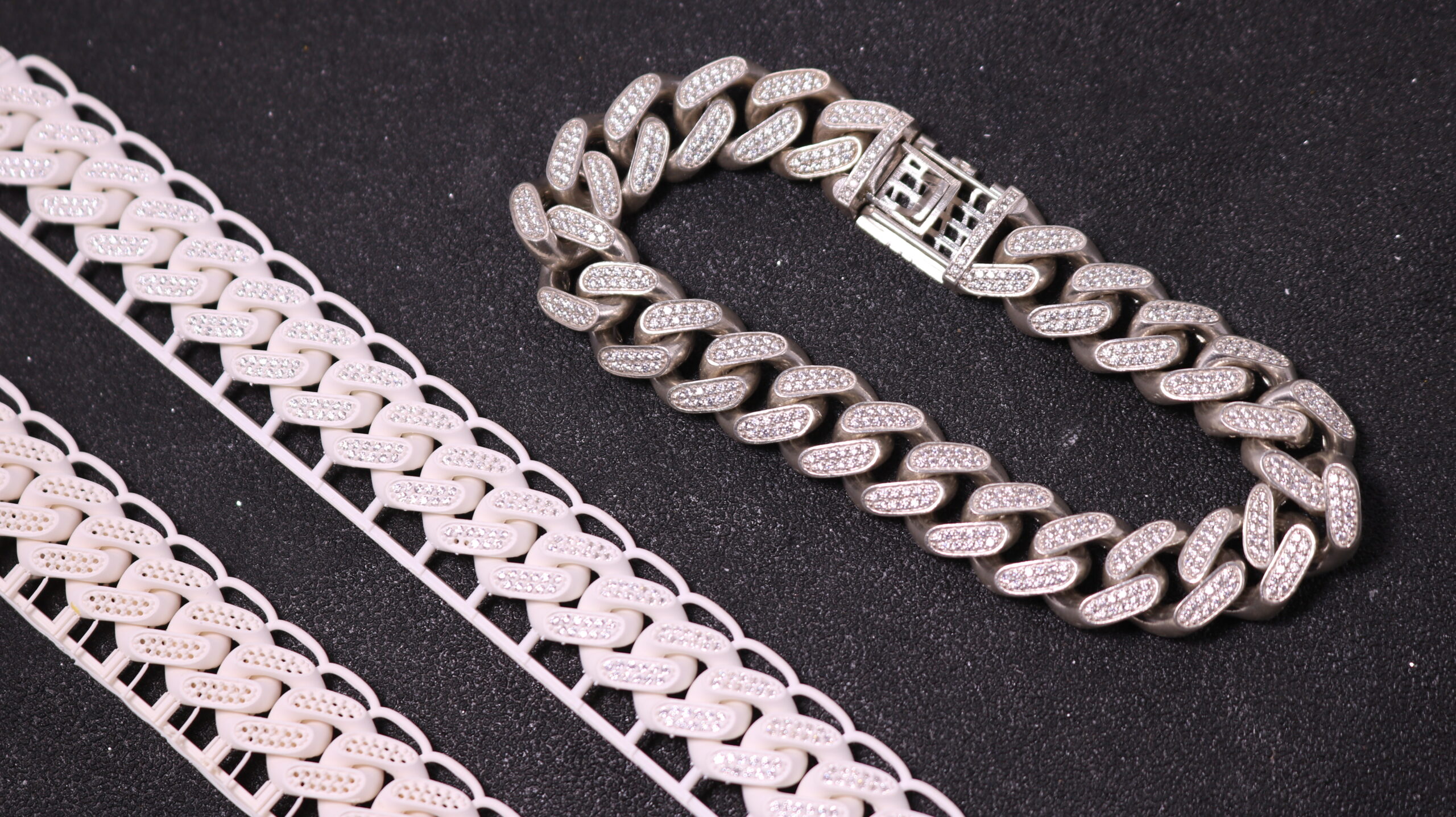
Explore 3D printed resin patterns, burnout flasks, and finished cast jewelry.
Related Products & Solutions
Discover high-performance 3D printing equipment, specialized resins, and end-to-end digital solutions tailored to your manufacturing needs.
Get an Instant Quote for Your 3D Printing Setup
Connect with our application engineers to select the ideal 3D printer (Resin/Wax) and materials (Dental/Jewelry) for your production, complete with unit cost calculations and a customized proposal.
Need a Faster Response?
Chat directly with our sales engineers on WhatsApp for quick price estimates, resin matching, or bulk ordering details.