
600G Yellow Wax Castable Resin for Jewelry Stone Setting & Investment Casting
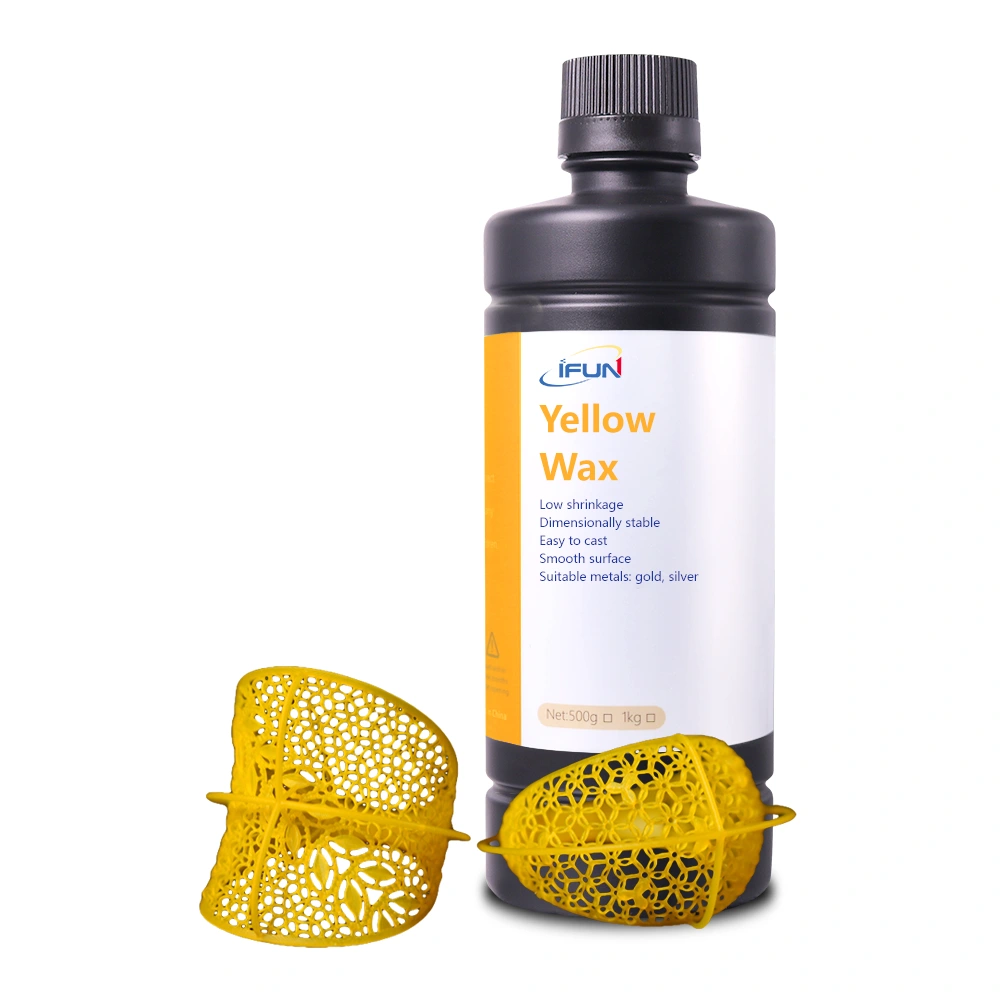
600G Yellow Wax Castable Resin is a high-precision 3D printing photopolymer engineered specifically for jewelry investment casting and direct pre-cast stone setting. Formulated to solve the pattern breakage common in brittle traditional resins, it combines wax-like elasticity with low viscosity (260 cps at 25°C) and sub-0.6% shrinkage, enabling bench jewelers to perform micro-setting, prong setting, and channel setting directly on printed resin patterns without cracking or deformation. During burnout, the material volatilizes completely without leaving ash or impurities, ensuring smooth, pit-free castings in gold, silver, and brass. Compatible with over 98% of 385nm and 405nm LCD/DLP 3D printers, 600G minimizes post-cast benchwork, prevents precious metal loss, and drastically improves casting yield for commercial jewelry manufacturers, casting workshops, and custom studios.
Engineered for Industrial Repeatability
Overcoming the limitations of traditional resin 3D printing with precision optical hardware and robust closed-loop motion systems.

Suitable for wax setting
It has moderate flexibility similar to wax material, is not easy to break during the Wax Setting process, and is suitable for fine processes such as Micro-Setting, Prong Setting, and Channel Setting.

Printing intricate details
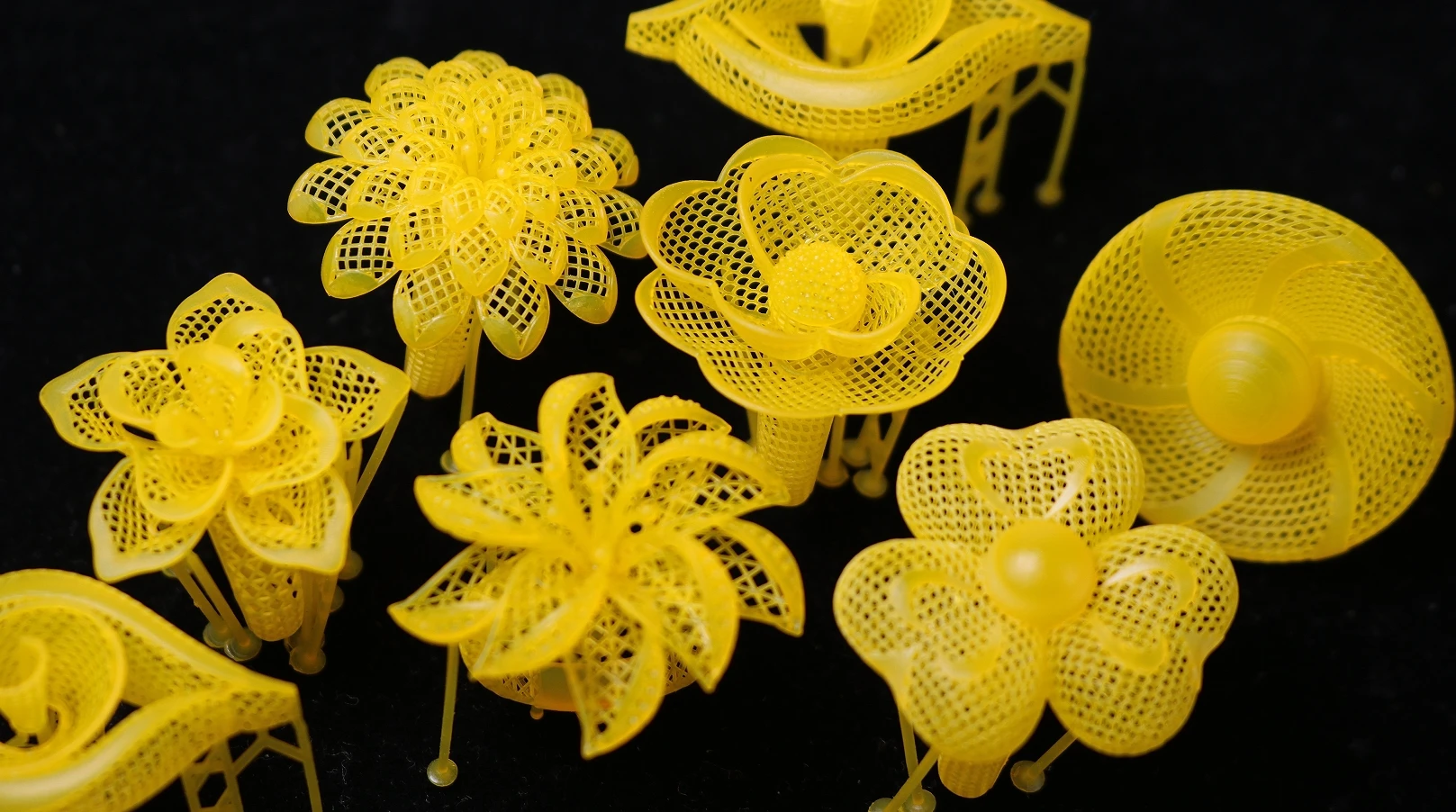
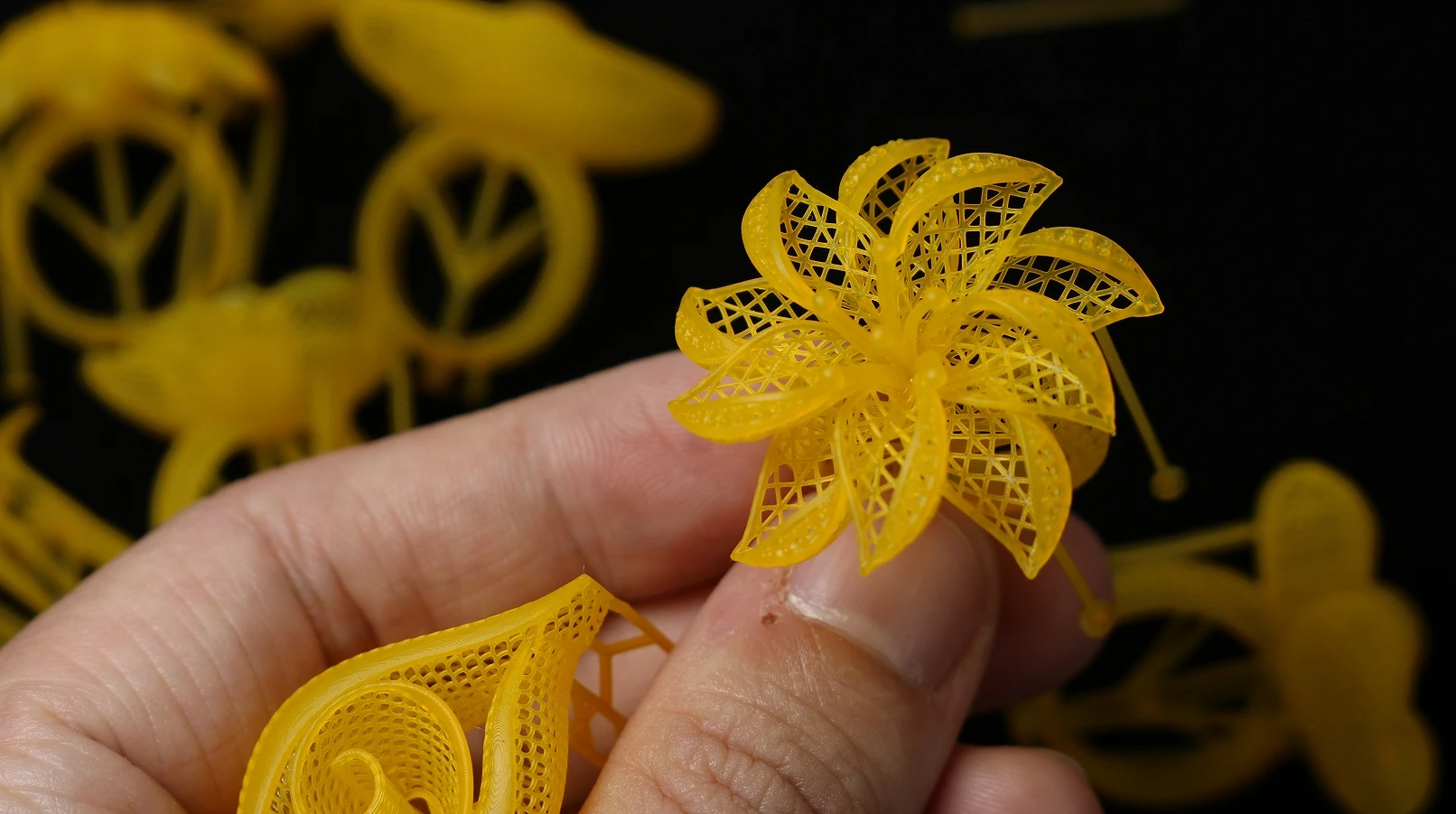
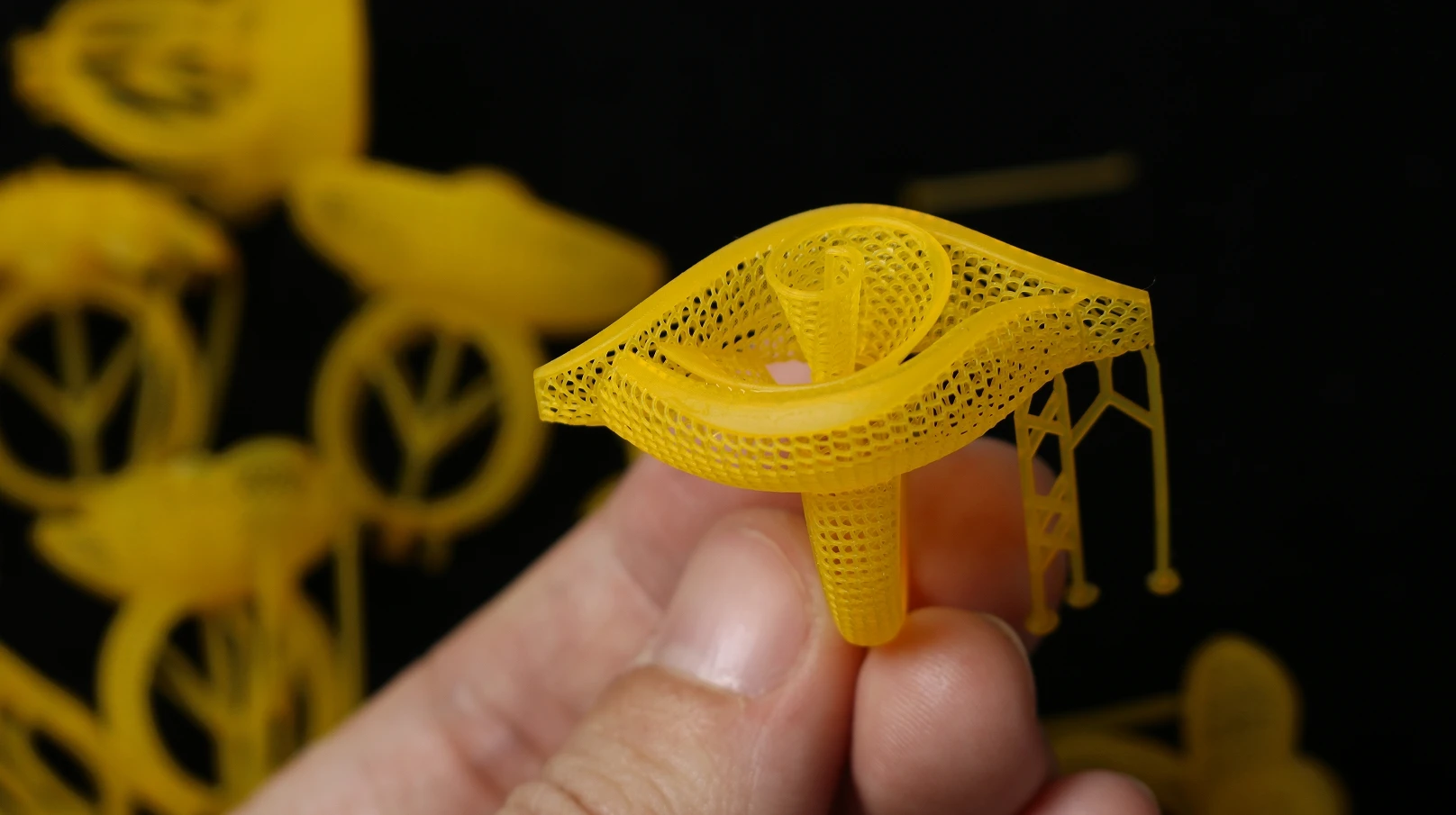
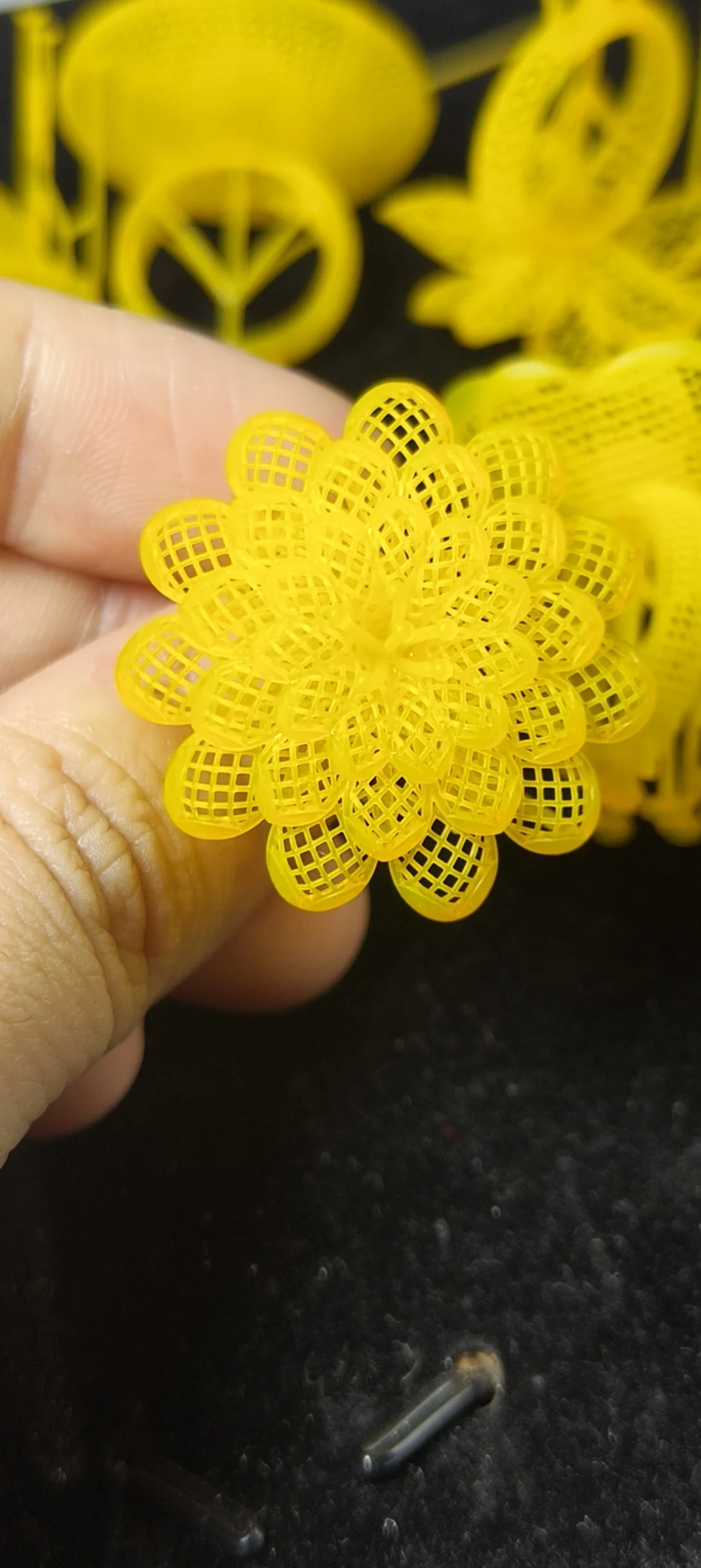
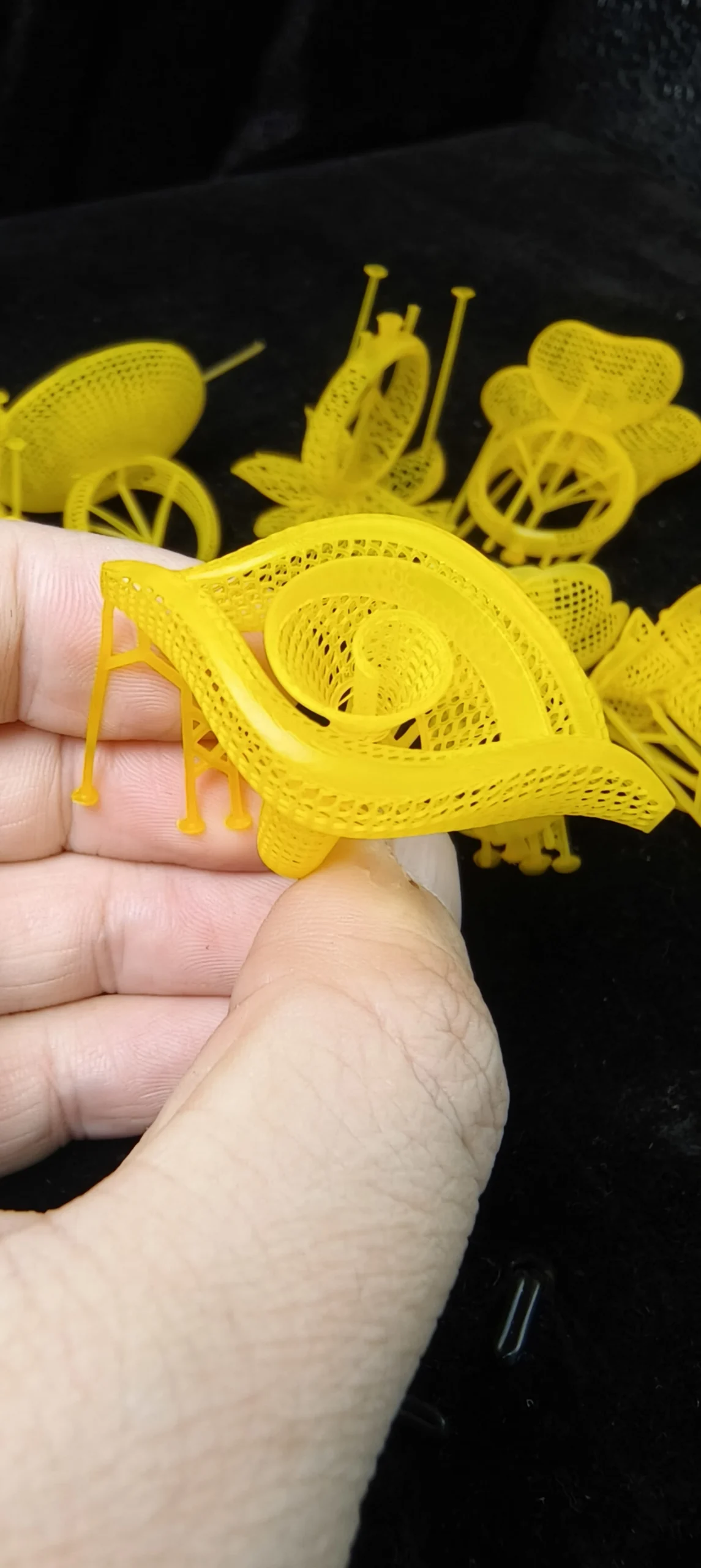
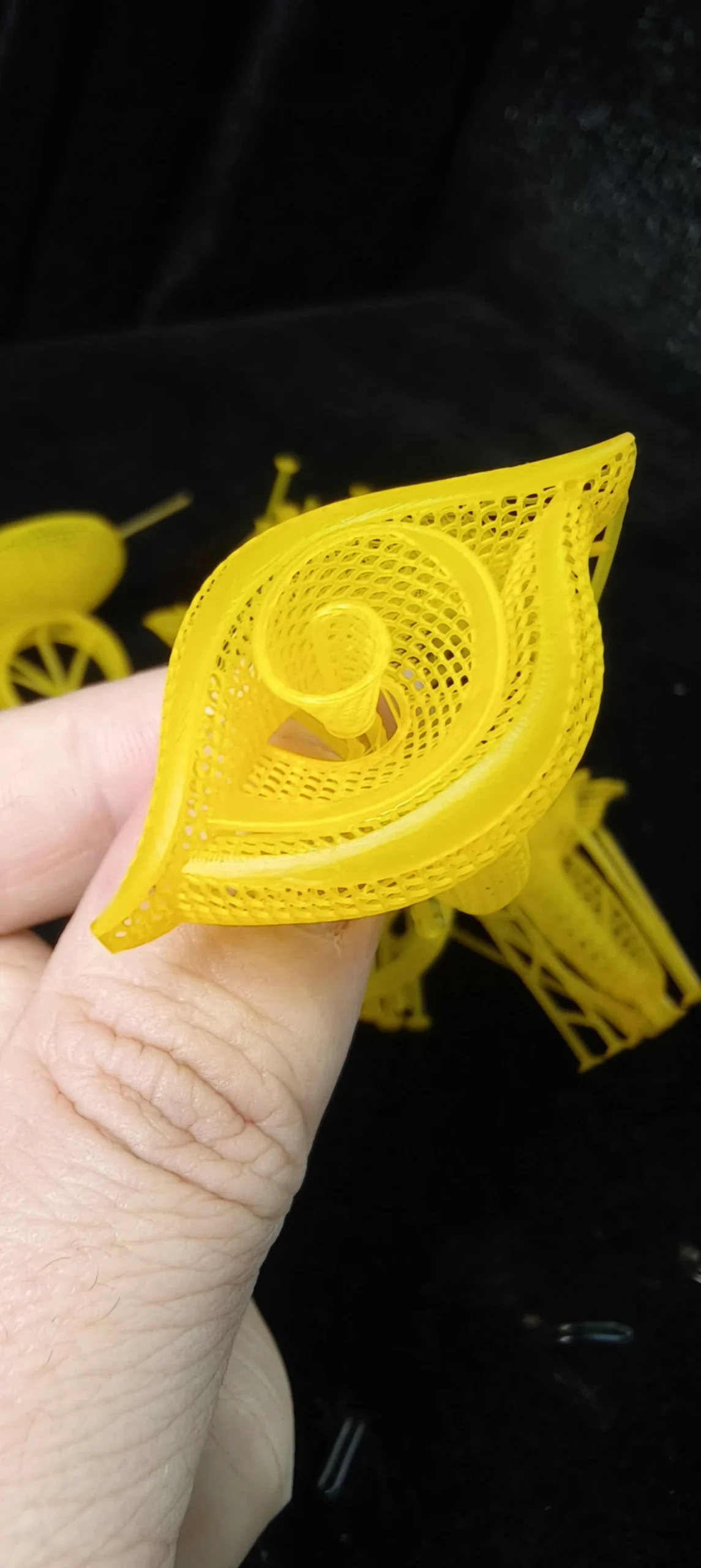
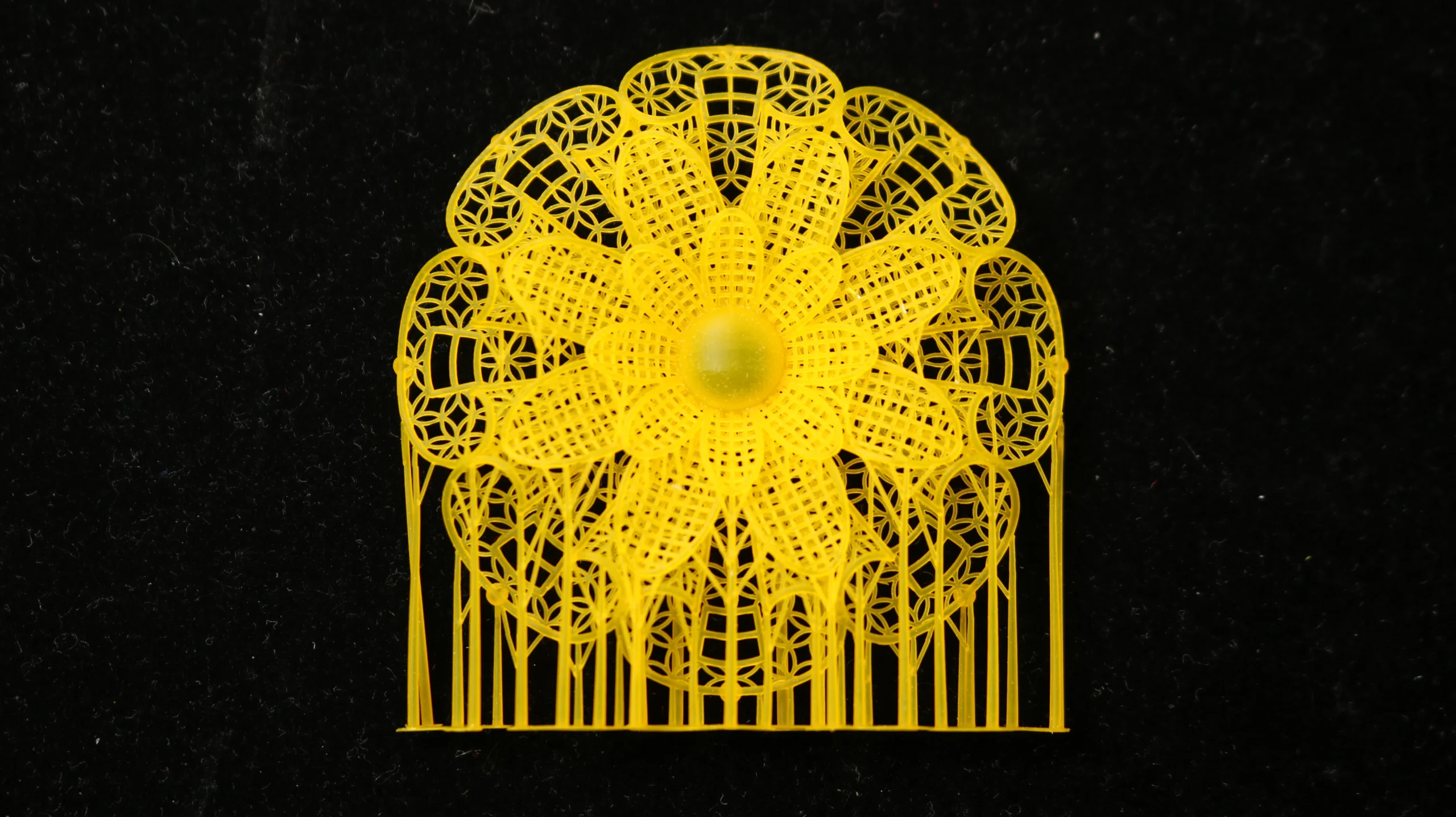
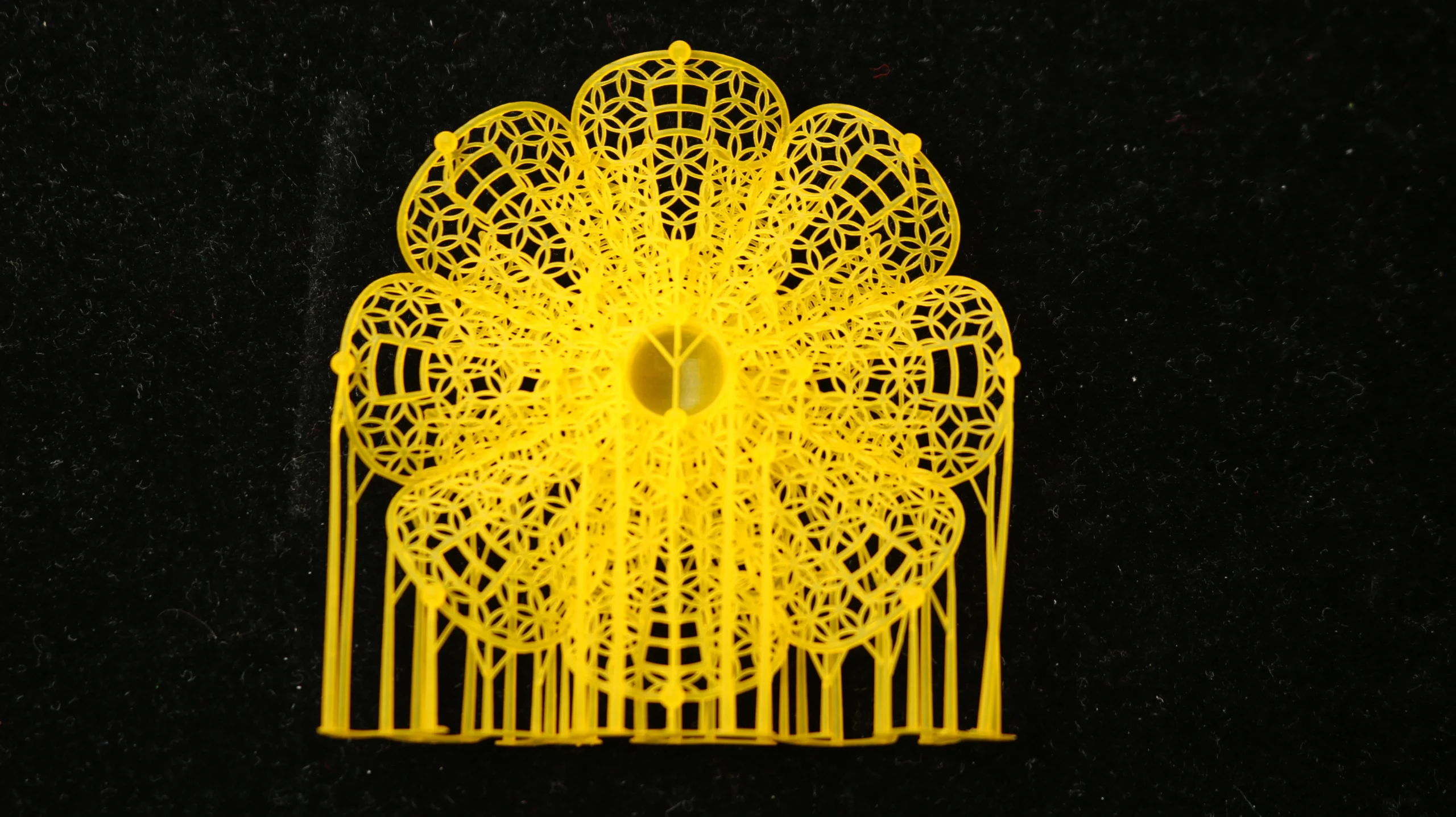
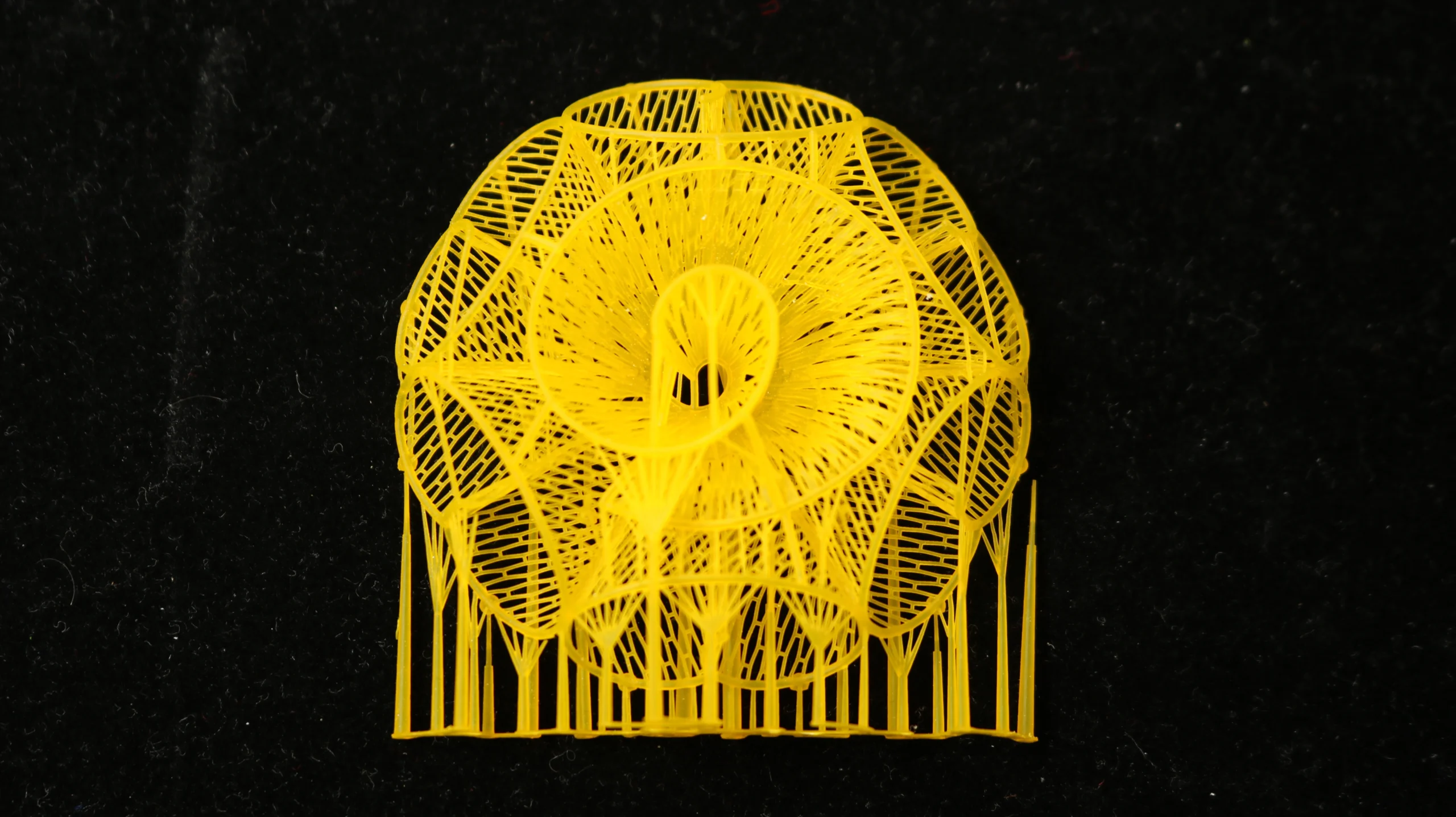
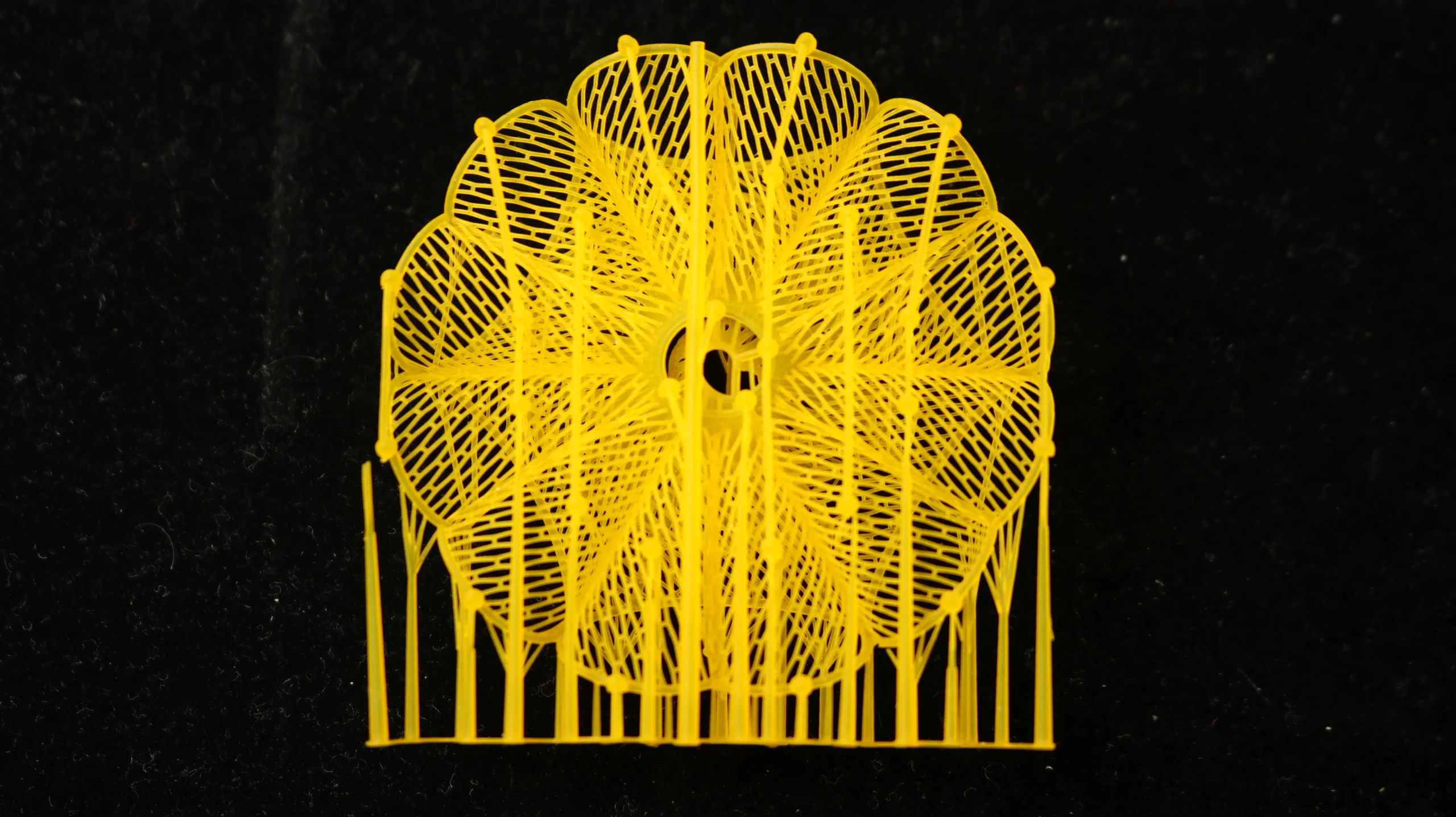
Low viscosity, Low Viscosity & High Fluidity, ensure the complete molding of small structures, suitable for printing complex jewelry styles such as hollow designs, Chains, Filigree, Ornamental Patterns, etc.

Compatible with 98% of printers
Applicable to 405nm & 385nm wavelength LCD 3D printerssupporting mainstream devices in the market (such as Phrozen, Anycubic, Elegoo, UniZ, etc.)

Easy Casting
After burning, it can be completely volatilized without any impurities remaining, does not affect the fluidity of the metal, and ensures the smoothness of the casting.
Technical Performance Matrix
Verified parameters and testing protocols for jewelry casting validation.
| Content | Data value | Testing method |
|---|---|---|
| Viscosity | 260cps(25℃) | ASTM D1084-1997 |
| Density | 1.05~1.1g/cm³ | ASM D1875-69(1980) |
| Shrinkage | <0.6% | Capillary method |
| Hardness | 49D | ASTM D2240-05(2010) |
Engineering Notes & Technical Interpretation
In-depth physical and technical breakdown of how 600G Yellow Wax Resin optimizes pre-cast stone setting and lost-wax casting performance.
Why does wax-like flexibility (49D hardness) matter for pre-cast stone setting?
Traditional castable resins prioritize high post-cure rigidity, rendering cured patterns brittle. When bench jewelers attempt micro-setting, pave, or prong setting directly into resin patterns prior to investment casting, mechanical force creates micro-fractures or snaps structural prongs. 600G Yellow Wax Resin formulates a polymer network that yields a 49D Shore hardness with wax-like compliance. This allows the material to yield slightly and conform around stone girdles under setting tool pressure without snapping. As a result, factories can complete stone setting at the pattern stage—where labor is faster and non-destructive—rather than on hard cast metal, drastically lowering rework costs and setting time.
How does <0.6% shrinkage impact multi-stone jewelry manufacturing?
In precision jewelry design, stone seats and channel grooves are calculated down to hundredths of a millimeter. High resin shrinkage (typically >1.5% in standard resins) alters stone seat geometries, causing stones to sit loose or fail to enter channels entirely. 600G's low shrinkage (<0.6% measured via capillary testing) maintains linear and volumetric fidelity from CAD model to printed pattern. This dimensional stability ensures pre-cut stone seats remain accurately sized, eliminating manual re-drilling or bench adjustment before setting, directly increasing production speed across large batch trees.
What is the practical advantage of a low viscosity of 260 cps during 3D printing?
Resin viscosity directly governs fluid dynamics within the vat during layer exposure cycles. High-viscosity resins flow slowly, creating suction forces that can detach delicate support structures, obscure 0.22mm filigree gaps, or trap uncured resin in hollow channels. At 260 cps (25°C), 600G exhibits high fluidity. It rapidly fills the gap under the LCD screen between layer lifts, allowing for faster printing cycles, reduced peel stress, effortless post-print alcohol washing, and sharp reproduction of features down to 0.3mm diameter.
Why is ashless burnout critical for investment casting yield?
During thermal burnout in investment casting, incomplete combustion of photopolymers leaves carbonaceous ash on mold walls. When molten gold or silver is poured, this residual ash reacts or gets trapped in the metal flow, causing surface pits, pinholes, and subsurface porosity. 600G Resin is engineered for complete thermal decomposition within standard jewelry burnout schedules. It leaves zero solid residue, ensuring clean metal flow, smooth cast surfaces, and significantly reducing metal filing and polishing waste.
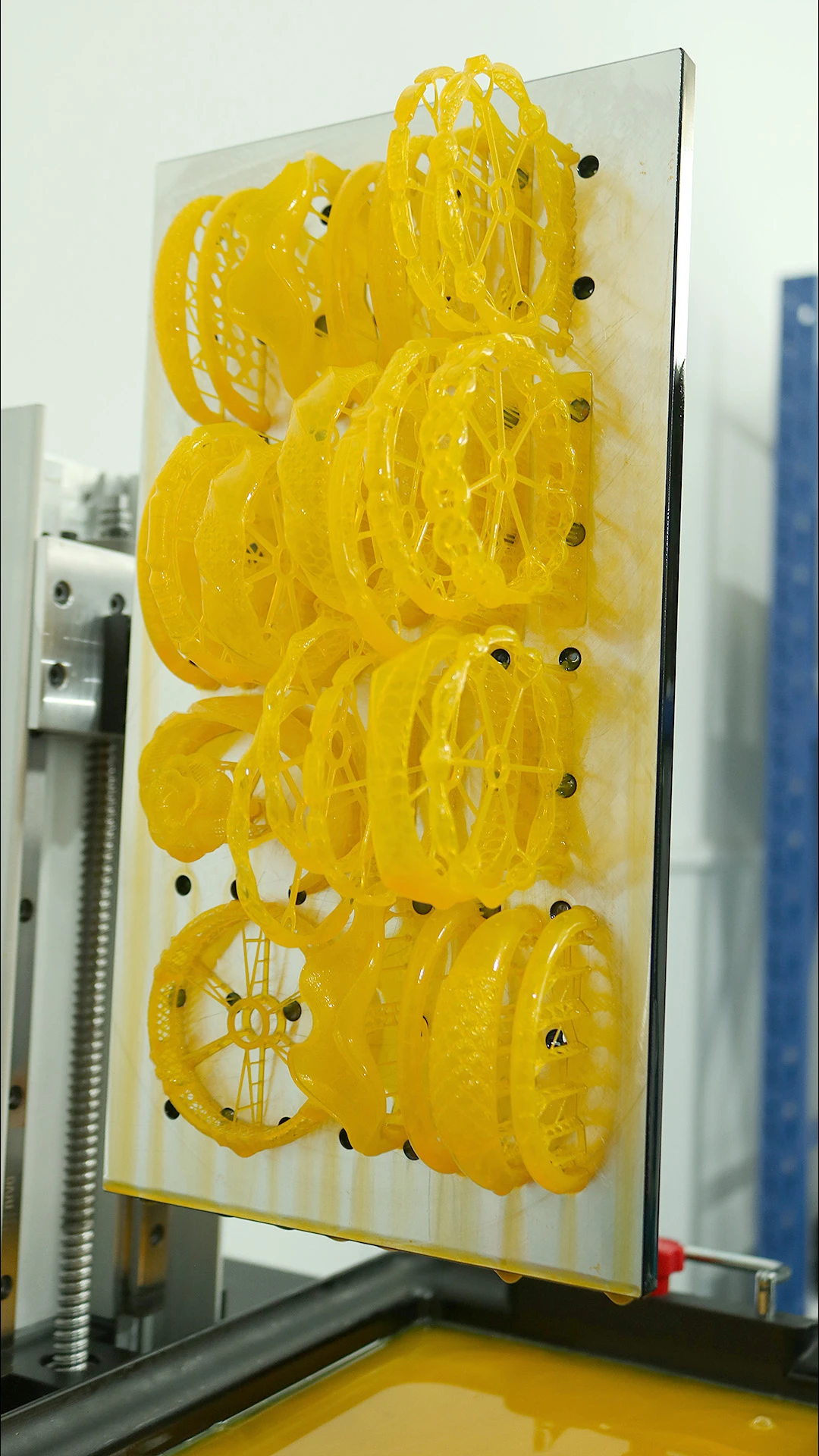
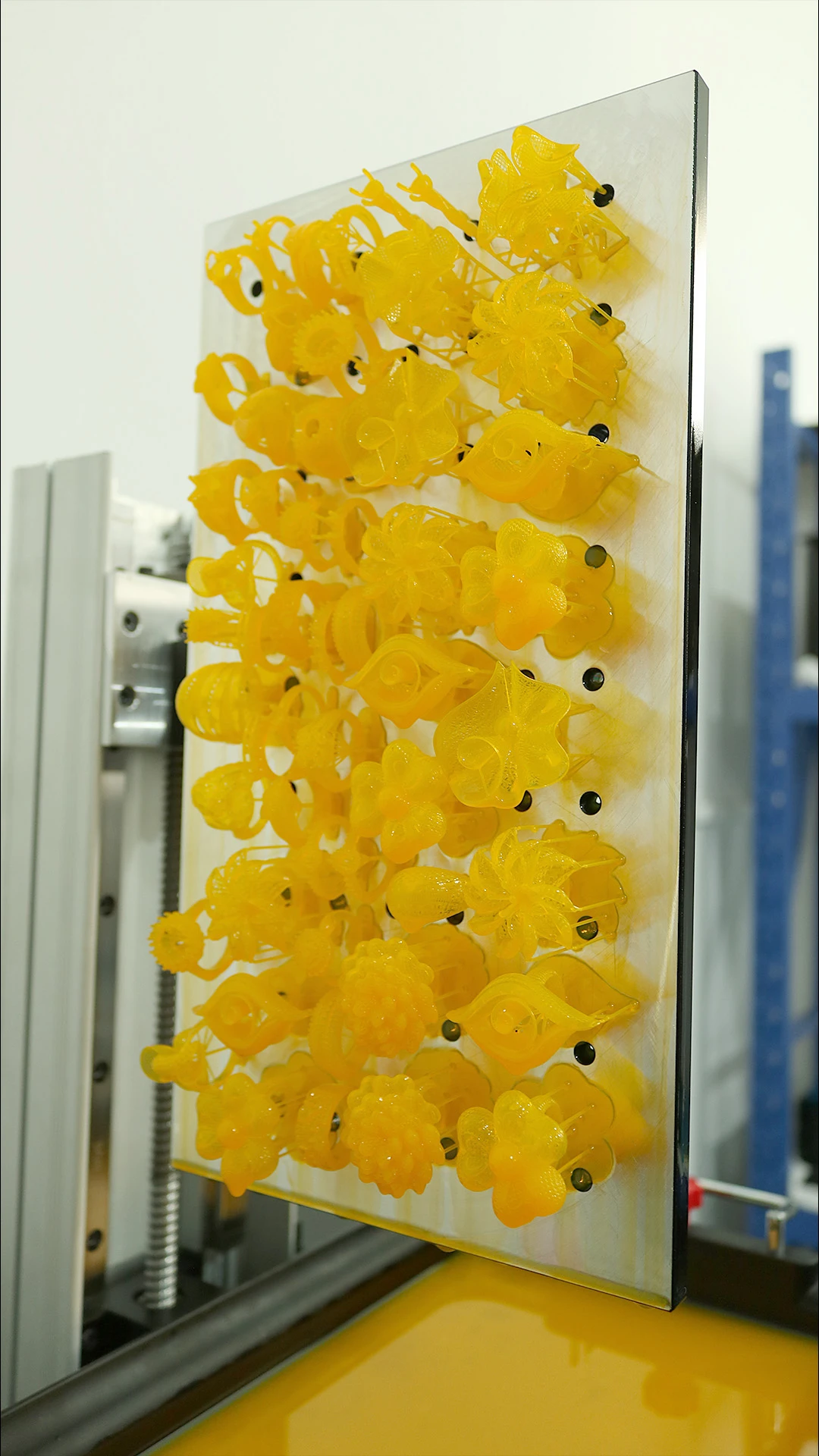
Print & Casting Results
Explore 3D printed resin patterns, burnout flasks, and finished cast jewelry.
Related Products & Solutions
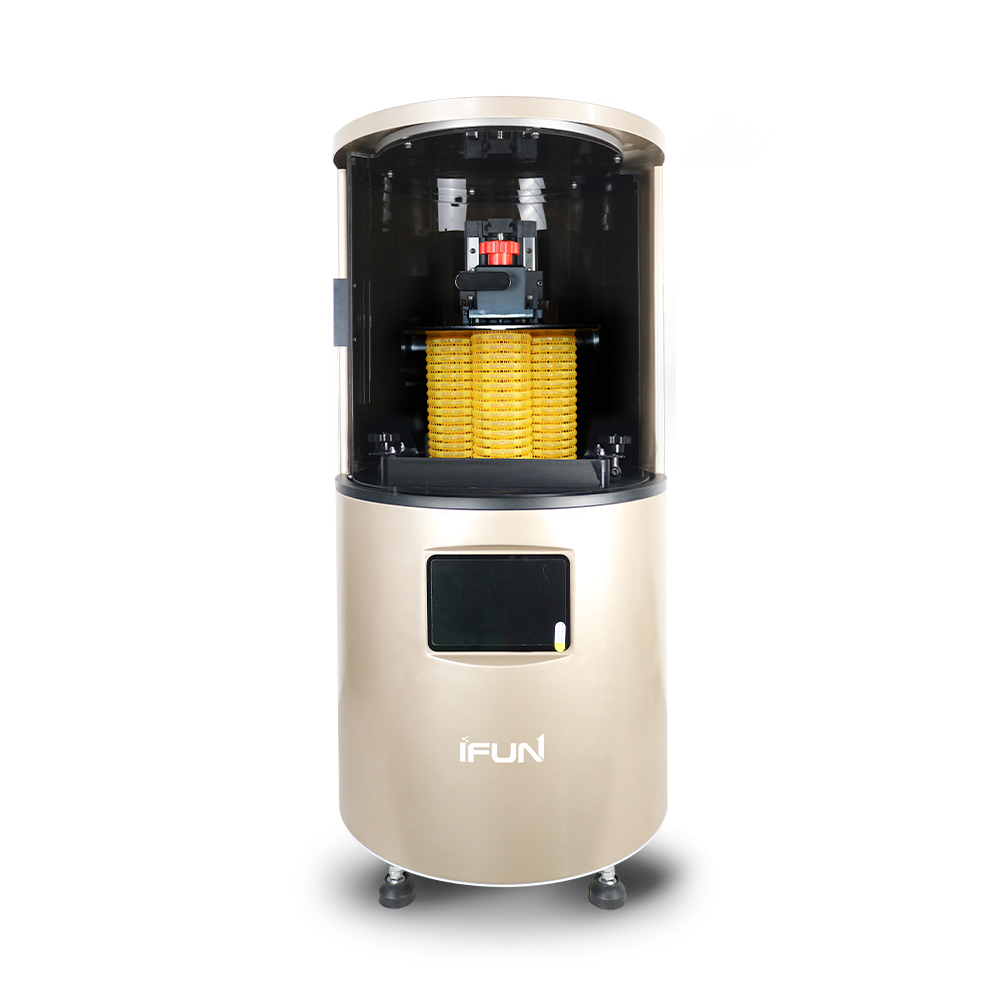
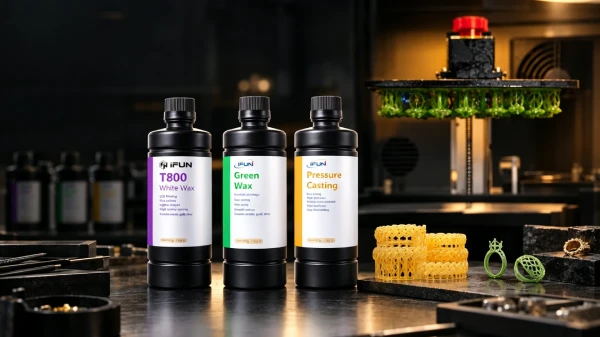
Discover high-performance 3D printing equipment, specialized resins, and end-to-end digital solutions tailored to your manufacturing needs.
Get an Instant Quote for Your 3D Printing Setup
Connect with our application engineers to select the ideal 3D printer (Resin/Wax) and materials (Dental/Jewelry) for your production, complete with unit cost calculations and a customized proposal.
Need a Faster Response?
Chat directly with our sales engineers on WhatsApp for quick price estimates, resin matching, or bulk ordering details.