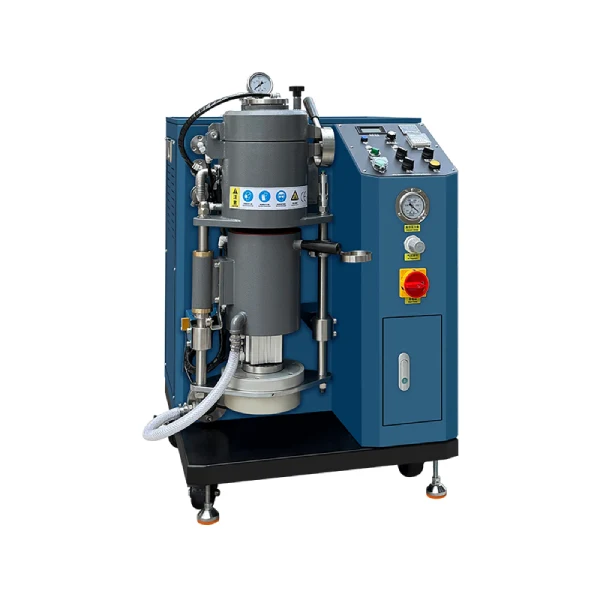
Proper jewelry casting machine maintenance is the foundation of high-quality jewelry production. Whether you operate a continuous casting machine, a centrifugal system, or a vacuum pressure casting unit, these machines face extreme conditions: high heat, intense pressure, and abrasive investment dust. Consistent care is required to extend jewelry equipment service life and ensure consistent results.
Understanding Your Equipment Subsystems
To effectively manage preventative maintenance for jewelry manufacturing, you must understand the core systems that require attention:
- Melting and Pouring System: Includes the furnace, crucibles, heating elements, and thermocouples.
- Vacuum and Pneumatic System: Includes the vacuum pump, valves, and pressure sensors.
- Cooling and Lubrication: Circulation pumps and lines that prevent overheating and friction wear.
- Control System: The PLC and electrical components that manage timing and temperature.
1. Daily Maintenance: The Cleanliness Rule
The primary enemy of any casting setup is investment dust. This silica-based powder acts as an abrasive that destroys seals and causes electrical shorts.
- Chamber Cleaning: After every session, remove alloy debris and oxide residues from the casting chamber. Use a vacuum rather than compressed air to avoid pushing dust into sensitive electronics.
- Gasket Care: Wipe silicone or rubber seals with a lint-free cloth. A single grain of dust can ruin a vacuum seal, leading to troubleshooting jewelry casting defects due to machine wear such as porosity or incomplete fills.
- Optical Parts: If your machine uses sensors or observation windows, clean them with specialized optical paper to ensure accurate monitoring.
2. Vacuum System and Pump Longevity
A vacuum casting machine repair can be expensive, but most pump failures are preventable through fluid management.
- Vacuum Pump Oil Change for Casting Machines: Check the oil sight glass daily. The oil should be clear. If it appears milky (moisture contamination) or dark (carbonization), perform an oil change immediately.
- Cold Start Routine: In cold environments, run the pump for 5–10 minutes with the intake closed. This warms the oil and ensures proper lubrication before the first cast.
- Filter Inspection: Clean intake filters weekly to maintain maximum suction power.
3. Thermal Precision and Calibration
Accurate temperature control is vital. An induction melter maintenance guide always emphasizes sensor health to prevent metal volatility.
- Thermocouple Replacement for Melting Furnaces: Thermocouples degrade over time. If you notice temperature “drifting” or inconsistent melt cycles, it is time for a replacement. Always verify display temperatures against a handheld pyrometer quarterly.
- Investment Casting Equipment Calibration: Regularly calibrate the pressure and vacuum sensors. Precise timing between the “melt” and “pour” phases is only possible when sensors provide accurate data.
- Induction Coil Care: Keep copper coils free of carbon buildup. Arcing between the coil and the crucible can cause permanent damage to the heating unit.
4. Consumables: Graphite Crucible Maintenance
Crucibles are sacrificial, but their life depends on how you handle them. Knowing how to clean jewelry casting crucibles and protect them from oxygen will save significant costs.
- Graphite Crucible Oxidation Prevention: Always use an inert gas system maintenance routine. Ensure Argon or Nitrogen flow is steady to create a protective blanket that prevents oxygen from “eating” the graphite.
- Stopper Rod Inspection: In bottom-pour machines, check the stopper rod and nozzle for erosion. A worn nozzle leads to premature metal flow and “leaky melts.”
- Removing Residue: Gently scrape away slag while the crucible is still warm, using tools that do not gouge the graphite surface.
5. Lubrication and Cooling Systems
Mechanical wear is the leading cause of precision loss in jewelry casting machine maintenance.
- Automatic Lubrication: Check oil levels in the lubrication pump monthly. Ensure the oil film on guide rails and screws is uniform and clean.
- Cooling Water Management: Monitor water flow and pressure. Clogged filters or bacterial growth in the chiller can lead to overheating. Use recommended additives to prevent corrosion inside the machine’s cooling jackets.
Maintenance Frequency Checklist
| Frequency | Task | Objective |
|---|---|---|
| Every Cast | Clean gaskets and chamber | Ensure vacuum integrity |
| Daily | Inspect vacuum pump oil color | Prevent pump seizure |
| Weekly | Check induction coil clearance | Prevent electrical arcing |
| Monthly | Clean water filters & lubricate rails | Prevent overheating and friction |
| Quarterly | System-wide calibration | Maintain casting precision |
6. Safety and Risk Management
All maintenance must be performed with safety as the priority to extend jewelry equipment service life without injury.
- Lockout/Tagout: Always disconnect the power supply and wait for the machine to cool completely before opening internal panels.
- PPE: Wear heat-resistant gloves and eye protection even during cleaning, as alloy fragments can be sharp or hot.
- Electrical Connections: Periodically tighten electrical terminals. Thermal expansion and contraction can loosen wires, leading to fire hazards or PCB damage.
Conclusion
By following this preventative maintenance for jewelry manufacturing, you reduce unplanned downtime and ensure your casting quality remains high. A well-maintained machine is not just a tool; it is a reliable center for profit and precision in your jewelry production line.