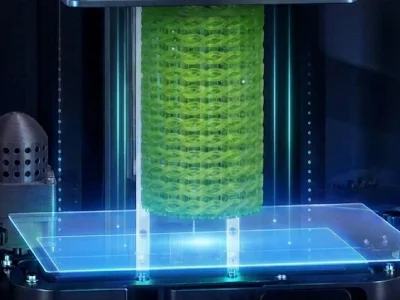
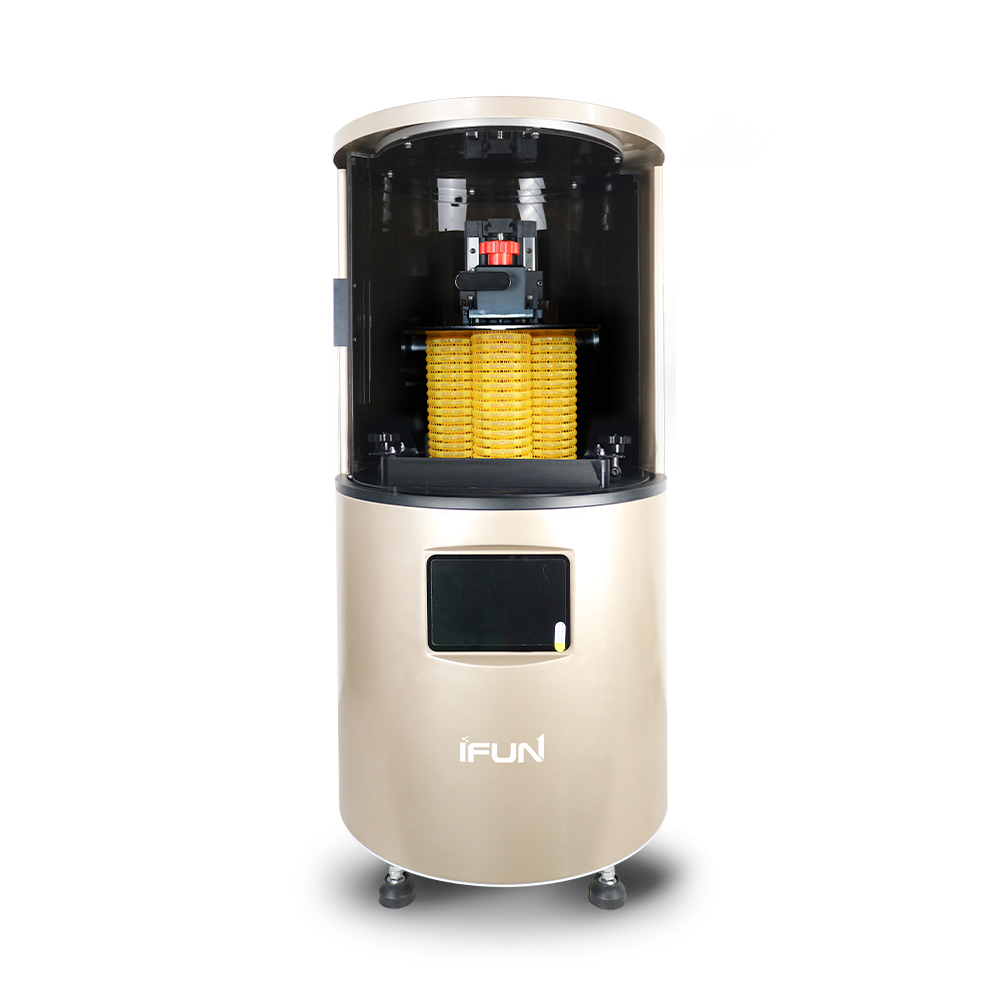
Filigree has traditionally been the pinnacle of jewelry craftsmanship. This technique involves weaving fine metal wires into complex patterns, a process that historically required decades of master-level experience. However, traditional handcraft faces physical limits in mass consistency and geometric complexity. Today, micro-detail jewelry 3D printing is redefining these boundaries, acting as a digital forge for modern designers.
1. Choosing the Right Technology: DLP vs. SLA vs. LCD
To achieve professional results in 3D printed filigree jewelry, selecting the appropriate light-curing technology is the first critical step. While all three main technologies—SLA, DLP, and LCD—use UV light to cure resin, their mechanisms offer distinct advantages for intricate patterns.
- SLA (Stereolithography): Uses a precise laser beam to trace shapes point-by-point. While slower, Laser-SLA provides exceptional surface smoothness, which is ideal for organic, curved filigree that requires minimal post-polishing.
- DLP (Digital Light Processing): Uses a digital projector to cure an entire layer at once. DLP is the traditional “gold standard” for jewelry due to its exceptional light uniformity and pixel-level control, ensuring that the vertical pillars of a filigree design don’t distort.
- LCD (MSLA): The modern disruptor. It uses an LED array and an 8K or 12K LCD screen as a mask. This technology has democratized high-precision jewelry printing, offering ultra-fine XY resolutions (down to 19–24μm) at a much more accessible price point than industrial DLP.
2. High-Wax Resin for Jewelry: The Key to Precision Casting
The success of an intricate jewelry design 3D print depends heavily on the material. High-wax resin for jewelry is engineered to mimic the properties of traditional carving wax.
- Dimensional Stability: Specialized resins maintain the integrity of fragile lattice structures during the printing process.
- Zero Ash Content: During the lost-wax 3D printing process, the resin must burn away completely. High-quality investment casting resin ensures no residue or ash is left in the mold, preventing surface defects in the final gold or silver piece.
- Surface Finish: Advanced resins minimize “stair-stepping” or layer lines, significantly reducing the time needed for manual polishing.
3. 3D Printing Hollow Jewelry Structures and Generative Design
One of the major advantages of 3D printing in jewelry manufacturing is the ability to create geometries that are impossible to hand-carve.
Using CAD/CAM jewelry design and generative jewelry design, designers can create 3D printing hollow jewelry structures. These designs offer several benefits:
- Weight Optimization: Internal lattices allow for bold, large-volume designs that remain lightweight and comfortable to wear.
- Cost Efficiency: By reducing the volume of precious metal required, manufacturers can lower production costs without compromising the visual scale of the piece.
- Visual Depth: Multi-layered, nested, or fractal geometries create light-and-shadow effects that traditional molds cannot replicate.
4. How to Cast 3D Printed Filigree Jewelry
Transitioning from a digital file to a metal masterpiece requires a controlled workflow. The process typically follows these steps:
- Post-Processing: After printing, pieces are cleaned in isopropyl alcohol and undergo a specialized post-curing cycle to ensure the surface finish in jewelry 3D printing is smooth and stable.
- Investment: The resin models are attached to a wax tree and covered in a gypsum-based investment material.
- Burnout: The flask is placed in a kiln where the resin evaporates, leaving a hollow cavity.
- Casting: Molten metal is vacuum-cast or centrifugal-cast into the cavity, accurately replicating the micro-details of the original 3D print.
5. Jewelry 3D Printing vs Traditional Handcraft
The debate is no longer about “replacement” but “integration.” While traditional handcraft offers unique human touch, 3D printing provides technical advantages:
- Speed: A complex filigree pattern that takes a master weeks to weave can be printed in a few hours.
- Consistency: Digital files ensure that every piece in a collection is identical, a critical factor for OEM manufacturers.
- Prototyping: Designers can print resin prototypes for “fit and feel” tests before committing to expensive precious metals.
Conclusion: The Future of High-Precision Jewelry
The synergy between traditional aesthetics and additive manufacturing is creating a new era for the industry. By utilizing DLP jewelry 3D printers and high-performance resins, designers are no longer limited by the physical constraints of the workbench. Whether it is reviving ancient filigree styles or exploring futuristic hollow structures, 3D printing provides the toolkit necessary for high-precision, micro-detail excellence.