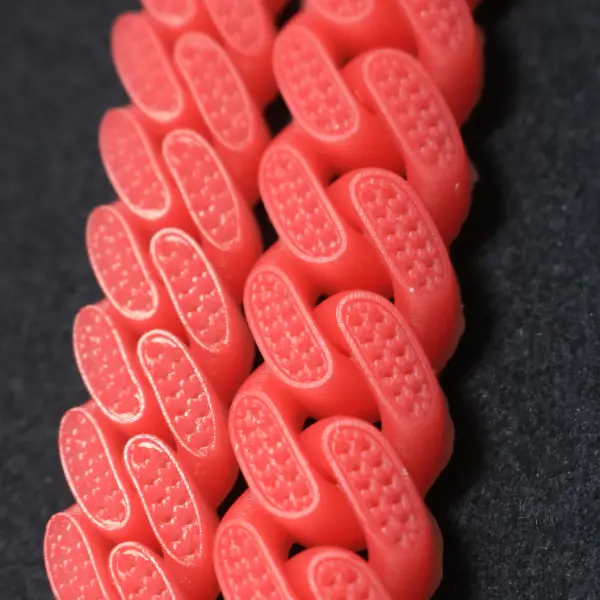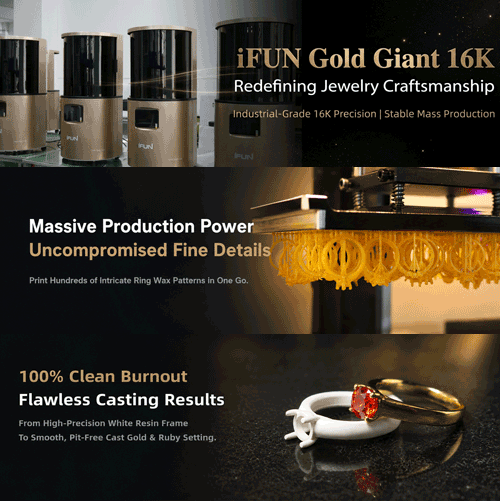
In high-precision jewelry 3D printing, the success of a design often depends on the survival of its smallest features. When printing 0.3mm micro-prongs or intricate filigree, the primary obstacle is suction force—the physical resistance encountered when the build platform lifts the cured resin away from the resin tank’s bottom. This force is a common reason how to prevent jewelry prongs from breaking in 3D print. Choosing the correct 3D printing resin tank films is a critical strategy for ensuring micron-level accuracy and structural integrity.
Understanding Suction Force in Jewelry 3D Printing
Every time a layer is cured, the printer must peel it off the release film. This process creates a vacuum-like pull. For jewelry wax patterns 3D printing, this force can lead to:
- Broken or Bent Prongs: Delicate structures cannot withstand the peel stress.
- Support Failure: The model is pulled off its supports and falls into the resin tank.
- Delamination: Layers separate internally, creating structural defects.
3D Printing Release Film Comparison: FEP, nFEP, and ACF
1. FEP (Fluorinated Ethylene Propylene): The Standard Benchmark
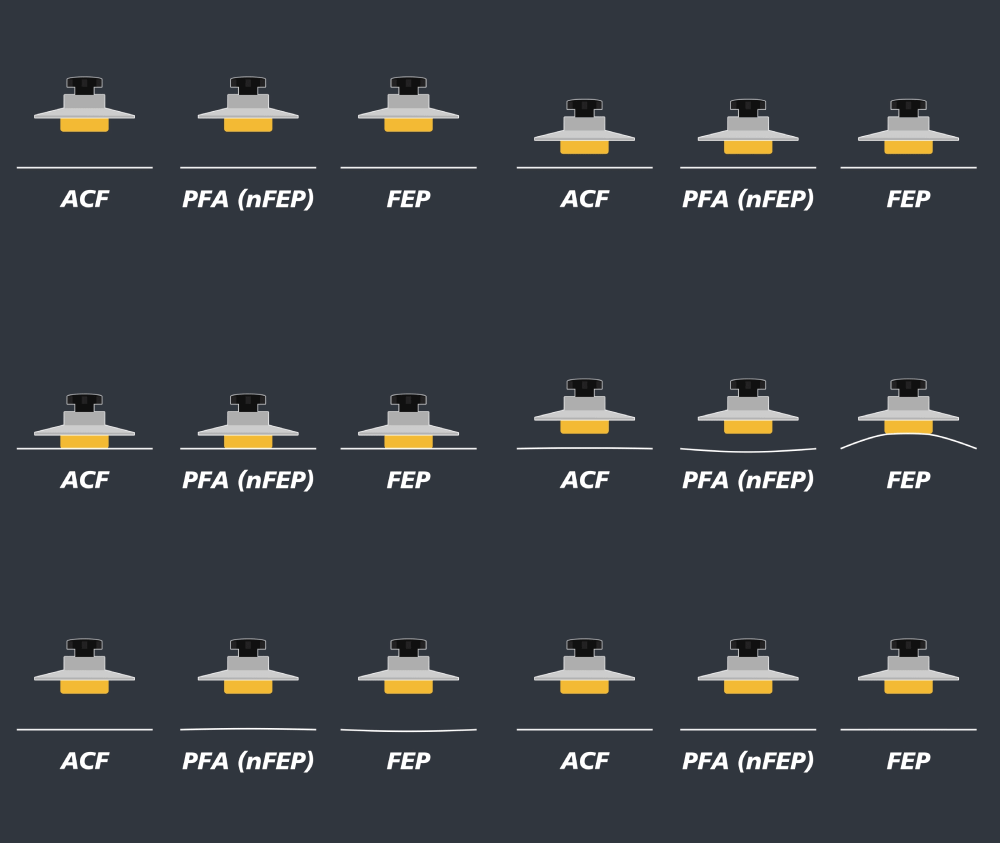
FEP is the most common and economical solution for jewelry 3D printer maintenance. While it offers excellent UV light transmission (over 90%), it has high elasticity. This creates a “trampoline effect,” where the film stretches significantly before the vacuum seal breaks. This sustained tension is often too harsh for high-precision DLP 3D printing, where ultra-fine prongs are easily deformed by the high pull force.
2. nFEP (PFA) Film: The Low-Energy Alternative
When discussing nFEP film vs PFA film for resin printing, it is important to note that most nFEP is actually PFA (Perfluoroalkoxy). PFA has higher tensile strength and better flex life than standard FEP.
- Lower Peel Force: The smoother surface energy reduces the physical grip on the resin.
- Increased Durability: It is more resistant to cracks and scratches, making it a reliable choice for castable wax resin.
- Mechanical Efficiency: Lower suction means less strain on the printer’s motor, extending the life of your hardware.
3. ACF (Advanced Composite Film): The High-Precision Frontier
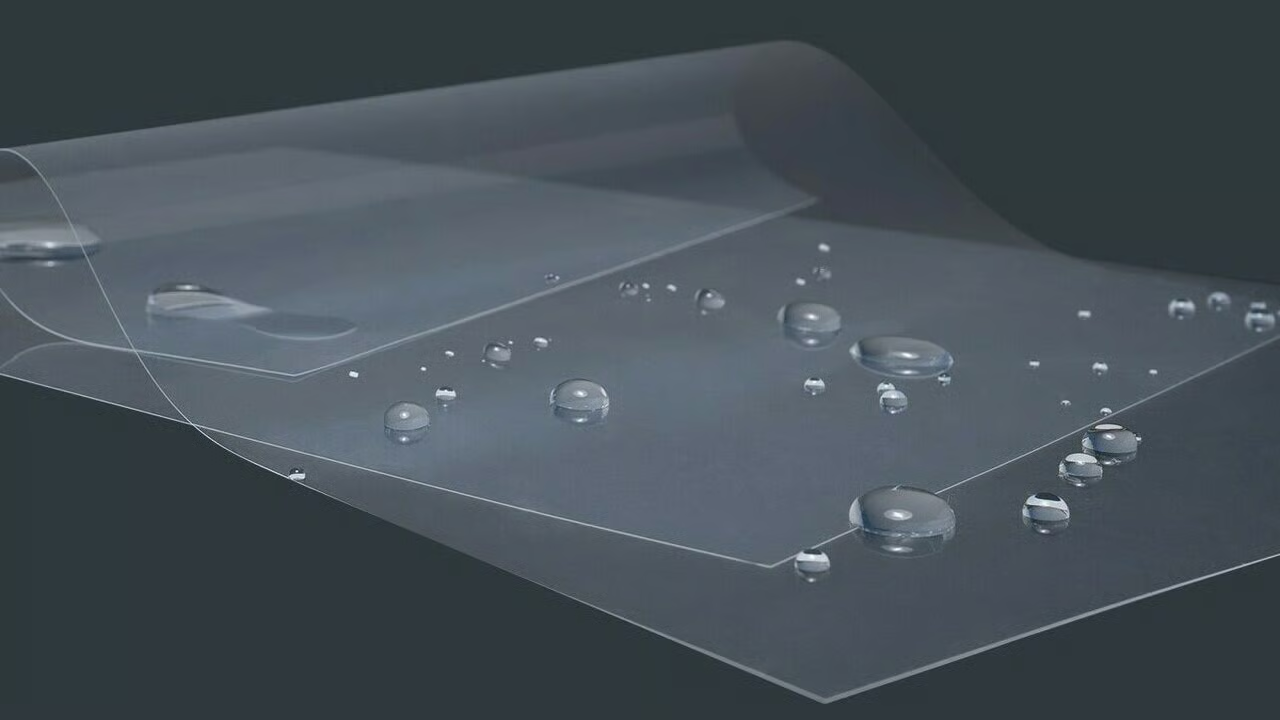
For micron-level resolution 3D printers, ACF is the current technical lead. Unlike traditional films, ACF uses a composite structure specifically designed for reduced suction force 3D printing.
- Lowest Peel Force: Tests show ACF can reduce suction force by approximately 40% compared to nFEP.
- Gentle Release: The release is more immediate and less violent, which is essential for protecting the base of fragile jewelry prongs.
- Considerations: ACF is usually thicker (around 300µm). This may require a slight increase in exposure time to ensure the best release film for castable wax resin performance on 190 series focus machines.
Selection Matrix for Jewelry 3D Printing
| Feature | FEP | nFEP (PFA) | ACF |
|---|---|---|---|
| Suction Force | High | Moderate | Lowest (Best for Prongs) |
| Best Application | General prototypes | Dental/Standard Jewelry | High-End Fine Jewelry |
| Durability | Standard | High (Anti-tear) | High |
| Cost | Budget-friendly | Mid-range | Premium |
Jewelry 3D Printing Tips: Optimizing Your Workflow
Choosing a low release force film for high precision 3D printing is only half the battle. You must also optimize your slicing parameters:
- Optimizing Lift Speed: Use a two-stage lift strategy. Set the initial lift speed to 40-60 mm/min for the first few millimeters to break the vacuum gently, then increase the speed for the rest of the movement.
- Rest Time: Implement a “Rest Time After Retract” of 0.5 to 1.5 seconds. This allows the resin to stabilize and the film to settle before the next exposure.
- Exposure Calibration: Since films like ACF are thicker, perform a calibration test to find the ideal exposure. This ensures prongs are cured strongly enough to handle even the minimal remaining suction.
Conclusion
For professional jewelry manufacturers using high-precision 3D printing, ACF is the recommended choice for minimizing the risk of broken prongs. If budget is a concern, nFEP (PFA) provides a significant performance boost over standard FEP. By selecting the right 3D printing resin tank films and refining your lift speeds, you can achieve consistent, repeatable results with even the most delicate jewelry designs.