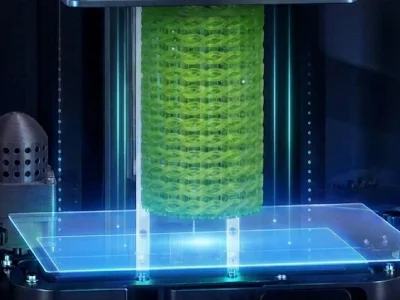
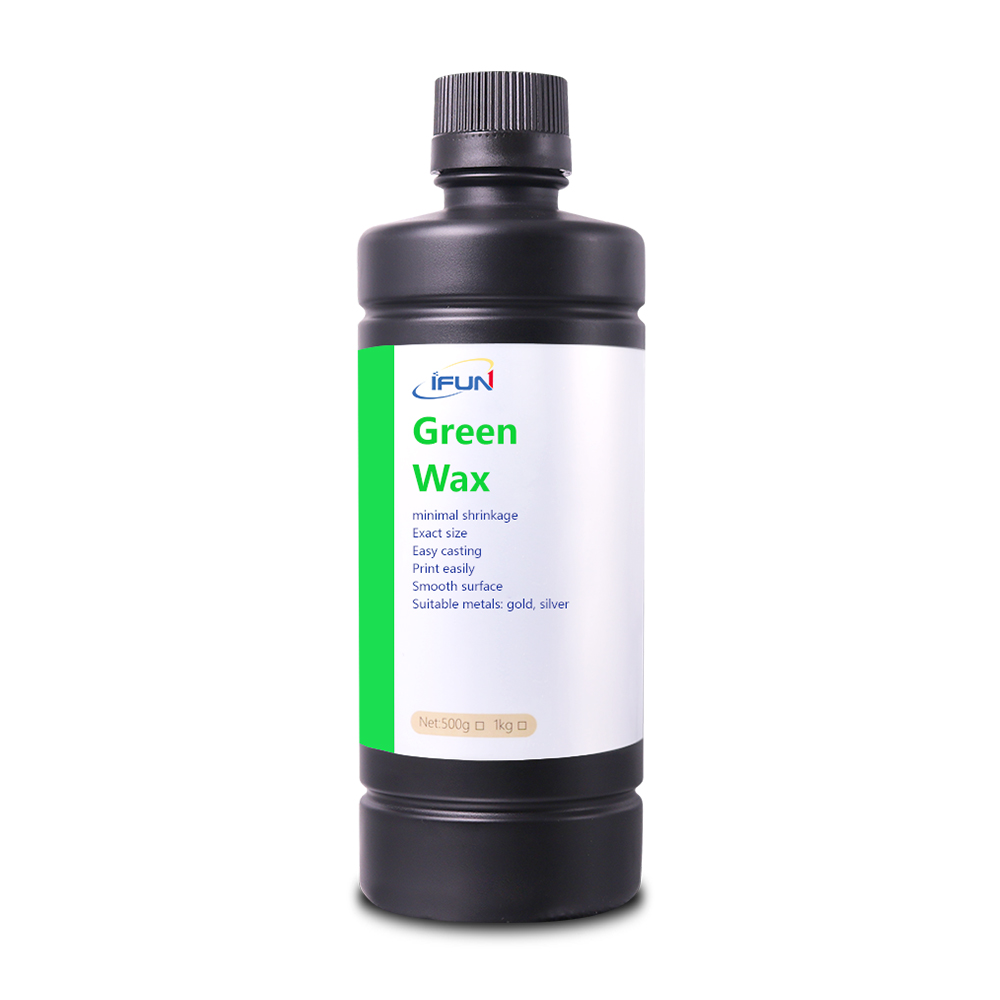
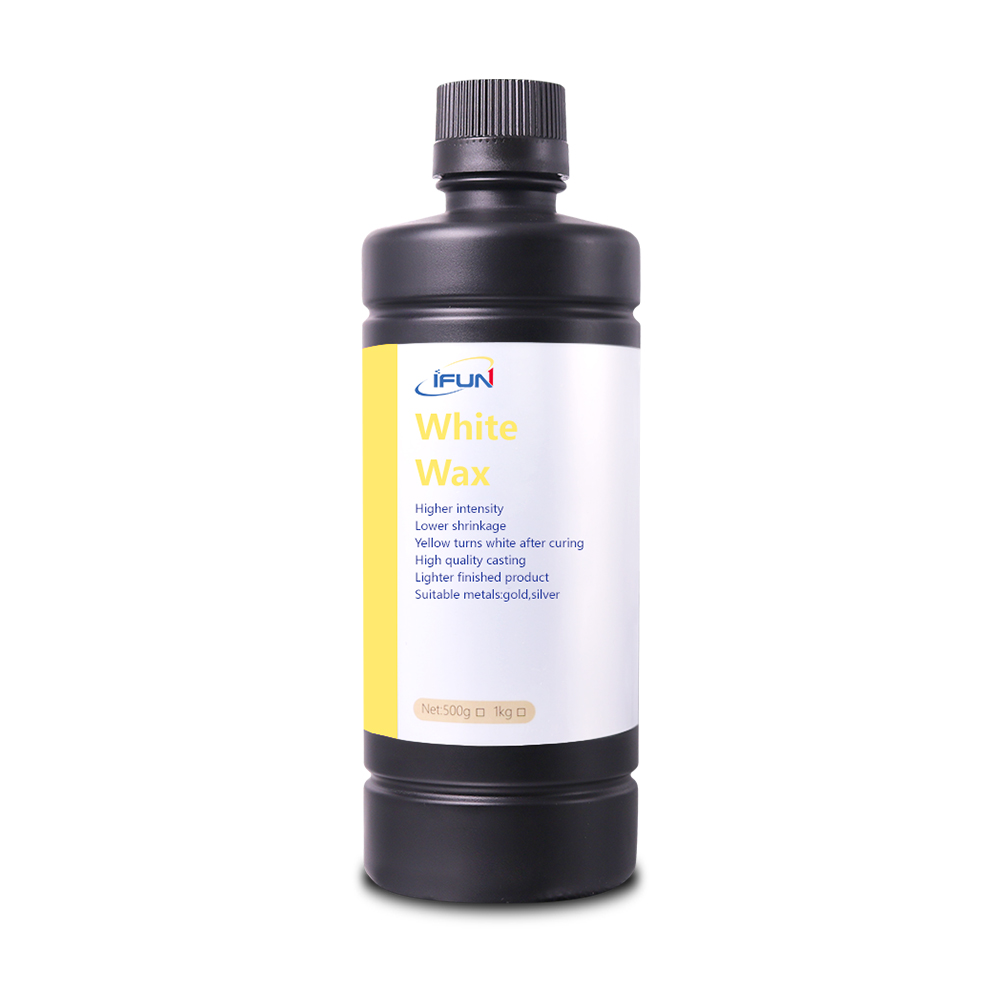
The integration of lost wax 3D printing into the jewelry workflow has shifted the industry focus from manual craftsmanship to material science. Choosing the right castable 3D printing resin is a technical decision based on how the material interacts with specific metals and investment materials during the burnout process.
The Core Logic: Resin Performance vs. Metal Characteristics
Successful 3D printed jewelry casting requires matching the resin’s thermal decomposition curve with the target metal’s melting point and casting temperature. The goal is a clean burnout that leaves a precise, zero-residue cavity for the molten metal.
1. Understanding Metal Temperature Requirements
- Silver: Pure silver melts at approximately 961.8°C, while Sterling Silver (925) melts around 893°C. Casting temperatures typically range from 1050°C to 1250°C.
- Gold: Pure gold melts at 1064°C. Depending on the alloy (14K or 18K), casting temperatures fluctuate between 1000°C and 1300°C.
- Platinum: The most challenging metal, with a melting point of approximately 1768°C. Casting requires extreme temperatures often exceeding 1850°C to 2200°C.
2. Key Technical Metrics for Jewelry Casting Resin
When evaluating photopolymer resin for jewelry, focus on these objective performance indicators:
- Ash Content: High-quality resins provide “zero-ash” results. Zero ash castable resin for gold and platinum should have a residue level below 0.05% to avoid surface pits.
- Thermal Expansion: Resin expands before it combusts. A controlled expansion curve is vital for preventing flask cracking in 3D resin casting, especially when using rigid phosphate-bonded investments.
- Heat Deflection Temperature (HDT): A higher HDT (around 120°C) ensures the model remains stable during the investment process and doesn’t deform under the weight of the slurry.
3. Resin Selection for Specific Metals
Silver Casting: Reducing Porosity
Sterling silver is highly reactive to oxygen. How to fix porosity in silver casting often starts with the resin. Choose a resin optimized for low gas evolution.
- Requirement: High surface hardness to prevent fine filigree distortion during vacuum casting.
- Benefit: A cleaner decomposition reduces gas trapped in the silver, leading to a denser internal structure.
Gold Casting: Surface Fidelity for 14K, 18K, and 24K
Gold is stable but requires high precision for prongs and settings. High wax resin for jewelry 3D printer use is often preferred here.
- Material Selection: Resins with 30%–50% wax content behave similarly to traditional wax, melting early in the cycle.
- Advantage: This reduces internal pressure within gypsum-bonded investments, ensuring smooth surfaces.
Platinum Casting: The High-Temperature Standard
Platinum requires phosphate-bonded investments due to its extreme heat. Finding the best resin for platinum casting is critical because standard resins may react with the investment or leave carbon traces that embrittle the metal.
- Strict Requirement: Specialized resins designed to sublime directly from solid to gas at specific stages of the LCD/DLP castable resin burnout cycle.
4. Technical Workflow: Burnout Cycle and Optimization
The optimal burnout temperature for castable resin is usually around 730°C to 800°C, regardless of the metal’s final casting temperature.
- Phase 1 (200°C – 450°C): The “Critical Zone” where wax components melt and escape. A slow ramp-up prevents the mold from cracking.
- Phase 2 (730°C – 800°C): The “Soak Phase” where polymer chains break down completely.
- Post-Curing: Proper UV curing is essential. Under-cured investment casting 3D printed parts can react chemically with the investment, causing a “sandpaper” surface texture.
5. Resin Casting vs. Traditional Wax Carving
In the debate of resin casting vs traditional wax carving, resin offers superior geometric complexity and repeatability. While traditional wax is easier to burn out, modern castable 3D printing resin formulations have narrowed the gap in casting success rates while offering significantly higher production speeds for complex jewelry designs.
Summary Checklist for Professionals
- Match the resin’s total burnout temperature to the specific alloy’s minimum casting temperature.
- For silver and gold, prioritize resins with high wax content for surface smoothness.
- For platinum, only use resins explicitly labeled for high-temperature phosphate investments.
- Verify ash content data (aim for < 0.05%) to ensure high-density metal parts.