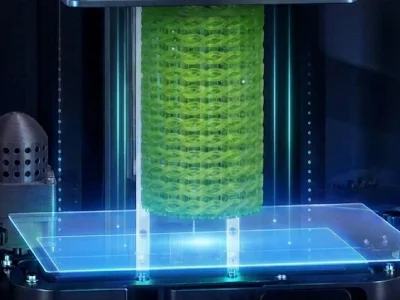
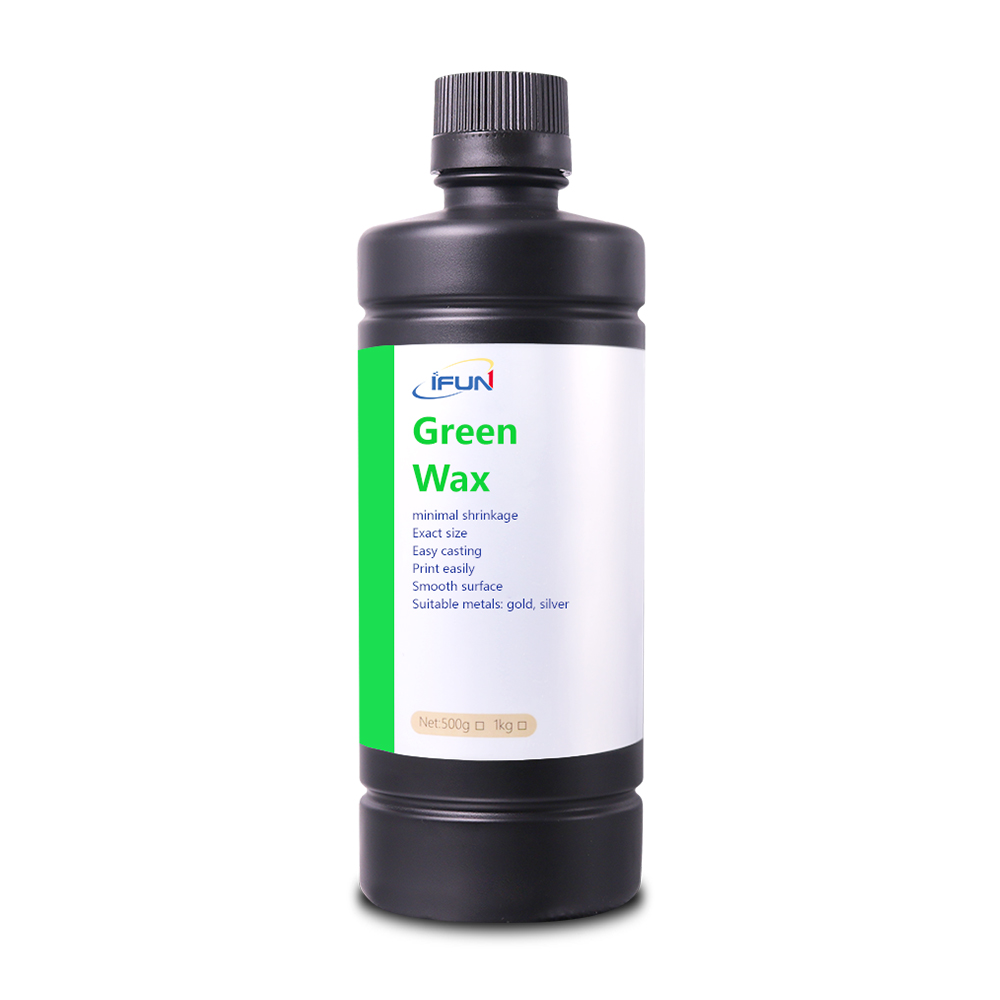
In modern jewelry manufacturing, the shift from manual wax carving to digital workflows requires high-performance jewelry 3D printing materials. For designs involving complex filigree, micro-pave prongs, or organic textures, the viscosity of the castable 3D printing resin is a decisive factor in both print success and casting quality.
What is Low-Viscosity Castable 3D Printing Resin?
Viscosity measures a fluid’s resistance to flow. In the context of MSLA jewelry resin performance, a low-viscosity 3D resin typically maintains a flow rate below 600 mPa·s (at 30°C), with some specialized formulas reaching as low as 50–500 mPa·s. These materials serve as sacrificial models for the lost-wax casting resin process, meaning they must achieve two goals: high-resolution physical printing and clean thermal decomposition.
Technical Benefits for Intricate Jewelry Designs
- Improving 3D printed jewelry filigree accuracy: Low viscosity allows the liquid to flow quickly into the smallest gaps of the resin tank. This ensures that features as thin as 0.1mm are rendered sharply without liquid “clogging” fine negative spaces.
- How to reduce suction force in jewelry 3D printing: During the peel cycle, high-viscosity resins create significant resistance. Low-viscosity materials minimize this suction, protecting delicate supports and preventing the distortion of thin-walled geometries.
- Optimized for 4K and 8K printers: To fully utilize high-resolution screens, a low-viscosity resin for 4K jewelry printers is necessary to ensure the resin reflows evenly across the LCD within short “rest time” intervals.
- Reduced Post-Processing Labor: Models printed with high-fluidity resins are less “tacky.” This makes them easier to clean with Isopropyl Alcohol (IPA), resulting in smoother surfaces that require less manual polishing after casting.
Optimizing the Lost-Wax Casting Workflow
Selecting a high-detail jewelry resin is only half the process; the material must also perform during the investment casting phase. Professional-grade lost-wax casting resin addresses several metallurgical requirements:
- Zero-ash burnout resin: These resins are formulated to gasify completely at temperatures above 600°C. Minimal residue prevents defects like porosity or surface pitting in the final gold or silver piece.
- High-wax content 3D resin: Adding wax to the polymer matrix improves the burnout curve. These resins expand less during heating, reducing the risk of investment mold cracking.
- Managing resin shrinkage for jewelry casting: Accurate stone setting depends on predictable shrinkage rates. Low-viscosity formulations often provide better dimensional stability, ensuring that the final metal casting matches the original CAD dimensions.
DLP vs. LCD Jewelry Resin: Choosing the Right Match
While both technologies use UV light, their requirements differ. DLP printers often use higher-intensity light and can handle slightly thicker resins, but for desktop LCD (MSLA) printers, low viscosity is non-negotiable for consistent results. When evaluating jewelry 3D printing materials, check the technical data sheet (TDS) for the viscosity rating and recommended wavelength (usually 405nm).
Practical Tips for Improving Casting Success
- Effective Cleaning: Ensure all residual liquid resin is removed from micro-holes using an ultrasonic cleaner. Residual resin can blur fine details during the final curing stage.
- Post-Curing Strategy: Research suggests that allowing parts to stabilize for 24–72 hours before the final UV cure can improve mechanical stability and reduce potential toxicity.
- Burnout Cycles: Always match your kiln’s ramp-up speed to the specific requirements of the castable 3D printing resin. Rapid heating can cause internal pressure that damages the investment mold.
Conclusion: Efficiency and Production ROI
Choosing a low-viscosity 3D resin is a practical strategy to optimize the jewelry production chain. By reducing suction force failures and ensuring a zero-ash burnout, manufacturers can lower their scrap rate and minimize manual bench work. For professional jewelers, these technical material choices translate directly into higher-quality jewelry and improved operational efficiency.