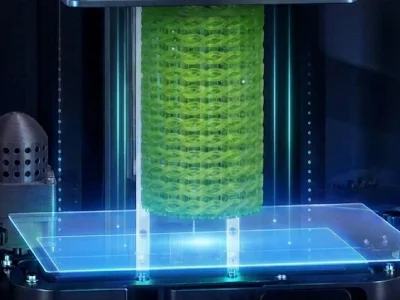
In modern jewelry manufacturing, the transition from a high-resolution 3D resin model to a precious metal masterpiece is a technical challenge. While LCD vs DLP resin for jewelry casting offers incredible detail, the final quality depends on the lost wax casting gating system. This guide explains how to design sprues that ensure a complete fill and a defect-free finish.
1. Understanding Metal Flow in Investment Casting
Liquid gold and silver have high surface tension and high melting points. This means the molten metal tends to stay together rather than flowing into tiny details. To achieve a perfect fill, your jewelry 3D printing sprue design must provide enough pressure and a clear path for the metal to overcome this resistance.
- Fluidity: Metal flows better when the path is smooth. Avoid sharp angles.
- Thermal Mass: Gold and silver cool quickly when they hit the investment mold. The sprue must be large enough to stay liquid until the jewelry piece has solidified.
2. The Principle of Directional Solidification
To learn how to prevent shrinkage porosity in gold casting, you must master directional solidification in investment casting. Metal shrinks as it cools. If the sprue freezes before the jewelry piece, the piece will pull metal from its own center, creating holes (porosity).
Practical Rule: Always ensure the best sprue thickness for silver jewelry or gold is slightly thicker than the heaviest part of the design. This allows the sprue to act as a reservoir, feeding liquid metal into the shrinking piece.
3. Designing an Effective Casting Tree Assembly
When organizing your casting tree assembly, follow the “heavy at the bottom, light at the top” rule. This uses gravity and centrifugal force more effectively.
- Positioning: Attach feeders and risers to the thickest part of the jewelry.
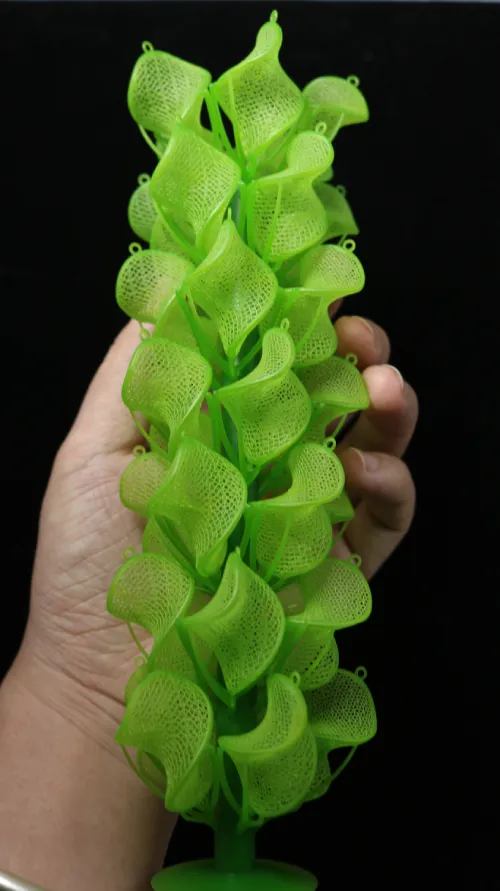
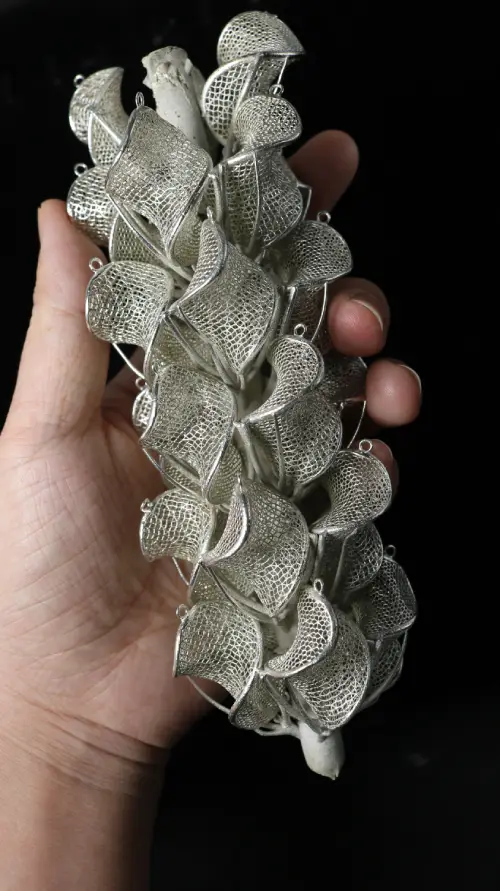
- Filigree Work: For gating system design for filigree jewelry, use multiple thin feed lines to ensure the metal reaches every delicate wire before cooling.
- Tapered Sprues: Use cone-shaped sprues to increase the velocity of the metal flow.
4. Managing the Castable Resin Burnout Cycle
Unlike traditional wax, 3D printed resins expand slightly when heated. If the castable resin burnout cycle is not managed, this expansion can crack the investment mold, leading to “finning” or oxidation and inclusion defects.
- Venting: The sprue acts as a chimney. Since high-wax content resins produce gas during burnout, the gating system must allow these gases to escape easily.
- Direct Casting 3D Printed Resin Tips: Ensure the resin is fully cured before casting. Any uncured liquid can cause a chemical reaction with the investment, leading to rough surfaces.
5. Jewelry Casting Defects Troubleshooting
Even with a good 3D print, casting issues can occur. Here is a quick jewelry casting defects troubleshooting guide:
- Incomplete Fills: Usually caused by sprues that are too thin or a mold temperature that is too low.
- Shrinkage Porosity: Occurs when the sprue freezes too early. Increase the sprue diameter.
- Gas Porosity: Small round holes caused by trapped air. Improve your venting or check the castable resin burnout cycle.
- Inclusions: Bits of investment or carbon trapped in the metal. Use filleted (curved) sprue joints to reduce turbulence that erodes the mold walls.
6. The Digital Advantage: Precision Design
Using 3D printed resin casting gold strategies allows you to create complex, integrated gating systems that were impossible with manual waxing. Modern CAD software can simulate metal flow, helping you identify “hot spots” before you cast. By maintaining a printing accuracy of ±0.05mm, you ensure that the physical sprue matches your digital flow calculations exactly.
In summary, a successful cast is the result of a calculated lost wax casting gating system. By focusing on directional solidification and proper venting, you can move from 3D design to finished jewelry with consistent, professional results.