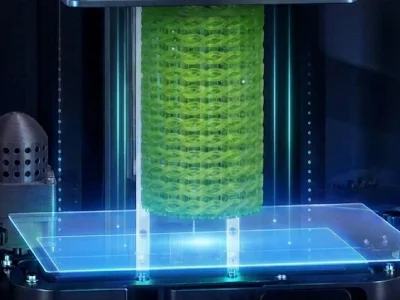
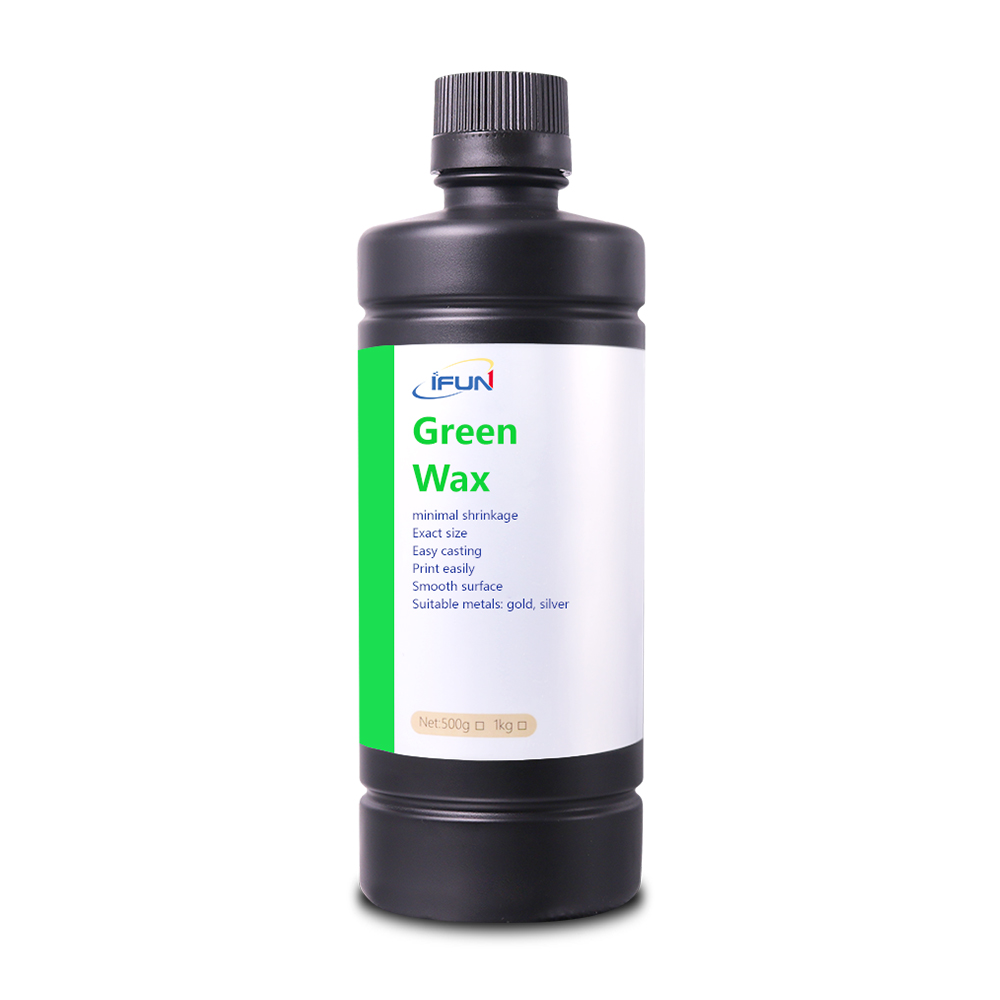
Stone-in-place casting (SIPC) using 3D printed models is an efficient method for jewelry manufacturing. By setting gemstones directly into 3D printed resin before the investment process, manufacturers reduce labor costs and ensure high precision in complex designs. This guide focuses on achieving successful results using castable resin for jewelry without damaging stones.

1. Essential Material Selection
The choice of material determines the success of the 3D printed jewelry casting process. Not all resins are suitable for SIPC.
- High Wax Resin: For direct casting, a high wax resin is required. These formulations ensure a clean burnout with zero ash and low thermal expansion, preventing the investment mold from cracking during the early stages of heating.
- Investment Powder: Use specialized stone-in-place investment powders. These are formulated to protect gemstones from high-temperature oxidation and chemical reactions with the metal.
- Jewelry 3D Printing Resin Supplier: When sourcing, ensure the supplier provides documented stone-in-place casting burnout cycles specific to their material.
2. Gemstone Heat Resistance for Casting
Gemstone selection is the most critical safety factor in SIPC. Only specific stones can withstand the stone-in-place casting burnout cycle.
| Gemstone Type | Heat Resistance | Notes |
|---|---|---|
| Diamond (Natural/Lab) | High (Up to 630°C) | Safe if peak temperature is controlled; prone to oxidation above 650°C. |
| Ruby & Sapphire | High | Generally safe, but avoid stones with significant liquid inclusions. |
| Cubic Zirconia (CZ) | High | Excellent for testing casting diamonds in 3D resin workflows. |
| Emerald/Pearl/Opal | None | Will be destroyed; must be set manually after casting. |
3. Design Specifications and Resin Shrinkage Compensation
Accurate CAD design is the foundation of 3D printed jewelry casting. Because resin and metal both shrink, resin shrinkage compensation for jewelry is mandatory.
- Prong Tolerance: Adjust prong diameters by 0.05mm to 0.1mm in CAD to account for the physical shrinkage of the castable resin for jewelry.
- Seat Depth: Ensure the gemstone seat is deep enough to hold the stone securely during the investment vibration phase, but not so tight that it creates mechanical stress.
- 3D Printing Prong Design Standards: Use tapered prongs to allow for easier metal flow and better stone retention after the metal cools.
4. The Stone-in-Place Casting Burnout Cycle
To prevent damage when casting diamonds in 3D resin, follow a strictly controlled temperature ramp. Rapid temperature changes cause thermal shock, leading to stone fractures.
- Stage 1 (Water Removal): Rise to 150°C (300°F) and hold for 2–3 hours.
- Stage 2 (Resin Elimination): Gradually increase to 370°C (700°F). This is where high wax resin melts and begins to evacuate.
- Stage 3 (Peak Soak): For stone-in-place, do not exceed 630°C (1165°F). Higher temperatures may cause diamonds to “frost” or change color.
- Stage 4 (Casting Temperature): Drop to the metal’s specific casting temperature and hold for at least 1 hour before pouring.
5. Troubleshooting: Preventing Stone Damage
- Discoloration: Usually caused by a “reducing” atmosphere in the furnace. Ensure adequate ventilation so oxygen can help the resin burn cleanly.
- Cracked Stones: Often results from quenching the flask in water too early. For SIPC, the flask must cool to room temperature naturally before breakout.
- Metal Boronic Stains: Avoid using boric acid near the stones before casting, as it can fuse to the stone surface at high temperatures.
6. Commercial Recommendations
Choosing the best resin for stone-in-place depends on your printer type (DLP/LCD/SLA). For high-volume production, working with a wholesale castable resin partner ensures consistency in shrinkage rates and burnout quality. If you are scaling operations, look for DLP jewelry 3D printer recommendations that offer high intensity and uniform light distribution to ensure all prongs are cured equally.