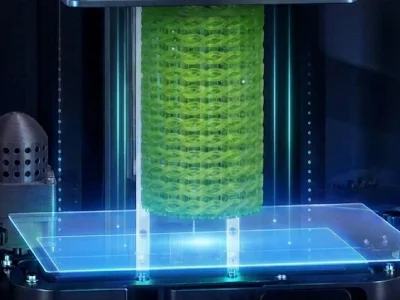
The Stone-in-Place (SiP) casting workflow, often referred to as wax-setting in traditional manufacturing, is a method where gemstones are set directly into 3D printed resin models before casting. This process significantly reduces manual bench work and allows for complex designs that are difficult to set by hand. However, achieving high success rates requires precise control over 3D printed jewelry casting parameters, material science, and thermal cycles.
1. Precision CAD Design and Tolerance Calibration
Successful direct casting 3D prints begin with accurate digital geometry. Because both resin and metal undergo dimensional changes, resin shrinkage compensation for jewelry is a critical step in the design phase.
- Jewelry CAD stone setting tolerances: For a secure snap-fit, stone seats should be modeled 0.05mm to 0.12mm larger than the stone’s actual diameter. Note that calibrated stones like Cubic Zirconia (CZ) have a tolerance of ±0.02mm, while natural stones may vary by ±0.05mm.
- Shrinkage Compensation: Most high-quality castable resins shrink by 0.5% to 1%. Designers must scale the 3D model slightly to account for this contraction and the subsequent metal shrinkage during cooling.
- Escape Vents: Design small “clean-out” holes beneath the stone pavilion. This allows uncured resin to drain during cleaning and ensures the best investment powder for stone-in-place fully encapsulates the stone, preventing air bubbles.
2. Selecting Printing Technology and Materials
The choice between DLP vs SLA for stone-in-place workflows impacts the final fit and surface finish.
- DLP (Digital Light Processing): Generally preferred for SiP due to high dimensional accuracy and faster printing of small, intricate parts. Industrial DLP printers can reach XY resolutions of 35-50 microns.
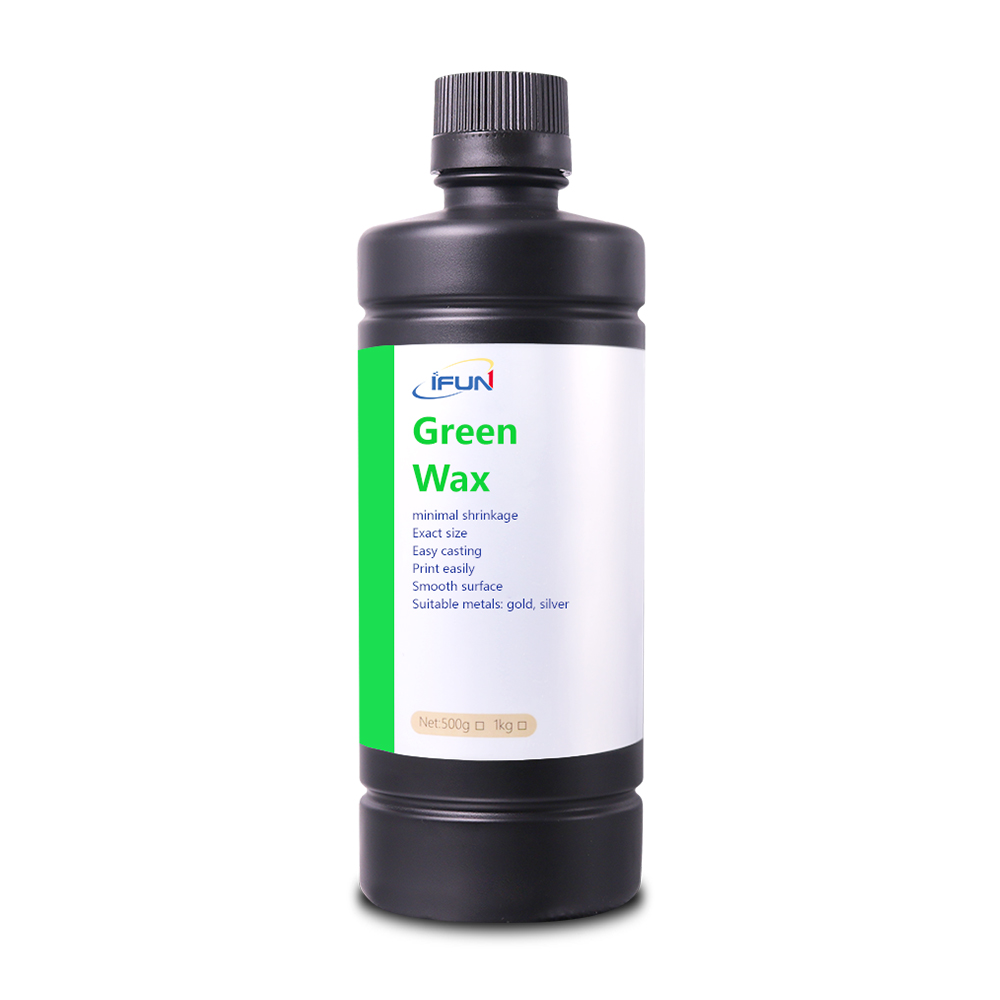
- Castable resin for jewelry: Use high-wax content resins (above 20% wax). These materials offer “clean burnout” with zero ash residue and lower thermal expansion, which prevents the resin from cracking the investment mold before it evaporates.
- Support Strategy: Use “light touch” or tree supports to minimize surface damage to stone seats. Supports should be placed away from prongs to maintain structural integrity.
3. Gemstone Selection and “Green-State” Insertion
When 3D printing jewelry with stones, thermal stability is the primary concern for the gemstones used.
- Stone Compatibility: Only use stones that can withstand high temperatures, such as Diamonds, Sapphires, and Rubies (Mohs 9+). Avoid heat-sensitive stones like Emeralds or Opals.
- Green-State Setting: This involves inserting stones after printing but before the final UV curing. In this “green” state, the wax-setting 3D printed resin is slightly flexible, allowing stones to click into place without snapping the prongs.
- Post-Setting Cure: Once stones are seated, perform a final UV cure to lock the stones into their permanent positions before investing.
4. Specialized Investment and Burnout Cycles
The burnout stage is the most volatile part of the stone-in-place casting workflow. Precise temperature control is mandatory to avoid damaging the gems.
- Preventing stone frosting in casting: Diamonds can oxidize or “frost” if exposed to oxygen at high temperatures. Use specialized investment powders containing boric acid to create a protective barrier around the stone.
- The Slow Ramp Burnout: Start with a “cold start” and increase the temperature slowly (2°C to 3°C per minute). Holding the flask at 630°C (1165°F) for at least 6 hours ensures complete resin removal while protecting stone integrity.
- Atmospheric Control: If possible, use vacuum casting or an inert gas (Argon) environment to further reduce the risk of stone oxidation.
5. Post-Casting and Quality Control
After casting, the metal must be handled carefully to preserve the pre-set stones.
- Slow Cooling: Allow the flask to cool to room temperature naturally. Quenching a hot flask in water can cause thermal shock, leading to cracked gemstones.
- Chemical Cleaning: Use mild ultrasonic cleaning to remove investment residue. Avoid aggressive mechanical picking near the stone seats.
- Standardized SOPs: Document every successful burnout curve and resin batch to ensure repeatability across different production runs.
Summary: Optimizing the SiP workflow is a balance of digital precision and thermal management. By mastering resin shrinkage compensation and utilizing high-wax castable resins, manufacturers can achieve efficient, high-volume production with minimal manual labor.