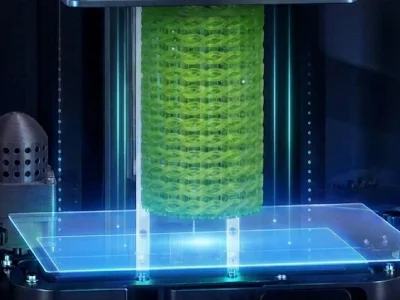
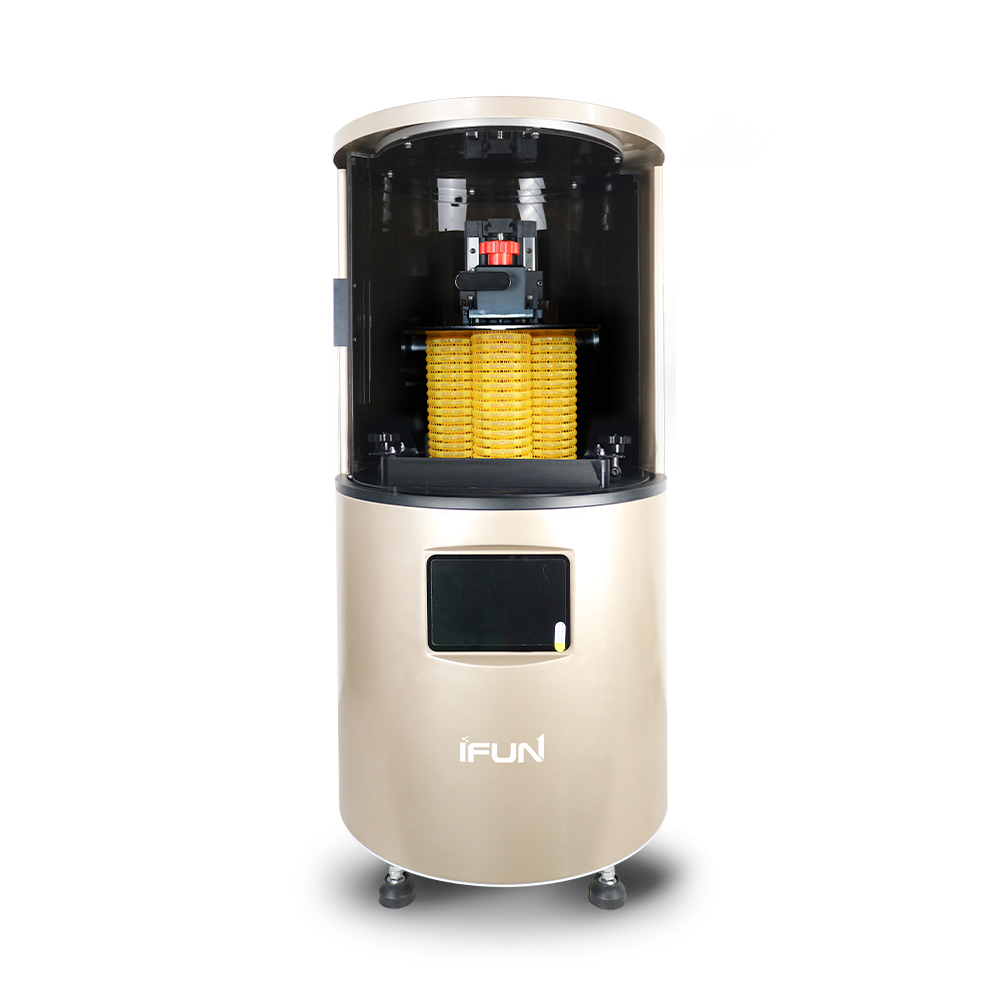
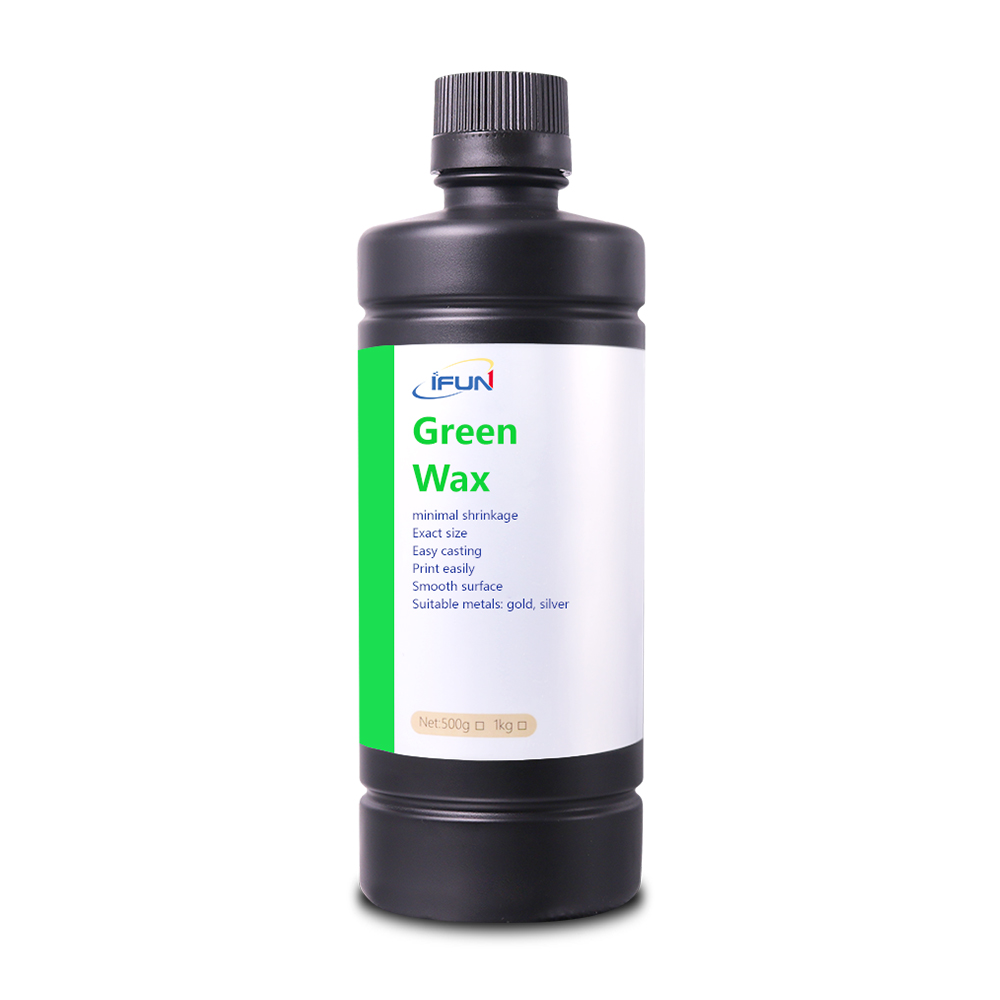
In modern jewelry workshops, jewelry 3D printing has become a standard method for moving from digital design to physical metal. While the technology is the same, the technical requirements for printing a pendant versus a ring are quite different. This resin jewelry printing guide explains the specific choices you need to make regarding hardware, materials, and design tolerances.
1. Design Constraints: Precision vs. Aesthetics
The primary difference between these two jewelry types lies in their physical function and size.
- 3D Printed Ring Sizing Accuracy: Rings are functional items that must fit a finger perfectly. An error of only 0.05mm in the internal diameter (ID) can make a ring unwearable. Designers must account for resin shrinkage to ensure the final 3D printed rings maintain their intended size.
- Pendant Geometry and Overhangs: Pendants offer more artistic freedom but face challenges with large surface areas. Any overhang exceeding 45 degrees requires careful support placement to prevent warping or collapse during the printing process.
- Wall Thickness: While a pendant can have varying thickness for weight management, a ring needs a minimum wall thickness (often around 0.6mm to 1.2mm) to withstand daily wear and the pressure of the casting process.
2. Hardware Selection: DLP vs. LCD for Jewelry 3D Printing
Choosing the best 3D printer for jewelry depends on your production volume and the level of detail required.
- DLP (Digital Light Processing): Traditionally favored for rings, DLP printers offer excellent light uniformity. This results in highly crisp edges for prongs and micro-pave settings.
- LCD (MSLA) Printers: Modern 8K and 12K LCD printers have closed the quality gap. An 8K resin printer for small jewelry details is often the most affordable 3D printing setup for jewelry designers who need to print both pendants and rings in batches.
- XY Resolution for Jewelry Printing: For rings, an XY resolution of 25-35 microns is ideal to capture fine engravings. Pendants are more forgiving, often looking excellent even at 50 microns.
3. Selecting the Right Castable Resin for 3D Printing
The resin you choose determines how successful your final metal piece will be. Here is how to choose resin for 3D printed rings and pendants:
- High-Wax Content 3D Resin: This is essential for rings intended for lost wax casting 3D print resin workflows. High wax content ensures a clean burnout with zero ash residue, which is critical for the smooth internal surfaces of a ring.
- Standard and Tough Resins: Best for pendants used as master patterns for silicone molding or for “try-on” prototypes. These resins are more durable and less brittle than high-wax versions.
- Water-Washable Resins: A great choice for designers working in home studios to create pendant prototypes without using harsh chemicals like Isopropyl Alcohol (IPA).
4. Support Strategies and Post-Processing
The differences in supporting pendants vs rings in resin printing are largely about surface finish and stability.
- Ring Supports: Supports should be placed on the outer bottom of the shank. Avoid placing supports inside the ring band, as sanding these marks can alter the ring size and comfort.
- Pendant Supports: Focus on stability for large flat surfaces. Use a “heavy-to-light” support gradient to handle the “peel force” as the printer lifts the layer. This prevents the “pancaking” effect often seen in large pendant prints.
- Post-Curing: Over-curing castable resin can make it too brittle, causing it to crack the investment mold during burnout. Always follow the manufacturer’s specific curing times for jewelry resins.
5. Troubleshooting: Why Are My 3D Printed Rings Failing During Casting?
If your prints look good but the metal casts are poor, consider these common issues:
- Incomplete Burnout: If using a high-wax content 3D resin, ensure your kiln follows the specific temperature ramp required for that resin. Residual ash leads to porosity in the metal.
- Shrinkage Compensation: If the ring is too small after casting, increase the scale of your digital model by 1% to 3% to account for resin and metal contraction.
- Expansion Issues: Some resins expand slightly before they melt, which can crack the investment plaster. Using a “low-expansion” investment powder can solve this.
Summary Comparison Table
| Feature | Ring 3D Printing | Pendant 3D Printing |
|---|---|---|
| Primary Requirement | Extreme Dimensional Accuracy | Surface Integrity & Detail |
| Best Technology | DLP or High-Res LCD (8K+) | Standard or Large Format LCD |
| Resin Type | High-Wax Castable Resin | Standard, Tough, or Castable |
| Support Focus | Internal Diameter Protection | Large Surface Stability |
Whether you are setting up a professional manufacturing line or looking for an affordable 3D printing setup for jewelry designers, understanding these nuances will ensure high-quality results and reduce material waste.